Absolutely, the caviar price per kilo reflects more than just a number on a label — it’s a snapshot of rarity, quality, and global demand. When you first ask “how much does caviar cost per kilo,” the immediate answer varies widely because caviar isn’t a single product: it’s a category defined by species, harvest method, and market trends. Premium sturgeon caviar from Beluga or Ossetra, for example, often commands thousands of euros per kilo, while more accessible varieties may be priced lower. Understanding the caviar price per kilo requires context: where it’s sold, how it’s graded, and who the producer is.
This isn’t a commodity with a fixed retail price; it’s a delicacy whose value shifts with scarcity and prestige. Whether you’re a chef planning a menu, a gourmet shopper exploring fine foods, or simply curious about luxury food economics, grasping the factors behind the caviar price per kilo gives you a real advantage. Read on to explore key influences and practical insights into this fascinating market.
What Defines “Real” Caviar and Its Price
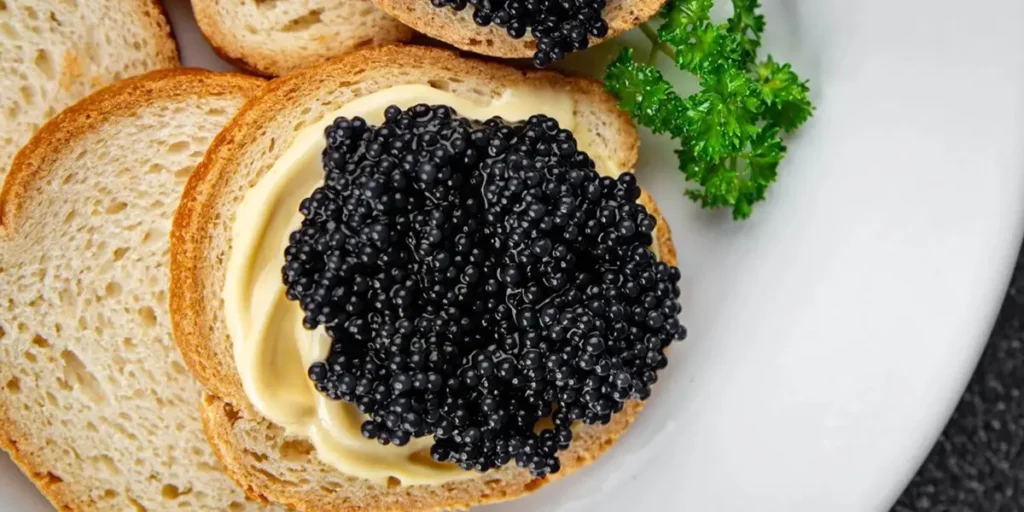
When people compare different delicacies, the caviar price per kilo often stands out as one of the most intriguing numbers in the gourmet world. However, to understand that price properly, we must first define what real caviar is. True caviar refers specifically to the salted roe of sturgeon fish (primarily Beluga, Ossetra, and Sevruga), traditionally sourced from the Caspian and Black Sea regions. Anything else — roe from salmon, trout, or other fish — may be labelled as “caviar” in marketing, but it doesn’t meet the strict culinary definition.
A genuine package of sturgeon caviar will typically carry internationally recognised certifications, such as CITES documentation, which verifies that the product has been legally and sustainably harvested.
Without this kind of certification, a product might be less valuable, both in flavour and caviar price per kilo.
Here’s what differentiates real caviar and affects its cost:
- Species of sturgeon: Beluga caviar remains the benchmark due to its large, glossy eggs and subtle flavour, but Ossetra and Sevruga are also premium types.
- Harvesting and processing quality: Caviar that is carefully selected, lightly salted, and cold‑processed generally commands a higher caviar price per kilo.
- Legal sustainability: Sustainable farming and proper documentation not only protect species but also ensure consistent quality and market price.
Most professional producers — whether conserving traditional Caspian techniques or using modern aquaculture — emphasise traceability and ethical practices. One example at the high end is Caviar by Pishva Holding, which is known for its consistent quality and reputable sourcing within the Iranian caviar price market. This kind of transparency matters when evaluating both quality and price.
Understanding these core elements helps you judge why caviar prices vary so much and what to look for when comparing options in the context of the caviar price per kilo.
Average Price of 1 Kilo of Caviar (2025 Market)
When you investigate “how much does caviar cost per kilo,” the numbers can be surprisingly broad. That’s because the final price reflects a combination of species, quality grade, cultivation method, and origin. According to recent market price surveys, premium sturgeon caviar — including Beluga, Ossetra, and Kaluga varieties — typically ranges between €2,000 and €12,000 per kilogram, though specialty batches can be priced far higher.
Here’s a snapshot of the 2025 average price per kilo across main sturgeon types:
| Caviar Type | Approx. Price per Kilo (EUR) |
| Beluga | €2,800 – €5,700+ (premium) |
| Ossetra | €1,700 – €3,400 |
| Sevruga | €900 – €1,700 |
| Kaluga (hybrid) | €2,000 – €3,500 |
| Affordable farmed varieties | lower but variable depending on quality and certification |
These ranges reflect real market values and illustrate that caviar price per kilo is a strong indicator of perceived quality and rarity. For instance:
- Beluga caviar — long considered the gold standard — usually commands the highest prices due to the slow growth and scarcity of its sturgeon species in nature.
- Ossetra and Sevruga, while culturally premium, are often more accessible yet still expensive.
- Kaluga hybrid caviar, which combines traits of high‑end species, has become popular for balancing quality and price.
Beyond species, several other factors influence the caviar price per kilo. These include harvesting year, certification and traceability, farming conditions, and processing techniques. Sustainable farmed caviar, for instance, can have slightly lower pricing stability than rare wild harvests due to the controlled production environment, but it often offers high quality with ethical sourcing.
While numbers fluctuate year‑to‑year with supply and demand, this 2025 overview gives a concrete frame of reference for consumers and chefs alike evaluating the luxury caviar market.
Why Caviar Prices Can Be So High
One of the first questions people ask when they read about luxury foods is “why is caviar so expensive? The truth is that multiple biological, legal, and economic factors come together to set the caviar price per kilo significantly higher than nearly any other food product.
At its heart, caviar production is an exceptionally slow and resource‑intensive process:
- Long maturation period: Sturgeon species can take 10‑20 years or more to reach reproductive age. That means farmers must invest years of time, feed, and specialised care before any roe is available for harvest.
- Low yield: Even mature sturgeon produce a relatively small amount of roe compared to the resources required to raise them.
- Labour‑intensive processing: Carefully harvesting, rinsing, salting, and packaging the eggs without damaging them requires skilled labor and strict hygiene control.
International conservation standards also have a direct impact on pricing. The Convention on International Trade in Endangered Species (CITES) enforces stringent quotas and documentation to protect wild sturgeon populations. These legal requirements add cost to every step of production and distribution, which feeds directly into the caviar price per kilo.
Environmental regulations aren’t static either. Modern sustainability efforts — such as renewable energy use at farms, waste treatment improvements, and traceability systems — increase operating expenses, which are then reflected in retail prices.
Economics also play a part. Caviar is traded internationally, often priced in euros or dollars. Currency fluctuations, shipping costs, and import tariffs can all push final retail figures up or down significantly. The combination of scarcity, conservation safeguards, long growth cycles, and international regulatory overhead makes it clear why the caviar price per kilo is a premium number compared to everyday food commodities.
Price Differences: Wild vs. Farmed Caviar
When considering caviar price per kilo, one of the most important distinctions in the marketplace is whether the product is wild‑caught or farmed. Historically, wild sturgeon caviar — especially from the Caspian Sea — was the benchmark for quality and price. Today, however, wild populations are protected and regulated, and most of the world’s caviar comes from aquaculture.
Here’s how the wild vs. farmed dynamic influences pricing and market perception:
Wild sturgeon are subject to strict quotas under international conservation laws. Catching wild sturgeon has become extremely limited and heavily regulated, which drastically reduces supply. For the rare remaining licensed wild captures, prices for caviar can skyrocket — historically upwards of $20,000 per kilo or more before bans and protections were tightened.
These rare batches fetch premium valuations in niche markets and auctions.
Modern aquaculture now accounts for a large majority of caviar production, offering more consistency and traceability. While farmed caviar doesn’t always carry the same “wild prestige,” many high‑end farms produce beautiful, high‑grade roe with excellent taste and texture. The caviar price per kilo for premium farmed varieties (such as Beluga and Ossetra) can range from a few thousand to several thousand euros per kilo, depending on species and quality grading.
Here’s a simplified comparison of typical price outcomes:
| Source Type | Typical Price Range (per kg) | Notes |
| Wild historical (rare) | Very high – up to $25,000+ | Extremely limited, regulated |
| Farmed Beluga | €2,800 – €5,700+ | High quality but broader supply |
| Farmed Ossetra | €1,700 – €3,400 | Balanced price/quality |
| Farmed Sevruga | €900 – €1,700 | More accessible premium |
Farmed caviar’s production advantage is its predictability and ethical traceability, which appeals to both consumers and regulators. Wild harvests, where available and legal, are prized more for rarity than volume — which is why they often command the highest caviar price per kilo seen historically.
How Location and Market Conditions Affect Price
The caviar price per kilo isn’t determined in a vacuum — it reflects global economics, regional culinary traditions, transport logistics, and regulatory environments. In other words, where you buy and where it’s produced significantly influence the final figure.
Regional Production and Influence
Caspian Sea region (Iran, Russia): Historically the birthplace of many premium caviar brands, caviar from this region often carries a cachet that supports higher prices. In particular, Iranian producers remain globally respected for quality and tradition, which affects The price of beluga caviar in Iran per kilo at export markets.
Europe: Nations such as France, Italy, and the Netherlands host established aquaculture farms and experienced processors. European premiums can reflect both quality and regulatory compliance, including stringent CITES tracking.
Emerging markets: Countries such as China and the U.S. have expanded high‑quality farmed caviar production, introducing competitive pricing and broader availability. Some Chinese producers, for example, export internationally with traceable certifications.
Global supply and demand swings also impact the caviar price per kilo. When supply tightens due to regulatory restrictions or environmental changes, prices tend to rise. Conversely, increased farmed production capacity can stabilise prices in mid ranges.
Currency fluctuations matter too. Because caviar is often traded in euros or dollars, exchange rates influence final retail prices in local currencies.
Shipping across borders, cold chain logistics, and import tariffs all add cost. Premium caviar must be transported under strict temperature control, which adds to the caviar price per kilo when delivered to high‑end culinary markets.
In short, the final price for caviar isn’t just about the fish eggs themselves — it’s a reflection of global production patterns, regional prestige, legal frameworks, and economic conditions.
Practical Buying Tips (Expert Advice)
Navigating the luxury food market can be confusing, especially when looking at figures like the caviar price per kilo and wondering what represents good value. Here are expert‑level tips to help you buy confidently and enjoy every purchase.
Know What You Are Buying
Understanding species and quality grading is fundamental:
- Beluga: Considered the most prestigious in many markets, with a high caviar price per kilo due to rarity and texture.
- Ossetra and Sevruga: Often slightly more affordable while still delivering premium taste and texture.
- Kaluga hybrid: Offers large, firm eggs with balanced flavour and can represent a good middle ground.
Always purchase caviar with proper CITES documentation and traceability information — this ensures you’re getting authentic, legally sourced product, not an imitation or mislabelled substitute.
Use caviar price per kilo as a benchmark rather than a standalone decision factor:
- Higher price often correlates with larger eggs, milder flavour, and delicate texture.
- Lower prices might reflect smaller eggs or lesser‑known varieties but still offer great taste and enjoyment.
If you’re buying for a special event, think about how you’ll serve the caviar:
- Serve chilled with non‑metallic spoons (mother‑of‑pearl or wood) to preserve flavour.
- Pair with neutral bases like blinis or toast points to highlight nuance.
Purchase from reputable producers and distributors, whether local gourmet shops, high‑end online retailers, or well‑known international brands. Good sourcing often means better quality control and accurate caviar price per kilo reflection.
Essential Takeaways on Caviar Pricing and Value
Undoubtedly, the caviar price per kilo is one of the first questions on the mind of anyone engaging with this iconic delicacy. At its core, the cost reflects a blend of biological reality and market dynamics. True sturgeon caviar — especially varieties like Beluga, Ossetra, and Kaluga — comes from fish that take years to mature. That long cultivation period adds to production costs, pushing the caviar price per kilo higher than most other food items. Outside of species, quality grading plays a major role: finer, larger eggs with consistent color and texture are valued more, and therefore priced accordingly.
Global supply and regulatory frameworks also shape pricing. With wild sturgeon stocks strictly regulated for conservation, farmed caviar has become more common. Even so, high‑quality farmed caviar still commands premium pricing due to careful breeding and sustainable practices. Regional differences matter too; European gourmet markets might list higher prices than emerging markets due to import costs and demand intensity.
Ultimately, while the caviar price per kilo can vary greatly, understanding the underlying factors — species, grading, production, and demand — equips you to assess value wisely. Keep these elements in mind as you explore caviar offerings and make informed choices.
FAQ
1. What is the typical caviar price per kilo in 2025?
Premium sturgeon caviar generally ranges from about €900 to €12,000 per kilo, depending on species and quality.
2. Why are some caviar prices so high?
High costs stem from long sturgeon maturation cycles, intensive processing, regulatory compliance, and global supply constraints.
3. Is farmed or wild caviar better value?
Farmed caviar offers stable supply and traceability, often good quality at slightly lower prices than very rare wild caviar.
4. How can I verify authentic caviar?
Look for CITES documentation and reputable sourcing information to confirm legal and ethical production.
5. Does origin affect caviar price?
Yes — caviar from traditional regions like the Caspian Sea often commands higher prices due to history and demand.