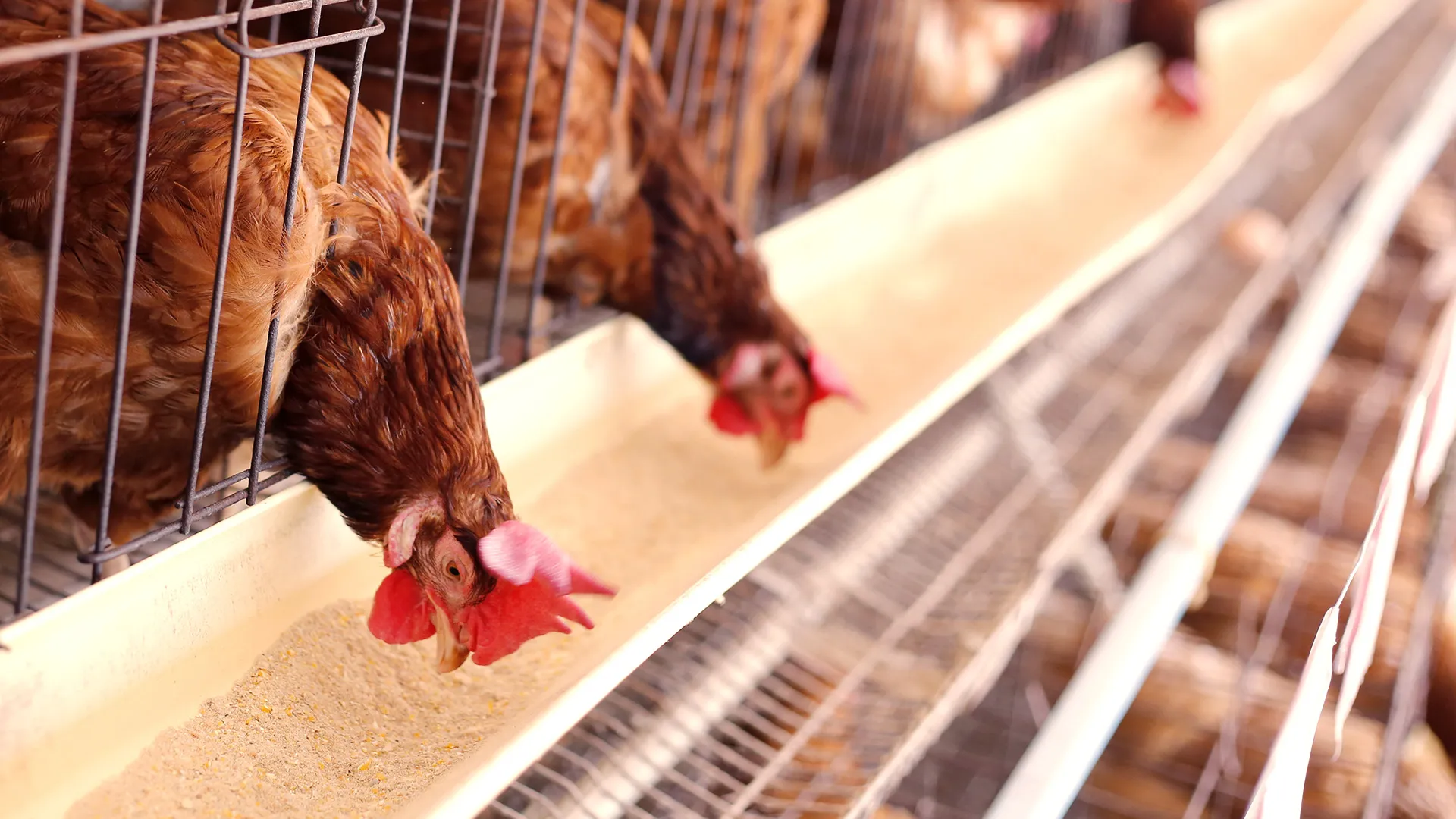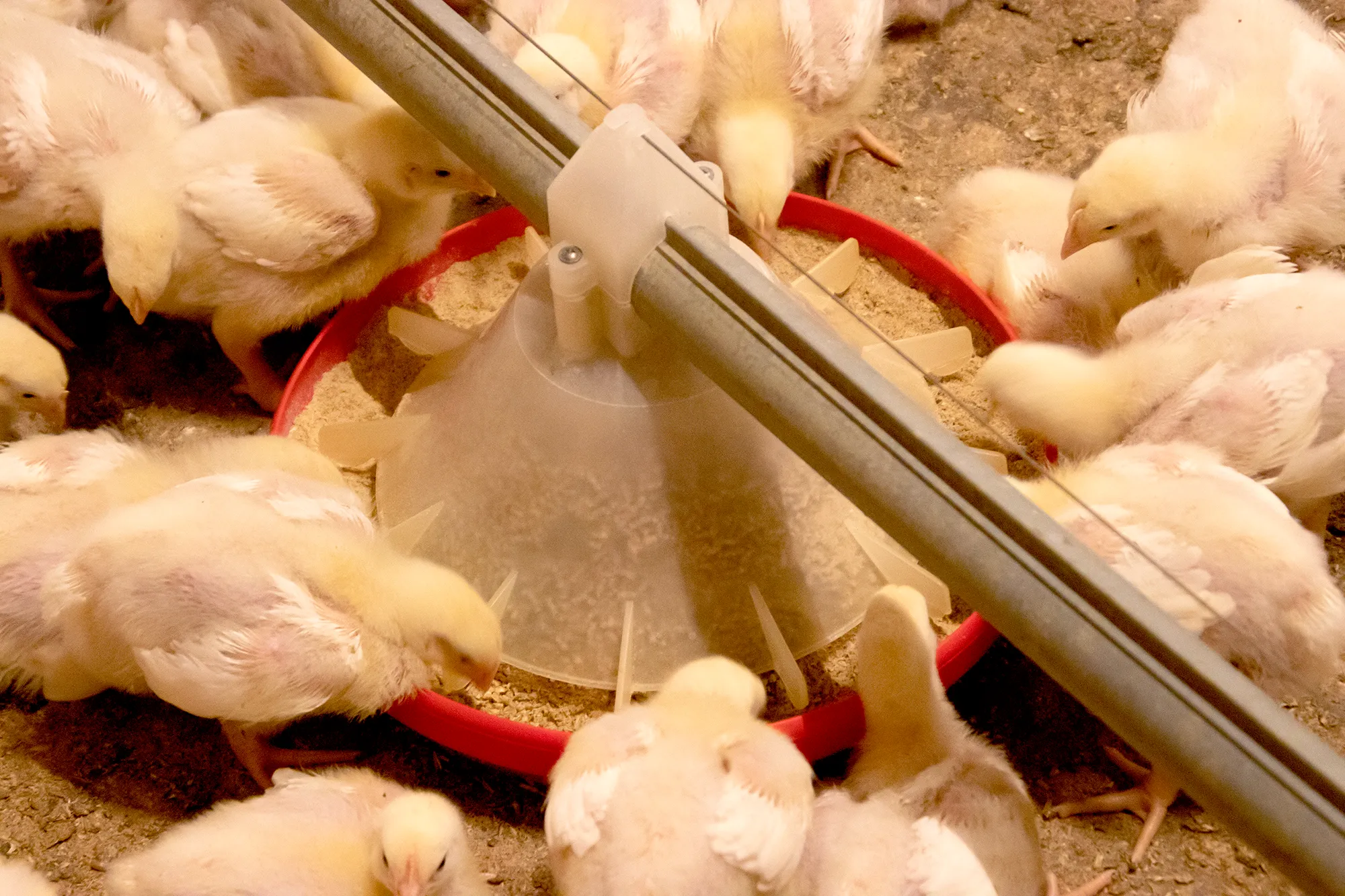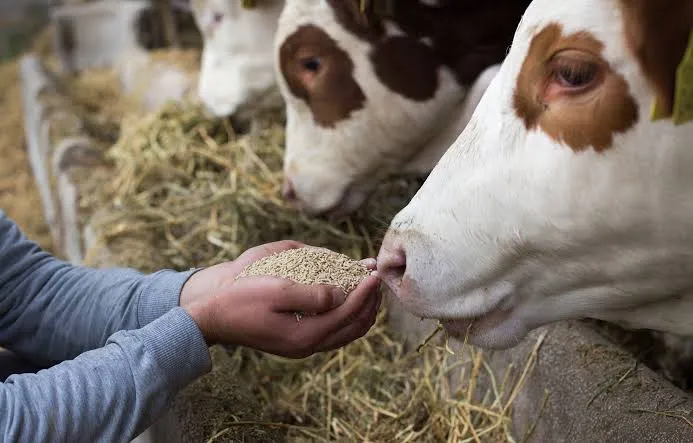
Choose the right fat, not simply the cheapest one. Feed fat powder can provide a concentrated source of energy for livestock and poultry diets, but its nutritional value depends on much more than its total fat content. Fat source, fatty acid profile, free fatty acid level, digestibility, and the animal’s age can all influence how effectively the added energy is used. Research shows that fat utilization is particularly important in poultry because young birds have a more limited capacity to digest and utilize some dietary fats.
For producers and feed manufacturers looking to Buy Feed Fat Powder for Livestock and Poultry, product specifications should therefore be evaluated alongside price. Moisture, crude fat, ash, fatty acid composition, energy value, oxidative stability, and processing characteristics can affect the real value of a product. The right choice can help formulate energy-dense diets without relying on price alone.
In this guide, we will look at the key specifications, applications, quality factors, pricing considerations, and purchasing points you should check before making a decision.
What Is Feed Fat Powder and Why Is It Used in Animal Feed?
The right feed fat powder can add concentrated energy to an animal diet without significantly increasing the amount of feed animals need to consume. Feed fat powder is a dry feed ingredient made from processed fat sources and is used in livestock and poultry nutrition primarily to increase the energy density of a ration. Depending on the product, it may also provide specific fatty acids that contribute to normal growth, production, and metabolic functions.
Compared with liquid oils, powdered fat is easier to handle in many dry-feed manufacturing systems. It can be incorporated into premixes and complete feeds when the product is designed for that purpose. Its practical value, however, depends on its composition and how well it fits the overall formulation.
When you plan to Buy Feed Fat Powder for Livestock and Poultry, do not compare products only by their crude fat percentage. Important characteristics include:
- Crude fat or ether extract
- Moisture content
- Ash content
- Fatty acid composition
- Free fatty acid level
- Energy value
- Oxidative stability
- Source of the fat
- Recommended storage conditions
The energy supplied by dietary fat is particularly valuable in high-performance animal production because fat is an energy-dense nutrient. However, different fat sources do not necessarily provide the same usable energy. Their digestibility and fatty acid characteristics can affect how efficiently animals utilize them.
For commercial buyers, product documentation is equally important. A supplier such as Pishva Holding can be considered when sourcing feed ingredients that require defined specifications and supporting documentation.
In practical terms, feed fat powder should be selected as part of the complete feed formulation. The best product is not necessarily the one with the highest fat percentage or the lowest price. It is the one that provides consistent quality and an appropriate nutritional contribution for the intended animal and production stage.
How Feed Fat Powder Supports Energy-Dense Livestock and Poultry Diets
Energy density is one of the main reasons nutritionists add supplemental fat to animal feed. Because fat contains substantially more energy per unit of weight than carbohydrates or protein, it can increase the energy concentration of a ration without requiring a large increase in feed volume.
This can be useful when feed intake limits the amount of energy an animal can obtain from its diet. It is also relevant in poultry production, where maintaining an appropriate dietary energy level is essential for efficient growth and production.
The actual nutritional contribution of a fat source, however, depends on more than its total fat content. Research in poultry nutrition has shown that factors such as the source and chemical characteristics of dietary fat can influence its energy value and utilization. The age of the bird also matters because young poultry generally have a less developed capacity to digest and utilize certain dietary fats.
Several factors should therefore be considered when evaluating an energy source:
| Factor | Why It Matters |
| Fat source | Influences fatty acid composition and nutritional characteristics |
| Fatty acid profile | Can affect digestion and energy utilization |
| Digestibility | Determines how efficiently the animal can use the fat |
| Animal age | Fat utilization can change as the digestive system develops |
| Inclusion level | Affects the energy balance and nutrient concentration of the diet |
| Oxidative stability | Poor-quality or oxidized fat may have reduced nutritional value |
| Feed processing | Processing can influence the physical quality of the finished feed |
The relationship between fat quality and energy value is particularly important when comparing commercial products. A lower-priced powder may not necessarily provide the lowest feeding cost if its usable energy or digestibility is inferior.
For companies arranging international sourcing, Specialized Import Services can also be relevant when the purchase involves overseas suppliers, shipping documentation, and import requirements.
A sound formulation should therefore focus on the nutritional contribution of the product rather than simply increasing the percentage of fat in the finished feed. The amount used should be determined according to the animal’s requirements and the composition of the rest of the ration.
Feed Fat Powder for Poultry: Benefits Across Different Production Stages
Poultry do not have the same nutritional requirements throughout their production cycle. A broiler chick, a finishing broiler, and a laying hen have different feed intake patterns, energy requirements, and production objectives. For this reason, the use of feed fat powder should be considered according to the specific production stage.
In broiler diets, supplemental fat can help increase dietary energy concentration. This can be useful when the objective is to formulate a nutrient-dense ration that supports rapid growth while maintaining an appropriate balance of amino acids and other nutrients.
The early growth period requires particular attention. Young birds have developing digestive systems, and their ability to utilize some dietary fats may differ from that of older birds. Scientific research on poultry energy evaluation has demonstrated that age can influence the metabolizable energy obtained from feed ingredients.
For practical feed formulation, consider these differences:
- Broiler starters: Digestibility and ingredient quality are especially important because young birds have developing digestive capacity.
- Broiler growers: The fat source can contribute to the higher energy density required during rapid growth.
- Broiler finishers: Energy supply should be considered alongside growth efficiency, feed cost, and the objectives of the finishing diet.
- Layers: Energy intake must support production while maintaining an appropriate balance of protein, amino acids, minerals, and other nutrients.
- Breeders: Nutritional decisions should account for reproductive performance rather than focusing on energy density alone.
Fatty acid composition also deserves attention. Unsaturated and saturated fatty acids can behave differently during digestion and metabolism. Certain essential fatty acids are also nutritionally important in poultry diets.
Therefore, when you Buy Feed Fat Powder for Livestock and Poultry, make sure the supplier provides information that allows the product to be evaluated for poultry use. A technical data sheet and Certificate of Analysis can help confirm whether the actual batch meets the required specifications.
Import procedures are another consideration for international buyers. Once the product has been selected, Customs Clearance can become an important part of the purchasing process, particularly when documentation, customs classification, and shipment requirements need to be coordinated.
The key point is that there is no universal inclusion level that works for every poultry diet. The appropriate amount depends on the product, bird category, existing dietary energy, and complete feed formulation.
Feed Fat Powder for Livestock: Where Does It Fit in the Diet?
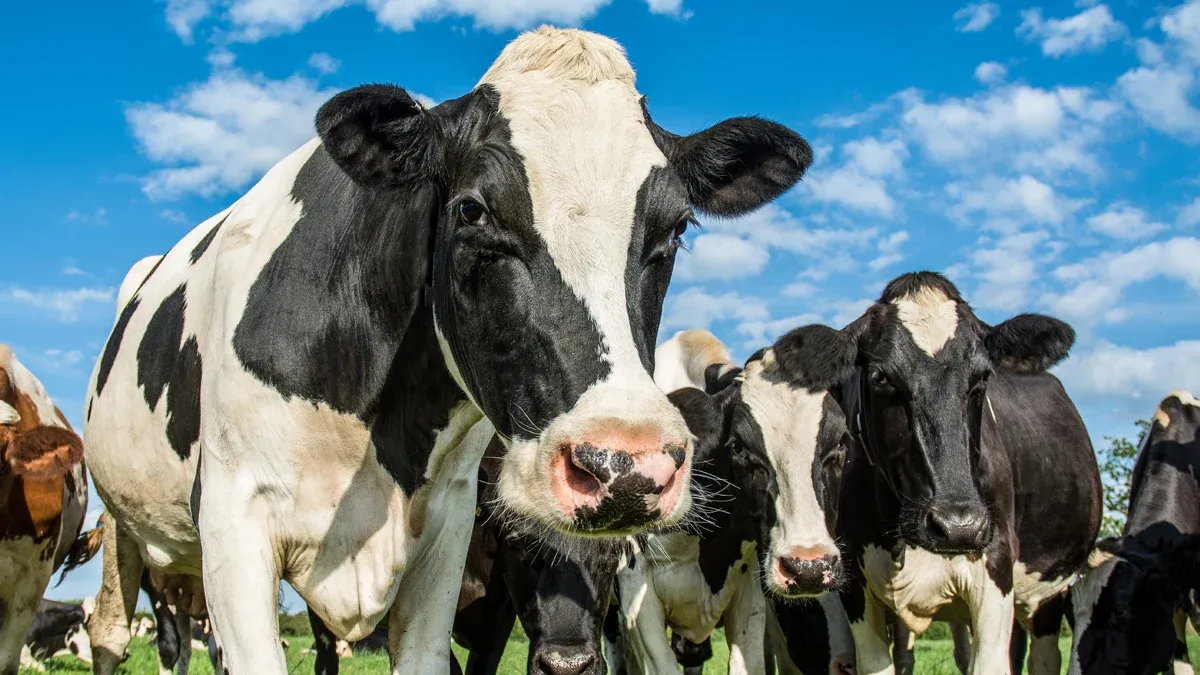
In livestock feeding, supplemental fat is primarily used to increase the energy concentration of the ration. Its role varies considerably between species, so a product that performs well in poultry feed should not automatically be used at the same level in every livestock diet.
Swine are an important example. Dietary fats are concentrated energy sources in pig nutrition, but their utilization is affected by several characteristics of the fat. Research has identified factors such as fatty acid chain length, degree of saturation, free fatty acid concentration, oxidation, and dietary inclusion level as variables that can influence fat digestion and energy utilization.
For growing pigs, this means the nutritional value of a feed fat powder should be assessed within the complete formulation. Adding fat without adjusting the rest of the diet can alter the relationship between energy, amino acids, minerals, and other nutrients.
When evaluating a feed fat product for livestock, pay attention to:
- Animal species: Digestive physiology differs between pigs, poultry, cattle, and other animals.
- Production stage: Growing, finishing, breeding, and lactating animals have different nutritional priorities.
- Energy requirements: The additional fat should complement the energy already supplied by other ingredients.
- Fat quality: Oxidation and excessive free fatty acids may affect nutritional value.
- Fatty acid profile: The type of fatty acids can influence digestibility and metabolism.
- Feed processing: The product must be compatible with the manufacturing process used by the feed mill.
Ruminants require particular care. Their digestive system is fundamentally different from that of monogastric animals, and excessive supplemental fat can interfere with rumen fermentation. Therefore, a fat powder intended for pigs or poultry should not be assumed to be appropriate for cattle simply because it has a high fat content.
It is also useful to distinguish fat supplements from amino acid products. Buyers researching Buy Buy L-Threonine for Livestock and Poultry Feed are dealing with a different category of nutritional ingredient. L-threonine supplies an essential amino acid, while feed fat primarily contributes energy and, depending on the source, fatty acids.
Ultimately, the correct use of feed fat powder depends on the species, diet composition, production target, and characteristics of the individual product. A nutritionist should determine the inclusion level based on the complete ration rather than applying a general rate to every livestock feed.
What Types of Feed Fat Powder Are Available?
Feed fat powder is not a single standardized ingredient. Commercial products can differ in their fat sources, processing methods, fatty acid profiles, carriers, mineral content, and intended applications. Understanding these differences makes it easier to compare products before placing an order.
One common category is vegetable-based fat powder, which is produced from plant-derived oils or fats. These products can have different proportions of saturated and unsaturated fatty acids depending on the original oil and processing method.
Another category is animal-derived fat powder. Its specifications depend on the approved source, rendering or processing conditions, and quality controls applied during production. Buyers should pay close attention to the declared source and applicable feed regulations.
There are also calcium salt fats, in which fatty acids are associated with calcium. These products have different physical and digestive characteristics from conventional oils and fats and may be used for specific nutritional purposes.
Some manufacturers also offer formulated or encapsulated fat products designed to improve handling, stability, or the way the fat is delivered in the feed.
| Feed Fat Powder Type | Main Characteristic | What to Check |
| Vegetable-based | Derived from plant oils or fats | Fatty acid profile and oxidation stability |
| Animal-based | Derived from approved animal fat sources | Source, quality, and regulatory compliance |
| Calcium salt fat | Fatty acids combined with calcium | Fat concentration and mineral content |
| Encapsulated/formulated | Fat combined with carriers or protective materials | Fat level, stability, and intended application |
The fatty acid profile is particularly important when comparing products. Saturated and unsaturated fatty acids differ in their physical and nutritional characteristics, and the structure of the fat can affect digestion and energy utilization.
Oxidative stability should also be taken seriously. Exposure to oxygen, heat, light, and unsuitable storage conditions can accelerate oxidation. A product that has already undergone significant oxidation may not provide the same quality expected from fresh feed fat.
Before choosing between two products, request the manufacturer’s technical documentation and compare the actual specifications. Useful information includes:
- Source of the fat
- Crude fat
- Moisture
- Ash
- Free fatty acids
- Fatty acid profile
- Energy value
- Calcium and other minerals
- Antioxidant information
- Shelf life
- Storage requirements
- Recommended application
This is especially important when you Buy Feed Fat Powder for Livestock and Poultry because the same product category can contain materials with very different nutritional characteristics. A proper comparison should focus on what the product contributes to the finished feed, not just its appearance, packaging, or price per kilogram.
Why Fatty Acid Profile Matters When Choosing Feed Fat Powder
Fat content alone does not tell you the full nutritional value of a feed fat powder. The fatty acid profile is one of the most useful pieces of information for comparing different fat sources because the proportion of saturated, monounsaturated, and polyunsaturated fatty acids can influence digestion, energy utilization, and the way dietary fat is deposited in animal tissues.
For poultry, the fatty acid composition of the diet can also influence the fatty acid composition of deposited body fat. Recent poultry research highlights diet, age, and breed as important factors affecting fatty acid deposition and meat characteristics.
When comparing products, look beyond the total fat percentage and ask for a detailed fatty acid analysis. Useful parameters include:
| Specification | Why It Matters |
| Saturated fatty acids | Affect the physical and digestive characteristics of the fat |
| Monounsaturated fatty acids | Contribute to the overall energy and fatty acid profile |
| Polyunsaturated fatty acids | Important for nutritional value and tissue fatty acid composition |
| Linoleic acid | An important dietary fatty acid, particularly relevant in poultry diets |
| Free fatty acids | Can provide information about the condition and processing of the fat |
| Fatty acid consistency | Helps maintain predictable feed formulation between batches |
The source of the fat also matters. Animal fats, vegetable fats, and blended products can have substantially different fatty acid profiles. FAO feed-ingredient information, for example, shows that livestock fats are generally dominated by saturated and monounsaturated fatty acids, although their exact composition varies according to source.
For buyers planning to Buy Feed Fat Powder for Livestock and Poultry, requesting the fatty acid profile before placing an order is therefore a practical step. It allows the product to be compared on nutritional characteristics rather than price alone.
How to Evaluate the Quality of Feed Fat Powder Before Purchase
A reliable feed fat powder should come with evidence of its quality. Appearance and price can provide useful first impressions, but neither can confirm whether a product meets the nutritional specifications required for commercial feed production.
Before purchasing, request a current Certificate of Analysis (COA) and technical data sheet. The COA should correspond to the batch being supplied whenever possible. Compare the declared specifications with the actual analytical results rather than relying solely on a general product brochure.
At a minimum, review the following parameters:
- Crude fat or ether extract
- Moisture
- Ash
- Free fatty acids
- Fatty acid profile
- Energy value, when available
- Calcium and other declared minerals
- Oxidation indicators
- Additives or antioxidants
- Appearance and physical form
- Shelf life
- Storage requirements
Oxidative quality deserves particular attention. Research on fats and oils has found a relationship between oxidation behavior and factors such as fatty acid composition, peroxide value, acid value, and antioxidant capacity.
For feed-grade fats, source documentation is also important. FAO material based on feed-ingredient definitions identifies specifications such as total fatty acids, moisture, impurities, and free fatty acids as relevant quality characteristics for certain animal fats.
A practical purchasing checklist can help:
| Question | What to Verify |
| What is the fat source? | Plant, animal, blended, or formulated |
| How much fat does it contain? | Actual crude fat specification |
| Is the product stable? | Oxidation indicators and antioxidant information |
| What is the fatty acid profile? | Saturated, mono- and polyunsaturated fractions |
| Is the batch consistent? | COA and batch information |
| How should it be stored? | Manufacturer’s storage instructions |
| Is it suitable for the target animal? | Supplier’s technical recommendation |
Do not reject a product simply because one specification is different from another product. Instead, consider the complete profile and whether it fits the intended formulation.
Feed Fat Powder Price: What Determines the Cost?
The cheapest feed fat powder is not necessarily the most economical option. When comparing suppliers, the purchase price per kilogram is only the starting point. The real cost depends on the product’s composition, nutritional value, quality consistency, packaging, shipping, and the amount required in the finished feed.
Fat source is one of the major factors affecting price. Vegetable oils, animal fats, specialty fats, calcium-based products, and formulated powders can have very different production costs. Processing technology can also affect the final price, particularly when a product requires additional treatment to create a stable powdered form.
Other factors commonly influence the quoted price:
- Fat concentration
- Fatty acid profile
- Raw material source
- Processing method
- Antioxidant system
- Packaging format
- Order volume
- Minimum order quantity
- Country of origin
- Freight and insurance
- Import duties and other landed costs
- Market conditions at the time of purchase
Quality should be included in the economic comparison. Oxidized fats and oils can show changes in nutritional and functional properties, which is why oxidation status is an important consideration when evaluating feed-grade lipid sources. Studies of feed fats have assessed parameters such as peroxide value, p-anisidine value, polymeric compounds, and oxidative stability to characterize lipid quality.
For this reason, buyers should compare products using a broader calculation rather than simply asking, “What is the price per kilogram?”
A better purchasing comparison considers:
Product price + shipping + import costs + usable nutritional value + expected inclusion rate + quality consistency
This approach becomes particularly important for bulk purchases. A product with a slightly higher purchase price may provide better value if it offers consistent specifications and an appropriate energy contribution.
If you plan to Buy Feed Fat Powder for Livestock and Poultry in commercial quantities, request a quotation based on the exact product specification, packaging, quantity, destination, and delivery terms. This gives you a more realistic estimate of the final purchasing cost.
How Much Feed Fat Powder Should Be Added to Animal Feed?
There is no single inclusion rate that is correct for every animal feed. The appropriate amount depends on the animal species, age, production stage, existing dietary energy, fat source, product specification, and the nutritional targets of the complete ration.
This is an important distinction for commercial buyers. A feed fat powder intended for broilers should not automatically be used at the same level in a pig diet or ruminant ration. The digestive system and response to supplemental fat differ between animal categories.
For poultry, the formulation should account for the metabolizable energy supplied by the fat and the energy already present in cereals and other feed ingredients. For pigs, characteristics such as fatty acid composition, free fatty acids, saturation, and inclusion level can influence the energy obtained from dietary fat.
A practical formulation process looks like this:
- Define the animal category. Identify species, age, production stage, and performance target.
- Calculate the existing dietary energy. Determine how much energy the current ration already provides.
- Check the fat powder specification. Use the manufacturer’s analytical data rather than an assumed generic value.
- Determine the required energy contribution. Decide how much additional energy the formulation actually needs.
- Rebalance other nutrients. Increasing energy may require adjustments to amino acids and other nutrients to maintain the intended nutrient-to-energy ratio.
- Validate the final diet. Check mixing, pellet quality, feed intake, and animal performance.
The inclusion rate should therefore come from the formulation, not from the product name.
For ruminants, additional caution is necessary because dietary lipids interact with rumen microorganisms and lipid metabolism. Current research continues to examine strategies for managing rumen lipid metabolism and improving the utilization of supplemental lipids.
Therefore, when you Buy Feed Fat Powder for Livestock and Poultry, ask the supplier for a recommended application range, but have the final inclusion level established within the complete feed formulation.
How to Mix Feed Fat Powder into Livestock and Poultry Feed
Uniform mixing is just as important as choosing the right fat powder. Even a high-quality product can create inconsistent results if it is not distributed evenly throughout the feed. Poor mixing can leave some portions of a batch with too much fat and others with too little, affecting the nutritional consistency of the finished product.
The correct mixing procedure depends on the physical characteristics of the powder and the equipment used by the feed manufacturer. Before large-scale production, check the supplier’s recommended mixing sequence and confirm that the powder flows properly through the plant’s feeding and conveying systems.
A practical approach includes the following steps:
- Check the product for lumps or signs of moisture exposure before use.
- Confirm that the mixer is suitable for the intended batch size.
- Introduce the fat powder according to the manufacturer’s recommended sequence.
- Allow sufficient mixing time for uniform distribution.
- Avoid unnecessarily long mixing if it could affect product quality.
- Check the finished feed for consistent physical appearance.
- Validate the process when changing suppliers or product formulations.
Feed manufacturing conditions can affect the physical and nutritional properties of feed ingredients. Research reviewing feed-processing technologies has shown that processing can influence feed composition, digestibility, and physical properties in poultry and pig feeds.
For pelleted feed, the situation requires additional attention. The formulation and processing conditions should be evaluated together because adding fat can influence the physical characteristics of the feed and the behavior of the mixture during manufacturing.
A simple quality-control check can include:
| Checkpoint | Purpose |
| Powder condition | Detect moisture, clumping, or deterioration |
| Ingredient weighing | Maintain the intended inclusion rate |
| Mixing time | Support uniform distribution |
| Mixer performance | Reduce variation between feed portions |
| Finished-feed inspection | Identify physical inconsistencies |
| Batch records | Maintain traceability |
The exact procedure should always follow the product’s technical documentation and the feed mill’s validated operating conditions. There is no universal mixing time that can be recommended for every feed fat powder because equipment, batch size, carrier materials, and product characteristics differ.
If your goal is to Buy Feed Fat Powder for Livestock and Poultry for commercial production, it is worth discussing not only the nutritional specification with the supplier but also the product’s physical behavior during handling and feed manufacturing. This can prevent problems after the purchase and make it easier to achieve consistent batches.
Common Mistakes When Buying Feed Fat Powder
Buying feed fat powder based on one number, usually the price or crude fat percentage, is one of the most common purchasing mistakes. A product can contain a high percentage of fat and still differ significantly from another product in fatty acid composition, digestibility, stability, and usable energy.
When you Buy Feed Fat Powder for Livestock and Poultry, start by identifying what the feed formulation actually requires. This makes it easier to eliminate products that may look attractive commercially but are not suitable nutritionally.
Common mistakes include:
- Comparing products only by price: A lower price per kilogram does not necessarily mean a lower feeding cost.
- Looking only at crude fat: Total fat does not describe the complete fatty acid profile or energy utilization.
- Ignoring the fat source: Vegetable, animal, blended, and modified fats can have different nutritional characteristics.
- Skipping the COA: Without batch-specific analytical data, it is difficult to verify whether the delivered product meets the stated specification.
- Overlooking oxidation: Poorly stored or oxidized fats may have reduced quality.
- Using one inclusion rate for every animal: Poultry, pigs, cattle, and other livestock have different nutritional requirements.
- Ignoring feed processing: The physical properties of the powder need to be compatible with the feed manufacturing process.
Research has shown that factors including fatty acid composition, free fatty acids, oxidation, and the animal’s physiological stage can influence the energy value of dietary fat. (sciencedirect.com)
A better purchasing decision starts with the complete specification. Once nutritional suitability is confirmed, price, packaging, shipping, and supplier reliability can be compared.
Feed Fat Powder vs. Liquid Fat: Which One Is Better?
There is no universal winner between powdered and liquid fat. The better option depends on the feed mill, formulation, storage system, handling equipment, and nutritional requirements. Both forms can provide concentrated dietary energy, but their physical characteristics make them suitable for different production setups.
Feed fat powder can be particularly convenient for facilities that primarily handle dry ingredients. It can be incorporated into dry feed systems without requiring dedicated liquid-fat storage and dosing equipment. Liquid fats, on the other hand, can be applied directly through liquid addition systems and may work efficiently in plants already equipped for this purpose.
| Factor | Feed Fat Powder | Liquid Fat |
| Physical form | Dry powder | Liquid |
| Handling | Suitable for dry ingredient systems | Requires liquid handling equipment |
| Storage | Depends on formulation and packaging | Requires suitable tanks and temperature management when necessary |
| Dosing | Weighed as a dry ingredient | Usually metered through a liquid system |
| Feed processing | Product-specific | Product-specific |
| Nutritional value | Depends on fat source and formulation | Depends on fat source and formulation |
| Best choice | Depends on plant and feed requirements | Depends on plant and feed requirements |
The physical form should not be confused with nutritional quality. A powdered product is not automatically more nutritious than a liquid product. The source, fatty acid profile, digestibility, and stability remain important regardless of physical form.
Feed processing also matters. Research indicates that feed manufacturing methods can influence the physical characteristics and nutritional utilization of feed ingredients, making processing compatibility an important consideration when selecting supplemental fats. (sciencedirect.com)
If you are deciding whether to Buy Feed Fat Powder for Livestock and Poultry instead of liquid fat, compare the complete landed and operating cost, not just the ingredient price.
How to Compare Two Feed Fat Powder Products Scientifically
A proper product comparison should begin with nutritional data, not marketing claims. When two feed fat powders have similar packaging and similar advertised fat content, the technical specification is what reveals the meaningful differences.
Start by placing the products side by side and checking whether the same analytical parameters are available for both. Ideally, the information should come from current technical documentation and batch-specific Certificates of Analysis.
A practical comparison can follow this sequence:
| Parameter | Product A | Product B |
| Crude fat | Check COA | Check COA |
| Moisture | Check COA | Check COA |
| Ash | Check COA | Check COA |
| Free fatty acids | Check COA | Check COA |
| Fatty acid profile | Compare | Compare |
| Energy value | Compare basis and units | Compare basis and units |
| Calcium/minerals | Compare | Compare |
| Oxidation indicators | Compare | Compare |
| Shelf life | Compare | Compare |
| Recommended inclusion | Compare | Compare |
Do not compare energy values without checking the basis on which they were calculated or measured. Different energy systems and test conditions can produce numbers that are not directly interchangeable.
Next, examine the fatty acid profile. The degree of saturation and fatty acid chain characteristics can affect digestion and energy utilization. These factors are well documented in research examining fat sources for livestock and poultry. (sciencedirect.com)
Finally, calculate the economic value of each product. Consider the amount of product required to deliver the desired nutritional contribution, as well as freight, packaging, and handling expenses.
This approach gives buyers a more reliable basis for choosing between products than simply selecting the powder with the highest advertised fat percentage.
What Should Be Included in a Feed Fat Powder Product Specification Sheet?
A detailed product specification sheet gives feed manufacturers the information they need to determine whether a fat powder is suitable for their formulation. A professional supplier should be able to provide clear information about the product’s composition, physical properties, storage requirements, and intended use.
At minimum, buyers should look for the following information:
- Product name and feed-grade classification
- Source and origin of the fat
- Crude fat or ether extract
- Moisture
- Ash
- Free fatty acids
- Fatty acid profile
- Energy value, where established
- Calcium and other relevant minerals
- Antioxidants or other additives
- Appearance and physical form
- Particle characteristics, where relevant
- Shelf life
- Storage conditions
- Recommended application or inclusion range
- Packaging options
- Batch or lot identification
The analytical parameters should be clearly defined. For example, a percentage may be reported on an as-fed basis or another analytical basis, so the basis of measurement should be understood before comparing different suppliers.
Quality specifications for feed ingredients can include characteristics such as moisture, impurities, fatty acids, and other compositional parameters depending on the ingredient category. International feed-ingredient references provide specifications and definitions for a wide range of feed materials.
A useful specification sheet should also make it clear which values are guaranteed limits and which are typical analytical values. This distinction matters when purchasing commercial quantities.
Before you Buy Feed Fat Powder for Livestock and Poultry, ask the supplier for both the general technical specification and the COA for the relevant batch. The two documents serve different purposes: the specification describes the product requirements, while the COA provides analytical results for a particular lot.
Buy Feed Fat Powder in Bulk: What Buyers Should Check
Bulk purchasing can reduce the cost per kilogram, but it also increases the importance of supplier verification and logistics. A feed mill ordering several tons of fat powder needs predictable quality, appropriate packaging, reliable delivery, and documentation that supports every shipment.
Before placing a bulk order, confirm the following:
Product specifications
Make sure the quoted product is exactly the same grade and formulation that was evaluated during the purchasing process. Even small changes in formulation can affect the nutritional contribution.
Minimum order quantity
Check whether the supplier has a minimum quantity and whether the price changes at different order volumes.
Packaging
Confirm the bag size, bulk packaging options, pallet configuration, and protection against moisture during transportation.
Batch consistency
Ask how the supplier manages quality between production batches. For long-term purchasing, consistency can be as important as the specification of an individual shipment.
Documentation
Request the relevant COA, technical data sheet, product label, safety information where applicable, country-of-origin documentation, and other documents required for import and feed compliance.
Delivery terms
Clarify the delivery location and whether the quoted price includes freight, insurance, customs-related charges, or other logistics costs.
Shelf life and storage
Bulk quantities may remain in storage for longer periods, so confirm how the product should be protected from heat, moisture, oxygen, and other conditions that may reduce quality.
For international buyers, the final landed cost can be substantially different from the supplier’s initial quotation. Freight, insurance, customs duties, handling charges, and local transportation should all be considered.
If you plan to Buy Feed Fat Powder for Livestock and Poultry in large quantities, it is also sensible to request a sample or trial quantity before committing to a long-term supply agreement. This allows the feed manufacturer to evaluate handling, mixing, processing performance, and compatibility with the intended formulation.
Why the Cheapest Feed Fat Powder May Not Be the Most Economical Choice
A lower purchase price does not always translate into a lower feed cost. This distinction is important when buying feed ingredients because the nutritional value delivered by a product matters more than its price per kilogram alone.
Suppose two products have different fat concentrations or energy values. The less expensive product may need to be included at a higher rate to provide the same nutritional contribution. Once freight, handling, and formulation requirements are included, the apparent price advantage may become much smaller.
A better comparison considers:
Cost per kilogram → Cost per unit of usable energy → Cost at the required inclusion rate → Total delivered cost
Quality consistency also has an economic value. A product with stable specifications makes feed formulation more predictable and reduces the risk of unexpected variation between batches.
Oxidative quality is another consideration. Lipid oxidation can alter the quality of fats and oils, particularly when products are exposed to unfavorable storage conditions. Scientific evaluations of feed fats commonly examine oxidation-related indicators when assessing product quality. (agris.fao.org)
Before selecting the lowest quotation, compare:
- Nutritional specifications
- Fatty acid profile
- Energy contribution
- Digestibility information
- Oxidative stability
- Moisture and impurities
- Inclusion rate
- Packaging
- Shipping costs
- Supplier consistency
The most economical product is the one that provides the required nutritional contribution at a competitive total cost while maintaining reliable quality.
This is why businesses looking to Buy Feed Fat Powder for Livestock and Poultry should evaluate the entire purchasing equation rather than treating the quoted price per kilogram as the final measure of value.
Final Thoughts: How to Choose the Right Feed Fat Powder
A good purchase starts with nutritional value, not a price tag. When choosing feed fat powder for livestock and poultry, the most important question is not simply how much the product costs per kilogram. The better question is how much usable nutritional value it provides for the target animal and feeding program.
Different fat sources can vary considerably in fatty acid composition, digestibility, and available energy. Factors such as animal age, fat saturation, free fatty acids, inclusion level, and processing conditions can influence how efficiently dietary fat is utilized. This is especially relevant in poultry diets, where energy is a major component of feed economics and accurate energy evaluation supports more precise formulation.
Before you Buy Feed Fat Powder for Livestock and Poultry, review the complete technical specification rather than relying on the crude fat percentage alone. Check the source of the fat, fatty acid profile, moisture, ash, free fatty acids, energy value, oxidative stability, and available quality documentation such as a Certificate of Analysis.
Price should then be considered together with product performance, consistency, packaging, storage requirements, minimum order quantity, and delivery terms. A slightly higher-priced product may be more economical if it provides reliable quality and better usable energy.
Ultimately, the best feed fat powder is the one that matches your animal species, production stage, formulation goals, and quality requirements.
FAQ
- What is feed fat powder used for?
Feed fat powder is primarily used as a concentrated source of dietary energy. Depending on its source and composition, it may also contribute specific fatty acids to livestock and poultry diets.
- Is feed fat powder suitable for both livestock and poultry?
Some products are formulated for use in both categories, but suitability depends on the product specification and animal species. A product suitable for poultry should not automatically be used in cattle or other livestock without checking its intended application.
- How do I choose a good feed fat powder?
Compare the complete technical specification, including crude fat, moisture, ash, fatty acid profile, free fatty acids, energy value, oxidation-related information, source, and storage requirements.
- Does a higher crude fat percentage mean a better product?
Not necessarily. Crude fat indicates the total extractable fat but does not fully describe fatty acid composition, digestibility, oxidative quality, or usable energy.
- What is a Certificate of Analysis?
A Certificate of Analysis, or COA, reports analytical results for a specific product batch. It can help buyers verify whether the supplied material meets the agreed specifications.
- How much feed fat powder should be added to animal feed?
There is no universal inclusion rate. The amount should be determined according to species, age, production stage, existing diet, product characteristics, and the nutritional objectives of the complete ration.
- Can feed fat powder be used in poultry pellets?
Some products can be incorporated into pelleted feeds, but suitability depends on the product’s physical characteristics and the feed manufacturing process. The supplier’s technical recommendations and the feed mill’s validated process should be followed.
- How should feed fat powder be stored?
Follow the manufacturer’s storage instructions. In general, protecting the product from excessive moisture, heat, oxygen, and other conditions that may accelerate deterioration is important.
- How is feed fat powder different from liquid fat?
The primary difference is physical form and handling. Both can supply dietary fat, but powder may be more convenient for dry-feed systems, while liquid fat is often handled through dedicated liquid dosing equipment.
- What determines feed fat powder price?
Price can depend on the fat source, fat concentration, processing method, fatty acid profile, packaging, order quantity, origin, transportation, and market conditions.
- What should I ask a supplier before placing a bulk order?
Ask for the technical data sheet, current COA, fat source, complete specifications, packaging details, minimum order quantity, shelf life, storage requirements, delivery terms, and current quotation.