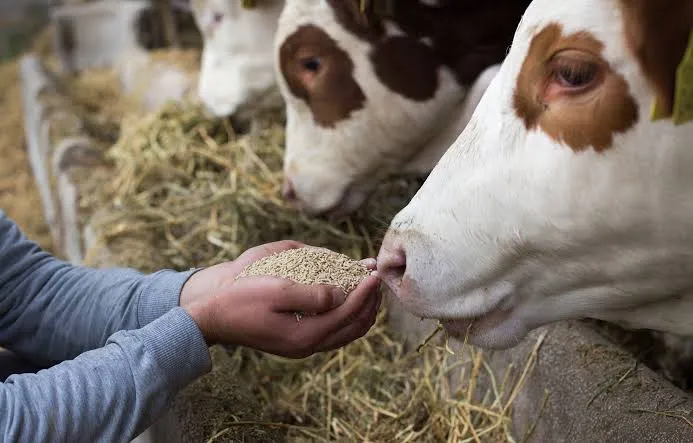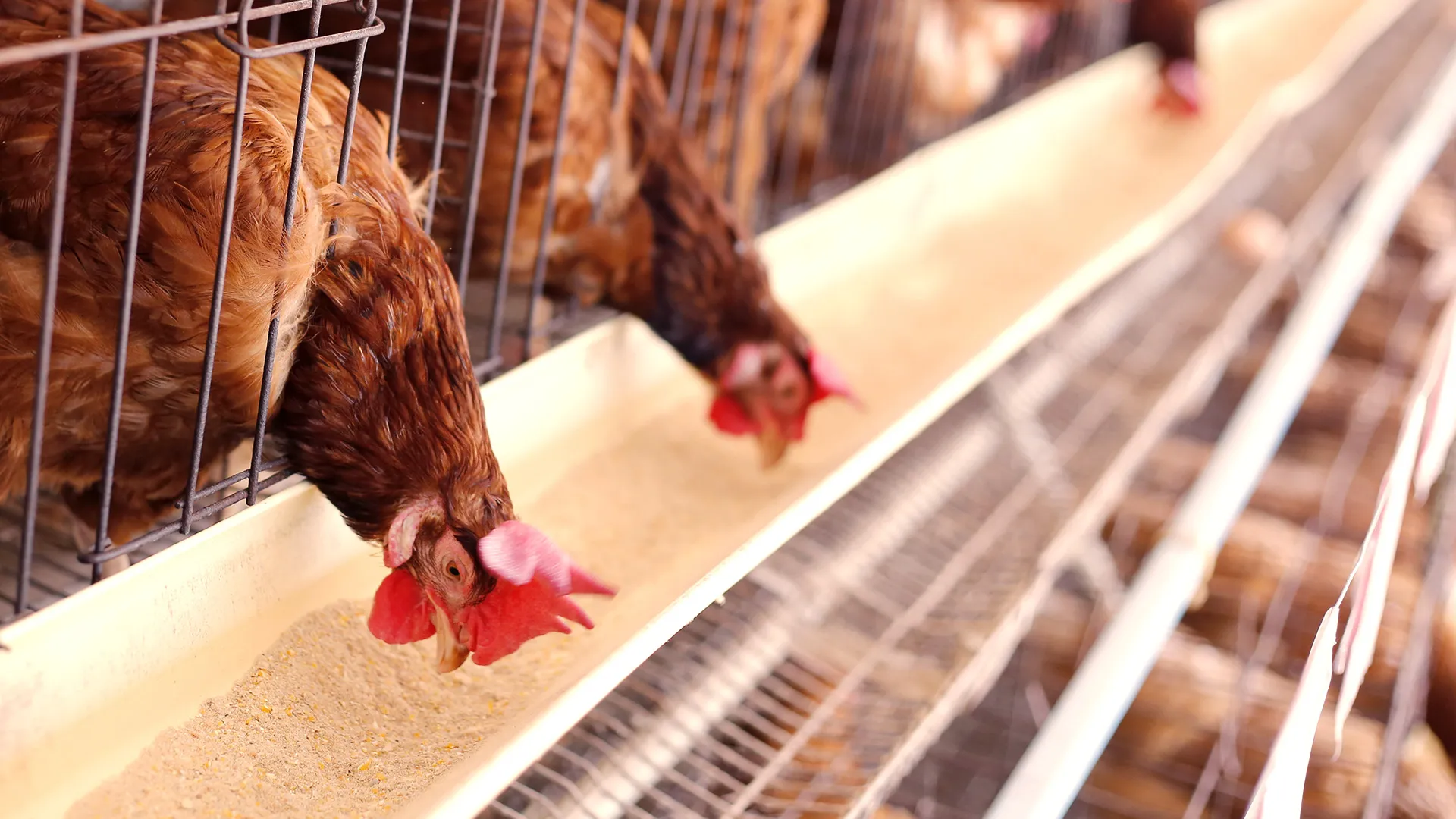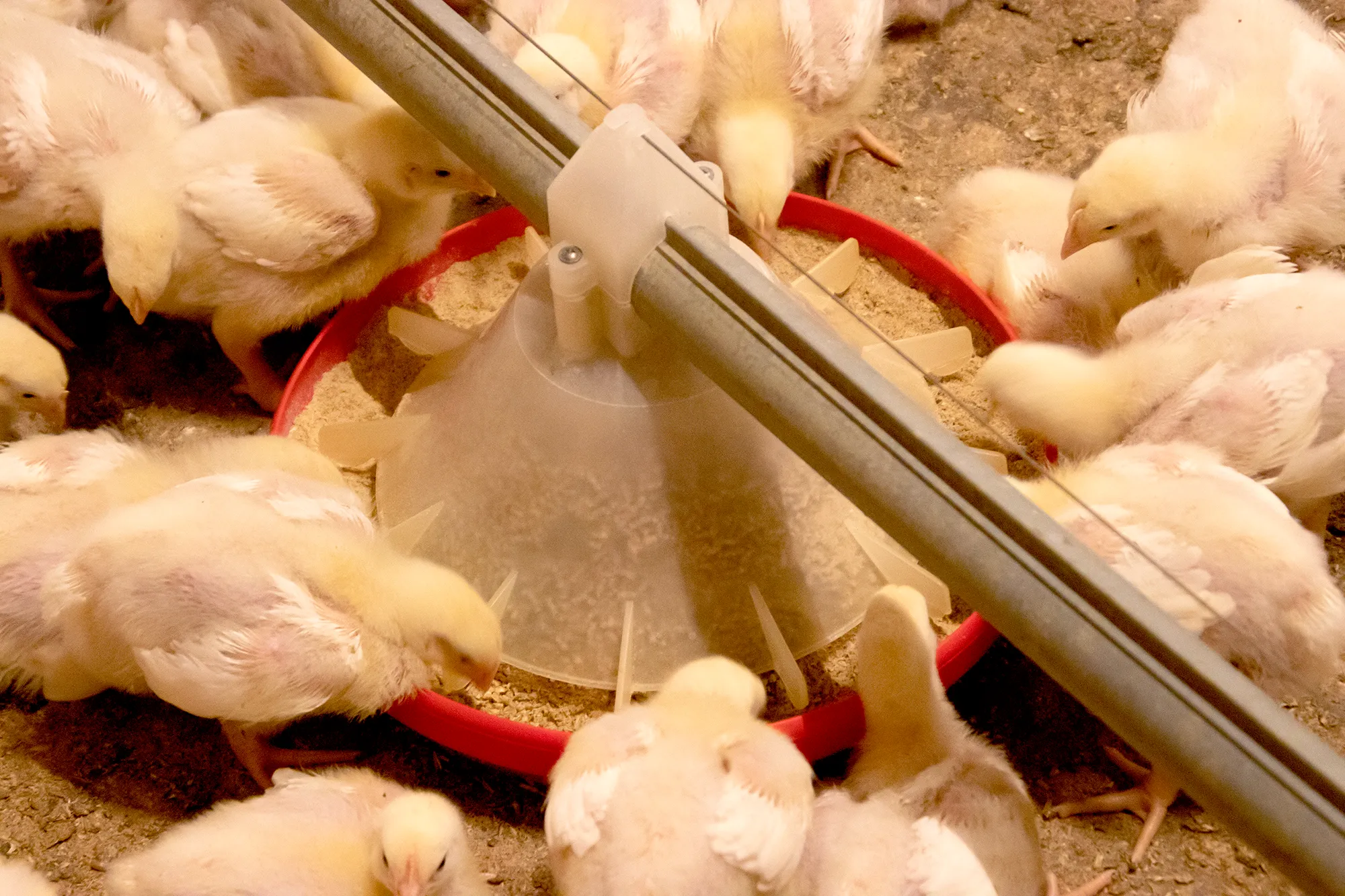
Start with the bird, not the feed formula. The threonine requirement of poultry is determined by matching the amino acid supply to the bird’s age, genetic potential, production stage, and performance target. A young broiler growing rapidly, for example, does not have the same threonine needs as an older bird, a laying hen, or a slow-growing chicken. Research also shows that estimated requirements can vary depending on whether the goal is maximum weight gain, feed efficiency, egg mass, or another production measure.
For practical feed formulation, nutritionists therefore consider digestible threonine, feed intake, dietary protein, lysine concentration, and the bird’s production phase rather than relying on one fixed value. Current commercial feeding recommendations also provide different threonine levels across age and production stages. Understanding how the Threonine Requirement of Poultry Determined changes with these factors can help formulate more precise diets while avoiding unnecessary amino acid supplementation. Keep reading to see how age, poultry type, genetics, and production goals shape the final dietary target.
Why Threonine Requirement Cannot Be Defined by a Single Number
There is no single threonine value that can meet the needs of every poultry bird. The amount required depends on several biological and nutritional factors, including bird type, age, genetic strain, growth rate, feed intake, and production target. A fast-growing broiler, for example, has a different amino acid demand from a laying hen producing eggs. Even birds of the same type may have different requirements when their age, genetics, or dietary conditions differ.
Research on laying hens has shown that published threonine requirements can vary according to factors such as age, breed, basal diet composition, and the performance criterion used to evaluate the response. This is one reason nutritionists should avoid treating a single research value as a universal recommendation.
Several factors should be considered when setting a practical threonine target:
- Bird type: broiler, layer, pullet, or breeder
- Age and production stage
- Genetic strain and expected performance
- Daily feed intake
- Digestible amino acid supply
- Dietary lysine concentration
- Production objective, such as weight gain, feed conversion, egg production, or egg mass
For this reason, the phrase Threonine Requirement of Poultry Determined should be understood as the outcome of a nutritional assessment rather than a fixed number taken from a general table.
In commercial feed production, these factors must be evaluated together. A reliable supplier such as Pishva Holding can help provide access to feed ingredients, but the inclusion level of a threonine product should ultimately be based on the nutritional specifications of the complete diet.
The practical lesson is straightforward: the correct threonine level is the one that meets the bird’s requirement at its particular stage without creating unnecessary excess.
What Makes Threonine an Essential Nutrient in Poultry Diets?
Threonine is an essential amino acid, which means poultry cannot synthesize enough of it to satisfy their requirements. It must therefore be supplied through the diet. Its role extends beyond supporting ordinary protein synthesis. Threonine is particularly important for the gastrointestinal tract because it contributes to the production of mucin and other proteins associated with intestinal structure and function.
Mucin forms part of the protective mucus layer covering the intestinal surface. This layer helps protect intestinal epithelial cells and supports the normal barrier function of the gut. Research has also linked threonine availability with immune-related functions and the synthesis of proteins involved in maintaining physiological processes.
This makes threonine particularly relevant when formulating diets for birds expected to maintain high growth or production performance.
However, more threonine does not automatically mean better performance. If the diet already supplies enough digestible threonine, additional supplementation may not produce a meaningful improvement. The goal is to achieve an appropriate amino acid balance rather than maximize the amount of one amino acid.
This is especially important in modern low-protein diets, where individual amino acids may need to be supplemented to maintain an adequate amino acid profile. Businesses using Specialized Import Services to source feed ingredients should therefore evaluate the nutritional specification and quality of each ingredient alongside its availability and cost.
Ultimately, threonine should be viewed as part of the complete amino acid system of the diet, not as an isolated additive.
How Do Researchers Actually Measure the Threonine Requirement of Poultry?
Researchers generally determine threonine requirements through controlled dose-response experiments. Instead of feeding every bird the same amount of threonine, they prepare several nutritionally comparable diets containing different threonine concentrations. Birds are then monitored to determine how their performance changes as dietary threonine increases.
The central question is not simply whether additional threonine improves performance. Researchers also need to identify the point at which increasing threonine produces little additional response. This point is used to estimate the requirement under the specific conditions of the experiment.
The response measured depends on the type of poultry and the objective of the study. Broiler experiments commonly examine growth and feed efficiency, while layer studies may focus on egg production and egg mass. Published research in laying hens demonstrates that estimated threonine requirements can change depending on the performance criterion and statistical model used.
Researchers may evaluate factors such as:
- Body weight gain
- Feed intake
- Feed conversion ratio
- Egg production
- Egg weight
- Egg mass
- Nitrogen utilization
- Other physiological or intestinal responses
Statistical models are then used to interpret the relationship between dietary threonine and the measured response. Broken-line models are commonly used in amino acid requirement research because they can estimate the point at which further supplementation provides little additional benefit. Quadratic and other dose-response models may also be applied.
The experimental diet must also be carefully controlled. If energy, lysine, protein quality, or another limiting nutrient changes between treatments, researchers cannot confidently attribute the observed performance difference to threonine alone.
This explains why the Threonine Requirement of Poultry Determined in one experiment should not automatically become a universal recommendation. The age, strain, diet composition, environmental conditions, and performance target all influence how the result should be interpreted.
When feed ingredients are imported for commercial use, Customs Clearance is one part of the procurement process. Nutritional evaluation remains equally important because the ingredient must meet the specification assumed during feed formulation.
Why Digestible Threonine Matters More Than Total Threonine in Modern Feed Formulation
Knowing the total amount of threonine in a feed does not necessarily tell you how much the bird can actually use. This is why modern poultry nutrition places considerable emphasis on digestible amino acid values.
Total threonine refers to the overall amount of the amino acid present in the feed. Digestible threonine takes the availability of that amino acid into account and therefore provides a more useful basis for precise formulation. Different feed ingredients can contain similar amounts of total threonine while differing in how much of that amino acid is available to the bird.
The distinction becomes particularly important when several raw materials are combined in one diet. A formulation based only on total amino acid content can overestimate or underestimate the bird’s actual supply.
The ideal protein concept is particularly useful here. Lysine is commonly used as a reference amino acid, while other essential amino acids are expressed as ratios relative to lysine. This allows nutritionists to adjust amino acid concentrations as the bird’s requirements change. Research on laying hens, for example, has evaluated digestible threonine requirements and Thr:Lys ratios in relation to production performance.
Digestible amino acid formulation is also valuable when reducing crude protein. Rather than maintaining a high protein concentration simply to provide sufficient essential amino acids, nutritionists can use suitable protein sources and supplemental amino acids to create a more precise profile.
Therefore, anyone looking to Buy L-Threonine for Livestock and Poultry Feed should look beyond the product’s name or total content. Purity, nutritional specification, digestibility assumptions, and the product’s contribution to the final amino acid balance all matter.
The objective is not to add as much threonine as possible. It is to provide enough available threonine to meet the bird’s physiological and production needs efficiently.
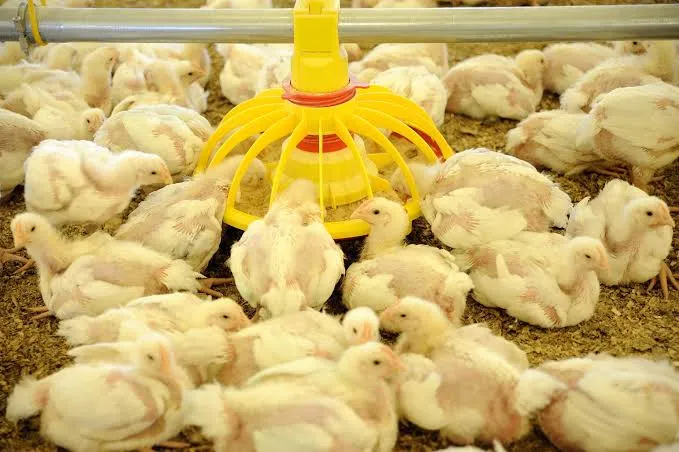
How Does Age Change the Threonine Requirement of Broilers?
A broiler’s threonine requirement changes as the bird grows. Young broilers have a rapid rate of tissue development and therefore need highly concentrated, well-balanced diets. As birds move from the starter phase into the grower and finisher phases, their body size, feed intake, growth rate, and nutrient requirements change. Commercial feeding programs consequently adjust amino acid concentrations across production phases rather than using one fixed level from placement to market.
Age, however, is only one part of the equation. Genetic potential, expected body weight, feed intake, dietary energy, and the balance of other amino acids can also influence the appropriate threonine target. Modern broiler nutrition recommendations therefore distinguish between different growth phases and provide phase-specific amino acid specifications.
A simplified approach to the three main phases is:
| Growth phase | Main nutritional priority | Threonine consideration |
| Starter | Rapid tissue development | High nutrient density and balanced amino acids |
| Grower | Continued lean growth | Adjust supply as body weight and feed intake increase |
| Finisher | Efficient weight gain | Maintain adequate supply without unnecessary excess |
One important point is that dietary concentration and daily intake are not the same thing. A later-phase diet may contain a lower percentage of threonine while the bird consumes substantially more feed. Consequently, the amount of threonine consumed each day can remain adequate even when the percentage in the diet declines.
This is why feed formulation should consider both the concentration of digestible threonine and expected feed intake. The nutritionist should also use recommendations appropriate for the specific broiler strain whenever reliable strain-specific data are available.
In other words, the Threonine Requirement of Poultry Determined during the starter phase should not simply be carried unchanged into the grower or finisher diet. The requirement must be reassessed as the bird’s biological needs and production objectives change.
That age-based approach helps maintain an appropriate amino acid supply while reducing the risk of unnecessary supplementation and avoidable feed costs.
Does the Ideal Threonine-to-Lysine Ratio Stay the Same as Birds Age?
The ideal threonine-to-lysine ratio is not necessarily a fixed value throughout a bird’s life. As birds grow, their protein deposition, feed intake, growth rate, and overall amino acid requirements change. For this reason, nutritionists should evaluate the digestible Thr:Lys ratio alongside age and production stage rather than applying one ratio to every diet.
Research in broilers illustrates why this matters. In one study, researchers evaluated digestible Thr:Lys ratios in male broilers from 21 to 35 and 35 to 49 days of age. The results suggested that a ratio around 0.68 supported growth performance across the tested periods, although the estimated requirement differed depending on the performance criterion and statistical model. Another study involving female broilers from 14 to 28 days reported Thr:Lys ratios of approximately 69% for weight gain and 70% for feed conversion.
These findings show why the Threonine Requirement of Poultry Determined should be interpreted in context. A practical formulation approach should consider:
- Bird age and production phase
- Genetic strain
- Digestible lysine concentration
- Expected feed intake
- Growth or production target
- Digestibility of the feed ingredients
The ideal protein concept makes this approach easier because lysine provides a reference point for balancing other essential amino acids. However, the appropriate ratio should come from reliable research or strain-specific feeding recommendations rather than from a universal percentage.
In practice, the goal is not to maximize the Thr:Lys ratio. It is to maintain enough digestible threonine relative to lysine to support the desired performance without creating an unnecessary amino acid surplus.
Why Broilers and Laying Hens Need Different Threonine Strategies
Broilers and laying hens have fundamentally different nutritional priorities, so their threonine strategies cannot simply be copied from one production system to the other. A broiler diet is primarily designed to support rapid growth, efficient protein deposition, and favorable feed conversion. A laying-hen diet must continuously supply nutrients for egg production, egg mass, maintenance, and body tissue turnover.
Threonine also has an important physiological role in the intestine because it contributes substantially to mucin production and is involved in immune-related protein synthesis. This makes adequate threonine important beyond its direct contribution to muscle protein.
The main differences can be summarized as follows:
| Factor | Broilers | Laying hens |
| Primary objective | Growth and feed efficiency | Egg production and egg mass |
| Key performance measures | Weight gain, FCR | Egg production, egg weight, egg mass, FCR |
| Major production phase | Rapid growth | Sustained egg production |
| Requirement expression | Often related to growth phase | Often related to daily intake and egg output |
| Formulation approach | Phase-specific | Production-stage and strain-specific |
For broilers, age and growth stage are particularly important. For layers, daily threonine intake becomes especially useful because egg production can remain high even as birds become older. Research on laying hens has found differences in threonine recommendations associated with breed, age, diet composition, and the parameter used to estimate the requirement.
This means a nutritionist should first identify the type of poultry being fed and then select the appropriate requirement data. The Threonine Requirement of Poultry Determined for a growing broiler should not be transferred directly to a laying-hen formulation.
The same principle applies to commercial feed additives: the appropriate product and inclusion rate depend on the complete nutritional specification of the intended diet.
How Is Threonine Requirement Determined in Laying Hens?
In laying hens, threonine requirements are commonly evaluated by measuring how different dietary levels affect productive performance. Researchers may provide several diets with graded threonine concentrations and then monitor egg production, egg weight, egg mass, feed intake, and feed conversion. The requirement is estimated from the point at which increasing dietary threonine produces little additional improvement in the selected response.
Egg mass is particularly useful because it combines egg production and egg weight into a single production measure. Feed conversion can also provide valuable information because a diet may support acceptable egg output while differing in the amount of feed required to produce that output.
Published research demonstrates considerable variation among laying-hen studies. A comprehensive review found that breed, age, basal diet composition, and the assessment method contributed to differences in amino acid recommendations. When studies were evaluated using FCR and egg mass, the review calculated an average digestible threonine requirement of approximately 486 mg per bird per day, although this should not be treated as a universal value for every flock.
For practical formulation, nutritionists should evaluate:
- Hen age and production stage
- Expected feed intake
- Egg production rate
- Egg weight and egg mass
- Digestible lysine intake
- Digestible threonine supply
- Breed or commercial strain
- Dietary protein and energy levels
Recent research also shows that threonine can become particularly relevant in reduced-protein layer diets. One study cited in a recent review found improved egg production, egg mass, and FCR in Lohmann Brown hens when L-threonine was supplemented within a low-protein diet, with performance reaching a plateau within the tested range.
Therefore, when the Threonine Requirement of Poultry Determined is being applied to laying hens, the final target should reflect both nutrient intake and the flock’s actual production objective.
How Do Breed, Genetics, and Poultry Type Shift Threonine Requirements?
Genetics can change how efficiently poultry use nutrients, which is why threonine recommendations should not be separated from the type and strain of bird being fed. Modern commercial poultry lines have been selected for specific production traits, including rapid growth in broilers and high egg output in layers. As productive potential changes, the nutritional program may also need to change.
Research in laying hens has found meaningful differences between published amino acid recommendations from different commercial breeds and breeder programs. A comprehensive review reported different digestible threonine recommendations for commercial strains such as Hy-Line W36, Hy-Line Brown, Lohmann Brown, and ISA Brown.
This does not mean that every strain requires a completely different amino acid profile. Rather, it shows that genetic potential and production objectives should be considered when selecting a recommendation.
For example:
- A high-yielding broiler may require a carefully balanced amino acid profile to support rapid lean tissue growth.
- A high-producing layer needs sufficient amino acids to sustain egg mass over an extended production cycle.
- Different layer strains may have different feed intake and egg production patterns.
Research has demonstrated this point in broilers as well. Studies have separately evaluated threonine requirements in male and female birds and found that estimated requirements can vary according to sex, age, performance criterion, and statistical approach.
Therefore, the Threonine Requirement of Poultry Determined from one genetic line should not automatically be transferred to another.
A practical hierarchy is useful when choosing data:
Specific strain recommendation → appropriate age/production stage → reliable research → general reference values
This approach gives the nutritionist a much stronger basis for formulation than relying on a single generalized amino acid table.
What Production Target Should Be Used to Set the Threonine Requirement?
The most useful threonine level depends partly on what you want the bird to achieve. There is a major difference between formulating a diet for maximum body weight gain, the best feed conversion ratio, maximum egg production, or maximum egg mass. Each target can produce a different estimate of the nutrient requirement.
In research trials, this is one reason threonine recommendations do not always match from one study to another. A level that maximizes weight gain may not be identical to the level that optimizes FCR. The same principle applies to laying hens, where egg production and egg mass can respond differently to changes in dietary amino acid supply.
A useful formulation framework is:
| Production target | Main response to monitor |
| Broiler growth | Body weight gain |
| Feed efficiency | Feed conversion ratio |
| Layer productivity | Egg production |
| Egg output | Egg mass |
| Overall flock efficiency | Feed intake + production performance |
For broilers, the target should be linked to the production phase. If the objective is rapid lean growth during the starter period, the diet must support that growth pattern. During later phases, the emphasis may shift toward efficient weight gain and feed utilization.
For laying hens, egg mass is particularly valuable because it accounts for both the number and size of eggs. Research has used egg mass and FCR to derive threonine recommendations, demonstrating how the selected production criterion can influence the final estimate.
This is why the Threonine Requirement of Poultry Determined should always be connected to a defined production goal. Before selecting a target, the nutritionist should ask:
What type of bird is being fed? What stage is it in? What performance level is expected? And which measurable response defines success?
Once those questions are answered, threonine can be balanced against lysine and the other essential amino acids more accurately. The result is a formulation based on the bird’s actual nutritional objective rather than an arbitrary threonine percentage.
How Feed Intake Changes the Amount of Threonine Birds Actually Receive
A feed’s threonine concentration does not tell the whole story. Daily feed intake determines how much threonine a bird actually consumes. This distinction is particularly important when formulating diets for laying hens, because two diets with the same threonine percentage can provide different daily amounts if birds consume different quantities of feed.
The basic calculation is straightforward:
Daily threonine intake = dietary threonine concentration × daily feed intake
For example, if a hen consumes 110 g of feed containing 0.45% digestible threonine, her daily intake is approximately 495 mg of digestible threonine. If feed intake falls to 95 g while the dietary concentration remains unchanged, daily threonine intake drops to about 428 mg.
This is why nutritionists should monitor both dietary concentration and actual feed consumption.
Several factors can change feed intake:
- Age and body weight
- Energy density of the diet
- Environmental temperature
- Health status
- Production level
- Feed form and physical quality
- Breed or genetic strain
Research in laying hens has reported threonine recommendations in terms of mg per bird per day, with a comprehensive review estimating average digestible threonine requirements of about 486 mg per bird per day based on FCR and egg mass. However, the same review emphasizes variation among breeds, ages, diets, and assessment methods.
Therefore, when the Threonine Requirement of Poultry Determined is applied to a commercial flock, feed intake should be checked before making major formulation changes. A decline in consumption may reduce amino acid intake even when the feed analysis itself has not changed.
The practical goal is to ensure that the bird receives enough digestible threonine per day, not simply to achieve a particular percentage on the feed label.
How Do Dietary Protein Levels Affect the Threonine Requirement?
Reducing crude protein can make threonine management more important. This does not mean that every low-protein diet automatically requires more threonine. Instead, lowering protein changes the overall amino acid profile of the diet, so nutritionists must carefully ensure that essential amino acid requirements are still met.
Modern low-protein formulation typically relies on supplemental amino acids to replace part of the protein contribution that would otherwise come from conventional protein ingredients. Research reviews have identified threonine as an important amino acid to consider when reducing dietary crude protein in poultry diets.
This becomes especially relevant because threonine has important functions in intestinal mucin production and immune-related processes. A recent review also identifies threonine as a key amino acid in poultry nutrition and reports performance responses to L-threonine supplementation in low-protein layer diets.
When reducing dietary protein, nutritionists should check:
| Factor | Why it matters |
| Digestible threonine | Ensures adequate available supply |
| Digestible lysine | Provides an important reference for amino acid balance |
| Methionine and cysteine | Prevents another amino acid from becoming limiting |
| Valine and isoleucine | Important in reduced-protein formulations |
| Energy concentration | Helps maintain feed intake and performance |
| Glycine and serine | May become relevant as protein levels are reduced |
The key is amino acid balance, not simply crude protein reduction. If protein is lowered without correcting limiting amino acids, growth, feed efficiency, or egg production can suffer.
Research on reduced-protein broiler diets shows that practical protein reduction is possible when essential amino acids are supplied appropriately, although the precise formulation depends on bird age, diet composition, and production conditions.
Consequently, the Threonine Requirement of Poultry Determined under a conventional high-protein diet should not automatically be transferred to a substantially different low-protein formulation. The entire amino acid profile needs to be reassessed.
When Should Nutritionists Increase Attention to Threonine Supply?
Threonine deserves closer attention whenever the diet or production environment creates a greater risk of an amino acid imbalance. It is particularly relevant when nutritionists are trying to reduce crude protein while maintaining performance. In these situations, the amount of intact protein supplied by conventional ingredients decreases, making precise amino acid formulation more important.
Threonine can also become more important when birds are expected to perform at a high level. Fast-growing broilers and highly productive layers have substantial demands for protein synthesis. In addition, threonine has an important role in intestinal mucin production and immune function, which means its significance extends beyond muscle or egg protein deposition.
Nutritionists should pay particular attention when:
- Crude protein is being reduced
- High-performing genetic strains are being used
- Feed intake is lower than expected
- The diet relies heavily on alternative protein ingredients
- Ingredient quality or digestibility changes
- Birds are under environmental or health stress
- Feed conversion or production begins to deteriorate
- The formulation is close to the minimum amino acid specification
Environmental and health conditions deserve particular care. A review of laying-hen nutrition notes that threonine is important for intestinal mucin and antibody production and suggests that requirements may increase under challenge conditions such as poor sanitation or chronic disease.
However, this does not mean that nutritionists should automatically increase threonine whenever birds experience stress. A better approach is to investigate the underlying problem, check feed intake and diet composition, and determine whether threonine is actually limiting.
The Threonine Requirement of Poultry Determined under normal conditions should therefore be treated as a starting point rather than an automatic prescription for every production environment.
The most reliable strategy is to combine laboratory feed analysis, flock performance data, expected feed intake, and appropriate strain-specific recommendations before making a change.
A Practical Framework for Calculating Threonine Requirements in Poultry Diets
Calculating a practical threonine target starts with the bird rather than the ingredient. The nutritionist first needs to identify the production category, age, expected feed intake, and performance objective. Only then should the appropriate digestible amino acid specification be selected.
A useful formulation sequence is:
Bird type → age → production goal → feed intake → digestible lysine → Thr:Lys ratio → ingredient contribution → supplemental threonine → final diet balance
Each step has a purpose.
First, identify whether the diet is intended for broilers, pullets, layers, or breeders. Next, determine the production phase and expected feed intake. Then select a reliable digestible lysine target and an appropriate digestible Thr:Lys ratio based on research or the relevant breeder’s recommendations.
The calculation can then be simplified as:
Digestible threonine requirement = digestible lysine target × appropriate Thr:Lys ratio
For example, if a formulation uses 1.00% digestible lysine and the selected digestible Thr:Lys ratio is 68%, the resulting digestible threonine target would be approximately 0.68%. The ratio itself should come from appropriate research or commercial specifications rather than being selected arbitrarily.
After establishing the target, the nutritionist should calculate how much digestible threonine is already supplied by the ingredients.
This approach is more reliable than simply adding a standard percentage of threonine to every diet. Research reviews also emphasize that age, breed, basal diet composition, and the assessment method can influence amino acid recommendations.
In other words, the Threonine Requirement of Poultry Determined for formulation should be calculated within the context of the entire diet.
How to Adjust Threonine Levels When Formulating Diets for Different Poultry Categories
Threonine formulation should change with the type of poultry because each category has a different biological and production objective. A broiler diet is designed primarily around growth and feed efficiency, while a layer diet must continuously support egg production and egg mass. Pullets have another priority: developing an appropriately sized and uniform bird before entering production.
A practical comparison looks like this:
| Poultry category | Main objective | Key factors for threonine formulation |
| Broilers | Rapid, efficient growth | Age, strain, body weight, FCR |
| Pullets | Controlled development | Age, growth rate, body weight, uniformity |
| Laying hens | Egg production and egg mass | Age, feed intake, egg output, strain |
| Breeders | Reproduction and body condition | Age, production stage, reproductive performance |
For broilers, threonine levels should generally be adjusted as birds move through starter, grower, and finisher phases. The formulation should reflect changing feed intake and growth requirements rather than maintaining one concentration throughout the production cycle.
For layers, daily intake becomes particularly important. Published breeder recommendations show that digestible threonine intake can differ among commercial strains, reinforcing the value of strain-specific feeding programs.
Pullets require a different approach because maximum growth is not necessarily the objective. Their diet should support appropriate skeletal and muscle development while avoiding excessive growth or poor flock uniformity.
Breeders also require careful control because reproductive performance and body condition become central considerations.
Therefore, the Threonine Requirement of Poultry Determined for one poultry category should not be copied directly into another. The formulation should be adjusted according to:
- Poultry category
- Age and production phase
- Genetic strain
- Feed intake
- Digestible lysine level
- Production objective
- Overall amino acid balance
The best formulation is not necessarily the one with the highest threonine concentration. It is the one that supplies an appropriate and digestible amount for the specific bird and production target, while keeping the entire diet nutritionally balanced and economically practical.
Common Mistakes When Setting Threonine Levels in Poultry Feed
Setting the right threonine level is not simply a matter of choosing a number from a feed formulation table. One of the most common mistakes is using a recommendation without checking whether it is expressed as total or digestible threonine. These values are not interchangeable because ingredient digestibility affects how much amino acid is actually available to the bird.
Another mistake is applying the same threonine concentration to every production stage. Broilers, pullets, layers, and breeders have different growth and production priorities. Even within one category, age, feed intake, genetics, and production level can change the appropriate target. Research on laying hens shows that published threonine recommendations vary with breed, age, basal diet, and the method used to determine the requirement.
Nutritionists should also avoid increasing threonine automatically when performance declines. Poor growth, reduced egg production, or feed efficiency can result from energy imbalance, inadequate lysine, poor ingredient quality, disease, heat stress, or other nutritional limitations.
Key mistakes to avoid include:
- Confusing total and digestible threonine
- Ignoring actual feed intake
- Copying values from another poultry category
- Looking at threonine without considering lysine
- Changing threonine without reviewing the complete amino acid profile
- Treating research values as universal commercial recommendations
A balanced formulation is more reliable than optimizing threonine in isolation.
Research Data vs. Commercial Feeding Guidelines: Which Should Nutritionists Follow?
Research studies and commercial feeding guides serve different purposes. Scientific trials help establish how birds respond to different threonine concentrations under controlled conditions. Commercial recommendations, on the other hand, are designed to help nutritionists formulate practical diets for a particular genetic line, production system, and performance target.
This distinction matters when interpreting data on the Threonine Requirement of Poultry Determined through research. A trial may identify a response under a specific combination of age, genetics, dietary energy, protein level, and feed intake. That result should not automatically become the target for every flock.
Commercial breeders such as Aviagen provide nutrition specifications and supplements specifically for their genetic programs. For example, the current Ross 308 resource library separates broiler and parent-stock nutrition specifications, reflecting the different nutritional objectives of these birds.
A practical hierarchy is:
| Information source | Best use |
| Peer-reviewed research | Understanding biological responses |
| Genetic company guidelines | Setting practical breed-specific targets |
| Feed analysis | Confirming actual nutrient supply |
| Farm performance data | Validating the formulation |
| Nutritionist judgment | Adjusting the diet to real conditions |
For layers, Hy-Line also emphasizes that nutrient recommendations should be interpreted according to the feeding system and ingredient composition, with digestible amino acid recommendations becoming particularly important when diets contain ingredients beyond conventional corn-soy formulations.
The best approach is therefore not to choose research or commercial data. Use both, then adapt the final target to the flock.
How to Choose the Right Threonine Target for a Real-World Poultry Diet
Choosing a threonine target should begin with the bird, not the ingredient. Before adding L-threonine to a formulation, the nutritionist should identify the poultry category, age, expected feed intake, production objective, and the digestible lysine level of the diet.
The relationship between threonine and lysine is especially useful because amino acids are generally formulated as a balanced profile rather than as isolated nutrients. Research in laying hens has reported digestible threonine requirements around 486 mg per bird per day when requirements were evaluated using feed conversion and egg mass. However, this is an average derived from different studies and should not be treated as a universal target.
A practical decision process is:
- Identify the genetic strain and production stage.
- Estimate realistic daily feed intake.
- Set the digestible lysine target.
- Select an appropriate digestible threonine-to-lysine ratio.
- Calculate the threonine supplied by the basal ingredients.
- Add supplemental L-threonine only when required.
- Check the complete amino acid balance before finalizing the diet.
For example, if a formulation uses a hypothetical digestible lysine target of 1.00% and a selected threonine-to-lysine ratio of 68%, the corresponding digestible threonine target would be approximately 0.68%. The exact ratio must come from the relevant bird type and feeding program rather than being applied universally.
This approach makes the Threonine Requirement of Poultry Determined from actual production conditions rather than from a single generic number.
What Should Be Monitored After Increasing or Reducing Dietary Threonine?
Changing dietary threonine should be treated as a formulation adjustment that needs follow-up. A higher inclusion level does not automatically guarantee better performance. Once the diet is introduced, the response of the flock should be monitored over an appropriate period and compared with the expected production targets.
For broilers, useful indicators include body weight gain, average daily gain, feed intake, feed conversion ratio, mortality, and carcass-related performance. In layers, egg production, egg mass, egg weight, feed intake, and feed conversion are particularly useful. These measurements help determine whether the new formulation is producing a meaningful response.
Nutritionists should also look beyond production figures. Threonine has an important role in intestinal mucin and immune-related functions, so intestinal health and flock condition can be relevant when evaluating dietary adequacy. However, these responses should be interpreted alongside the overall nutritional and health status of the flock rather than attributed automatically to threonine.
After changing the diet, monitor:
- Feed intake
- Body weight or egg production
- Feed conversion
- Egg mass and egg weight in layers
- Flock uniformity
- Mortality and general health
- Other essential amino acid levels
- Ingredient and feed quality
If performance does not improve, increasing threonine again may not be the correct solution. The limiting factor could instead be energy, lysine, another amino acid, feed intake, environmental stress, or flock health. The objective is to confirm adequacy and balance, not simply to maximize threonine concentration.
Final Takeaway: How the Threonine Requirement of Poultry Is Determined
There is no single threonine number that works for every poultry diet. The right target depends on the bird in front of you and what that bird is expected to produce. Age is one of the clearest factors: rapidly growing young broilers generally require more dietary threonine than older birds, while different poultry types can have substantially different requirements because their growth and production patterns are not the same.
The way the requirement is measured also matters. Research trials may identify a threonine level based on body weight gain, feed conversion, egg production, egg weight, or egg mass. As a result, two studies can produce different requirement estimates without either being incorrect. In laying hens, for example, published estimates have varied with age, breed, basal diet composition, and the statistical method used to evaluate the response.
For commercial formulation, the Threonine Requirement of Poultry Determined should therefore be viewed as a dynamic nutritional target. Feed formulators should consider poultry type, age, strain, expected feed intake, digestible amino acid supply, lysine level, and production objectives together. This approach produces a more reliable diet than simply applying a universal threonine percentage to every flock.
FAQ
- What is threonine used for in poultry?
Threonine is an essential amino acid involved in protein synthesis and is particularly important for intestinal mucin production and immune function. It is commonly considered one of the limiting amino acids in poultry diets.
- Is the threonine requirement the same for broilers and laying hens?
No. Requirements differ according to poultry type, age, genetics, feed intake, production objective, and diet composition. A value established for a broiler should not automatically be used for a laying hen.
- Should threonine be formulated on a total or digestible basis?
Digestible threonine is generally more useful for precision formulation because it accounts for differences in amino acid availability from feed ingredients. Commercial layer guidance, for example, distinguishes between total amino acid recommendations and standardized ileal digestible amino acid recommendations depending on the ingredients used.
- How is the threonine requirement of poultry determined?
Researchers can determine requirements by feeding birds diets containing graded levels of threonine and measuring responses such as weight gain, feed conversion, egg production, egg mass, or other physiological indicators. The estimated requirement depends on the response criterion and experimental conditions.
- Does a low-protein poultry diet always require more threonine?
Not necessarily. Reducing crude protein changes the amino acid balance of the diet and can make precise amino acid supplementation more important. Whether additional threonine is needed depends on the actual formulation, digestible amino acid supply, and production target.
- Can too much threonine reduce feed performance?
Adding more than the required amount does not necessarily improve performance. Amino acids need to remain balanced with energy and other essential amino acids. Excessive supplementation can also increase formulation costs without providing a corresponding production benefit.
- Why is feed intake important when calculating threonine requirements?
The bird receives nutrients through the feed it consumes. Therefore, the same dietary threonine percentage can provide very different daily threonine intakes when birds consume different amounts of feed.
- Should nutritionists follow research recommendations or breeder guidelines?
Both are useful. Research explains biological responses and helps establish nutritional principles, while breeder guidelines provide practical recommendations for specific genetic lines and production systems. Aviagen, for example, provides separate nutritional resources for Ross broilers and parent stock.
- Is there one universal threonine-to-lysine ratio for poultry?
No. The appropriate ratio can vary with species or type of poultry, age, genetics, diet composition, and the performance criterion used to establish the requirement. Published layer recommendations themselves show variation among different studies and feeding programs.