The truth is simple: caviar is expensive because it is rare, labor-intensive, and highly regulated. When asking, Why is Caviar so Expensive?, the answer lies in a combination of biology, craftsmanship, and market demand. True caviar comes from sturgeon, a slow-maturing fish that takes years to produce high-quality eggs. Each step, from careful breeding to hand-harvesting and delicate curing, requires skill, time, and precision.
Environmental regulations and sustainable farming practices further increase production costs, ensuring only the finest eggs reach the market. Beyond production, caviar holds a long-standing cultural and culinary prestige, making it a luxury food that symbolizes exclusivity and sophistication. Its nutritional value, rich in omega-3 fatty acids, proteins, and vitamins, adds another layer to its worth. Understanding these factors helps answer Why is Caviar so Expensive? and reveals that its price reflects more than just luxury—it’s about rarity, quality, and tradition. Read on to explore the details behind this prized delicacy.
What Is Real Caviar? Definition and Culinary Importance
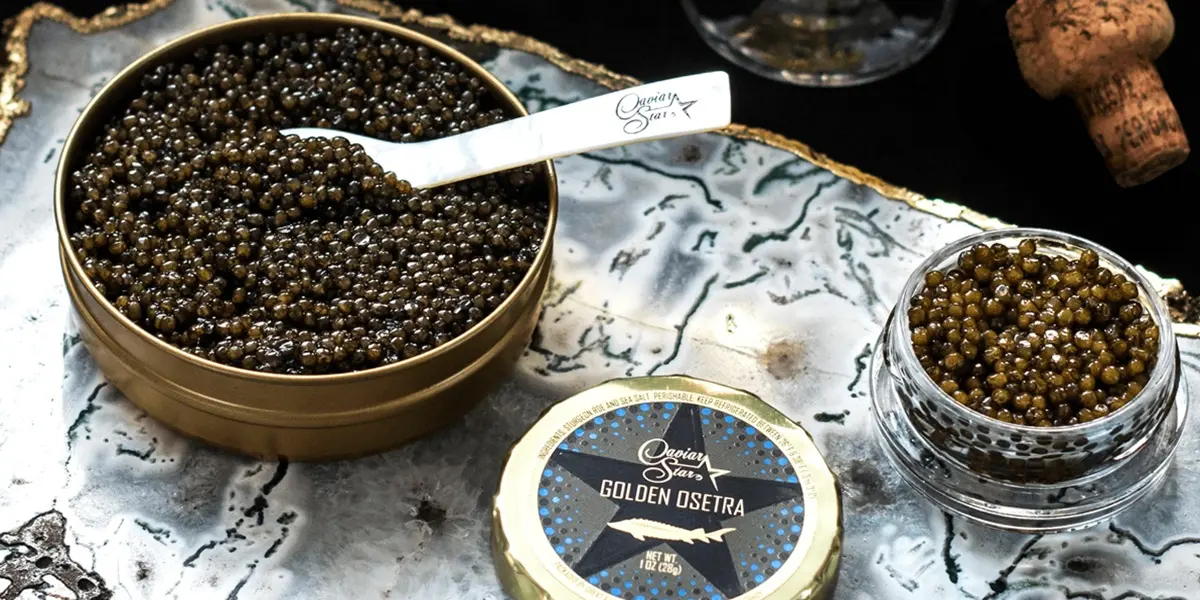
Real caviar is one of the most iconic luxury foods in the world, and understanding its definition is key when exploring Why is Caviar so Expensive?. At its core, authentic caviar consists of salt‑cured fish eggs (roe) from sturgeon, particularly those from the Acipenseridae family. Although many products on the market are labeled as “caviar,” strict culinary definitions specify that only sturgeon roe qualifies as true caviar — other fish eggs (such as salmon or trout) are technically roe or fish eggs but not genuine caviar.
One company that exemplifies premium quality within this category is Pishva Holding, known for its meticulous production standards and long‑term commitment to sustainable sturgeon aquaculture. Their sturgeon are raised in controlled environments, and the roe is carefully selected, salted, and matured to deliver a balanced flavor and texture that discerning chefs and luxury buyers expect.
Culturally and historically, caviar has long been associated with prestige. It has adorned royal tables for centuries and has developed a reputation as the “black gold” of gastronomy. This culinary prominence is reinforced by its use in haute cuisine and fine dining; renowned chefs often serve caviar as a statement ingredient due to its delicate texture and briny, nuanced flavor.
From a gastronomic standpoint, real caviar is appreciated not just for its taste but for its textural experience — the way the pearls gently burst with subtle saltiness and creamy undertones in the mouth. This sensory complexity adds another layer of value compared to simpler seafood products.
When you ask Why is Caviar so Expensive?, its definition and standing in culinary culture are essential starting points — without understanding what qualifies as real caviar and why it’s prized, the rest of its cost factors make little sense.

The Biology Behind the Cost: Why Sturgeon Matter
To understand Why is Caviar so Expensive?, you must first appreciate the unique biology behind the fish that produce it — sturgeon. Sturgeon are ancient fish species that have existed for millions of years, but this longevity comes with slow growth and late maturity, unlike many other seafood species. Certain sturgeon, especially those bred for high‑end caviar like Beluga, can take 15–20 years or more to reach reproductive maturity.
This slow maturation period means that farmers and producers must invest years of time and resources before a sturgeon is capable of producing the roe that becomes caviar. While other fish can be harvested for meat regularly within a few years, sturgeon represent a long‑term investment: they require clean water, stable temperature conditions, careful feeding, veterinary care, and space for decades before they yield a valuable product. This biological constraint is a foundational reason for the high price of caviar.
Another element of sturgeon biology that shapes cost is their infrequent spawning cycle. Some sturgeon species do not produce eggs annually — depending on species and conditions, it can take many years between significant roe production events. This rarity of supply, combined with the long wait for maturing fish, puts upward pressure on pricing.
Sturgeon species themselves also differ significantly in the amount and quality of eggs they produce. For example, Beluga sturgeon — considered the most prestigious producer of caviar — yields eggs that are larger, more delicate, and sought after by gourmets worldwide. Because these fish mature slowly and produce limited quantities of roe, Beluga caviar commands premium prices.
The endangered status of many sturgeon species has also influenced modern production. Once abundant in the wild, sturgeon populations drastically declined due to overfishing and habitat loss, leading to strict global conservation controls. Today, controlled aquaculture fills much of the demand, but the biological realities remain the same: slow growth, low yield, and labor‑intensive care all contribute directly to caviar’s high cost and limited availability.
How to Identify High-Quality Caviar
The Production Process: From Farm to Tin
The journey of caviar from sturgeon to the dining table is both intricate and resource‑intensive — a key part of the answer to Why is Caviar so Expensive?. Unlike many other foods, caviar production cannot be industrialized easily; it requires care, precision, and expertise every step of the way.
Sturgeon farming itself is an expensive enterprise. Facilities must maintain large tanks with pristine water quality, specialty filtration systems, and constant monitoring to mimic natural habitats. These systems are costly to build and sustain, especially when powered by redundancy measures to prevent environmental stresses on the fish. Additionally, feeding sturgeon for years before they mature requires ongoing expenses with specialist diets tailored to promote health and quality roe development.
Once the fish are ready, harvesting the roe involves skilled labor. Traditional methods involve carefully inspecting when eggs have reached ideal maturity — this window can be brief and requires expert timing. After extraction, the eggs undergo cleaning, de‑watering, and salting with the “malossol” technique, meaning “lightly salted” in Russian, which preserves delicate flavors without overpowering the natural umami profile.
A simple table summarizing key production stages and cost factors:
| Production Stage | Process Complexity | Cost Impact |
| Aquaculture setup | High capital and ongoing maintenance | High |
| Sturgeon growth (years) | Long maturation time | Very High |
| Harvest timing | Requires expert monitoring | Medium |
| Processing (sorting/salting) | Manual, skilled labor | High |
| Packaging & storage | Refrigeration/logistics | Medium |
Alongside these costs, modern sustainable methods — like no‑kill harvesting techniques — are growing in popularity. These approaches allow roe extraction without sacrificing the fish, but require even more specialized equipment and training, which can add to production expense.
The result is a product that’s both rare and carefully refined. When you consider all these labor‑intensive stages, it’s clear why the production process is a major component of Why is Caviar so Expensive? — each batch represents years of time, energy, and skill from caretakers, technicians, and artisans.
History of farmed caviar in Iran

Economics of Scarcity: Supply, Demand, and Market Forces
Understanding Why is Caviar so Expensive? isn’t complete without a look at the economics behind the delicacy. Like any valuable commodity, caviar’s price is determined by the balance between limited supply and persistent global demand, shaped by market forces and regulatory environments.
One primary driver of scarcity is the biology of sturgeon, which limits how much caviar can be produced in a given timeframe due to long maturation periods and low egg yield. When this biological scarcity intersects with heavy global demand — particularly from luxury markets, high‑end restaurants, and affluent private consumers — prices naturally increase.
Conservation efforts and environmental regulations also play a significant role in shaping the market. Historically, sturgeon populations were overfished across regions like the Caspian and Black Seas, prompting international protections and bans on wild harvests. These protective regulations, while vital for species survival, restrict supply and elevate the value of legally obtained caviar.
Moreover, international trade policies and quotas can influence pricing. Countries that produce caviar must comply with CITES (Convention on International Trade in Endangered Species) guidelines, meaning documentation, tracing, and controlled export limits add logistical and administrative costs that feed into final prices.
From the demand side, caviar is strongly associated with status and exclusivity. Restaurants that include premium caviar on their menus often position it at luxury price points, reinforcing its perception as a symbol of sophistication. Wealthier consumers, willing to pay for this symbolism and experience, further drive demand at the highest levels. Collectors and gourmet enthusiasts often seek out rare varieties (like top‑grade Beluga or Almas), creating competitive pricing dynamics.
In recent years, global aquaculture expansion — especially in countries with large sturgeon farms — has increased overall supply, slowly broadening access. However, elite caviar grades remain limited in quantity and continue to command premium pricing. Together, biological rarity, regulatory constraints, and persistent high demand explain why the economics of scarcity remain central to Why is Caviar so Expensive?.
How Much Does Caviar Actually Cost? Price Breakdown
When investigating Why is Caviar so Expensive?, one of the first questions most consumers ask is simply: how much does caviar cost? Prices vary widely depending on type, quality, origin, and grade. Let’s break down typical pricing tiers and the factors that influence them.
Price Overview by Caviar Type
| Caviar Type | Typical Price Range (per ounce) | Notes |
| Basic Sturgeon Caviar | $50–$150 | Often Siberian or hybrid caviar |
| Premium Osetra | $150–$400 | Noted for nutty flavor and medium eggs |
| High‑End Beluga | $400–$700+ | Beluga commands top prices globally |
| Ultra Rare / Almas | $1,000+ / ounce | Exceptional rarity and prestige |
Beluga caviar, derived from the Beluga sturgeon (Huso huso), consistently ranks among the most expensive types due to its large, delicate eggs and scarcity; this species is also critically endangered, making its roe especially rare.
Here’s why prices vary so widely:
- Species and rarity: Beluga usually costs more than other sturgeon varieties due to its slow maturation and limited availability.
- Grade and quality: Higher grades (often termed “Imperial” or “Royal”) indicate larger, firmer beads with superior flavor and command higher pricing.
- Origin: Caviar from traditional regions (e.g., Caspian Sea) often carries a price premium due to historical prestige and brand recognition.
- Processing and packaging: Manual processing, salt curing, and careful packaging add to production cost.
- Shipping and storage: Caviar requires temperature‑controlled transport to preserve quality.
While some lower‑grade products and roe alternatives (like salmon or trout eggs) can be significantly less expensive, true sturgeon caviar remains pricey even at its most basic levels. This pricing complexity is central to the question Why is Caviar so Expensive? — rare biological production, artisanal processing, and high global demand combine to keep prices elevated.
The price of beluga caviar in Iran
Value Beyond Luxury: Nutrition and Culinary Status
When asking Why is Caviar so Expensive? it’s easy to focus solely on production and market forces, but there’s also real nutritional and culinary value that contributes to its appeal and pricing. Unlike novelty luxury items that rely solely on status, caviar offers genuine benefits that help justify its premium positioning.
From a nutritional perspective, sturgeon caviar is rich in omega‑3 fatty acids, essential for heart and brain health. It also contains significant levels of high‑quality protein, B vitamins (including B12), selenium, and other micronutrients that contribute to overall wellness. These health benefits, while secondary to its culinary allure, add an additional layer of value for informed consumers seeking nutrient‑dense ingredients.
Caviar’s culinary status has been shaped over centuries. Far from a passing trend, it has been enjoyed by royalty, nobility, and gourmet chefs across civilizations. This historical legacy reinforces its perceived value — both as a sensory delight and as a symbol of refined taste. In fine dining settings, even small servings of caviar can elevate a dish, adding depth of flavor and a luxurious finishing touch that discerning diners appreciate.
Beyond taste and nutrition, caviar’s cultural cachet plays a role in its continued high price. Restaurants and retailers market it as a pinnacle gastronomic experience, and many consumers associate caviar with celebrations, exclusivity, and reward. This emotional and cultural resonance feeds demand and contributes to Why is Caviar so Expensive? by elevating its market stature well above ordinary food products.
Conclusion: Why Caviar Commands High Prices
Caviar’s high price is more than a marketing strategy—it’s a reflection of rarity, care, and heritage. From the moment a sturgeon is born, years of meticulous attention are required before its eggs can become premium caviar. Unlike common fish, sturgeon mature slowly, sometimes taking decades to produce roe suitable for consumption. Harvesting is a delicate process, often performed by hand, followed by precise salting and grading to preserve flavor, texture, and freshness. Regulatory protections for endangered sturgeon species and adherence to sustainable aquaculture standards further limit supply, naturally driving prices upward.
In addition, global demand for luxury foods has grown steadily, and caviar’s association with fine dining and exclusivity amplifies its market value. Nutritional benefits, including omega-3 fatty acids and essential vitamins, enhance its appeal beyond just taste and prestige. When you ask Why is Caviar so Expensive?, it’s clear that every aspect—from biology to craftsmanship, scarcity to global demand—contributes to its high cost. Understanding this not only explains the price but also helps appreciate caviar as an experience, not just a product. By learning the science, artistry, and economics behind it, readers can see why true caviar remains one of the most coveted delicacies worldwide.
FAQs
Q1: What makes caviar more expensive than other seafood?
Caviar is costly mainly because it comes from sturgeon, a slow‑growing fish that takes many years to mature and produce eggs. Combined with labor‑intensive processing, limited supply, and high global demand, these factors keep prices high.
Q2: Is Iranian caviar more expensive than other types?
Iran has a long tradition of producing some of the world’s most esteemed caviar. Certain Iranian brands and high‑grade varieties can command premium prices due to historical reputation, quality control, and unique regional characteristics in farming.
Q3: Why is Beluga caviar so expensive specifically?
Beluga caviar is prized for its large, delicate eggs and buttery taste. Beluga sturgeon mature slowly (often 15–20 years), and their endangered status further limits supply, making this variety one of the most expensive in the market.
Q4: How can I tell if caviar is high quality?
Look for indicators like How to Identify High‑Quality Caviar? such as uniform egg size, firm texture that “pops” gently in the mouth, glossy appearance, consistent color, and a clean, briny aroma without fishiness.
Q5: Why does processing affect the price of caviar?
Caviar processing includes sorting, salting, grading, and careful packaging to preserve flavor and texture. Each step requires skilled labor and quality control, which increases production costs and influences final price.