Unquestionably, the price of beluga caviar in Iran reflects a unique combination of rarity, quality, and global demand that makes it one of the world’s most sought‑after luxury foods. Iranian Beluga caviar is prized not only for its delicate texture and buttery flavor but also for the craftsmanship and tradition behind its production. As sturgeon species mature slowly and require careful aquaculture management, the cost of producing authentic Beluga caviar remains high.
Add to this the regulatory safeguards designed to protect endangered sturgeon populations, and you begin to understand why prices are elevated both domestically and internationally. For buyers, chefs, and collectors alike, knowing the factors that influence the price is key to making informed decisions. In Iran, where caviar traditions run deep, pricing is also affected by grading standards, export documentation, and currency fluctuations. If you want to understand how global markets and conservation efforts intersect with luxury culinary goods, read on for a detailed, expert perspective on this fascinating subject.
Why Beluga Caviar Commands Premium Prices
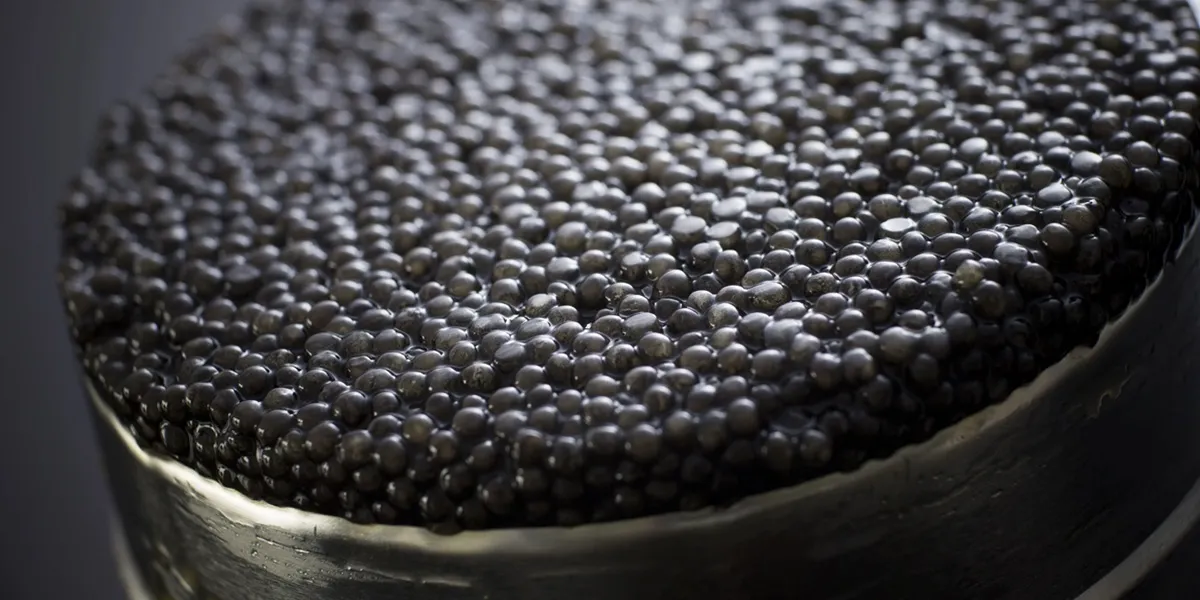
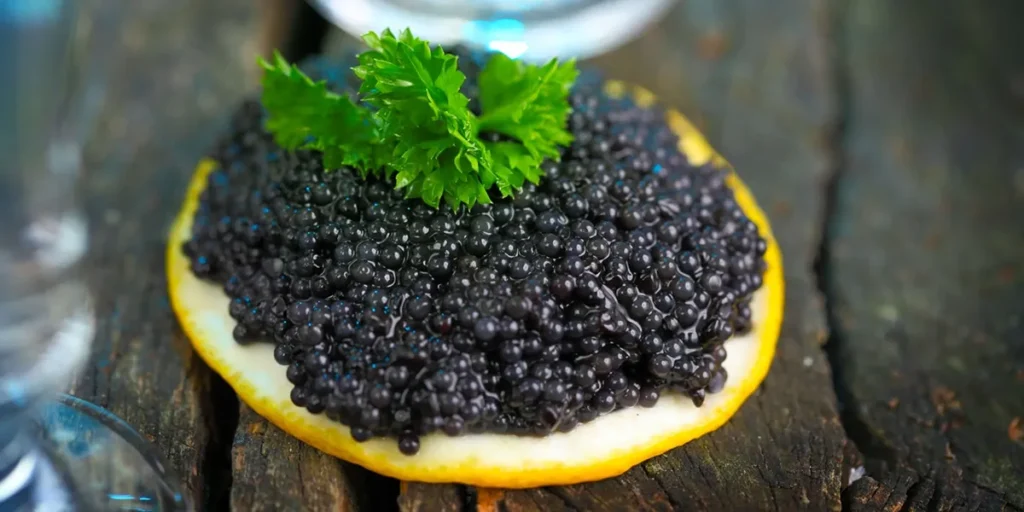
The price of beluga caviar in Iran sits at the pinnacle of luxury culinary goods largely because of the scarcity, craftsmanship, and historical prestige associated with this product. Beluga eggs — the prized roe from the Huso huso sturgeon — are regarded as among the most exceptional fish eggs in the world. These glossy, creamy‑textured Caviar Eggs are highly sought after in fine dining, global gastronomy, and collector markets. Iranian Beluga caviar, in particular, has a long legacy rooted in Caspian Sea fisheries and aquaculture. The size, color, and texture of Huso huso eggs contribute significantly to its valuation, with larger, lighter pearls often commanding higher prices on international markets.
Several key elements influence pricing:
- Slow maturation: Beluga sturgeon can take more than a decade to produce harvestable roe.
- Low yield: Each fish produces a limited quantity of eggs relative to species like salmon or trout.
- Processing expertise: Quality caviar requires careful salting and handling to preserve delicate flavor and integrity.
- Global demand: Luxury markets in Europe, the Middle East, and North America maintain high demand.
These combined factors mean that the price of beluga caviar in Iran reflects not just the cost of production but also the enduring value placed on rarity and taste. Whether enjoyed on its own or as part of haute cuisine, Iranian Beluga remains a symbol of culinary prestige and refined taste.
Current Market Prices and Price Ranges in 2025
Understanding The price of beluga caviar in Iran in 2025 requires context from both global and regional pricing data. International exporters and specialty markets list Iranian Beluga caviar at premium price points, reflecting its high quality and restricted supply. Recent pricing estimates for high‑grade Iranian Beluga caviar range widely because grading, packaging, and export conditions vary.
Typical Price Ranges
| Product Grade | Approx. Price (per kg) | Notes |
| Standard Iranian Beluga | €950–€1,300 | Traditional premium grade. |
| Farmed premium selection | ~€2,397 | Based on specific supplier listings. |
| Almas or rare variants | $25,000–$35,000 | Exceptional albino sturgeon caviar. |
Markets sometimes list small tin prices too. For example, a 50 g tin of Imperial Huso Huso caviar can cost several hundred euros — demonstrating how the price of beluga caviar in Iran scales with weight and quality.
Why Prices Vary
- Grade and size of eggs: Larger, more uniform eggs command higher prices.
- Export documentation and traceability: Certified products often cost more.
- Global exchange rates: Prices change with currency fluctuations.
- Supply conditions: Farmed caviar availability affects market supply.
Over time, further fluctuations in the price of beluga caviar in Iran will continue to reflect both sustainability pressures and luxury market demand.
How Regulatory and Trade Policies Shape the Price
Regulation plays a decisive role in The price of beluga caviar in Iran because sturgeon species are protected under international conservation agreements. Caviar traded globally must meet strict documentation standards, which influences both legal pricing and availability.
The Convention on International Trade in Endangered Species (CITES) governs the export of sturgeon caviar, requiring legally exported products to have proper certificates of origin and compliance with sustainability rules. These safeguards are intended to protect vulnerable wild sturgeon populations, particularly Beluga sturgeon in the Caspian Sea region. Because regulated production adheres to conservation guidelines, it increases transparency but also raises administrative costs that are reflected in final pricing.
In addition to international frameworks:
- Domestic regulations in Iran ensure that aquaculture efforts support sustainable harvests rather than overexploitation.
- Import tariffs and veterinary checks in destination countries add to logistical costs.
- Cold‑chain logistics and insurance for caviar shipments must meet quality standards, especially for delicate roe.
Trade and regulatory pressures also affect supply, with quotas and seasonal restrictions shaping how much caviar enters global markets annually. Authentication processes, such as traceability systems, further increase trust for buyers while contributing to cost. Ultimately, these regulatory layers ensure that the price of beluga caviar in Iran reflects not only market demand but also responsible management of a sensitive natural resource.
What Determines Beluga Caviar Quality and Price
When discussing The price of beluga caviar in Iran, quality grading is central to valuation. Buyers and chefs alike pay close attention to attributes that signal premium quality, as these factors directly influence perceived worth and price.
Key Quality Factors
Egg Size and Uniformity: Larger, consistent eggs generally indicate a higher grade and command higher prices on the market.
- Color and Appearance: Light to medium gray hues with glossy pearls often fetch better prices.
- Texture: Eggs should be firm yet tender, with a creamy mouthfeel that gently releases flavor.
- Flavor Profile: Balanced salinity and delicate undertones of ocean richness distinguish superior products.
Producers often use detailed grading systems, with top tiers fetching premium prices. For example, Imperial or “000” graded Beluga — representing the finest quality — typically sits at the higher end of the price spectrum for Iranian caviar. Quality evaluation is not merely subjective; accredited suppliers and exporters increasingly adopt traceability protocols that support grading decisions, helping international buyers trust the product.
Consumers often find that the price of beluga caviar in Iran aligns with sensory experiences: superior texture and flavor deliver greater culinary satisfaction, especially in fine dining settings. For collectors, export markets, and luxury restaurants, these quality indicators justify higher expenditure and support continued demand.
Practical Tips for Buyers and Investors
If you are considering purchasing the price of beluga caviar in Iran for culinary use, investment, or resale, understanding market dynamics and quality cues helps ensure value and satisfaction.
Buyer Checklist
Verify Authenticity: Always request documentation confirming origin and compliance with CITES guidelines.
- Grade Matters: Larger, more uniform eggs often indicate premium quality and justify higher prices.
- Storage and Handling: Proper refrigeration and handling preserve taste and texture.
- Reputation of Supplier: Choose established producers or exporters with positive market trust.
Investment Considerations
Long‑term scarcity supports premium pricing as wild stocks remain regulated and protected.
Farmed advances in aquaculture are increasing supply but may not dilute premium positioning for top grades.
Market trends show sustained interest in authentic luxury foods, supporting robust pricing over time.
Mordor Intelligence
By following these strategies, buyers can navigate the price of beluga caviar in Iran with confidence, ensuring they receive high‑quality products and make informed investments in a niche segment of the gourmet market.
Summary: Understanding the Price of Beluga Caviar in Iran
At its core, the price of beluga caviar in Iran is shaped by a blend of biological scarcity, market economics, and international regulation. Beluga sturgeon are slow‑growing fish, often taking more than a decade to reach harvestable maturity. This natural limitation on supply makes their roe rare and valuable. Iran’s long history with caviar production adds another layer of distinction, as traditional techniques and careful grading contribute to a reputation for exceptional quality.
Global conservation policies, particularly those enforced through agreements like CITES, require strict documentation and traceability for legally traded caviar. These measures protect wild populations but also increase production costs, which are reflected in market prices. Additionally, fluctuations in currency and export demand influence how the price of Beluga caviar in Iran is perceived by buyers abroad.
In practical terms, buyers must consider not just the price tag, but the authenticity, grade, and supply chain transparency of the caviar they purchase. Understanding these dynamics helps both enthusiasts and professionals appreciate why Iranian Beluga commands its premium position in the global luxury food market.
FAQs
1. What range does the price of Beluga caviar in Iran typically fall into?
Prices vary widely depending on grade and market conditions, generally from several thousand euros per kilogram for standard Beluga to much higher for rare Almas variations.
2. Why is Iranian Beluga considered expensive?
Because Beluga sturgeon grow slowly, yield limited roe, and are protected under international trade regulations, making their products rare and valuable.
3. What affects caviar pricing the most?
Quality grading, regulatory compliance, export documentation, and global demand all influence the final price.
4. Are there sustainable ways to buy Beluga caviar?
Yes. Look for suppliers with farm‑raised stocks and proper legal certifications to ensure ethical sourcing.
5. Is Beluga caviar a good investment?
Due to scarcity and luxury positioning, top‑grade Beluga caviar can maintain value, but it requires careful verification and quality assessment before investing.