The Iranian caviar price remains one of the most discussed topics for gourmets, chefs, and international buyers alike. If you’ve ever wondered why caviar from Iran commands such high value on the global market, you’re not alone. In 2026, Iranian caviar continues to be priced based on a combination of rarity, species quality, sustainable farming practices, and international demand — factors that together shape a market where prices can vary widely but reliably reflect product excellence. Whether you’re comparing Beluga, Ossetra, or Sevruga varieties, understanding the nuances behind the Iranian caviar price helps you make informed purchasing decisions, avoid overpriced products, and appreciate the culinary significance of each grade. From wholesale quotes to retail offers, this article will break down the key components that determine cost, and explain what influences price shifts year after year. Keep reading to explore expert insights into real market pricing and quality standards.
Introduction: Why Iranian Caviar Commands Attention
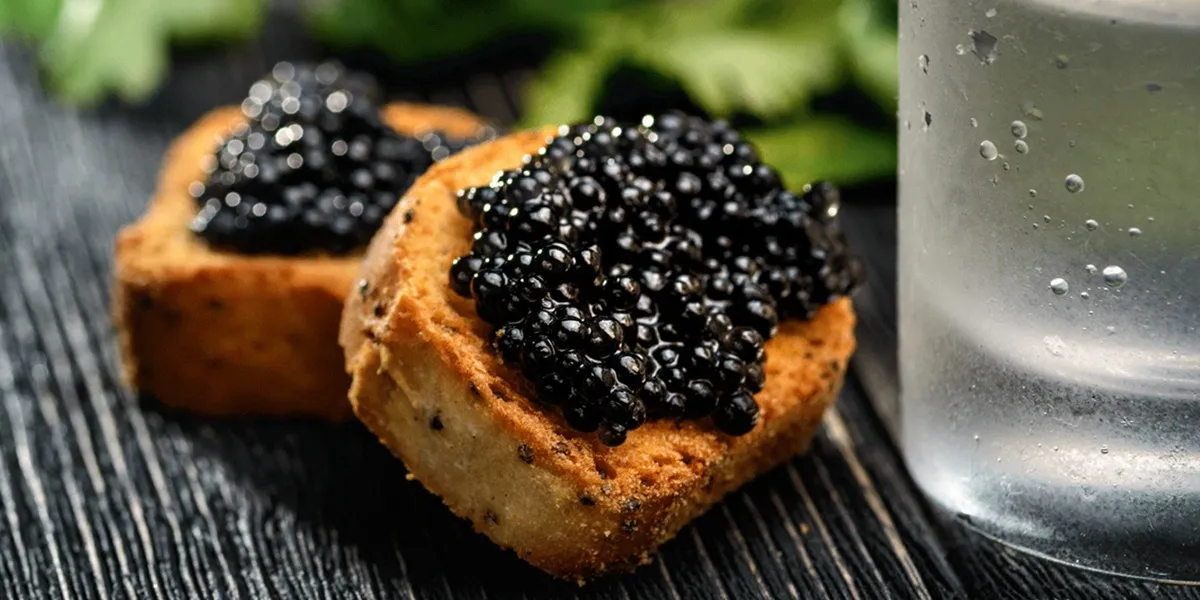
Iranian caviar has long stood at the pinnacle of luxury foods, prized for its nuanced flavors, exceptional texture, and cultural heritage. When seafood connoisseurs discuss premium roe, the topic of Iranian caviar price inevitably emerges because this product represents not just a delicacy but a global benchmark of quality. One of the most notable producers within this tradition is Caviar by Pishva Holding, a name that has gained respect for consistency in quality and rigorous standards. From upscale restaurants in Europe to private collectors in Asia and the Americas, Iranian caviar draws admiration and curiosity alike.
What makes Iranian sturgeon roe truly distinctive is its deep connection to the Caspian Sea. Centuries of refinement in harvesting and curing have shaped an identity that still influences modern markets. Appreciators often describe the taste as buttery with a subtle mineral finish — qualities that command both attention and higher Iranian caviar price tags.
Understanding why this caviar holds such esteem requires looking at production practices, species differences, and international demand. In the sections that follow, we will unpack what drives price, what buyers should expect, and how to make confident purchasing decisions. Continue reading to deepen your insight into one of the world’s most coveted delicacies.
Typical Price Ranges for Iranian Caviar in 2026
In 2026, tracking Iranian caviar price means acknowledging both wide variation and clear patterns. Internationally, price depends on quality grade, sturgeon species, packaging size, and the supply chain from source to consumer. Within Iran’s domestic market, prices typically reflect direct access to harvests and lower intermediary costs. For many buyers, understanding these ranges helps set expectations and comparison points.
For context, premium Iranian caviar often falls into the following approximate brackets:
| Product Type | Typical Price per Kilogram | Notes |
| Beluga (top grade) | $5,000–$8,000+ | Largest pearls, richest flavor |
| Ossetra | $3,000–$5,000 | Balanced flavor & texture |
| Sevruga | $2,000–$3,500 | Smaller pearls, more intense taste |
These figures represent rough international retail pricing and can vary based on origin certification, age of roe, and grade. Within Iran, local pricing structures may be slightly lower due to fewer export costs and direct supply dynamics.
When researching Iranian caviar price, consumers should also consider packaging size. Smaller tins (e.g., 30g, 50g) have higher per‑kilogram price equivalents but offer a practical entry point for new buyers.
Overall, while the figures above provide a reasonable snapshot of 2026 pricing, seasonal shifts and changes in trade policy can influence final retail tags. Savvy buyers will always compare current quotes from reputable vendors to ensure value and authenticity.
Price Breakdown by Caviar Type
Not all caviar is created equal, and understanding the differences helps clarify why Iranian caviar price can vary so widely. While Beluga often garners the highest price, there are meaningful distinctions between the main sturgeon types that inform both taste and cost.
Beluga
Beluga roe is synonymous with luxury. Its large, glossy pearls and delicate mouthfeel place it at the top of many price lists. The price of beluga caviar in Iran reflects these sensory qualities as well as its relative rarity. Collectors and fine dining establishments frequently seek out Beluga for special occasions.
Ossetra
Ossetra sits between the luxurious Beluga and the more abundant Sevruga. It offers a nuanced flavor profile with medium‑sized pearls and a refined brine balance. Buyers often describe it as the “best value” in premium caviar.
Sevruga
Sevruga pearls are smaller but deliver a more concentrated flavor. While generally lower in price than Beluga and Ossetra, high‑grade Sevruga can still command a significant Iranian caviar price, especially when sustainably sourced and properly graded.
Here’s a comparative sense:
| Caviar Type | Texture | Flavor | Typical Price Position |
| Beluga | Very smooth, large pearls | Mild, buttery | Highest |
| Ossetra | Medium pearls | Balanced, rich | Mid |
| Sevruga | Small pearls | Stronger, briny | Lower |
Quality grading systems, which assess size, color, and consistency, also influence price, making it essential to verify these details when comparing offers.
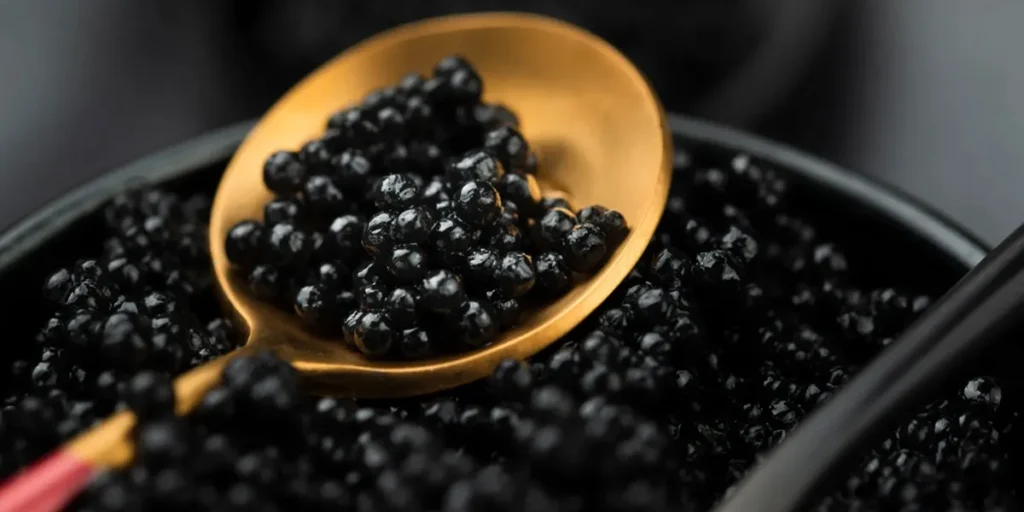
Key Factors Influencing Iranian Caviar Prices
Caviar pricing is not random; several fundamental forces shape Iranian caviar price at both domestic and international levels. These elements are rooted in biology, economics, and global seafood markets.
Biological Rarity and Farming Cycles
Sturgeon take many years to mature — in some cases, over a decade. This long biological timeline means fewer harvests and higher production costs. Sustainable aquaculture, which aims to avoid overfishing, further limits supply even as demand grows.
Species and Quality Grading
Different sturgeon species yield roe with distinct characteristics. Larger pearls from Beluga, for instance, are more labor‑intensive to handle and command higher prices. Quality grading systems assess size, color, and texture, all of which feed into the final Iranian caviar price.
Processing and Cold Chain Logistics
Once harvested, caviar requires careful handling, precise salting, and strict temperature control to maintain freshness. Investing in a reliable cold chain from farm to consumer adds cost, particularly for exports.
Regulations and International Trade
Export documentation, compliance with sustainability regulations, and shifting trade policies also shape market dynamics. These requirements protect sturgeon populations but can add administrative and financial layers to pricing.
Market Demand and Seasonal Trends
Luxury food markets can experience seasonal demand spikes — for instance, around holidays or major cultural events — which briefly elevate prices. Understanding these rhythms helps buyers anticipate shifts in Iranian caviar price.
By taking these factors into account, consumers gain a clearer perspective on why premium caviar costs what it does and how to evaluate value beyond face price tags.
History of farmed caviar in Iran
How Iranian Market Prices Differ from Global Listings
Comparing local Iranian prices with global retail listings sheds light on the real world of Iranian caviar price. Domestic markets often reflect factors that international buyers might overlook: proximity to source, fewer intermediaries, and different tax or subsidy frameworks.
In Iran, caviar prices may be more accessible because producers sell directly to local distributors or even consumers. This eliminates some layers of markup seen in export channels, which typically include freight, insurance, customs duties, and retailer margins. Internationally marketed tins carry those added costs — and often a premium for branding and packaging that appeals to luxury buyers.
Another differentiation lies in certification and documentation. Exported caviar usually comes with rigorous quality labels and traceability markers, which can justify a higher Iranian caviar price for confidence and compliance in foreign markets.
Here’s a simplified comparison:
| Market | Influences on Price | Typical Price Impact |
| Domestic Iranian | Direct supply, fewer intermediaries | Lower relative price |
| International | Logistics, certifications, luxury branding | Higher price |
Buyers outside Iran should consider both local price trends and the added value that comes from trusted global distribution networks. By factoring these differences into purchasing decisions, consumers can balance cost, authenticity, and assurance in quality.
Practical Tips for Buyers (Scientific & Market‑Driven)
Navigating Iranian caviar price decisions requires more than glancing at a number on a label. Smart buyers blend scientific awareness, market insight, and sensory expectations into their approach.
Understand Grading Systems
Caviar is graded by pearl size, color uniformity, and texture. Larger, uniformly colored pearls typically command higher prices because they indicate both quality and careful processing. Request grading details from suppliers.
Check Provenance and Documentation
Authenticity matters. Look for clear origin statements, species identification, and sustainability certifications. This protects both taste expectations and legal compliance.
Consider Package Size Ratios
Smaller tins often carry a higher price per kilogram but lower upfront cost. If you’re experimenting or gifting, smaller sizes can offer a reasonable entry point without compromising quality.
Account for Storage and Handling
Caviar requires consistent refrigeration from source to table. Confirm that vendors use appropriate cold‑chain logistics, as temperature fluctuations can degrade product and artificially lower quality.
Research Seasonal and Market Trends
Prices can shift with supply cycles, holidays, and trade policy changes. Comparing multiple offers over time gives you a clearer picture of reasonable Iranian caviar price ranges.
By applying these strategies, buyers make more confident and informed choices.
Conclusion: Understanding Real Value Beyond Price
In conclusion, the Iranian caviar price reflects far more than simple supply and demand — it embodies centuries of culinary tradition, meticulous aquaculture, and strict quality grading. Understanding the cost of Iranian caviar means appreciating how species type, farming methods, and global market forces intersect. Beluga caviar, for example, typically ranks at the top of international price lists due to its large, smooth pearls and rich flavor profile. Ossetra and Sevruga follow closely, offering different taste experiences and price points that suit a range of connoisseurs and professional buyers.
Beyond the species, factors like controlled harvesting practices, cold‑chain logistics, and sustainable development policies also contribute to the Iranian caviar price. These elements ensure that every tin reaching your table maintains peak freshness and ethical sourcing standards. Buyers should always consider provenance, grading certifications, and market trends rather than focusing solely on price tags. While costs may shift over time, the underlying value of authentic Iranian caviar remains strong in both culinary and cultural contexts. By grounding your knowledge in these core principles, you’ll be better equipped to assess prices confidently and enjoy the true luxury that Iranian caviar offers.
FAQs
1: Why is Iranian caviar generally more expensive than other types of fish roe?
Iranian caviar comes predominantly from long‑maturing sturgeon species with complex farming and harvesting processes, which increase production costs and contribute to higher Iranian caviar price.
2: Does the price guarantee better taste?
Not always. While higher grades often offer refined texture and flavor, personal preference and proper handling also influence enjoyment.
3: How should I store caviar after purchase?
Keep caviar refrigerated between –2°C and +2°C and consume soon after opening for best flavor.
4: Are prices fixed year‑round?
No. Seasonal demand, supply changes, and international trade conditions can shift Iranian caviar price over time.