Smuggled caviar in Iran refers to sturgeon roe that enters or leaves the country outside the legal, regulated channels designed to protect both consumers and fragile fish populations. This phrase has gained global attention because Iran sits at the heart of the Caspian Sea basin, historically one of the most important regions for high‑quality sturgeon caviar. However, overfishing and strict international conservation restrictions have limited legal harvesting, creating a black‑market demand for wild‑caught roe that bypasses official permits, documentation, and health inspections.
When roe is taken from wild sturgeon without authorization or transported without proper export licenses, it is considered smuggled — regardless of species. This underground trade undermines conservation efforts, threatens endangered sturgeon species, and exposes buyers to unsafe or mislabeled products. Understanding what smuggled caviar in Iran means helps consumers make informed choices and supports sustainable practices. Follow this article to explore the legal distinctions, environmental impact, and how you can recognize legally certified caviar versus illegal alternatives.
What Is Caviar and Why Is It Valuable?
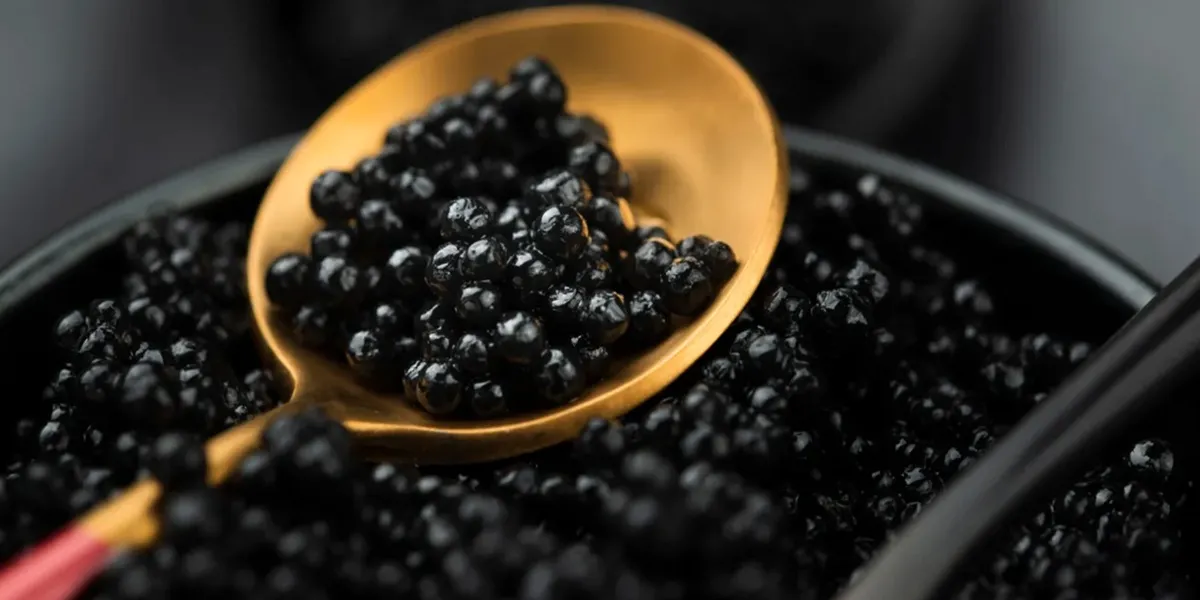
Caviar is the salted roe (fish eggs) traditionally harvested from sturgeon species, prized for its delicate texture, rich flavor, and cultural prestige. Among the various producers worldwide, Iran has historically stood out due to the high quality of roe coming from the Caspian Sea. Companies like Pishva Holding have worked to standardize legal production and distribution, emphasizing traceability and responsible aquaculture practices. High‑grade caviar often commands premium prices because sturgeon reach maturity slowly — some species require more than a decade before they produce eggs suitable for harvest. This slow lifecycle contributes to scarcity, which in turn elevates retail value.
The term Caviar Eggs generally refers to the edible roe itself, available in a range of grades based on size, color, and flavor intensity. In the context of smuggled caviar in Iran, value increases considerably because illegal goods often falsely claim superior origin or grade without regulatory oversight. Authentic caviar, whether from legal Iranian producers or foreign farms, must comply with local and international certification standards, including CITES documentation for export. Understanding genuine quality markers — such as uniform grain, glossy texture, and appropriate salting — helps buyers avoid counterfeit or illegally sourced products. When you purchase certified caviar, you support conservation efforts and ethical seafood markets.
Defining “Smuggled Caviar” in the Iranian Context
In Iran, the phrase smuggled caviar in Iran refers to sturgeon roe that is obtained, transported, or sold outside the country’s regulated legal framework. The Iranian government enforces strict policies on caviar harvesting to protect sturgeon populations and ensure quality control. Only licensed farms and processing facilities are permitted to cultivate, harvest, and export roe. Despite these regulations, illegal trade persists, driven by high global demand and the allure of premium prices. Wild sturgeon catch remains a primary source of contraband, as it bypasses the necessary permits and documentation that define legal commerce.
To understand this better, think of a simple distinction: legal caviar is fully documented with health certificates, fisheries permits, and CITES export approval; smuggled caviar is not. Illegal traders may move product through unmonitored channels, often mislabeling or falsely stating origin to deceive buyers. This behavior directly undermines responsible producers who follow official standards, such as proper handling and storage, ensuring safety and traceability.
Below is a comparison of legal vs. smuggled caviar characteristics:
| Feature | Legal Caviar | Smuggled Caviar in Iran |
| Permits & Certification | ✔ Documented | ✘ None or forged |
| Origin Traceability | ✔ Clear | ✘ Obscured |
| Health Inspection | ✔ Passed | ✘ Unverified |
| Conservation Compliance | ✔ Yes | ✘ No |
Understanding these differences empowers consumers to make informed choices and avoid contributing to harmful illegal commerce.
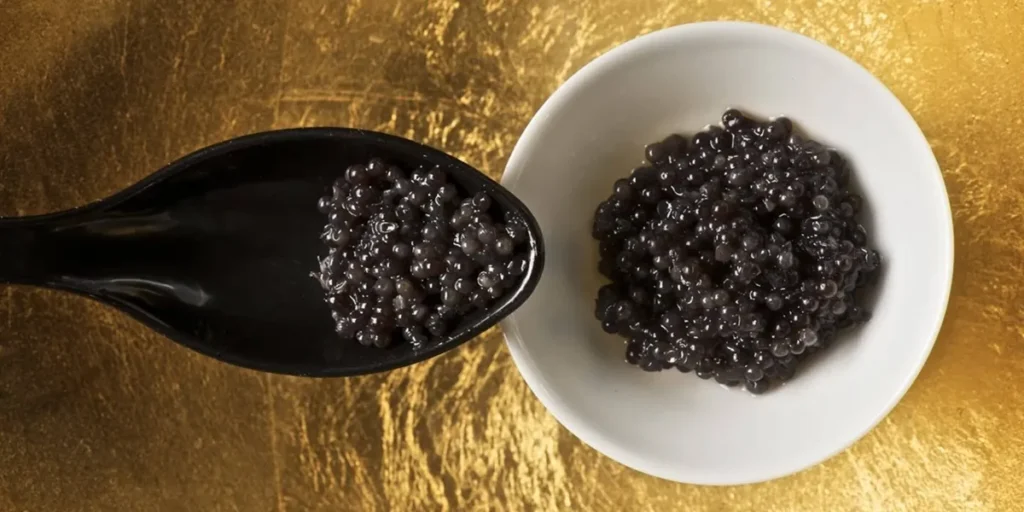
Why Is Wild Sturgeon Roe Smuggled?
The phenomenon of smuggled caviar in Iran is largely driven by economic incentives and limited legal supply. Wild sturgeon roe remains highly coveted globally because it carries a reputation for nuanced flavor and traditional prestige that many consumers favor. However, regulatory restrictions in Iran and international agreements protect wild sturgeon populations due to severe depletion from decades of overfishing. These protections mean that any capture of wild sturgeon for roe without explicit legal authority is prohibited. As a result, black‑market activity continues, with rogue operators attempting to profit from scarcity.
Illegal traders capitalize on several factors:
- High Demand and Price Premium: Wild roe, particularly from prized species, can fetch exponentially higher prices than controlled farm output.
- Long Maturation of Sturgeons: Sturgeon take many years to reach reproductive maturity, limiting how much legal harvest can be sustainably produced.
- Weak Enforcement in Remote Areas: Despite regulatory frameworks, enforcement on coastlines and waterways can be challenging.
Consider these realities when evaluating the presence of smuggled caviar in Iran. Conservation science, supported by international bodies like CITES, emphasizes that sturgeon stocks are fragile and require strict oversight. Illegal harvesting not only harms ecosystems but also exposes buyers to unregulated food products that may lack proper processing and safety checks.
The illegal trade undermines ethical producers and harms the long‑term sustainability of the entire industry. Understanding the root causes of smuggling helps inform policy, consumer choices, and global efforts to protect endangered species.
Types of Caviar Often Involved in Smuggling
When discussing smuggled caviar in Iran, certain sturgeon species are more frequently the focus of illegal trade due to their market value and rarity. The demand for true sturgeon roe remains strong in luxury markets, and without sufficient legal supply, smugglers attempt to fill the gap. Below is an overview of species typically implicated in contraband activity:
- Beluga (Huso huso): One of the most prized varieties; its size, buttery flavor, and scarcity make it a target for illicit harvesting.
- Osetra (Acipenser gueldenstaedtii): Valued for its firm texture and complex taste profile.
- Sevruga (Acipenser stellatus): Smaller eggs but rich flavor, often sought after in high‑end gastronomy.
Illegal operators may falsely label or blend roe to mimic these premium species, making it difficult for unsuspecting buyers to distinguish authenticity. The table below highlights common legal vs. illegal traits:
| Caviar Type | Legitimate Source | Often Found in Smuggling |
| Beluga | ✔ Certified farms | ✘ High risk |
| Osetra | ✔ Verified origin | ✘ Moderate risk |
| Sevruga | ✔ Traceable | ✘ Frequent mislabeling |
| Generic Fish Roe | ✔ Legal when labeled | ✘ Marketed as premium |
Even when roe comes from farms, if it lacks proper health certification or export paperwork, it may fall into the definition of smuggled caviar in Iran. Buyers should seek documentation that proves both species and origin. Legal producers, including reputable exporters, ensure that all regulatory and conservation safeguards are met.
How Smuggled Caviar Harms the Market and Environment
The existence of smuggled caviar in Iran poses significant threats not only to sturgeon populations but also to the entire seafood market and supply chain. From an ecological perspective, unauthorized harvesting of wild sturgeon accelerates species decline. These fish are long‑lived and reproduce slowly, making them especially vulnerable to overexploitation. Removing breeding adults disrupts natural reproduction, compounding conservation challenges and undermining recovery programs.
Environmentally, illegal extraction contributes to habitat degradation and reduces biodiversity. Sturgeon play a vital role in aquatic ecosystems; their decline alters food webs and water quality. Conservation programs supported by national and international organizations aim to restore stocks through regulated fishing, sustainable aquaculture, and scientific monitoring. Smuggling circumvents these efforts, jeopardizing long‑term species survival.
Market effects are equally concerning:
- Price Distortion: Black‑market caviar artificially inflates prices, making it harder for legitimate producers to compete.
- Brand Erosion: Authentic Iranian and global brands lose reputation when consumers unknowingly purchase illegal or substandard products.
- Food Safety Risks: Smuggled products often lack hygienic processing and health certifications, exposing buyers to potential contamination.
By understanding the impact of smuggled caviar in Iran, consumers and industry stakeholders are better equipped to support lawful practices. Demand for legally sourced, certified products helps ensure that sturgeon populations can thrive and that the global caviar market remains safe, transparent, and sustainable.
How to Identify Legal and Ethical Caviar
Determining the authenticity of caviar — and avoiding smuggled caviar in Iran — requires careful attention to several key markers. First, always examine documentation. Legitimate caviar comes with permits and certificates that trace origin, species, and processing history. Look for CITES export permits and health inspection seals; these confirm compliance with international conservation and food safety standards. Below is a practical checklist to help identify quality and ethical sourcing:
Identification Checklist:
- Clear species name and scientific classification
- Country of origin and processing facility listed
- CITES and health documentation included
- Uniform grain size and color
- Fresh, briny aroma without chemical notes
A reputable producer or distributor should readily provide this information. For example, well‑established suppliers with transparent supply chains distinguish themselves by offering detailed product sheets and verifiable traceability. If critical details are missing or the seller resists questions about origin, the product may be closer to smuggled caviar in Iran than a certified offering.
Understanding How to Identify High-Quality Caviar? encompasses both sensory and regulatory factors. High‑quality roe should have a distinct pop when eaten, a smooth, balanced flavor, and no bitterness. Packaging should be intact and clearly labeled, with dates and storage conditions visible. Ultimately, ethical sourcing supports sustainability, protects endangered species, and ensures that consumers enjoy a product that meets the highest standards of taste and safety.
Final Summary: What You Really Need to Know
Ultimately, the issue of smuggled caviar in Iran is rooted in legality, sustainability, and quality assurance. At its core, smuggled caviar in Iran is not defined by a particular species alone, but by how the roe is obtained and distributed. When roe is taken from wild sturgeon without proper permits or moved through unofficial channels, the product enters a black market that harms both the environment and consumers. This illegal trade often targets valuable sturgeon species whose populations are already under pressure from decades of overfishing and habitat decline. Legal caviar, by contrast, comes from certified farms or regulated harvests that meet national and international standards for health, traceability, and conservation.
From an economic perspective, smuggled caviar in Iran disrupts legitimate producers and diminishes the reputation of authentic Iranian caviar on the global stage. Environmentally, it accelerates the depletion of wild sturgeon stock, undermining efforts to recover endangered species. For consumers and importers, distinguishing between legal and illegal caviar means looking for proper documentation, labeling, and adherence to export regulations. By understanding these differences and the true meaning of smuggled caviar in Iran, you can support ethical sourcing and protect both ecological and culinary heritage.
FAQs
1: What does the term “smuggled caviar in Iran” mean?
It refers to sturgeon roe traded or transported without proper licensing, documentation, or regulatory oversight.
2: Is all Iranian caviar illegal?
No. Only caviar traded outside legal regulations and certification is considered smuggled.
3: How can I tell if caviar is legally sourced?
Check for species name, origin, CITES permits, health certificates, and clear labeling.
4: Why is wild sturgeon roe often smuggled?
High market value and limited legal supply make wild roe attractive to illicit traders.
5: Does smuggled caviar pose safety risks?
Yes. Without proper processing and inspection, there is higher risk of contamination.