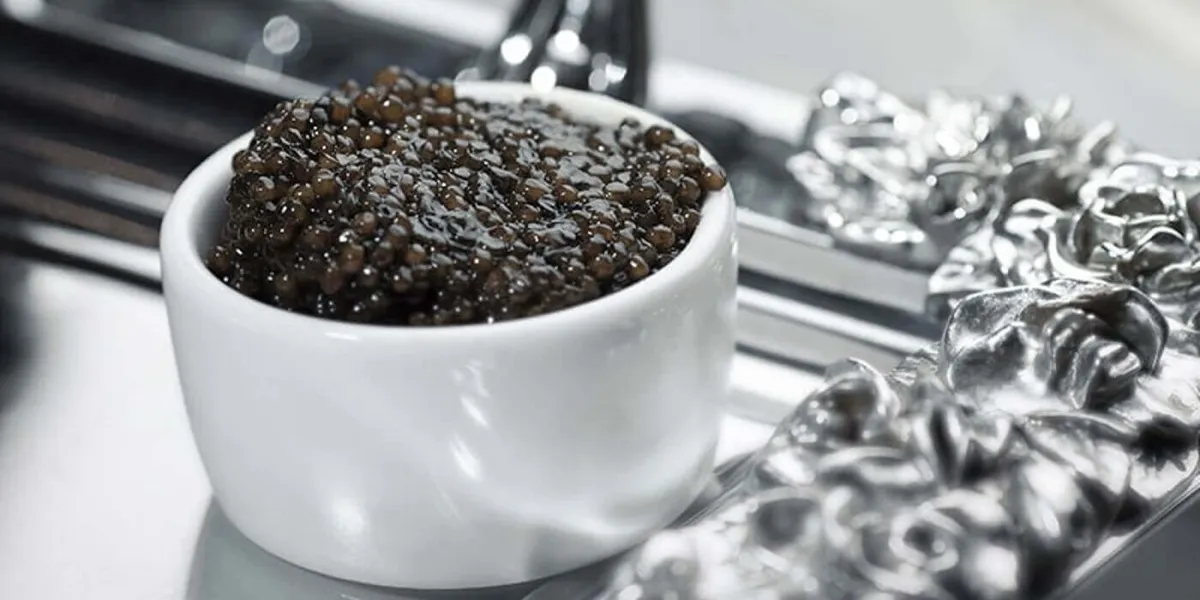
Freshness begins the moment you open the tin. Caviar Storage After Opening is not just about refrigeration—it is about precision. Once exposed to air, caviar immediately starts to lose its delicate balance of texture, aroma, and flavor. The clock begins ticking, and how you handle those first few minutes determines whether you enjoy pristine, glossy pearls or a dull, compromised product the next day.
Proper Caviar Storage After Opening means maintaining a near-freezing temperature (28°F to 32°F / –2°C to 0°C), limiting oxygen exposure, and preventing contamination from metal utensils or strong food odors. Even minor temperature fluctuations inside a standard refrigerator can accelerate oxidation and soften the roe. That’s why placement, sealing technique, and serving method matter more than most people realize.
If you’ve invested in premium caviar, protecting its freshness is essential—not optional. Continue reading to discover practical, science-backed strategies that preserve quality, extend usability, and ensure every spoonful tastes exactly as intended.
Why Proper Storage Matters: Understanding Caviar’s Fragility
Caviar is one of the most delicate food products in the world. When paying top dollar for roe — especially when comparing different caviar price per kilo — you want to protect that investment. Once a tin or jar is opened, tiny changes in temperature, light, and exposure to air can dramatically alter taste and texture. A single lapse in care can soften the pearls, intensify fishy notes, or flatten its rich, buttery flavor.
At its core, caviar’s fragility comes from its high content of unsaturated fats and delicate membranes that separate individual eggs. These natural features make the roe susceptible to oxidation and microbial degradation. Poor post‑opening storage accelerates these processes, turning what was once a symphony of briny finesse into a dull, unbalanced spread.
By understanding how easily caviar reacts to its environment, you can make smarter choices every time you open a tin. Proper Caviar Storage After Opening isn’t just a suggestion — it’s essential to preserve freshness, protect flavor complexity, and maximize the value of your purchase. In the following sections, you’ll find practical, science‑backed techniques to make every spoonful exceptional.
Ideal Refrigerator Conditions for Opened Caviar
Maintaining the right temperature after opening is the most critical part of Caviar Storage After Opening. The goal isn’t cold like ice cream, but consistently near‑freezing without freezing — typically in the range of 28°F to 32°F (–2°C to 0°C). These temperatures slow oxidation and microbial growth while preserving the distinct textural “pop” of the eggs.
One brand often used by connoisseurs for comparison is Caviar by Pishva Holding, known for rich, balanced roe that showcases how temperature control impacts quality. If poorly stored, even this high‑end product can lose nuances within hours.
Here’s what to keep in mind:
- Avoid fridge door storage: Temperatures fluctuate with every open/close.
- Place at the back: This part of the fridge stays coldest and most stable.
- Use a fridge thermometer: Not all built‑in displays are accurate.
- Don’t stack other foods on top: Air must circulate evenly around the container.
A stable, cold environment validates your efforts in Caviar Storage After Opening and preserves every nuance of flavor.
The Science Behind Freshness Loss After Opening
Once a container of caviar is opened, chemical and physical processes begin that reduce freshness. Understanding these mechanisms helps you prevent them. In scientific terms, oxidation and enzymatic activity are the two main factors that degrade quality. Oxygen exposure reacts with the unsaturated fatty acids in the eggs, turning subtle flavors into dull, sharp, or “off” notes. Microbial enzymes continue to break down proteins and lipids, softening the pearls and changing texture.
Brands like Caspian Caviar are prized for their rich, nuanced profiles — but they are also more vulnerable once exposed to air. Caviar Storage After Opening must focus on three fronts:
- Minimizing oxygen contact: Even a small air pocket speeds oxidation.
- Controlling temperature swings: Warm‑cool cycles promote enzymatic breakdown.
- Avoiding contamination: Metal utensils and strong odors can alter taste.
- Here’s a simplified view of the process:
- Air contact: Oxygen starts to oxidize oils.
- Texture change: Egg membranes weaken and break.
- Aroma shift: Fresh briny scent becomes stronger or unpleasant.
By addressing these scientifically understood mechanisms strategically, you not only preserve flavor but also retain the ideal mouthfeel that defines high‑quality roe. Smart Caviar Storage After Opening acknowledges what is happening at the molecular level and responds accordingly.
Step‑by‑Step: Best Practices for Storing Opened Caviar
To extend quality after opening, follow a consistent process rooted in both practical experience and scientific insight. Effective Caviar Storage After Opening hinges on minimizing air exposure, maintaining cold stability, and practicing gentle handling.
Step‑by‑Step Guidelines:
- Use non‑reactive containers: If transferring, choose glass or ceramic — never aluminum or reactive metal.
- Press cling film gently onto the surface: This reduces air pockets that accelerate oxidation.
- Seal tightly: If resealing the original tin, ensure the lid fits snugly. Alternatively, use an airtight container.
- Place at the coldest fridge spot: Consistent temperature is crucial.
Here’s a simple checklist:
- Work quickly once opened
- Avoid metal spoons
- Keep other strong‑smelling foods away
- Monitor refrigerator temperature
People often overlook the impact of handling. Every time the container is opened, fresh oxygen enters, and temperatures shift slightly. Reducing the number of times you access the caviar extends its peak freshness materially.
Finally, always serve quickly and return the remainder to the coldest spot. By structuring your approach around these clear steps, you protect aroma, texture, and flavor — the hallmarks of excellent Caviar Storage After Opening.
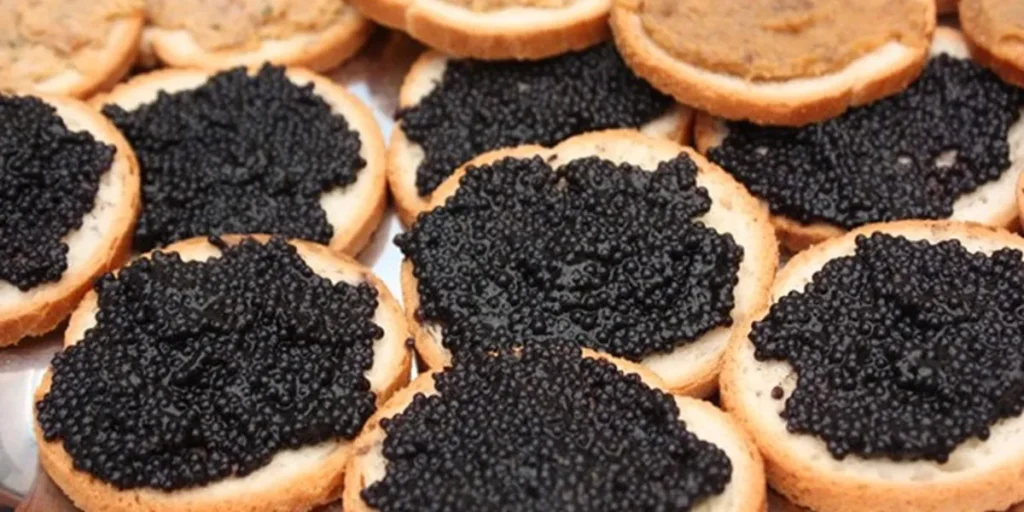
How Long Opened Caviar Stays Fresh
Once a package of caviar is opened, freshness exists in a narrow window. Even with ideal Caviar Storage After Opening, quality starts to diminish gradually due to exposure and natural biochemical processes. Most culinary experts agree that the optimal window for consumption is within 24 to 48 hours after opening. After this period, even if the roe appears acceptable, the subtle flavors and firm texture begin to soften and lose complexity.
A helpful rule of thumb:
- 0–24 hours: Peak quality — texture, aroma, and taste are at their best.
- 24–48 hours: Still good — minor decline may occur.
- Beyond 48 hours: Noticeable degradation — avoid if flavor is critical.
To compare practical expectations versus theory:
| Time After Opening | Quality Level | Notes |
| 0–24 hrs | Excellent | Ideal for serving |
| 24–48 hrs | Good | Texture begins softening |
| >48 hrs | Declining | Risk of off‑flavors |
The condition of storage — stable cold, minimal oxygen, and careful handling — determines where within this timeframe your caviar actually lands. Without proper Caviar Storage After Opening, even the first few hours can see noticeable loss. By following best practices, you preserve as much fresh aroma and texture as possible, allowing you to fully enjoy every spoonful before the window closes.
Recognizing When Opened Caviar Has Passed Its Peak
Caviar is highly perishable, and knowing when your opened caviar has passed its peak is crucial for both flavor and safety. Once a tin or jar is opened, oxidation and bacteria exposure accelerate. Key signs to watch for include:
- A change in aroma: Fresh caviar has a delicate, briny scent. A sour, overly fishy, or ammonia-like smell indicates spoilage.
- Texture changes: Eggs should remain firm and separate. If they become mushy, sticky, or break apart easily, it’s time to discard.
- Flavor deterioration: Even a slightly bitter or off taste is a warning. Caviar should have a clean, slightly nutty flavor.
- Color shifts: Darkening, dullness, or uneven tones can signal that caviar is no longer at its best.
- Practical tip: Always check the “use by” date and note the day you first opened the container.
Opened caviar generally lasts 2–3 days in the coldest part of the fridge (28–32°F / -2–0°C). Keeping it properly sealed in an airtight container can help maintain freshness a little longer, but sensory checks—smell, taste, and texture—remain the best guide.
Why Freezing After Opening Is Generally Not Recommended
While freezing is an effective preservation method for unopened caviar, freezing once it has been opened is usually discouraged. The delicate eggs are highly sensitive to temperature changes, and freezing can severely compromise quality. Here’s why:
- Texture degradation: Freezing causes ice crystals to form, which rupture the eggs, leaving them mushy upon thawing.
- Flavor loss: Subtle briny notes are diminished, and caviar may taste flat or metallic after thawing.
- Increased spoilage risk: Partial thawing in a fluctuating fridge can accelerate bacterial growth.
- Better alternatives for preserving opened caviar:
- Small portioning: Transfer what you plan to consume immediately to a smaller airtight container.
- Refrigeration: Keep opened caviar in the coldest part of the fridge, ideally a dedicated caviar box or a thermally insulated container.
- Consume quickly: Plan servings so that caviar is eaten within 2–3 days.
Storage Psychology: Buy Smart and Plan Portions
Proper caviar storage after opening is as much about strategy as it is about refrigeration. Planning how much to buy and portioning it correctly ensures both freshness and a better culinary experience. Key principles include:
- Buy in manageable quantities: If you know you’ll consume caviar over a weekend, avoid purchasing large tins that will sit open for days.
- Portion before opening: Transfer servings into smaller containers to reduce repeated exposure to air and temperature swings.
- Label and date: Always mark the day you opened the tin and set a “consume by” reminder.
- Mind your fridge layout: Store caviar in the coldest, most stable part of your refrigerator, away from the door.
- Practical tip: Treat caviar like fresh seafood. Just as you wouldn’t leave oysters or sashimi sitting open for days, the same careful attention applies here. Planning portions and purchase frequency not only preserves quality but reduces waste, ensuring every spoonful is as luxurious as intended.
Pro Tips from Culinary Professionals
Chefs and caviar experts share nuanced practices for ensuring the best caviar storage after opening. Here are some top pro tips:
- Use non-metal utensils: Metal can react with the eggs, altering flavor. Opt for mother-of-pearl, bone, or gold spoons.
- Maintain stable temperature: Sudden shifts in fridge temperature can damage caviar. Keep it at 28–32°F (-2–0°C).
- Serve in chilled dishes: Place your caviar tin on a bowl of ice during service to maintain optimum texture and flavor.
- Avoid overhandling: Only open your caviar when ready to serve. Continuous opening accelerates oxidation.
- Taste, don’t rely solely on dates: Even before the “use by” date, smell, texture, and taste are the best indicators of quality.
Culinary experts emphasize mindfulness: treat caviar as a perishable delicacy rather than a pantry item. Combining these techniques with smart purchase and portioning habits ensures you consistently enjoy the premium experience intended.
Final Thoughts: Mastering Caviar Storage After Opening for Peak Quality
Luxury demands discipline. Caviar Storage After Opening is ultimately about respecting the product’s fragility. Unlike many preserved foods, caviar does not improve with time once unsealed. Its delicate membranes, natural oils, and subtle brine are highly sensitive to oxygen and temperature variation. Even slight mishandling can flatten its flavor profile or alter its signature “pop.”
The most effective approach combines three essentials: consistent cold storage just above freezing, airtight resealing to minimize oxidation, and gentle handling with non-reactive utensils. Consuming opened caviar within 24 to 48 hours ensures optimal texture and aroma. Beyond that window, even if the product appears visually acceptable, quality steadily declines.
Thoughtful planning also plays a role. Buying appropriate portion sizes and avoiding unnecessary exposure can prevent waste while preserving the tasting experience. In the end, Caviar Storage After Opening is not about extending shelf life indefinitely—it’s about safeguarding excellence for the short time it naturally lasts. When handled with care and precision, every remaining pearl retains its brilliance, delivering the refined experience caviar is meant to offer.
FAQ
Q1: How long does opened caviar last in the fridge?
Typically, 2–3 days if stored in the coldest part of the fridge, properly sealed in an airtight container.
Q2: Can I freeze opened caviar?
It’s generally not recommended, as freezing damages the texture and reduces flavor.
Q3: What is the best utensil for caviar?
Non-metal utensils like mother-of-pearl, bone, or gold spoons prevent chemical reactions that can alter flavor.
Q4: How can I tell if my opened caviar has gone bad?
Look for changes in smell (sour or ammonia), texture (mushy or broken eggs), flavor (bitter or off), or color (dull or uneven).
Q5: How should I portion caviar to maintain freshness?
Divide into small servings before opening and consume each portion within 2–3 days. Keep unopened portions in the fridge or freezer until ready.