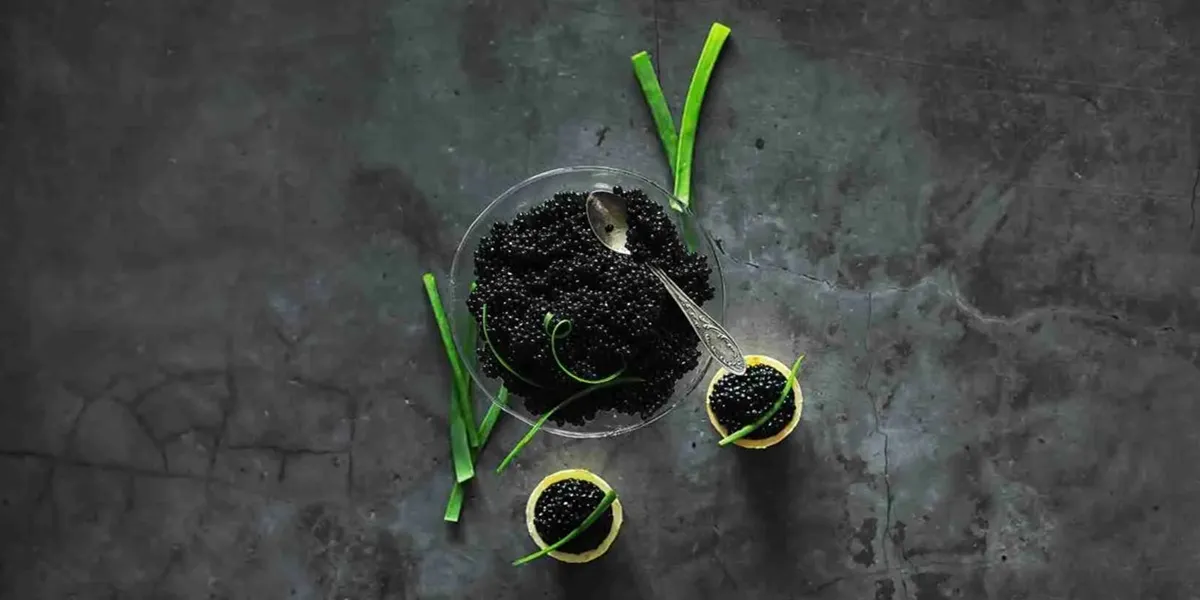
Traceability in Caviar Production guarantees that every tin on the shelf has a story — from the sturgeon in pristine waters to the carefully processed caviar in your hands. In a market where authenticity, quality, and sustainability are paramount, understanding the journey of caviar is no longer optional. Advanced traceability systems now combine genetic verification, digital logging, and blockchain technology to monitor sturgeon growth, roe harvesting, and processing. This ensures not only the highest quality product but also compliance with international regulations and ethical aquaculture standards. By tracking every step, producers can prevent fraud, protect endangered sturgeon species, and provide consumers with transparent, verifiable information. Whether you are a caviar connoisseur, a retailer, or an aquaculture professional, grasping traceability is essential for confident decision-making. In the following sections, we will explore the scientific, technological, and practical approaches that make Traceability in Caviar Production a cornerstone of modern luxury seafood. Keep reading to uncover the full journey from sturgeon to tin.
From Egg to Harvest: Understanding Sturgeon Biology and Lifecycle
The journey of caviar begins long before the eggs reach a tin. To build a meaningful system of Traceability in Caviar Production, one must first understand sturgeon biology and lifecycle. Sturgeon are ancient fish that can live over 50 years and take anywhere from 8 to 20+ years to mature enough for roe production. Their slow growth and sensitivity to environment make tracking each generation essential for sustainability and quality control.
Producers like Caviar by Pishva Holding invest heavily in species‑specific husbandry programs to ensure predictable growth and health. Each fish’s biological data — from genetic profile to movement through water systems — contributes to product traceability.
Key biological facts that influence traceability:
- Longevity: Long maturation periods require early data tagging
- Species diversity: Beluga, Osetra, Sevruga — each needs distinct tracking
- Environmental sensitivity: Water quality directly affects roe development
With this biological foundation, a trace system can connect early genetic data to the final harvest batch. Understanding lifecycle intricacies is not theoretical — it’s practical, measurable, and essential for authentic traceability.
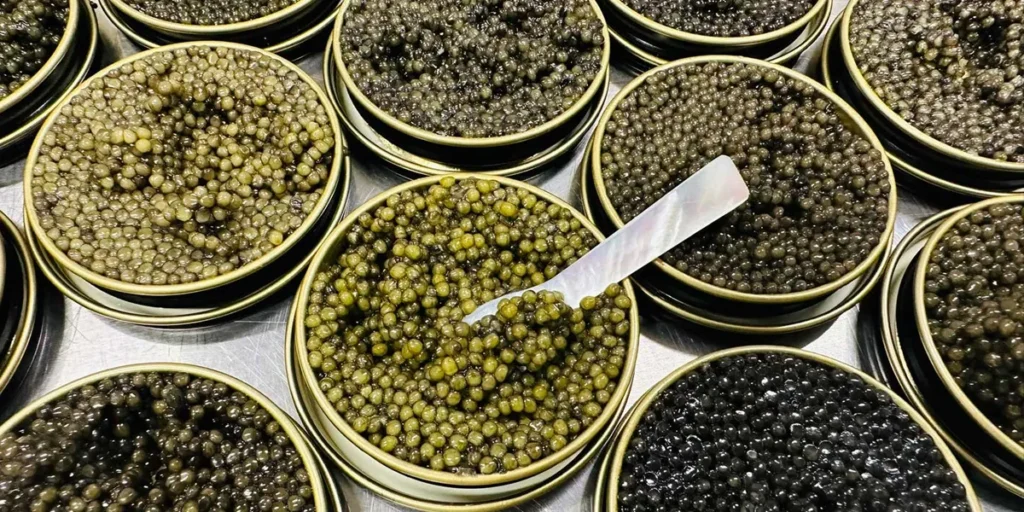
Hatchery Records: The First Link in Traceability
Effective Traceability in Caviar Production cannot begin at harvest; it starts in the hatchery. Hatcheries are where eggs become juveniles and genetic identity becomes official. Maintaining detailed hatchery records secures the first link in a product’s traceable life.
At the hatchery level, professionals document every variable that might influence future quality and authenticity. This includes water source and composition, fertilization date, family lineage, feeding schedules, and early growth rates. These records are often digital, timestamped, and anchored to unique identifiers assigned to each batch.
Producers track hatchery data in systems that allow later verification against processing logs and final sales codes. For example, when buyers seek assurance that premium roe is consistent with its labeled heritage, these hatchery records become the first checkpoint.
Important hatchery records include:
- Parentage verification
- Genetic tagging results
- Water quality and temperature history
- Feed type and timing
- Survival rates
Producers often use barcodes or QR codes linked to digital profiles created at this stage. These identifiers remain with the fish through grow‑out, harvest, and packaging. When customers open a tin labeled “Caviar Eggs — Premium Grade,” they can trace back to detailed hatchery documentation confirming authenticity, origins, and treatment from day one.
On‑Farm Monitoring: Digital Data That Guarantees Integrity
Once sturgeon leave the hatchery, effective on‑farm monitoring becomes the backbone of Traceability in Caviar Production. Farms act as living laboratories where every change in water, feed, behavior, and health translates into data that later connects to finished caviar.
Good farms implement digital monitoring systems that regularly capture readings like temperature, dissolved oxygen, pH, and ammonia levels. These variables are critical because sturgeon are highly responsive to water chemistry. When conditions fall outside optimal ranges, it not only impacts growth but also the quality of the eventual roe.
A practical example is tracking caviar serving temperature considerations long before harvest. Knowing how water temperatures influence fat deposition and development helps producers anticipate ideal harvest timing. This scientific insight becomes part of the traceability narrative.
Typical on‑farm monitoring components:
- Automated water sensors
- Feeding logs with timestamps
- Health checks and veterinarian reports
- Batch‑specific growth charts
- Environmental alerts
By continuously capturing and storing these datasets, producers can confidently connect conditions on the farm to outcomes in packaging. This level of precision not only enhances quality but also reassures buyers that the history of each tin is scientifically grounded and reliably documented.
Harvest and Grading: Securing the Caviar Origin
Harvest is a decisive moment in Traceability in Caviar Production. It signifies a transition from fish monitoring to product verification. At this stage, the focus shifts to ensuring that each batch’s identity remains intact and that the roe being collected meets strict standards before progressing through processing.
Harvest technicians record the exact time, conditions, and fish identification numbers for each extraction. This data is crucial because, at scale, caviar from hundreds of fish can easily blur without disciplined trace controls. After harvest, experts grade the roe based on established sensory and physical criteria: size, firmness, color, and aroma.
In many premium kitchens, exactly measured parameters influence how caviar is prepared later. Even culturally referenced dishes like Lemon Spaghetti with Caviar Recipe depend on consistent roe quality for balance of flavor. This culinary application underscores why grading and traceability go hand‑in‑hand.
Key elements of the harvest and grading process include:
- Individual fish ID tracking
- Environmental notes at moment of harvest
- Roe sorting by size and color
- Initial salting decisions
Recording this information creates a rich dataset that travels with the product. The result is a robust trace record that supports both quality assurance and brand credibility — reassuring buyers and chefs alike that what’s in the tin is accurately represented.

Processing: Protecting Quality and Trace Data
Processing transforms raw roe into the refined caviar consumers expect, but it also plays a critical role in maintaining Traceability in Caviar Production. This stage includes salting, blending, packing, and quality inspection before tins reach shelves.
During processing, precise documentation is essential. Producers capture salinity levels, salting duration, handling temperatures, and hygiene checks. These variables might seem operational, but they directly affect taste, preservation, and safety. Recording them is how traceability becomes actionable information rather than just historical data.
Many producers now integrate serialization tools at this step. Each caviar batch receives a unique code that links back to previously gathered hatchery, farm, and harvest data. Digital systems ensure that every change — even something as simple as adjusting salt mixture — is logged and timestamped.
Best practices in processing traceability benefits:
- Real‑time verification of handling conditions
- Integration of batch codes with historical data profiles
- Error reduction through automated logging
- Legal compliance with food safety standards
By anchoring processing data to each batch’s unique identifier, traceability becomes a continuous narrative — not a disconnected series of checkpoints. This ensures integrity from the farm to the tin, gives buyers confidence, and supports long‑term brand trust without artificial claims.
Packaging to Market: Linking Digital and Physical Products
Packaging is more than a protective shell; it’s the final link in Traceability in Caviar Production. Every tin must carry the complete history of its journey, from hatchery to harvest, farm monitoring, and processing. Modern systems combine physical markers, like QR or NFC codes, with digital databases to give both producers and consumers confidence in the product’s authenticity.
- Unique identifiers: Each tin receives a batch-specific code linked to earlier data.
- Blockchain integration: Ensures immutability of the product’s trace history.
- Consumer transparency: QR codes allow buyers to see details such as species, farm conditions, and harvest date.
Proper packaging preserves quality and maintains integrity across distribution channels. Retailers, wholesalers, and end consumers can confirm the origin and handling of the caviar. Effective traceability during packaging is critical to avoid mix-ups, fraudulent labeling, or spoilage, ensuring the luxury product meets both regulatory and consumer expectations. Linking physical tins to digital records closes the traceability loop, allowing the story of each tin to remain unbroken.
Regulatory Compliance: Legal Frameworks Supporting Traceability
A robust Traceability in Caviar Production system is not only good practice; it is often required by law. International regulations ensure that high-value caviar is harvested, processed, and marketed legally and ethically. Compliance helps producers avoid penalties and reinforces consumer trust.
Key regulatory frameworks include:
- CITES: Monitors trade in endangered sturgeon species.
- EU Fishery Traceability Regulations: Requires full documentation from aquaculture to retail.
- US FDA FSMA: Ensures food safety and traceability in imported products.
Traceability systems allow producers to provide regulators with instant access to verification records. Digital logs from hatchery, farm monitoring, harvest, and processing can be audited efficiently. For brands, regulatory compliance is also a marketing advantage — consumers increasingly value ethically sourced and legally verified caviar. In essence, integrating traceability with compliance protects both biodiversity and brand credibility.
Anti‑Fraud and Authentication: Science Against Counterfeiting
Caviar fraud is a real concern in the luxury food market, making Traceability in Caviar Production a critical tool for authentication. Mislabeling or substituting species can damage brand reputation and violate regulations. Scientific approaches provide verifiable evidence of authenticity.
- DNA analysis: Confirms sturgeon species and origin.
- Isotope testing: Verifies geographical origin.
- Spectroscopy/lipid profiling: Ensures roe quality aligns with labeling.
When combined with digital trace records from hatchery to packaging, these scientific checks create an end-to-end verification system. Fraud prevention protects both consumers and producers, reinforcing trust in the luxury caviar market. By integrating anti-fraud measures with traceability systems, producers ensure that every tin reflects authenticity and ethical sourcing.
Sustainability: Traceability’s Role in Protecting Wild Stocks
Traceability is a key factor in sustainability. Traceability in Caviar Production allows producers to monitor breeding programs, prevent overfishing, and protect endangered wild sturgeon populations.
Benefits of traceability for sustainability include:
- Tracking survival and reproduction rates of sturgeon.
- Reducing illegal or unreported fishing.
- Enabling selective breeding programs for farmed stocks.
By providing a verifiable record of each stage, traceability systems enable responsible environmental management. Consumers are increasingly aware of sustainability issues, and transparent traceability ensures they can purchase caviar knowing it aligns with conservation standards. Linking data from hatchery, farm, harvest, and packaging makes sustainability measurable, accountable, and a competitive advantage.
Why Traceability Is a Market Advantage
Consumers of luxury caviar expect more than taste — they want transparency. Traceability in Caviar Production turns this expectation into measurable assurance. QR codes on tins allow buyers to see the species, farm, harvest date, and processing history.
Benefits for consumers:
- Confidence in authenticity and quality.
- Ethical assurance that wild populations are protected.
- Educational insights into production methods.
Brands that effectively communicate their traceability systems enjoy higher consumer trust, repeat purchases, and online visibility. The luxury market increasingly favors products that offer verifiable stories. When customers scan a QR code and see a transparent production history, they perceive value beyond the product itself — turning traceability into a tangible competitive advantage.
Conclusion: The Future of Traceability in Caviar
Every tin of caviar tells a story, and traceability ensures that story is accurate and verifiable. From the moment sturgeon eggs are fertilized in hatcheries to the final packaged product, robust traceability systems provide transparency and reliability at each stage. These systems integrate digital monitoring, genetic validation, and precise documentation of farm conditions, feed, and harvest practices. For producers, this guarantees compliance with food safety regulations, prevents species mislabeling, and helps maintain ethical aquaculture practices. For consumers, it offers confidence that the luxurious caviar they enjoy is authentic, sustainably sourced, and of the highest quality.
Moreover, traceability contributes significantly to environmental sustainability by tracking breeding success and preventing overfishing of wild sturgeon populations. Scientific techniques, such as DNA verification and isotopic analysis, further strengthen the credibility of each batch. The combination of technology, science, and regulatory oversight transforms caviar production into a fully transparent, accountable industry. In essence, Traceability in Caviar Production is not merely a compliance requirement — it is a competitive advantage, a mark of trust, and a guarantee of quality. By embracing these practices, producers safeguard both the environment and consumer confidence, ensuring that every tin reflects excellence from sturgeon to table.
FAQ
1: What is Traceability in Caviar Production?
Traceability in caviar production is the ability to track every step of the caviar’s journey — from egg fertilization in hatcheries to the final tin — using documentation, digital logs, and scientific verification to ensure authenticity, quality, and sustainability.
2: Why is traceability important for caviar?
Caviar is a high-value and sensitive product. Traceability prevents fraud, ensures compliance with legal regulations, verifies species and origin, and reassures consumers about ethical and sustainable practices.
3: How is traceability maintained during farming?
Farms use IoT sensors, water quality monitoring, feeding logs, health checks, and digital databases to record all environmental and biological data. This ensures every fish and batch is traceable throughout growth.
4: Can consumers verify the caviar they buy?
Yes. Modern packaging often includes QR or NFC codes that allow consumers to access the production history, species information, harvest date, and sustainability practices.
5: How does traceability support sustainability?
By monitoring breeding programs, farmed stock, and harvest quantities, traceability ensures that wild sturgeon populations are not overexploited and that caviar production follows ethical and environmental standards.