Experience the perfect harmony of flavors with Lemon Spaghetti with Caviar Recipe. This dish combines the bright, refreshing zing of lemon with the delicate, luxurious texture of caviar, creating a culinary experience that feels both sophisticated and surprisingly approachable. The key to success lies in balancing acidity, richness, and subtle saltiness: lemon juice and zest bring vibrant brightness, while butter or olive oil adds smoothness, and caviar contributes its signature briny pop.
Using reserved pasta water ensures the sauce clings beautifully to each strand, giving a silky, cohesive texture that elevates every bite. Even home cooks can achieve a restaurant-quality result by following simple techniques, such as emulsifying the sauce properly and adding caviar just before serving to preserve its delicate texture. If you want to master a dish that’s both elegant and practical, keep reading to discover all the essential tips and techniques for preparing the perfect Lemon Spaghetti with Caviar Recipe.
Why This Recipe Works: The Science of Citrus, Starch, and Salt
When you combine pasta with ingredients that have distinct tastes and textures, understanding the underlying culinary science can dramatically improve the final dish. At its core, the Lemon Spaghetti with Caviar Recipe thrives because it balances three fundamental elements: citrus brightness, starch body, and salt intensity. Lemon zest and juice introduce a vibrant acidity that cuts through fats, invigorating the palate and illuminating every other ingredient. Meanwhile, pasta cooked to al dente releases starch into the cooking water, which becomes an invaluable tool for sauce building. Adding reserved pasta water to a fat‑based sauce (like butter or olive oil) creates a smooth emulsion, ensuring each strand of spaghetti is coated with silkiness rather than oiliness.
Salt — whether from the cooking water or from the caviar itself — plays an essential role in flavor perception. It enhances the dish’s overall balance, making the lemon brighter and the caviar’s brininess more nuanced. For domestic cooks aiming for restaurant‑level results, understanding this interplay is more important than memorizing measurements. In fact, many professional chefs, including those inspired by global food innovators like Pishva Holding, emphasize technique over strict recipe rules because it empowers you to adjust based on ingredient quality and personal taste. Follow these principles, and your lemon and caviar creation will consistently impress.
Key Ingredients: What Matters and Why
Success with a Lemon Spaghetti with Caviar Recipe begins long before the pasta touches boiling water — it begins with your ingredient choices. At the heart of this recipe is quality, not quantity. A few high‑quality elements combined thoughtfully will produce layers of flavor that feel both elegant and satisfying.
Caviar Selection: While caviar can range from modest roe to luxury tins, Exploring the Most Exclusive Caviar Varieties helps you understand that flavor and texture vary widely. Beluga and Ossetra offer rich, creamy pearls, while Siberian and Kaluga hybrids provide firm texture and balanced saltiness. Choose caviar with intact pearls and glossy color — they should separate easily and hold shape.
STUR CAVIAR
Citrus Components: Fresh lemon zest delivers aromatic oils that pre‑heat into the sauce, amplifying fragrance. Juice adds acidity, but too much can overpower delicate seafood notes, so balance is key.
Pasta and Emulsifiers: Classic long pasta like spaghetti or capellini works best because their surface area captures sauce effectively. Reserve a cup of pasta water before draining — its starch will help with building a cohesive sauce that clings beautifully.
Fat Carriers: European‑style butter or good olive oil provides richness. Butter’s milk solids create a smooth mouthfeel but avoid overheating, which can cause separation.
Understanding the importance of each ingredient allows you to adjust based on what’s fresh, in season, or locally available, resulting in a more personalized and delicious dish.
Step‑by‑Step Recipe: Professional Technique at Home
Preparing a Lemon Spaghetti with Caviar Recipe that looks and tastes like it came from a fine‑dining kitchen depends on sequencing and heat control. Here’s a chef‑driven breakdown to help you execute it confidently.
Bring Water to a Rolling Boil: Use a pot twice the volume of pasta to water and salt it generously (it should taste like the sea). This seasons the pasta throughout and prevents blandness.
Cook Pasta Al Dente: Follow package instructions, but check a minute earlier. Pasta continues to cook slightly after draining.
Prepare the Sauce Base:
- In a large sauté pan, melt high‑quality unsalted butter over medium heat.
- Add lemon zest first to release aromatic oils without burning.
- Lower heat and add a splash of olive oil to widen the flavor profile.
Use Reserved Pasta Water: Before draining, reserve ¼ cup of cooking water. Add it to the pan as needed to create a light emulsion — this step builds a glossy sauce that adheres to each strand.
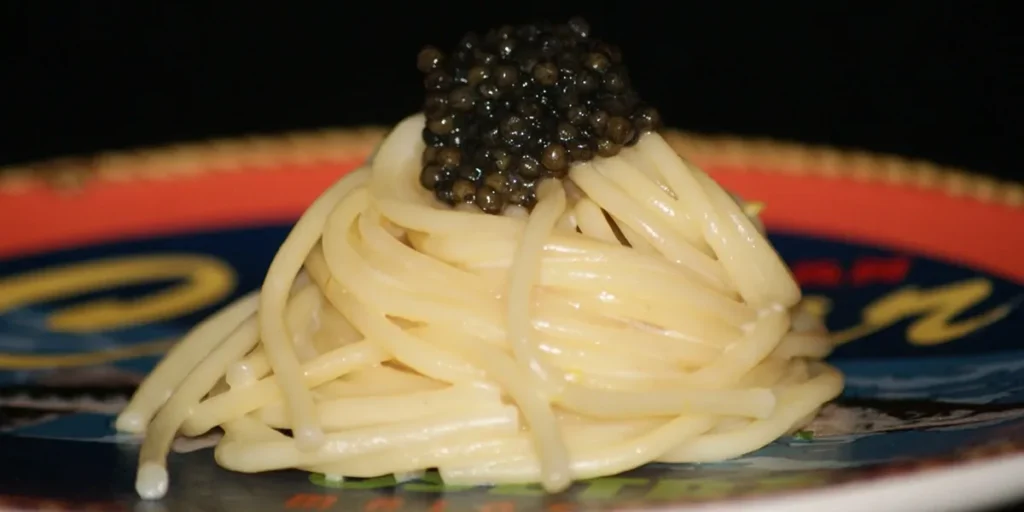
Final Assembly: Turn off the heat before adding the caviar to preserve its delicate structure. Gently fold in the pearls, ensuring they distribute without breaking. Letting caviar sit in residual heat will warm it without melting its texture.
By following these steps and avoiding common pitfalls like overheating the caviar or overcooking the pasta, you’ll produce a dish with refined balance, texture, and visual appeal.
Chef Tips for Perfect Results
A few expert insights can elevate a Lemon Spaghetti with Caviar Recipe from tasty to unforgettable. Here are essential tips that professional chefs swear by:
1. Season in Layers:
Start with well‑salted water, then taste the sauce before seasoning. Because caviar contributes saltiness, you often won’t need much added. Adjust sparingly to avoid overpowering the delicate citrus and egg flavors.
2. Mind the Heat:
Once caviar is added, avoid high temperatures. Extreme heat will burst the pearls, losing texture and creating an overly salty result.
3. Zest, Don’t Just Juice:
Lemon zest contains volatile essential oils that perfume the sauce. Add zest early to bloom these oils, then finish with juice to balance flavor.
4. Use Quality Butter and Olive Oil:
European‑style butter brings depth and mouthfeel, while cold‑pressed olive oil adds fragrant fruitiness. The combination helps create an appealing sauce body.
5. Presentation Matters:
Serve immediately on warmed plates. Spoon extra caviar on top, and add a few micro herbs or edible flowers for a refined finish.
This thoughtful, measured approach turns a simple recipe into a polished dish capable of impressing guests or elevating an everyday dinner into a memorable meal.
Variations to Try
One of the most exciting aspects of a Lemon Spaghetti with Caviar Recipe is how adaptable it can be. You can stick to the classic configuration or explore creative twists that incorporate additional textures and flavors.
Light Cream Citrus Sauce
A splash of heavy cream or crème fraîche adds velvety richness without overwhelming the palate. Combine with lemon zest for a sauce that’s creamy yet bright. Garnish with herbs like dill or chives for subtle complexity.
ChefReader
Herb‑Infused Twist
Introduce fresh herbs like basil or tarragon into the sauce base for aromatic layers. Herbs add freshness without competing with the core lemon and caviar components.
Pristine Caviar and Garnish Pairings
Explore topping options beyond traditional black caviar. Red salmon roe or trout caviar offer a vibrant look and slightly saltier taste, ideal for contrasting the tanginess of lemon. Serve with microgreens for visual appeal.
Textural Twists
Consider adding lightly toasted almonds or breadcrumbs for a contrasting crunch that complements the soft pasta and delicate caviar pearls.
Wine Pairings
Pair your dish with a crisp, mineral‑driven white wine (like a Sauvignon Blanc or lightly oaked Chardonnay) to enhance citrus notes and balance richness.
With these variations, you can tailor the recipe to your preferences, seasonality, and occasion — whether casual or celebratory.
Mastering Lemon Spaghetti with Caviar: Essential Takeaways for a Luxurious Dish
Transform your cooking with the refined elegance of Lemon Spaghetti with Caviar Recipe. This dish proves that simple ingredients, when treated with care, can produce a truly remarkable result. The foundation of success lies in balance: the bright acidity of lemon, the silky richness of butter or olive oil, and the subtle saltiness of caviar must all harmonize without overpowering each other. One professional trick that makes a noticeable difference is reserving a small portion of pasta water to help emulsify the sauce, creating a smooth, glossy coating that clings perfectly to each strand of spaghetti.
Adding caviar at the last moment ensures its delicate texture and briny flavor are preserved, delivering a luxurious taste experience in every bite. By understanding and applying these key techniques, you can confidently prepare Lemon Spaghetti with Caviar Recipe that rivals any fine dining version. The combination of flavor, texture, and visual appeal transforms a simple meal into an elegant statement. Now that you’ve seen the principles behind this dish, continue reading to explore the full step-by-step instructions, plating suggestions, and optional variations for an unforgettable culinary experience.
FAQs
1. What makes Lemon Spaghetti with Caviar Recipe special?
This dish combines bright citrus and luxurious caviar for a balanced, indulgent flavor that’s lighter than cream‑heavy pasta but richer than simple olive oil dressings. The result is elegant, refreshing, and sophisticated.
2. Can I use different types of caviar?
Yes. You can use classic sturgeon caviar or explore more accessible varieties like salmon or trout roe. Each offers unique salt levels and texture, so taste first and adjust seasoning accordingly.
3. Should I heat the caviar?
No. Add caviar at the end after removing from heat. High temperatures can burst the pearls and diminish their delicate flavor.
4. How do I prevent the sauce from becoming watery?
Use reserved pasta water sparingly and whisk it into butter or oil gradually. This encourages emulsification and prevents a split or thin sauce.
5. What wine pairs best with this dish?
A crisp, dry white wine like Sauvignon Blanc or a light Champagne complements the citrus and briny notes without overpowering them.