Unlocking profitability in the luxury food market starts with understanding the unique potential of Private Label Caviar. For international importers, this high-end delicacy offers more than just an opportunity to sell a premium product—it provides a strategic advantage in brand differentiation and market positioning. Unlike traditional branded caviar, Private Label Caviar allows importers to curate quality, packaging, and storytelling, aligning the product with specific consumer expectations. Sustainable sourcing, traceable supply chains, and innovative packaging are no longer optional—they are essential factors that influence purchasing decisions among discerning customers.
Moreover, as global demand for gourmet and ethically sourced products grows, the market for Private Label Caviar is expanding rapidly across Europe, North America, and Asia-Pacific. For importers willing to invest in quality control and brand strategy, this sector offers high margins and long-term business growth. Explore the following sections to understand how Private Label Caviar can become a cornerstone of your international import strategy.
Why Private Label Caviar Is a High‑Value Import Opportunity
The global appetite for exclusive products continues to grow, and Private Label Caviar stands out as one of the most compelling opportunities for international importers seeking sustainable long‑term profit. Unlike traditional bulk caviar imports, private label positioning gives businesses the flexibility to control brand identity, emphasize quality, and communicate provenance — traits that today’s premium buyer actively seeks. This trend is visible not only in fine dining but also in experiential markets where chefs pair luxury caviar with specialty dishes such as Lemon Spaghetti with Caviar Recipe to create memorable culinary moments that command premium prices.
Importers who adopt a private label strategy can differentiate their products through unique packaging, certification claims (e.g., sustainable farming, traceability), and strategic market placement. Key factors that make Private Label Caviar a high‑value opportunity include:
- Brand differentiation — Stand out from commodity suppliers
- Higher margins — Premium pricing backed by brand perception
- Customer loyalty — Repeat purchase driven by quality and presentation
- Control over sourcing — Ability to select farms that meet ethical standards
By aligning with consumer trends toward transparency and quality, importers can leverage Private Label Caviar to build a distinctive presence in luxury food markets. Read on to explore how global trends support this opportunity.
Global Caviar Market Trends Every Importer Must Know
Understanding the macro trends in the caviar industry is essential for importers considering Private Label Caviar as a strategic asset. The global market continues to evolve, driven by rising demand for premium foods and enhanced focus on sustainability and traceability. A notable example of evolving branding strategies can be seen in companies such as Caviar by Pishva Holding, which emphasize farm‑to‑table quality, making their products attractive for private label collaboration with foreign distributors.
The caviar market’s growth is supported by multiple drivers:
- Expanding consumer wealth — Particularly in Asia‑Pacific and the Middle East
- Shift to aquaculture — Sustainable production reducing reliance on wild stocks
- Digital commerce — Online platforms enabling direct consumer access
- Premium gastronomy trends — Increased inclusion of caviar in fine dining menus
Importers looking to launch Private Label Caviar should focus on regions with rising luxury food consumption and well‑developed cold chain infrastructure. High‑income urban markets show the strongest adoption, especially when paired with lifestyle marketing. Understanding these trends equips importers to tailor their strategies for maximum impact.
Private Label Caviar: What It Means and Why It Matters
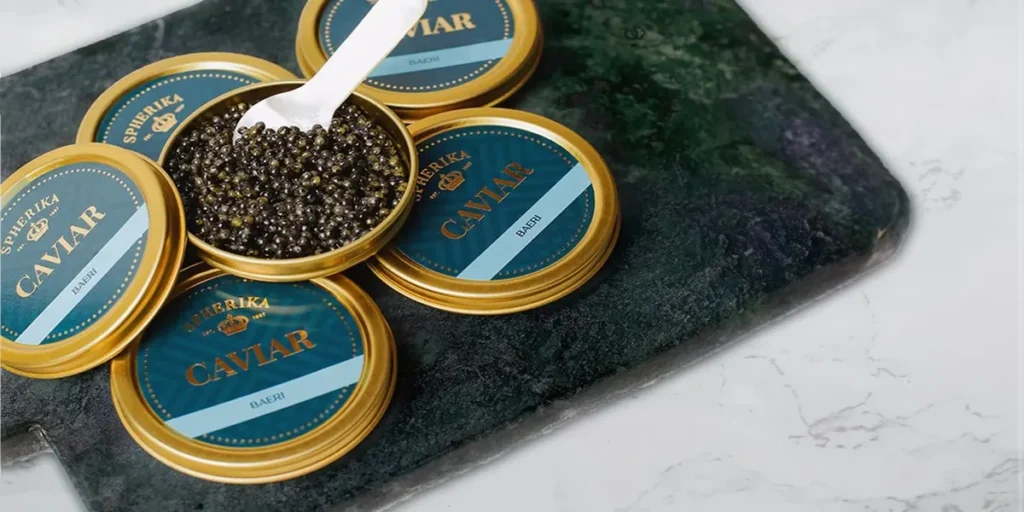
At its core, Private Label Caviar refers to caviar products that are sourced by importers and sold under the importer’s own brand name rather than well‑known third‑party brands. This approach matters because it allows importers to control nearly every aspect of the product experience — from farm partnerships and quality assurance to packaging design and final retail presentation.
Private labeling can transform caviar from a commodity item into a recognizable brand that commands customer loyalty and premium pricing. One interesting indicator of the shift toward structured aquaculture and branded products is the History of farmed caviar in Iran, where controlled farming replaced wild harvesting decades ago. This legacy of regulated production underscores the value of traceability — a core advantage for private label products seeking to meet international compliance and ethical standards.
Effective private label strategies typically include:
- Exclusive farm agreements — Ensures consistent quality
- Custom packaging — Enhances perception of luxury
- Quality gradation — Differentiates entry vs. premium lines
- Marketing narratives — Storytelling around origin and sustainability
When executed well, private label caviar becomes more than a product — it becomes a brand experience. For importers, this transition from bulk supplier to brand owner offers improved control over pricing, reduced competition, and stronger market positioning. Next, let’s look at where these opportunities are most significant globally.
Key Market Regions and Importer Insights
Success in Private Label Caviar depends heavily on understanding regional consumer behavior and market infrastructure. Certain geographies offer particularly promising conditions for importers looking to build and scale their private label offerings. Demand for premium foods continues to expand, but cultural preferences and distribution nuances differ significantly across markets.
One useful reference for product positioning and competitive benchmarking is the list of the Top 10 Caviar in the World, which highlights regional favorites and helps importers identify flavor and texture profiles that resonate with different audiences.
Regional Highlights for Importers
- Europe: Well‑established gourmet culture with strong demand for luxury foods. Importers can partner with fine dining establishments to introduce private label lines that emphasize heritage and quality.
- North America: Growing demand among affluent consumers and specialty retailers. Direct‑to‑consumer channels and culinary events boost brand exposure.
- Asia‑Pacific: Rising middle and upper‑class income segments create expanding markets, particularly in metropolitan areas with strong luxury food consumption.
- Middle East: Tradition of gourmet gifting and luxury dining supports high‑end caviar demand year‑round.
Tips for Regional Strategy
- Tailor product stories to local tastes and cultural associations.
- Develop logistics partnerships to maintain cold‑chain integrity.
- Prioritize certifications that matter locally (e.g., organic, eco‑certified).
Importers can maximize their Private Label Caviar success by combining deep regional insights with meticulous brand development and rigorous quality control.
Competitive Landscape: Supply, Pricing, and Labels
The global caviar market is small but dynamic, and Private Label Caviar has become a significant differentiator for retailers and gourmet brands. Unlike standard commodity caviar, private label products allow businesses to tailor quality, packaging, and story. This approach can create better margins, a loyal customer base, and distinctive shelf presence.
Market Supply
Supply varies significantly by origin:
- Wild‑caught sources (e.g., Caspian sturgeon) are limited and increasingly regulated.
- Aquaculture caviar now dominates, with farms in Europe, the U.S., and Asia producing consistent quality.
- Seasonal factors and export quotas shape available volumes.
Pricing Patterns
Pricing in the caviar market is driven by:
- Grade and species: Ossetra and Beluga typically command higher prices.
- Product form: Pasteurized caviar often costs less than fresh.
Labeling and branding: Branded and Private Label Caviar frequently sell at premium price points.
For retailers, Private Label Caviar isn’t just about price—it’s about controlling supply chain reliability. By working directly with producers, businesses can secure consistent inventory and design packaging that reflects quality. In markets where consumers increasingly seek artisanal and sustainable choices, a well‑executed private label strategy stands out against generic offerings.
Regulatory & Compliance Considerations for Importers
Importing caviar—especially under a Private Label Caviar program—demands careful understanding of regulation. Caviar is primarily roe from sturgeon species, many of which are protected under international treaties like CITES (the Convention on International Trade in Endangered Species). Compliance isn’t optional; it’s required for legal importation.
Key Regulatory Factors
CITES Permits
All shipments of sturgeon caviar must include legitimate CITES documentation.
Exporting country authorities issue permits, which must match importer records exactly.
Food Safety Standards
In the U.S., FDA registration and inspection apply.
European importers follow EU food safety protocols, which include hygiene, traceability, and labeling requirements.
Label Accuracy
For Private Label Caviar, every claim (e.g., “sustainably farmed”) must be verifiable.
Mislabeling specific species or origin can result in penalties or shipment rejection.
Compliance Checklist
Obtain CITES export and import permits.
Verify sturgeon roe species with laboratory testing when required.
Ensure product labeling meets destination country standards (allergens, origin, nutritional facts).
Maintain traceability records from hatchery/farm to end customer.
Regulatory risk increases when importing under your own brand. Partnering with experienced logistics and compliance advisors can help navigate complex import frameworks and avoid delays or fines. From customs clearance to quality inspections, proactive planning ensures your Private Label Caviar products reach customers smoothly and legally.
Branding & Marketing Strategies That Drive Sales
With a product as premium as Private Label Caviar, branding and marketing are business critical. Caviar isn’t bought on price alone—consumers are investing in experience, quality assurance, and brand trust. The best strategies go beyond visuals to deliver compelling storytelling and targeted positioning.
Core Brand Elements
- Authenticity: Share your supply story—farm origin, sustainable practices, and tasting profiles.
- Visual Identity: Elegant, minimal packaging signals luxury. Use high‑quality photography and consistent typography.
- Positioning: Are you eco‑luxury? Traditional Old‑World caviar? Modern culinary pairings? Clarify this in every campaign.
Effective Marketing Tactics
Content Marketing
Educate buyers on how to taste, store, and serve caviar. Long‑form guides and short social videos both help build authority.
Partnerships
Work with chefs, sommeliers, or gourmet influencers who can authentically endorse your Private Label Caviar.
Retail Experience
In‑store tastings, event sponsorships, and premium gift packaging elevate perceived value.
A brand that combines visual charm with cultural context—like pairing suggestions with champagne or traditional recipes—connects deeper with customers. The keyword Private Label Caviar should appear in product descriptions, educational blog posts, and meta descriptions to strengthen search visibility without sounding repetitive.
Future Outlook: Growth Projections and Emerging Niches
The outlook for Private Label Caviar is bullish, driven by evolving consumer tastes and greater global access to premium foods. Historically seen as ultra‑luxury, caviar is now finding broader audiences thanks to increased farmed production, stable pricing, and elevated culinary trends.
Market Growth Drivers
Premiumization of Food Consumption
More consumers are willing to spend on high‑quality foods as symbols of celebration and culture.
Digital Commerce Expansion
E‑commerce allows niche brands to reach global buyers without traditional retail constraints.
Sustainable Aquaculture Advances
Improvements in farming practices make quality caviar more accessible and ethically defensible.
Emerging Niches
Eco‑Luxury Caviar
Brands emphasizing sustainability, traceability, and regenerative aquaculture.
Gift & Corporate Packaging
Custom boxed assortments for holidays and business gifting.
Caviar Subscription Services
Monthly curated selections with tasting notes and pairings.
Growth Forecast (Illustrative)
Although exact figures vary, the overall premium seafood market is expected to grow at steady rates over the next decade. Private Label Caviar stands to benefit as retailers and gourmet brands introduce differentiated offerings that appeal to both traditional connoisseurs and new enthusiasts.
By investing in quality sourcing, compliant practices, and engaging marketing, brands that embrace the Private Label Caviar model can secure long‑term demand and stand apart in a competitive luxury food ecosystem.
Conclusion: Why International Importers Should Prioritize Private Label Caviar
The world of luxury food imports is evolving, and Private Label Caviar sits at the forefront of this transformation. Importers who embrace private labeling can gain unprecedented control over quality, branding, and customer experience. By selecting premium sturgeon farms, implementing strict cold-chain logistics, and emphasizing sustainable practices, they can ensure that each tin of caviar meets the highest expectations. Beyond quality, Private Label Caviar allows importers to differentiate their offerings in a crowded market, appealing directly to fine dining establishments, gourmet retailers, and affluent consumers who value exclusivity and provenance.
Global trends indicate rising demand in Europe, North America, and emerging markets like Asia-Pacific, where luxury culinary experiences are increasingly in demand. Furthermore, private labeling empowers importers to innovate in packaging and storytelling, creating a memorable brand presence that resonates with modern consumers. For businesses seeking long-term profitability and market recognition, Private Label Caviar is more than a product—it is a strategic investment in growth and prestige. By leveraging sustainable sourcing, market insights, and brand-centric approaches, importers can establish a strong foothold in a market poised for expansion. Follow this guide to unlock the full potential of Private Label Caviar for your international operations.
FAQs
Q1: What is Private Label Caviar?
Private Label Caviar refers to caviar products produced by a supplier but sold under a retailer’s own brand name, offering control over packaging, quality specs, and positioning.
Q2: Why choose Private Label Caviar over branded options?
It allows more flexibility in pricing, product differentiation, and storytelling. Retailers can build direct relationships with consumers and often achieve better margins.
Q3: Are there specific regulations for importing Private Label Caviar?
Yes. Importers must comply with international treaties (like CITES), food safety standards, accurate labeling, and traceability requirements.
Q4: How do I market Private Label Caviar effectively?
Focus on authenticity, storytelling, high‑quality visuals, educational content, and partnerships with culinary influencers or experts.
Q5: What trends are shaping the future of caviar products?
Sustainable aquaculture, subscription services, eco‑luxury branding, and global e‑commerce growth are leading current trends.