Surprisingly, the Carangidae market demand has grown into one of the most dynamic forces in today’s global seafood economy, driven by a mix of nutritional value, affordability, and expanding consumer awareness. Across regions like the Middle East, Asia, and Europe, buyers are increasingly turning to Carangidae species—such as trevallies, scads, and jack mackerel—not only as dependable protein sources but also as versatile ingredients suited for modern food industries. This rising interest is fueled by shifting dietary trends, supply-chain improvements, and the search for sustainable alternatives to overexploited species.
At the same time, international trade data shows that Carangidae products are becoming more competitive in both fresh and processed segments, especially where consumers prioritize health benefits like omega-3 fatty acids. As markets continue to diversify and demand becomes more structured, understanding these trends is crucial for producers, exporters, and policymakers. Stay with this guide to explore the deeper forces shaping the Carangidae market demand today.
What Are Carangidae and Why Do They Matter in Global Seafood Trade?
Carangidae is a diverse family of marine fish that includes trevallies, scads, and jack mackerel—species widely recognized for their strong commercial and nutritional value. Their importance in global seafood trade comes from a combination of steady availability, versatile product forms, and strong consumer demand across both developing and developed markets. In regions where marine resources shape daily diets, Carangidae plays a central role in meeting the need for affordable, high-protein seafood. This relevance becomes even clearer when looking at the Carangidae fishing season Iran, which supports both local consumption and export channels moving into Middle Eastern and Asian markets.
What gives this family of fish its global significance is the balance between supply stability and economic value. Many fisheries appreciate Carangidae for their resilience and relatively predictable migration patterns, making them suitable for year-round trade planning. Companies like Pishva Holding, which operate across various segments of the seafood supply chain, highlight these species as essential for maintaining consistent distribution strategies. Their use in fresh, frozen, canned, and processed formats adds even more commercial flexibility.
In international trade discussions, Carangidae is increasingly mentioned as a species group capable of bridging the gap between sustainable sourcing and market affordability. As demand grows and supply chains modernize, their influence is expected to expand even further.
Global Production and Trade Overview of Carangidae
Global production of Carangidae is shaped by a combination of large-scale capture fisheries and processing hubs concentrated in Asia and parts of the Pacific. Countries like China, Thailand, Indonesia, and Vietnam hold significant shares of the global supply, exporting frozen and canned Carangidae products to Europe, the Middle East, and North Africa. The consistency of supply is reinforced by overlapping fishing seasons across regions, allowing traders to maintain stable inventories even when local harvest cycles fluctuate. This is especially relevant when comparing international availability with the Carangidae fishing season Iran, which plays a growing role in regional distribution.
Trade dynamics are heavily influenced by Carangidae quality standards, which determine access to higher-value markets. Exporters aiming for Europe, for example, must follow strict safety, handling, and traceability requirements, while Middle Eastern markets focus more on freshness, halal compliance, and stable cold-chain systems. These standards encourage producers worldwide to modernize their handling techniques, from onboard chilling to processing line sanitation.
The global trade system for Carangidae thrives because the species group fits into multiple segments—retail, industrial processing, food service, and animal feed. Their flexibility helps buffer market pressures even when other fish species experience stock declines. As sustainable fishing practices continue to improve internationally, Carangidae remains one of the most reliable commodity groups in the seafood sector.
Consumption Patterns and Product Forms Across Regions
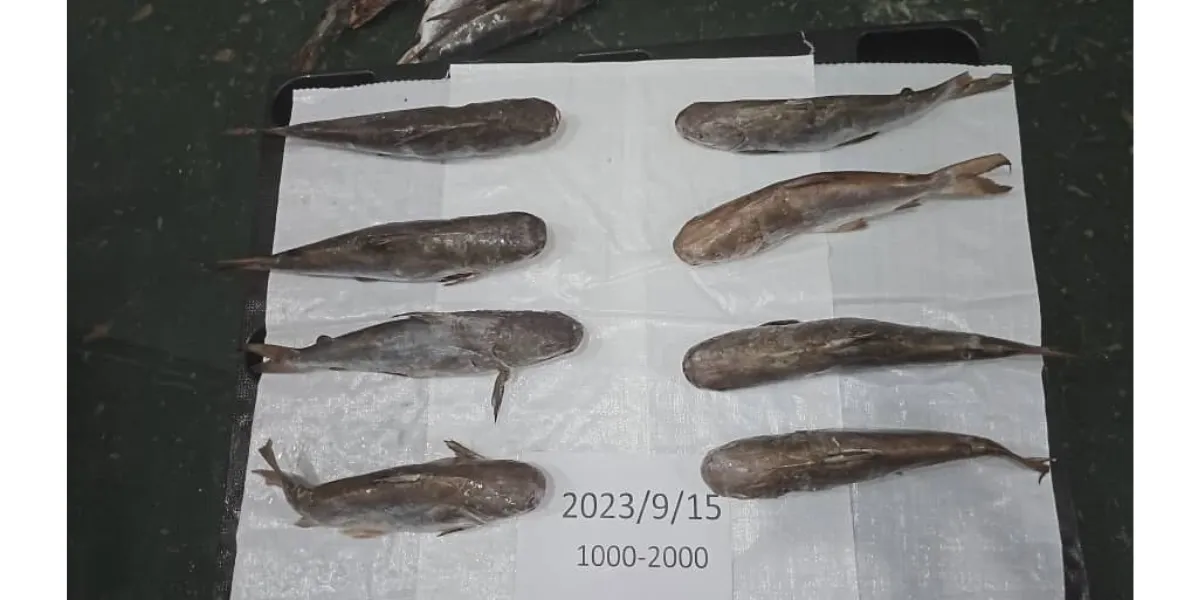
Consumption of Carangidae varies widely across global markets, shaped by culinary traditions, product availability, and consumer preferences. In Southeast Asia, Carangidae species are often sold fresh or lightly processed and used in everyday cooking. Meanwhile, in Europe, consumers gravitate toward smoked, canned, and marinated options due to lifestyle patterns and evolving interest in oily fish rich in omega-3. Middle Eastern consumers often choose whole frozen fish, valuing both affordability and the familiarity of traditional preparation methods.
The Carangidae fishing season Iran influences the supply of Iranian Carangidae in regional markets, particularly in the Persian Gulf and neighboring countries. When local landings increase, Iranian processors typically focus on whole frozen or gutted formats, which remain popular in wholesale channels. These periods also affect price dynamics, as domestic availability can lower reliance on imports.
Product forms are expanding globally, from surimi and ready-to-cook items to premium fillets and value-added selections. This diversification aligns with shifting consumer habits, especially in urban markets where convenience and consistent quality matter. Carangidae fits naturally into this trend due to its adaptability across multiple processing methods.
As more regions adopt healthier dietary patterns, the demand for Carangidae is expected to keep rising. Their versatility allows producers to meet both traditional culinary preferences and modern consumption trends.
Market Demand in the Middle East
Market demand for Carangidae in the Middle East continues to grow, driven by population expansion, rising seafood consumption, and the region’s reliance on imports to meet dietary needs. Consumers in the Gulf Cooperation Council typically prefer whole frozen Carangidae because of its affordability and consistent availability. Hospitality and catering sectors have also increased their usage of these species, especially in large-volume meal preparation where cost efficiency is essential.
One factor influencing supply channels is the Carangidae fishing season Iran, which contributes to regional stocks and helps stabilize prices during peak harvesting periods. Iranian suppliers often serve as an important source for neighboring countries, especially when international supply tightens or global freight costs rise. This proximity advantage strengthens trade relationships and reduces dependency on distant exporters.
The Middle Eastern market is also shifting toward packaged and pre-cleaned options as consumer lifestyles change. Younger urban buyers are more open to processed seafood formats, creating an opportunity for value-added Carangidae products that meet modern convenience expectations.
Retailers and distributors report that demand spikes during cultural and religious events, where fish plays a symbolic or traditional role in meals. Combined with ongoing interest in healthier diets and omega-3-rich species, Carangidae is positioned as a stable and growing segment in the region’s seafood marketplace.
Market Demand in Asia (Production and Consumption Hub)
Asia remains the core hub for both production and consumption of Carangidae, supplying major global markets while meeting strong domestic demand. Countries like Indonesia, the Philippines, and Vietnam rely on these species for daily nutrition, while China and Thailand dominate the processing and export industries. The region’s enormous seafood infrastructure—freezing plants, canneries, surimi factories—supports reliable international distribution throughout the year.
Demand in Asia is shaped by availability, price stability, and culinary versatility. Carangidae is widely used in home cooking, street food, and large-scale processing industries, making it a staple in household spending. During periods when regional stocks fluctuate, some processors may import from other suppliers, especially when the Carangidae fishing season Iran provides competitive volumes that align with Asian processing requirements.
For exporters and processors, maintaining Carangidae quality control is essential. Asian markets are increasingly mindful of safety standards, freshness, and traceability due to rising consumer awareness and stricter regulations in importing countries. Investments in better onboard handling, temperature management, and hygienic processing systems have strengthened Asia’s role as the world’s primary Carangidae supplier.
With continued growth in urbanization, rising middle-class incomes, and a steady shift toward protein-rich diets, Asia’s demand for Carangidae shows no sign of slowing. This positions the region as both a powerful production engine and a strong internal consumer market.

Market Demand in Europe
European demand for Carangidae has grown steadily over the past decade, driven by a combination of nutritional awareness, sustainability requirements, and diversified seafood habits among consumers. Countries such as Spain, Portugal, Italy, and several Northern European nations increasingly turn to Carangidae species because of their rich omega-3 profile and relatively stable availability compared to other wild stocks. Although Europe imports most of its supply from Asia and Latin America, regional distributors are paying attention to emerging sources, including products aligned with the Carangidae fishing season Iran, which occasionally complements supply gaps during off-peak months elsewhere.
European retail sectors show a clear preference for filleted, smoked, and canned forms, while food-service companies use Carangidae in marinated dishes, salads, and ready-to-cook lines. Strict EU traceability and sustainability regulations influence purchasing decisions, pushing suppliers to deliver consistent quality, transparent documentation, and certified fisheries. These requirements often elevate Carangidae to a premium position in certain markets, especially when products come with verified origin and freshness indicators.
As demand for healthier proteins grows across the continent, Carangidae continues to gain attention as a nutrient-dense alternative to traditional pelagic species. With rising interest in cost-effective yet sustainable seafood choices, Europe’s appetite for Carangidae is expected to strengthen even further.
Comparative Analysis: Middle East vs. Asia vs. Europe
When comparing Carangidae market behavior across the Middle East, Asia, and Europe, distinct patterns emerge shaped by culture, supply chains, and price sensitivity. In the Middle East, demand thrives on affordability and accessibility, with whole frozen Carangidae dominating supermarket and wholesale channels. Regional supply sometimes benefits indirectly from the Carangidae fishing season Iran, which stabilizes local availability and helps reduce reliance on distant exporters.
Asia, in contrast, operates as both a production powerhouse and a consumption giant. Here, Carangidae is integrated deeply into everyday diets, street food, and processing industries. Asian consumers appreciate the species for its value, versatility, and alignment with traditional dishes. Meanwhile, processors leverage Carangidae for surimi, fillets, canned products, and export-grade preparations.
Europe stands apart with its strong focus on quality, sustainability, and regulatory compliance. While the continent relies heavily on imports, European buyers demand strict traceability and eco-friendly sourcing, shaping the types of products that enter the market.
Across the three regions, pricing, consumer expectations, and regulatory frameworks differ significantly. Yet all share a common driver: Carangidae remains a reliable, nutrient-rich, and economically viable fish group with rising global relevance.
Scientific and Technical Levers to Increase the Value of Carangidae
Enhancing the commercial value of Carangidae requires a combination of scientific insight and practical improvements across the supply chain. One important factor is harvesting efficiency—understanding migratory patterns, seasonal feeding behavior, and local cycles such as the Carangidae fishing season Iran allows fleets to optimize catch quality and reduce waste. Many fisheries science reports emphasize that immediate chilling, hygienic handling, and rapid on-board processing can significantly improve product integrity at landing.
Technological upgrades also play a major role. Modern freezing systems, glazing techniques, and controlled-temperature logistics help preserve freshness during the long export journeys typical of Carangidae products. DNA-based traceability tools, increasingly adopted in both Asian and European markets, ensure species authentication and reduce mislabeling—an issue that historically affected small pelagic species.
Value enhancement also depends on understanding consumer trends. Nutritional profiling, especially highlighting omega-3 and mineral content, supports marketing strategies aimed at health-conscious buyers. Meanwhile, innovations in product form—such as ready-to-cook fillets, marinated selections, and premium canned lines—help suppliers target differentiated market segments. Combined, these scientific and technical measures help elevate Carangidae from a traditional commodity fish to a versatile, high-value product in international markets.
Strategic Roadmap for Investors, Processors, and Policy-Makers
Creating a sustainable and profitable future for Carangidae requires coordinated planning across investment, processing, and policy development. Investors looking to enter seafood markets should assess regional harvesting cycles, including seasonal rhythms like the Carangidae fishing season Iran, to align procurement strategies with predictable supply windows. Investing in cold-chain improvements, modern freezing systems, and digital traceability platforms can significantly improve product quality and reduce spoilage.
For processors, the roadmap centers on diversifying product forms and meeting international standards. Fillets, smoked items, canned selections, and ready-meal components all align well with shifting global consumption patterns. Collaboration with research institutions can also help processors adopt science-based handling and storage methods that preserve taste and texture.
Policy-makers, meanwhile, play a critical role by crafting fisheries regulations that balance economic development with resource protection. Clear catch-limit frameworks, licensing oversight, and sustainable management plans ensure long-term viability of Carangidae stocks. Cross-regional cooperation—especially around shared marine ecosystems—helps reduce pressure during sensitive periods and supports more stable global trade flows. By following this roadmap, stakeholders can maintain consistent supply, improve market positioning, and support a healthier, more resilient seafood sector.
Conclusion: Positioning Carangidae as a Future-Proof Protein for Three Key Regions
Carangidae has emerged as one of the most adaptable and future-oriented seafood resources for global markets. Its strong nutritional profile, stable availability, and compatibility with multiple processing formats make it a reliable option for both local and international supply chains. Across Asia, the species is deeply embedded in culinary culture and industrial processing. In the Middle East, it remains a cornerstone of affordable protein consumption, with availability often supported indirectly by regional cycles such as the Carangidae fishing season Iran. Europe’s role as a high-value consumer market adds another dimension, emphasizing quality, sustainability, and traceability.
As climate variability and global food security concerns continue to shape policy decisions, Carangidae offers a resilient model for balancing consumer demand with responsible harvesting. Its ability to meet diverse cultural, economic, and regulatory expectations positions it as a dependable protein source for the future. Strengthening supply chains, investing in modern technologies, and adopting science-based fisheries management will ensure that Carangidae remains competitive and ecologically viable across the world’s major seafood regions. By viewing the species through a long-term, multi-regional lens, stakeholders can secure its role as a strategic marine resource for years to come.
FAQs
1. When is the Carangidae fishing season in Iran?
The Carangidae fishing season in Iran typically aligns with periods when water temperatures and coastal currents support the migration and feeding activity of local Carangidae species. The exact timing can vary by region and environmental conditions.
2. Why is Carangidae popular in the Middle East and Asia?
Carangidae is widely valued for its affordability, availability, and nutritional benefits. It fits well into traditional cooking styles and is accessible in multiple forms, from whole frozen fish to processed products.
3. What product forms of Carangidae are preferred in Europe?
Europe favors filleted, smoked, and canned Carangidae due to convenience and the region’s strong preference for clean, traceable, ready-to-use seafood products.
4. How do sustainability standards affect Carangidae trade?
Strict sustainability and traceability regulations, especially in Europe, shape market access. Suppliers must ensure responsible harvesting, clear documentation, and compliance with quality and safety requirements.
5. Is Carangidae suitable for large-scale processing industries?
Yes. Its stable supply, predictable behavior, and versatility make Carangidae an ideal species for surimi production, canning, freezing, and value-added processing.