Consistency is the cornerstone of every successful seafood export system—and this is especially true when discussing Carangidae quality standards. In global markets where competition is intense and regulations are strict, Iranian producers must demonstrate not only the freshness and safety of their fish but also their ability to meet internationally recognized benchmarks. Today, compliance goes far beyond basic hygiene: buyers expect transparent sourcing, scientifically validated handling methods, and end-to-end traceability. That is why understanding and applying Carangidae quality standards has become a strategic requirement for any supplier aiming to compete in the EU, East Asia, and other high-value destinations.
From responsible harvesting to mercury-level monitoring, from HACCP-driven processing to temperature-controlled logistics, each step plays a measurable role in defining product reliability. If you want to learn how these standards translate into practical actions that elevate Iranian Carangidae to global expectations, continue reading—what follows will guide you through the essential elements.
Overview of Iranian Carangidae: Species Profile, Nutritional Value and Global Market Demand
Understanding the position of Iranian Carangidae in the global seafood landscape begins with a clear look at its biological traits, nutritional strengths, and commercial appeal. Many Iranian suppliers, including large-scale companies such as Pishva Holding, have invested in developing systematic harvesting and processing methods to ensure their Carangidae meet global buyers’ expectations. The family includes fast-swimming, lean marine species known for their firm texture and mild flavor—traits that make them suitable for grilling, smoking, and ready-to-cook retail products.
Nutritionally, Carangidae species are rich in high-quality protein, omega-3 fatty acids, selenium, B-vitamins, and essential minerals. These attributes have increased international demand, particularly in regions prioritizing heart-healthy proteins.
Key nutritional values (per 100g, average):
- Protein: 18–22g
- Omega-3: 0.8–1.5g
- Selenium: 40–55 mcg
- Calories: 110–140 kcal
This combination positions Carangidae as a competitive species in markets such as the EU, Southeast Asia, and the Middle East, where consumers favor both flavor and health benefits.
As global interest grows, producers who align harvesting, handling, and marketing strategies with buyer expectations will find expanded market opportunities.
Regulatory Framework: How Iranian Carangidae Aligns with Codex, EU and FDA Fish Safety Requirements
The international acceptance of Iranian Carangidae heavily depends on strict compliance with food safety regulations enforced by Codex Alimentarius, the European Union, and the U.S. FDA. These frameworks ensure that seafood entering global markets remains safe, traceable, and free from harmful contaminants. For exporters, demonstrating alignment with these rules is a crucial component of Carangidae quality standards.
Codex provides baseline requirements for handling, processing, hygiene, and contaminant limits. EU regulations go further by mandating specific documentation, validated temperature-control processes, and approved harvesting zones. Meanwhile, the FDA emphasizes preventive controls, facility sanitation, and accurate labeling.
Core requirements include:
- Verified HACCP plans
- Maximum mercury limits
- Approved water sources for processing
- Regular microbiological testing
- Full traceability from harvest to export
Exporters that meet these regulations reduce border rejections, improve buyer confidence, and maintain smoother logistics. When Iranian Carangidae consistently comply, they gain access to higher-value markets and long-term trade partnerships.
From Sea to Processing Plant: HACCP-Based Controls for Iranian Carangidae Quality and Hygiene Assurance
A reliable seafood supply chain begins long before the product reaches the processing plant. For producers committed to Carangidae quality standards, implementing a well-structured HACCP system ensures that hazards are controlled from the moment the fish is caught until final packaging. This process requires coordinated actions among fishing crews, transport operators, and processing facilities.
HACCP plans typically address biological, chemical, and physical hazards. In the case of Carangidae, temperature management is central to preventing bacterial growth and preserving freshness. Properly insulated storage containers, rapid chilling after capture, and clean handling surfaces are foundational steps.
Essential HACCP control points:
- On-board handling: Immediate icing, clean seawater, sanitized tools
- Transport to plant: Temperature retention between 0–4°C
- Processing stage: Removing contaminants, monitoring cross-contact risks
- Final inspection: Microbial testing and freshness grading
By integrating Carangidae quality standards into every phase, producers can maintain product integrity and reduce waste while increasing export readiness.
Contaminant Management: Meeting International Limits for Mercury and Heavy Metals in Iranian Carangidae Exports
Contaminant control is a defining factor in global seafood acceptance. Export markets closely monitor heavy metals in marine species, and successful suppliers must demonstrate that their products fall well within regulatory thresholds. Effective management requires both scientific monitoring and adherence to best practices in harvesting and Carangidae export packaging.
Mercury and other metals accumulate differently depending on fish size, habitat, and regional environmental conditions. Therefore, exporters must conduct periodic laboratory testing and share these results with buyers as part of transparent Carangidae quality standards.
Common contaminants monitored:
- Mercury
- Lead
- Cadmium
- Arsenic
Methods that reduce contaminant risks:
- Using approved fishing zones
- Avoiding high-risk industrial coastal areas
- Maintaining clean processing tools
- Regularly calibrating testing equipment
Proper Carangidae export packaging—including vacuum sealing, oxygen-reduced atmospheres, and high-grade liners—also prevents post-harvest contamination. Together, these measures ensure the product arrives clean, compliant, and ready for international markets.
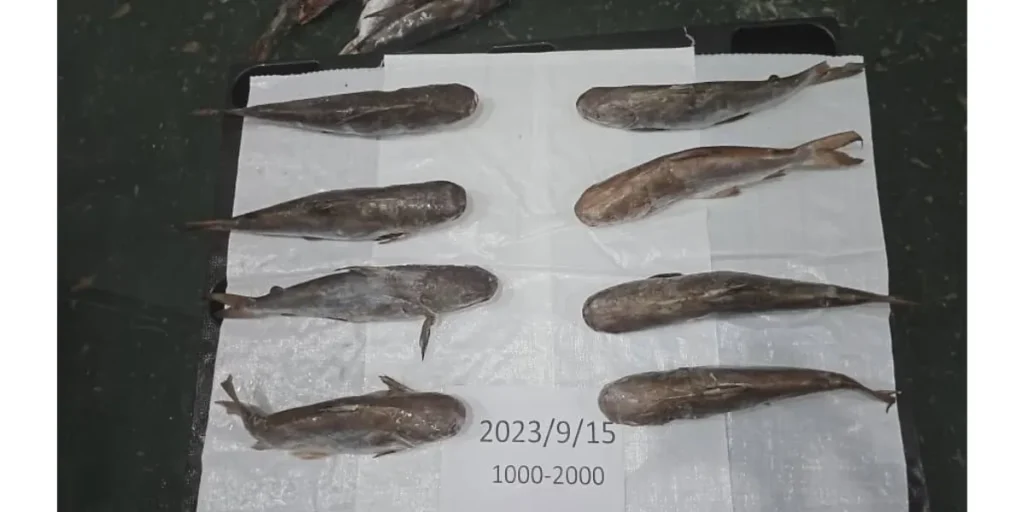
Cold Chain, Packaging and Traceability: Practical Systems that Keep Iranian Carangidae Safe in Global Supply Chains
Protecting Carangidae during transport requires a cold chain that remains stable from vessel to distributor. A well-designed system helps maintain texture, appearance, and safety while supporting overall Carangidae quality standards. Exporters use insulated containers, real-time temperature sensors, and rapid-shift logistics to prevent fluctuations that could lead to spoilage.
Packaging plays an equally important role. Exporters often rely on vacuum sealing, MAP (Modified Atmosphere Packaging), or high-density polyethylene liners to extend shelf life. These materials shield the fish from oxygen exposure, moisture loss, and microbial growth.
Core Components of Effective Systems:
- Temperature stability (0–4°C)
- Tamper-evident packaging
- Batch-level traceability codes
- GPS-linked transport logs
Traceability ensures accountability. Every shipment should include harvest location, vessel details, batch IDs, lab test numbers, and production dates. These elements strengthen compliance and build trust with international buyers, especially in markets with strict auditing procedures.
Comparative Benchmarking: How Iranian Carangidae Quality Indicators Stack Up Against Leading Exporting Countries
Benchmarking Iranian Carangidae against major exporters—such as Thailand, Vietnam, and Oman—helps identify strengths and areas for improvement. By evaluating freshness scores, shelf-life performance, contaminant levels, and adherence to Carangidae quality standards, producers can better position their products.
Comparison Factors:
- Freshness Index: Measured through K-value and sensory evaluation
- Microbial Load: Checked via TVC and specific pathogen testing
- Cold-Chain Reliability: Comparison of temperature-deviation records
- Packaging Quality: Use of MAP, vacuum, or insulated cartons
Iran’s key competitive strengths include naturally clean fishing zones and favorable species growth patterns. As exporters continue aligning with Carangidae quality standards—especially in traceability and MAP packaging—they can match or outperform established competitors.
Future Roadmap: Scientific and Technological Innovations to Strengthen the International Safety Compliance of Iranian Carangidae
The future of Iranian Carangidae depends on continuous adaptation to global expectations. With markets increasingly prioritizing safety, traceability, and sustainability, exporters must integrate scientific innovations that reinforce Carangidae quality standards.
Emerging technologies include blockchain systems for real-time traceability, AI-driven freshness analysis, and improved biosensor testing kits that detect contaminants faster and more accurately. Investments in aquaculture research can also ensure more stable supply cycles and better control of environmental risks.
Promising Innovations:
- Blockchain tracking: Ensures transparent records
- Smart temperature loggers: Reduce cold-chain failures
- Advanced packaging films: Extend shelf life naturally
- Portable contaminant-testing devices: Faster export clearance
As producers integrate these advancements, Iranian Carangidae will gain stronger footing in premium markets. Innovation not only raises product consistency but also increases competitiveness in regions where regulatory demands grow tighter each year.
Conclusion: Ensuring Global Competitiveness Through Carangidae Quality Standards
Elevating seafood to a truly global level begins with commitment, and the path to achieving that commitment is shaped by rigorous Carangidae quality standards. When producers adopt structured systems—such as HACCP protocols, contaminant monitoring, and validated cold-chain techniques—they are not just meeting regulatory obligations; they are building trust with every buyer, distributor, and end consumer. This trust becomes an asset that separates reliable exporters from inconsistent competitors.
International markets increasingly reward suppliers who demonstrate transparency, data-driven safety controls, and a proactive approach to quality enhancement. For Iranian Carangidae, this means implementing measurable benchmarks at sea, during transport, throughout processing plants, and all the way to final packaging. Every improvement, even small ones, compounds to raise product value, reduce rejection rates at borders, and strengthen long-term market access.
Ultimately, the future of Iran’s Carangidae export potential will depend on how effectively producers integrate science-based standards with modern logistics and continuous improvement. By embracing global expectations and adapting production methods accordingly, suppliers can turn challenges into opportunities—and position Iranian Carangidae as a trusted, competitive choice worldwide.
FAQs
1. What are Carangidae quality standards?
These refer to internationally recognized benchmarks that ensure Carangidae are harvested, processed, and exported safely, meeting hygiene, contaminant, and traceability requirements.
2. Why are cold-chain systems essential for Iranian Carangidae?
They prevent bacterial growth, maintain texture, and preserve freshness during transport—crucial for long-distance exports.
3. What tests are required before exporting Carangidae?
Common tests include mercury analysis, microbial load checks, freshness grading, and temperature-control verification.
4. How can exporters improve Carangidae export packaging?
Using MAP packaging, vacuum sealing, and insulated materials helps protect quality and extend shelf life.
5. Are Iranian Carangidae accepted in EU and FDA markets?
Yes—when producers follow Codex rules, maintain HACCP plans, and meet contaminant limits, the products meet entry requirements.