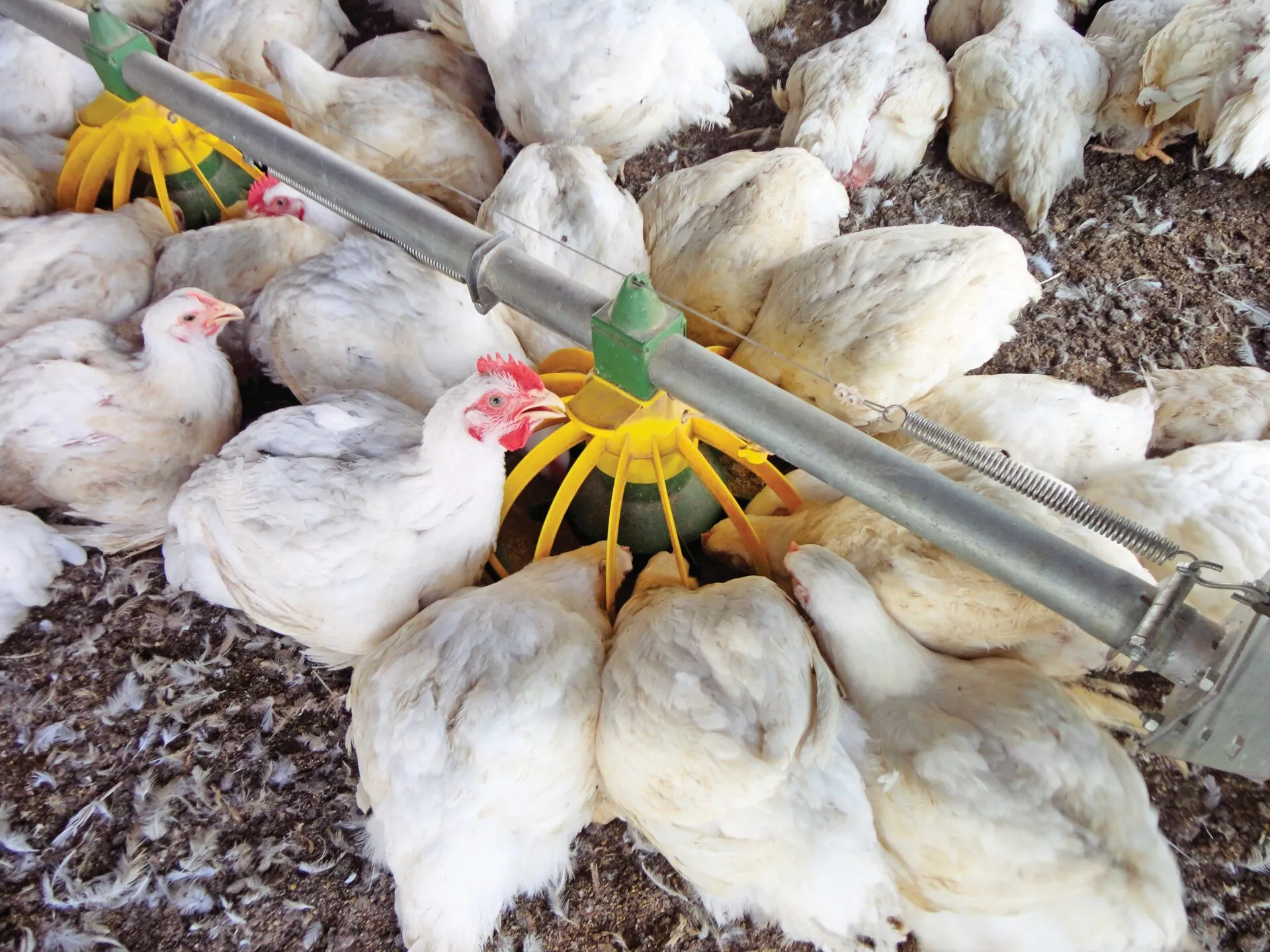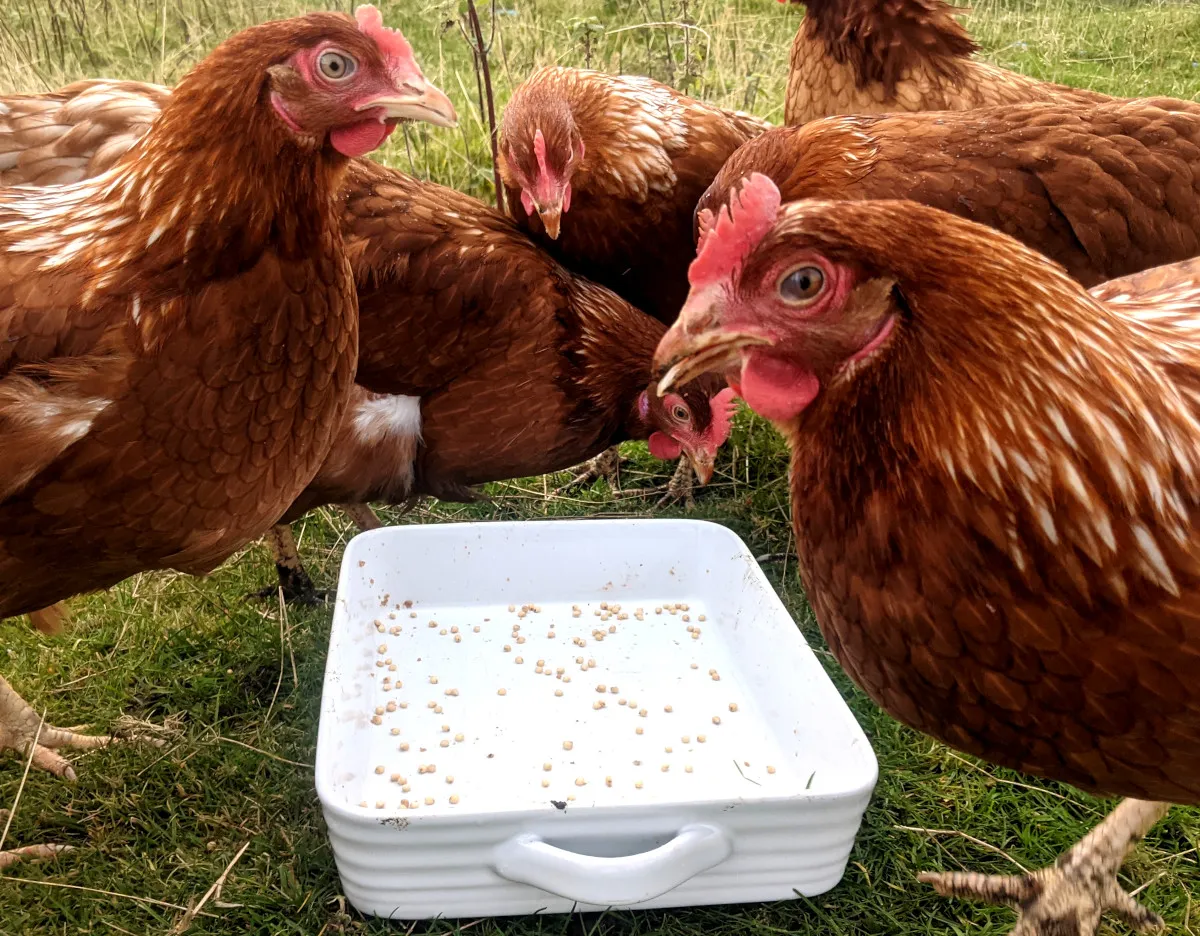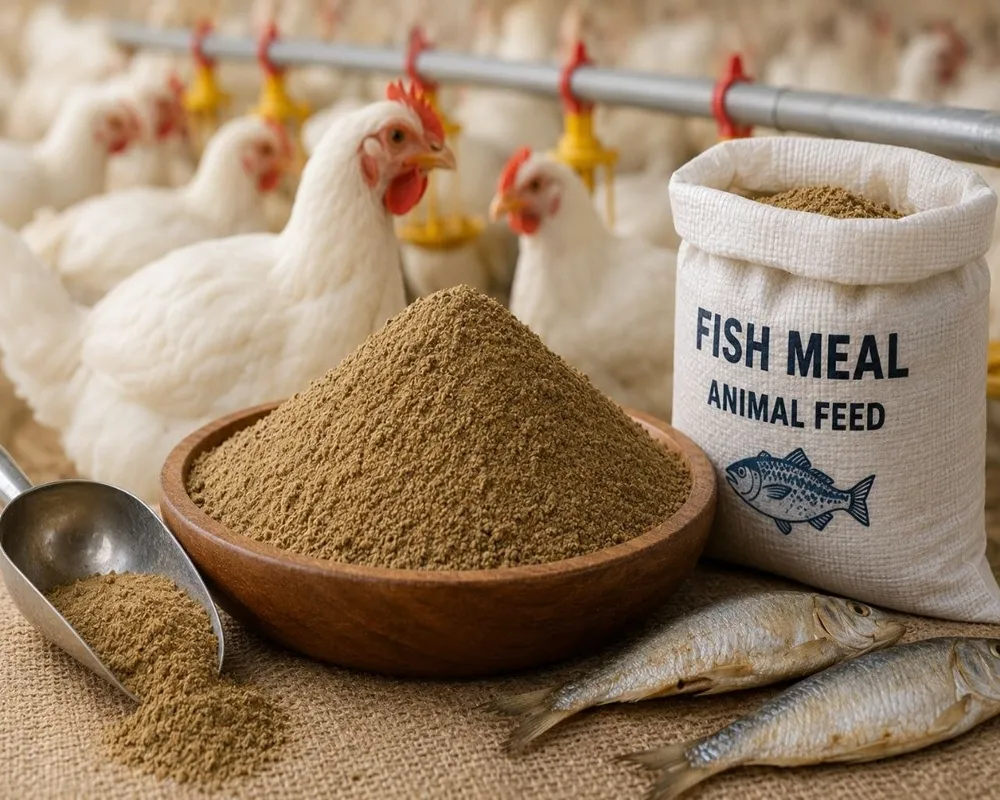
Using fat powder effectively in broiler and layer diets starts with one essential step: matching the product’s energy value and composition to the nutritional requirements of the birds. Fat powder can help increase dietary energy density, support efficient feed utilization, and supply essential fatty acids when incorporated into a properly balanced feed formula. However, the results depend on the product’s quality, the birds’ age, and the other ingredients in the diet.
For broilers, the main objective is to support healthy growth and feed conversion without disrupting the balance between energy and digestible amino acids. In laying hens, fat powder must help meet daily energy requirements while maintaining egg production, egg quality, and appropriate body condition. These goals require different feeding strategies rather than a single inclusion rate for every flock.
According to a review published in Animal Feed Science and Technology, fat digestibility and metabolizable energy vary with factors such as fatty acid composition, free fatty acid content, and bird age.
Understanding these factors helps poultry producers make informed formulation decisions. Read on to learn how to use fat powder in broiler and layer diets, calculate suitable inclusion levels, improve feed consistency, and evaluate its economic value.
What Is Fat Powder and Why Is It Used in Poultry Feed?
Fat powder is a concentrated feed ingredient designed to supply dietary fat and energy in a dry, easy-to-handle form. Depending on the product, it may contain vegetable fat, animal fat, or a blend of fats processed with carriers, encapsulating materials, or emulsifiers. These ingredients help turn fat into a powder that can be incorporated into poultry feed more conveniently than some liquid fat sources.
In commercial poultry production, fat powder is mainly used to increase dietary energy density and provide fatty acids needed for normal growth and physiological functions. Because fat supplies more than twice as much energy per gram as carbohydrates or protein, it can be a valuable ingredient when feed formulations need additional energy without a proportionate increase in feed volume.
However, not all fat powders have the same nutritional value. Their metabolizable energy, fatty acid profile, digestibility, and stability depend on the raw materials and manufacturing process. Before selecting a product, feed manufacturers should review its technical specifications and quality documentation.
Key factors to evaluate include:
- Crude fat content: Indicates the proportion of fat in the product.
- Metabolizable energy: Helps determine its contribution to the bird’s energy requirements.
- Fatty acid composition: Influences nutritional value and digestibility.
- Oxidative stability: Affects how well the product maintains its quality during storage.
- Mixing properties: Determine how uniformly the powder can be distributed throughout the feed.
For businesses sourcing poultry feed ingredients, Pishva Holding can be a relevant starting point for exploring feed-related products and supply options. Ultimately, the best fat powder is one that meets the flock’s nutritional needs and performs consistently under the farm’s feeding conditions.
How Does Fat Powder Improve Energy Utilization in Broiler and Layer Diets?
Dietary fat plays an important role in poultry nutrition because it provides concentrated energy that supports growth, maintenance, and egg production. When feed manufacturers use fat powder in broiler and layer diets, the objective is to meet the birds’ energy requirements while maintaining the correct balance of protein, amino acids, vitamins, and minerals.
Fat digestion involves several processes, including emulsification, breakdown by digestive enzymes, and absorption in the intestine. The efficiency of these processes depends on the fatty acid composition of the product and the age of the bird. A scientific review published in the Journal of Animal Physiology and Animal Nutrition in 2023 explains that young broilers may have a more limited capacity to utilize dietary fats effectively than older birds.
In practice, fat powder can support feed formulation in several ways:
- Higher energy density: Supplies concentrated energy without relying entirely on additional cereal ingredients.
- Feed efficiency: May support a better feed conversion ratio when the complete diet is appropriately balanced.
- Essential fatty acids: Contributes fatty acids required for normal physiological functions.
- Nutrient utilization: Can complement other dietary energy sources when its digestibility is suitable for the birds.
However, adding fat powder does not guarantee better performance. If dietary energy increases without a corresponding adjustment in digestible amino acids, birds may accumulate excess body fat rather than produce more muscle or eggs.
Feed manufacturers should evaluate the product’s energy value and composition before reformulating a ration. Businesses that need assistance sourcing ingredients from international markets can explore Specialized Import Services. The nutritional suitability of the selected product should always be confirmed independently of its supplier or country of origin.

How to Use Fat Powder in Broiler Diets at Different Growth Stages
Broilers do not have identical nutritional requirements throughout their production cycle. Their capacity to digest fat, growth rate, feed intake, and nutrient needs change with age. Therefore, knowing how to use fat powder in broiler and layer diets begins with understanding the specific requirements of each production stage.
Starter Phase
During the first days of life, chicks are still developing their digestive capacity. Research published in Animal Feed Science and Technology in 2013 found that the metabolizable energy and digestibility of different fat sources were affected by broiler age, with lower utilization generally observed during the first week.
For starter diets, select a fat powder with documented energy values and suitable digestibility. Avoid assuming that every product delivers the same amount of usable energy.
Grower Phase
As broilers develop, dietary fat can help maintain the energy density needed for rapid growth. At this stage, nutritionists should balance metabolizable energy with digestible amino acids, particularly those required for muscle development. Monitor feed intake, daily weight gain, and feed conversion ratio to evaluate the formulation.
Finisher Phase
During finishing, the goal is to achieve the target market weight and carcass characteristics without encouraging unnecessary fat deposition. Any adjustment to fat powder should reflect the production target, slaughter age, and existing nutrient levels.
When formulating feed, consider the following:
- Check the powder’s guaranteed composition and recommended inclusion range.
- Recalculate the complete diet after replacing another ingredient.
- Maintain appropriate amino acid and mineral levels.
- Monitor flock performance after every significant formulation change.
Feed formulation should be based on reliable nutrient data rather than a fixed fat powder percentage applied to every flock. For businesses managing international ingredient shipments, Customs Clearance may also be relevant to the logistics of importing feed ingredients, although it does not replace nutritional or quality checks.
How to Incorporate Fat Powder into Layer Diets for Egg Production
Laying hens need a consistent supply of energy to maintain body condition, produce eggs, and support normal physiological functions. Fat powder can help meet these requirements when it is incorporated into a balanced layer ration. However, the correct approach is to formulate the diet around the hens’ daily nutrient requirements rather than adding fat powder simply to increase energy intake.
The production stage is an important consideration. Hens approaching peak production may have different nutrient intake patterns from older birds whose laying rate is declining. Feed intake, egg mass, body weight, and environmental temperature should all be considered when deciding whether additional dietary fat is appropriate.
A review published in Animals in 2021 examined the effects of dietary oils on laying performance and egg quality. It discussed how fat sources can influence feed intake, egg weight, feed conversion, and yolk fatty acid composition. The review also highlighted the importance of selecting suitable fat sources and inclusion levels.
When incorporating fat powder into layer diets, nutritionists should:
- Balance dietary energy: Ensure the final formula meets the hens’ energy requirements.
- Maintain calcium and phosphorus levels: Support eggshell formation and skeletal health.
- Monitor egg production: Track laying rate, egg weight, and egg mass after changing the ration.
- Assess body condition: Avoid unnecessary increases in body fat.
- Check egg quality: Monitor shell strength, shell thickness, and other relevant quality indicators.
Feed producers looking for product options can explore Buy Feed Fat Powder for Livestock and Poultry. Before purchasing, verify the product’s composition, intended application, and suitability for laying hens. Product availability alone does not establish nutritional suitability.
How Much Fat Powder Should Be Added to Broiler and Layer Feed?
There is no single fat powder inclusion rate that is appropriate for every broiler and layer diet. The required amount depends on the product’s metabolizable energy, crude fat content, existing dietary fat, bird age, production stage, and the nutrient profile of the complete ration. Following the manufacturer’s recommended range is important, but the final inclusion rate should also be confirmed through feed formulation.
The first step is to identify how much additional energy the diet needs. A nutritionist can then determine how much fat powder is required to supply that energy while accounting for the ingredients being replaced. Simply adding the powder without adjusting the rest of the formula may increase energy intake unnecessarily or disturb the balance between energy and amino acids.
Calculating the Inclusion Rate
Use the following formula to calculate the quantity needed for a feed batch:
Fat powder required (kg) = Total feed quantity (kg) × Inclusion rate (%) ÷ 100
For example, if a nutritionist determines that a specific product should make up 2% of a 1,000 kg feed batch, the calculation is:
1,000 × 2 ÷ 100 = 20 kg of fat powder
This example illustrates the calculation only; it is not a universal recommendation for broilers or layers.
| Feed batch | Illustrative inclusion rate | Fat powder required |
| 500 kg | 1% | 5 kg |
| 1,000 kg | 2% | 20 kg |
| 2,000 kg | 1.5% | 30 kg |
The inclusion rate should be selected before calculating the batch quantity, not the other way around.
A 2013 study in Animal Feed Science and Technology found that the metabolizable energy of different fat sources varied with broiler age.
This supports the need to evaluate the actual product and feeding stage rather than assume all fat powders provide equivalent usable energy.
For reliable results, recalculate the complete diet after any change, confirm mixing accuracy, and monitor feed intake, growth, feed conversion, egg production, and body condition. These measures help determine whether the selected inclusion level is nutritionally appropriate and economically worthwhile.
How to Mix Fat Powder into Poultry Feed for Uniform Distribution
Uniform mixing is essential when feed manufacturers use fat powder in broiler and layer diets. Even if a product has an appropriate nutritional profile, poor distribution can cause differences in nutrient intake between birds. The goal is to ensure that each portion of the finished feed contains a consistent share of the added ingredient.
The correct mixing procedure depends on the powder’s particle size, bulk density, flowability, and formulation. Products with physical properties that differ substantially from those of the other ingredients may separate during conveying or handling. For this reason, feed mills should follow the supplier’s handling instructions and validate the mixing process under actual production conditions.
Practical Steps for Consistent Mixing
- Check the raw materials. Inspect the fat powder for moisture, caking, unusual odors, or visible contamination before use.
- Weigh accurately. Use calibrated weighing equipment to ensure that the intended quantity enters each batch.
- Follow the correct loading sequence. Add the powder at the stage recommended by the manufacturer and the feed mill’s validated procedure.
- Use an appropriate mixing time. Avoid assuming that longer mixing always produces better results; the ideal duration depends on the mixer and formulation.
- Collect representative samples. Test samples from suitable locations to check whether the finished feed is consistent.
Research published in Veterinary and Animal Science in 2022 found that mixing time influenced feed homogeneity, although longer mixing did not always produce the lowest coefficient of variation. The study also reported that inconsistent mixtures could affect certain broiler performance measures.
Pelleting introduces additional considerations. A 2019 study in Poultry Science examined how fat type and inclusion level affected physical pellet quality, showing that the interaction between fat and pellet binders can influence the finished product.
For commercial operations, the most reliable approach is to establish a validated mixing procedure, document batch results, and periodically verify uniformity through laboratory testing. This helps maintain consistent feed quality without relying on assumptions about mixing time or ingredient behavior.
How Fat Powder Affects Broiler Growth, Feed Conversion, and Carcass Quality
Fat powder can contribute to broiler performance by increasing dietary energy density, but its effects depend on the fat source, inclusion level, and balance of the complete feed. When energy and digestible amino acids are supplied in appropriate proportions, dietary fat can support weight gain and efficient nutrient utilization. However, a higher-energy diet does not automatically produce faster growth or a better feed conversion ratio (FCR).
Feed conversion ratio measures the amount of feed required to produce a unit of body weight gain. A lower FCR generally indicates better feed efficiency, provided that mortality, health, and measurement conditions are considered. When evaluating how to use fat powder in broiler and layer diets, producers should assess these performance indicators rather than relying solely on the product’s energy value.
A 2022 review published in Tropical Animal Health and Production examined the effects of palm oil on broiler performance and carcass characteristics. The authors discussed its contribution to dietary metabolizable energy and its potential effects on growth and feed utilization. However, these findings should not be interpreted as proof that every fat powder produces the same results.
To evaluate the effect of fat powder, monitor:
- Body weight gain: Compare average daily gain with the production target.
- Feed conversion ratio: Track feed consumed per unit of weight gain.
- Carcass yield: Assess the proportion of live weight represented by the marketable carcass.
- Abdominal fat: Check whether the energy supply is contributing to excessive fat deposition.
- Feed cost per kilogram of gain: Determine whether any performance improvement justifies the additional ingredient cost.
Compare results with a previous batch or a suitable control group under similar management conditions. This makes it easier to distinguish the effects of fat powder from changes in temperature, disease pressure, stocking density, or feed quality.
How Fat Powder Influences Egg Production and Egg Quality in Laying Hens
For laying hens, the main purpose of supplemental fat is to help meet energy requirements while maintaining productive performance and body condition. Fat powder may be useful when a feed formula needs a concentrated energy source, particularly when feed intake is insufficient to meet the intended energy intake. Nevertheless, the response depends on the product’s composition and the nutritional balance of the ration.
Dietary fat can also influence the fatty acid composition of egg yolks. The extent of this effect depends on the fatty acids supplied by the feed, their absorption, and the proportion of the dietary fat source. Consequently, a fat powder should not be selected solely on the assumption that it will improve egg quality.
A review published in Animals in 2021 examined the effects of dietary oils on laying performance and egg quality. It discussed outcomes such as egg weight, feed intake, feed conversion, albumen quality, Haugh units, yolk color, and yolk fatty acid composition. The authors emphasized the importance of choosing suitable oil sources and dietary levels.
When incorporating fat powder into layer feed, focus on these indicators:
- Hen-day egg production: Measure the percentage of hens producing eggs each day.
- Egg weight and egg mass: Determine whether the feeding program supports the intended production level.
- Eggshell quality: Monitor shell thickness, strength, and breakage rates.
- Body weight and condition: Identify unwanted weight gain or declining condition.
- Feed intake: Check whether hens consume enough feed to meet their daily nutrient requirements.
Calcium, available phosphorus, digestible amino acids, and other essential nutrients must remain properly balanced. Fat powder cannot compensate for deficiencies in these nutrients.
Evaluate changes over a sufficiently representative production period, accounting for hen age, housing conditions, and environmental temperature. This provides a more reliable assessment of whether the ingredient is helping maintain production and egg quality.
How to Choose the Right Fat Powder for Broilers and Layers
Choosing the right fat powder requires more than comparing prices or crude fat percentages. Two products with similar crude fat content may differ in fatty acid composition, digestibility, metabolizable energy, oxidation stability, and physical properties. These differences can influence their suitability for broilers, laying hens, and particular feed manufacturing systems.
Start by reviewing the manufacturer’s technical specification sheet and certificate of analysis. These documents should provide sufficient information to assess the product’s composition and consistency. Where possible, request data on metabolizable energy obtained using an appropriate method for the intended poultry application.
The following table summarizes the main selection criteria.
| Selection criterion | What to check | Why it matters |
| Metabolizable energy | Energy value for the intended poultry category | Supports accurate feed formulation |
| Crude fat content | Guaranteed analytical value | Helps verify product composition |
| Fatty acid profile | Proportions of saturated and unsaturated fatty acids | Influences nutritional properties and utilization |
| Oxidation stability | Relevant quality tests and storage guidance | Helps protect nutritional quality |
| Moisture and physical properties | Moisture, caking, particle size, and flowability | Supports storage and uniform mixing |
| Quality documentation | Certificate of analysis and batch traceability | Helps verify consistency |
| Cost effectiveness | Cost per unit of usable energy | Enables meaningful price comparisons |
Research published in Poultry Science in 2019 investigated calcium fat powder and soybean oil in broiler diets. It found that the type and level of added fat, together with the pellet binder used, influenced physical pellet quality. This demonstrates why product selection should consider feed manufacturing requirements as well as nutritional composition.
Before purchasing, confirm that the product is intended for the relevant poultry application and is compatible with the planned feed processing method. Compare suppliers using verified specifications, quality assurance, delivery consistency, and total cost per tonne of formulated feed. Finally, validate the selected product through controlled performance monitoring rather than assuming that the highest fat content or lowest purchase price will deliver the best results.
Common Mistakes to Avoid When Using Fat Powder in Poultry Feed
Even a high-quality fat powder can deliver disappointing results if it is used incorrectly. Feed manufacturers need to consider the ingredient’s nutritional value, the birds’ requirements, and the way the product is handled during feed production. Avoiding a few common mistakes can help maintain feed quality and prevent unnecessary production costs.
Mistakes That Can Affect Feed Quality and Performance
- Using the same inclusion rate for every flock: Broiler starter diets, broiler finisher diets, and layer diets have different nutritional requirements. Each formula should be evaluated separately.
- Ignoring metabolizable energy: Crude fat content alone does not establish how much usable energy the product supplies. Use reliable energy data when reformulating feed.
- Failing to rebalance the ration: Adding fat powder without adjusting other ingredients may create an inappropriate balance between energy and digestible amino acids.
- Overlooking product quality: Oxidized or poorly stored fats can compromise nutritional quality. Review the certificate of analysis and check for unusual odors or visible deterioration.
- Assuming more fat always improves performance: Excess energy may increase feed costs or encourage unnecessary fat deposition without improving growth or egg production.
- Neglecting mixing uniformity: Poor distribution can cause variations in nutrient intake between portions of the finished feed.
- Ignoring storage conditions: Heat, oxygen, light, and unsuitable packaging can accelerate fat oxidation.
A review published in Animal Feed Science and Technology explains that fat utilization in poultry depends on several interacting factors, including fatty acid composition, the proportion of free fatty acids, and the age of the birds.
To avoid these problems, introduce formulation changes systematically. Record the product specification, inclusion rate, batch details, and relevant flock performance indicators. This makes it easier to identify whether a change in feed quality or production results is associated with the ingredient or with other management factors.
How to Store Fat Powder and Maintain Its Nutritional Quality
Proper storage helps preserve the quality of fat powder from delivery until it is incorporated into poultry feed. Although powdered products may be easier to handle than liquid fats, their shelf life still depends on the formulation, packaging, storage environment, and resistance of the fat to oxidation.
Fat oxidation can produce compounds associated with rancidity and a decline in feed quality. The Food and Agriculture Organization of the United Nations (FAO), in its chapter on feedstuff storage problems, identifies factors such as elevated temperature, light, and exposure to oxygen as contributors to deterioration in lipid-containing feed ingredients.
For practical storage management, follow these steps:
- Keep the product dry. Store bags or containers in a clean area protected from rain, leaks, and excessive humidity.
- Avoid excessive heat. Follow the manufacturer’s recommended temperature range and keep the product away from direct sunlight and heat sources.
- Protect the packaging. Keep containers sealed when not in use to limit exposure to air and moisture.
- Use stock rotation. Apply the first-in, first-out principle where appropriate and check the manufacturer’s expiry date.
- Inspect every delivery. Check packaging integrity, batch identification, and any signs of caking, discoloration, or unusual odor.
- Maintain traceability. Record delivery dates, batch numbers, storage conditions, and usage dates.
Do not rely on appearance or smell alone to establish that a product is safe and nutritionally sound. When deterioration is suspected, appropriate laboratory tests may be needed. Feed-grade antioxidants should only be used according to applicable regulations and product instructions.
How to Evaluate the Cost-Effectiveness of Fat Powder in Poultry Production
The lowest purchase price does not necessarily make a fat powder the most economical choice. A product with a higher price per kilogram may offer better value if its usable energy content, consistency, and handling characteristics make it more suitable for the feed formula. The objective is to compare the cost of delivering nutritional value, not simply the cost of buying the ingredient.
This is particularly important because feed is a major production expense in commercial poultry farming. A review published in Poultry Science in 2026 discusses the importance of accurately estimating metabolizable energy when formulating poultry diets and improving economic efficiency.
Key Calculations for Comparing Fat Powder Products
- Calculate the cost per kilogram of fat powder.
Include the purchase price and relevant transport, handling, and import expenses.
- Calculate the cost per unit of metabolizable energy.
If the product’s metabolizable energy is expressed in megajoules per kilogram:
CostperMJ=CostperkgofproductMJofMEperkg
For example, if a product costs $1.20 per kilogram and supplies 20 MJ of metabolizable energy per kilogram, its ingredient cost is $0.06 per MJ. These figures are illustrative, not current market prices or specifications for a particular product.
- Assess the cost of the finished feed.
Calculate the total cost per tonne after adjusting the inclusion rate and the ingredients being replaced.
- Monitor production economics.
For broilers, track feed cost per kilogram of weight gain. For layers, evaluate feed cost per dozen eggs or per kilogram of egg mass.
- Account for operational factors.
Consider storage losses, mixing performance, delivery consistency, and the need for additional processing.
A fair comparison should use equivalent nutrient specifications and realistic production data. If a more expensive product does not provide a measurable nutritional or operational advantage, the additional cost may not be justified. Conversely, a cheaper product with uncertain composition or poor stability can prove more expensive over time.
Conclusion: Getting the Best Results from Fat Powder in Broiler and Layer Diets
The key to getting the most from fat powder is not simply adding more fat to poultry feed. It is selecting a suitable product, calculating its nutritional contribution accurately, and adjusting the complete diet to meet the birds’ requirements. When used correctly, fat powder can provide a concentrated energy source, contribute essential fatty acids, and help feed manufacturers formulate diets that support productive poultry farming.
Broilers and laying hens require different nutritional approaches. Broiler diets should support growth, feed conversion, and carcass development, while layer diets must provide sufficient energy for egg production without encouraging excessive body fat accumulation. In both cases, the inclusion rate should reflect the product’s specifications, the existing feed formula, the birds’ age, and the production target.
Feed manufacturers should also pay close attention to mixing uniformity, storage conditions, oxidation, and batch consistency. These factors influence whether the product delivers its expected nutritional value throughout the feeding period. Monitoring feed intake, body weight gain, feed conversion ratio, egg production, and feed cost can help determine whether a formulation change is worthwhile.
Ultimately, the best way to use fat powder in broiler and layer diets is to combine reliable product data with sound nutritional calculations and consistent flock monitoring. By reviewing these factors before changing a feed formula, poultry producers can make more informed decisions, manage feed costs, and maintain stable production performance.
FAQ
- What Is Fat Powder Used for in Poultry Feed?
Fat powder is used to increase the energy density of poultry feed and supply dietary fatty acids. Depending on its composition, it can help meet the energy requirements of broilers and laying hens. Its suitability depends on the product’s metabolizable energy, digestibility, and compatibility with the complete feed formula.
- Can Fat Powder Be Used in Both Broiler and Layer Diets?
Yes, certain fat powders can be used in both broiler and layer diets, provided they are formulated and approved for the intended application. However, the inclusion rate and nutritional contribution should be evaluated separately for each bird category. A product suitable for broiler feed should not automatically be assumed appropriate for laying hens without checking its specifications.
- How Much Fat Powder Should Be Added to Poultry Feed?
There is no universal inclusion rate for all fat powders. The appropriate quantity depends on the product’s energy value, the existing dietary fat content, the birds’ age, and the nutritional objectives of the feed formula. A poultry nutritionist should calculate the inclusion rate using reliable product data and the requirements of the flock.
- Does Fat Powder Improve Feed Conversion in Broilers?
Fat powder may support feed conversion when it provides usable energy and the overall diet is properly balanced. However, improvements are not guaranteed. Fat source, digestibility, bird age, feed processing, and management conditions can all influence the results. Feed conversion ratio should be monitored before and after a formulation change.
- Can Fat Powder Increase Egg Production in Laying Hens?
Fat powder can help laying hens meet their energy requirements, which are important for maintaining egg production. However, adding it does not necessarily increase the laying rate. Egg production also depends on factors such as age, genetics, health, lighting, feed intake, and the availability of essential nutrients.
- What Is the Difference Between Fat Powder and Liquid Feed Oil?
Fat powder is generally easier to handle in dry feed manufacturing systems and may be more convenient for certain mixing processes. Liquid oils can be applied through suitable liquid addition systems and may offer different processing advantages. Their nutritional value depends on fat composition and digestibility rather than physical form alone.
- How Can You Tell Whether Fat Powder Has Deteriorated?
Warning signs can include unusual odors, discoloration, caking, damaged packaging, or evidence of moisture exposure. However, these observations cannot reliably establish the extent of oxidation. When quality is uncertain, request appropriate laboratory testing and review the product’s storage history before deciding whether to use it.
- How Should Fat Powder Be Stored?
Store fat powder in its original or otherwise suitable sealed packaging, in a clean, dry environment that meets the manufacturer’s storage requirements. Protect it from excessive heat, moisture, and direct sunlight. Follow stock rotation procedures and check expiry dates to help preserve product quality.
- Is a Higher Fat Content Always Better?
No. A higher crude fat percentage does not necessarily mean that a product provides more usable energy or better production results. Digestibility, fatty acid composition, oxidation stability, and the complete diet all matter. Compare products using verified nutritional specifications rather than crude fat content alone.
- How Can Feed Manufacturers Determine Whether Fat Powder Is Cost-Effective?
Compare the product’s cost per unit of metabolizable energy, the cost of the finished feed, and the resulting production performance. For broilers, assess feed cost per kilogram of weight gain. For layers, calculate feed cost per dozen eggs or per kilogram of egg mass. Include transport, handling, and storage costs when comparing suppliers.