The best supplier is not the one offering the lowest price—it is the one that can repeatedly deliver squid liver powder that meets your specifications. When comparing suppliers, start with a clear quality specification covering moisture, protein, lipid, ash, freshness, physical characteristics, and relevant safety parameters. Then verify those specifications through representative samples and laboratory analysis rather than relying only on a product label or a single Certificate of Analysis. FAO guidance for aquaculture feed ingredients emphasizes that raw materials should be purchased against defined specifications and that variation between batches must be monitored.
Processing and storage also deserve close attention. Squid processing by-products can deteriorate quickly because of their microbial and enzymatic activity, making prompt handling and appropriate storage important for maintaining quality.
A practical comparison should therefore consider quality, batch consistency, traceability, laboratory documentation, supply reliability, and total delivered cost. If you want to make a more informed purchasing decision, continue reading to see how each factor should be evaluated.
Start With a Clear Squid Liver Powder Specification Before Comparing Suppliers
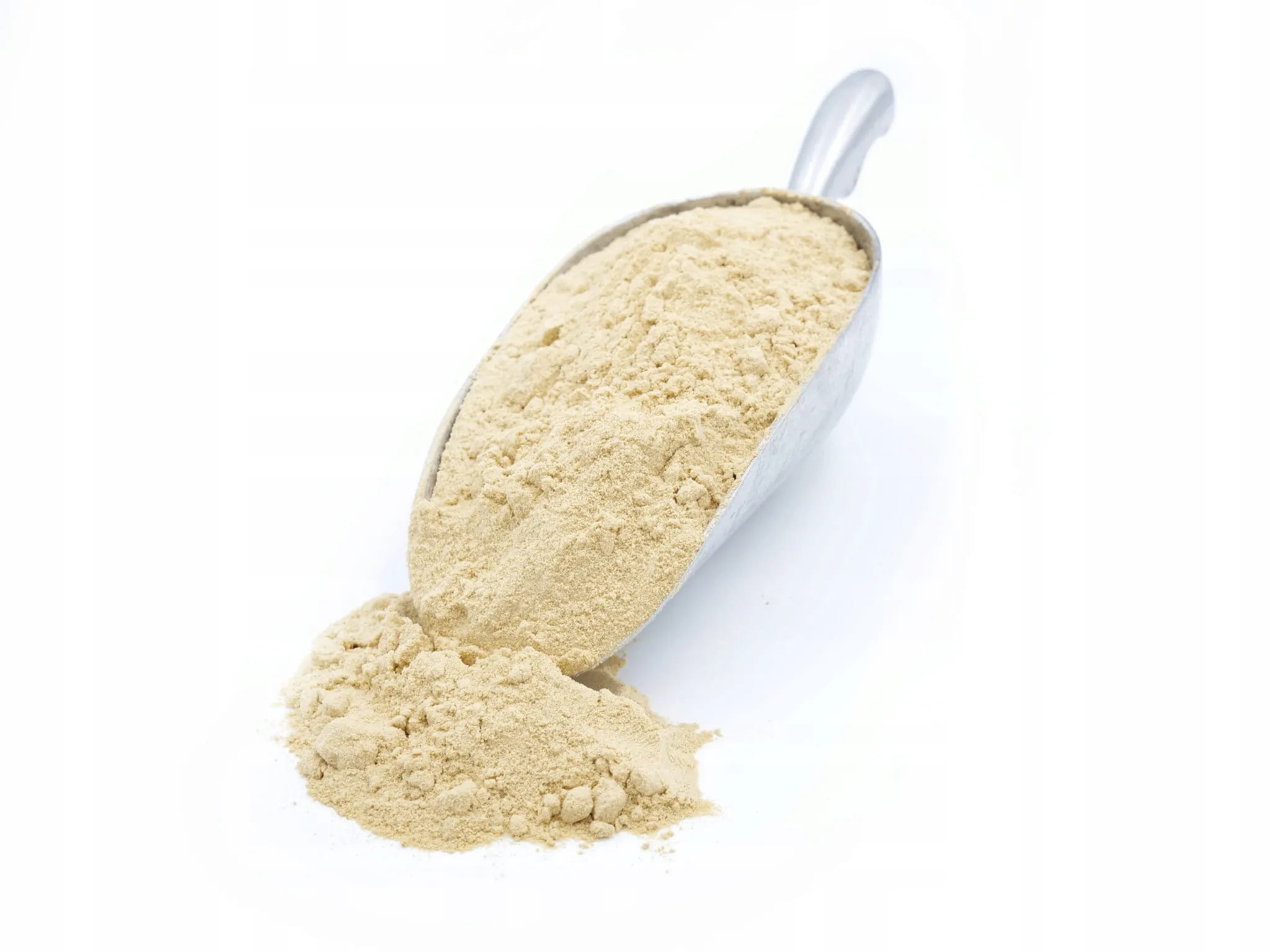
The first step in How to Compare Squid Liver Powder Suppliers is simple: define exactly what you expect to receive before you ask suppliers for a price. Without a written specification, two suppliers may quote for products that look similar but have very different nutritional and quality characteristics. This is especially important when buying marine-derived ingredients for aquaculture feed.
A practical specification should cover the main nutritional, physical, and safety parameters relevant to your formulation. FAO guidance recommends that feed manufacturers establish ingredient standards covering nutritional characteristics, origin, processing information, moisture, potential contaminants, and other relevant limitations.
If you are evaluating a supplier such as pishva holding, use the same specification when comparing its product with other suppliers. This prevents the purchasing decision from being driven by price alone.
At minimum, ask suppliers to provide information on:
- Crude protein
- Crude lipid
- Moisture
- Ash
- Particle size
- Raw-material origin
- Processing method
- Production date and batch number
- Storage conditions
- Microbiological specifications
- Relevant contaminant testing
The exact acceptance limits should be established according to your feed formulation, target species, local regulations, and manufacturing process rather than copied from another ingredient.
A useful supplier specification can be organized as follows:
| Parameter | What to compare |
| Protein | Declared value and laboratory result |
| Lipid | Level and consistency between batches |
| Moisture | Maximum acceptable level |
| Ash | Possible indication of mineral or inorganic material |
| Particle size | Suitability for your feed process |
| Origin | Species, processing source, and traceability |
| Safety | Microbiological and relevant contaminant controls |
| Documentation | COA, batch information, and quality records |
Having these requirements in writing also makes it easier to accept or reject incoming shipments. FAO recommends using ingredient specifications as part of purchasing and quality-control procedures and monitoring variation between batches.
Check Raw Material Freshness and Processing Methods
A supplier can provide an impressive laboratory report and still have problems if the squid liver was poorly handled before processing. For that reason, raw-material freshness should be one of the first questions you ask when comparing Squid liver powder suppliers.
Marine processing by-products are susceptible to deterioration, particularly when there is a long delay between collection and processing. FAO notes that the freshness of raw material affects the quality of the protein in the final meal and emphasizes minimizing the time between catching and processing while maintaining appropriate low temperatures.
Ask the supplier to explain what happens to squid liver from the time it becomes available until it enters the drying process. Important questions include:
- Where is the raw material collected?
- Is it processed soon after collection?
- How is it stored before processing?
- What drying technology is used?
- What temperatures are involved?
- How long does the drying process take?
- How is the finished powder cooled and stored?
- Is antioxidant protection used when appropriate?
- How is moisture controlled during storage?
Processing temperature deserves particular attention. Excessive heat can damage fish proteins and reduce nutritional quality even when the measured crude protein level remains relatively high. FAO’s technical guidance on fishmeal production specifically warns against prolonged exposure to excessive temperatures during cooking and drying.
Storage after drying is also important. The finished Squid liver powder should be protected from moisture, excessive heat, oxygen exposure, pests, and contamination. FAO recommends keeping feed ingredients in cool, dry storage conditions and emphasizes that storage conditions can influence deterioration and nutritional value.
When reviewing suppliers, do not simply ask, “How is it processed?” Ask for enough technical information to understand whether the process is designed to preserve the nutritional and physical quality required for your feed.
Compare Laboratory Results, Not Just the Supplier’s Product Label
A product label is a starting point, not proof that every shipment will meet your requirements. One of the most important principles in How to Compare Squid Liver Powder Suppliers is to verify supplier claims through representative sampling and laboratory analysis.
FAO explains that feed ingredients should be inspected and sampled before acceptance, and that laboratory analysis is necessary because visual appearance alone cannot establish the true nutritional value or safety of an ingredient.
Start by requesting a recent Certificate of Analysis (COA) for the specific batch being offered. Then check whether the document clearly identifies the product, batch number, production date, test methods, laboratory, and analytical results.
For squid liver powder, your evaluation may include:
| Test | Why it matters |
| Moisture | Helps assess storage stability and actual dry-matter contribution |
| Crude protein | Important for feed formulation |
| Crude lipid | Influences energy contribution and oxidation risk |
| Ash | Helps identify mineral content and possible inorganic contamination |
| Microbiological tests | Helps assess hygienic quality |
| Oxidation-related tests | Useful when the ingredient contains substantial lipid |
| Relevant contaminants | Should reflect the risks associated with the raw material and origin |
Do not automatically compare numbers from different laboratories as if they were perfectly interchangeable. Analytical methods, sampling procedures, and laboratory quality systems can influence results. FAO guidance on feed-analysis laboratories stresses method validation, calibration, quality control, proficiency testing, and reliable reporting.
Sampling itself is critical. A laboratory can produce an accurate result from a poor sample, but that result may not represent the entire shipment. FAO therefore emphasizes representative sampling as a fundamental part of feed-ingredient quality control.
For larger purchases, it is sensible to test a representative pre-shipment or arrival sample through an independent laboratory when the commercial value or quality risk justifies the additional cost. This gives you an objective basis for comparing suppliers rather than relying entirely on their own documentation.
Evaluate Batch-to-Batch Consistency Before Buying in Volume
A strong sample does not automatically mean a strong supplier. The real test is whether the supplier can deliver similar quality repeatedly. This is why batch consistency should be treated as a separate purchasing criterion when learning How to Compare Squid Liver Powder Suppliers.
FAO specifically notes that ingredient quality can vary between batches from the same supplier and recommends characterizing and monitoring this variability. Modern aquafeed quality-control guidance likewise emphasizes ingredient specifications and systematic monitoring to maintain consistency in feed production.
Before placing a large order, ask for historical laboratory data from several batches rather than reviewing only the latest COA. Ideally, compare results collected over different production periods.
Look for patterns in:
- Protein concentration
- Lipid concentration
- Moisture
- Ash
- Particle characteristics
- Microbiological results
- Oxidation indicators where relevant
For example, if one batch contains substantially more lipid than another, the difference may affect the energy contribution of the ingredient and potentially influence its storage behavior. Similarly, large changes in moisture can alter the amount of dry ingredient actually being supplied and may increase storage concerns.
A simple comparison sheet can help:
| Supplier | Batches reviewed | Protein variation | Lipid variation | Moisture variation | Overall consistency |
| Supplier A | 5 | Low | Moderate | Low | Good |
| Supplier B | 5 | Moderate | High | Moderate | Needs review |
| Supplier C | 5 | Low | Low | Low | Strong |
The figures in this example are illustrative; your purchasing team should calculate variation from actual supplier data.
It is also useful to establish an acceptance procedure before the shipment arrives. Define which specifications are critical, which deviations require investigation, and what happens when a batch fails. FAO recommends periodic sampling to verify that ingredients continue to meet established specifications and indicates that persistent delivery of substandard ingredients should trigger corrective action or supplier removal.
In practice, consistency often has greater value than an attractive result from a single sample. A supplier whose product behaves predictably from batch to batch makes feed formulation, production planning, and quality control much easier.
Assess Traceability, Quality Assurance, and Supplier Reliability
A supplier should be able to explain where the squid liver comes from, how it is processed, how each batch is identified, and how quality is checked before shipment. This is a critical part of How to Compare Squid liver powder Suppliers, particularly when the ingredient will be used regularly in commercial aquaculture feed production.
FAO guidance recommends purchasing feed ingredients from reputable suppliers that can meet defined specifications and provide information about origin, processing, potential hazards, quality-assurance procedures, and analytical results. It also recommends reviewing supplier references, historical laboratory data, written quality programs, and representative samples when qualifying a new supplier.
Before approving a supplier, ask for documentation that allows you to trace a shipment back to its production batch. Useful records include:
- Raw-material origin and source
- Production date and batch number
- Processing information
- Certificate of Analysis (COA)
- Storage and transportation conditions
- Quality-control procedures
- Relevant microbiological and contaminant testing
- Product specifications and acceptance limits
Traceability becomes especially valuable when a batch does not meet your requirements. If the supplier can identify the affected production lot, raw-material source, and distribution records, investigating the problem is much easier.
Quality assurance should also extend beyond the final product. Ask how the supplier controls incoming raw materials, production hygiene, equipment cleanliness, sampling, laboratory testing, and finished-product storage. FAO recommends systematic quality control because ingredients can vary even when they come from the same supplier.
Reliability is another practical consideration. A supplier may offer a good product but still be unsuitable if deliveries are frequently delayed or specifications change without notice. Check whether the company can maintain the required volume and quality over time.
A simple supplier review can include:
| Area | Questions to ask |
| Traceability | Can every shipment be linked to a production batch? |
| Quality assurance | Is there a documented QC system? |
| Documentation | Are COAs and specifications available? |
| Supply reliability | Can the supplier maintain regular deliveries? |
| Corrective action | What happens when a batch fails specifications? |
FAO specifically recommends removing suppliers that repeatedly deliver substandard ingredients unless they can demonstrate effective corrective action.
Compare Pricing on a Nutritional and Delivered-Cost Basis
Price per kilogram is useful, but it should never be the only number used to compare squid liver powder suppliers. Two products can have different moisture, protein, lipid, ash, packaging, freight, or minimum-order requirements, making a simple price-per-ton comparison misleading.
A better approach is to calculate the real delivered cost and then consider the nutritional value of the ingredient. FAO emphasizes that feed ingredients should be evaluated according to their actual composition and suitability for the intended feed rather than appearance or a single quality characteristic.
Start by collecting the complete quotation from every supplier. Include:
- Product price
- Packaging cost
- Freight and insurance
- Import or handling charges, where applicable
- Minimum order quantity
- Payment terms
- Storage requirements
- Laboratory testing costs
- Expected delivery time
Then compare the products on a dry-matter basis. Moisture can make a lower-priced product less attractive because part of the purchased weight is water rather than usable dry material.
For example, consider two hypothetical products:
| Cost factor | Supplier A | Supplier B |
| Quoted price/kg | $1.80 | $1.95 |
| Moisture | 8% | 5% |
| Delivered cost/kg | $1.90 | $2.00 |
| Approx. dry matter/kg | 0.92 kg | 0.95 kg |
| Delivered cost per kg dry matter | $2.07 | $2.11 |
The calculation above is only an example. Actual purchasing decisions should use verified supplier data and the nutrient specifications required by your formulation.
Lipid content also deserves attention. Squid liver products can contain substantial amounts of fat, so storage stability and oxidation control may influence their practical value. FAO notes that lipid oxidation is an important deterioration process in lipid-containing feed ingredients and that storage conditions can affect nutritional quality.
Finally, consider the cost of inconsistency. If a cheap ingredient varies significantly between batches, your nutritionist may need to reformulate more frequently, and production may become less predictable. A slightly higher purchase price can therefore be reasonable if the supplier provides stable specifications, reliable delivery, and better documentation.
The goal is not to find the cheapest squid liver powder. It is to identify the supplier that provides the best combination of usable nutritional value, quality, consistency, and total delivered cost.
Use a Supplier Comparison Scorecard Before Making the Final Purchase
Once you have collected specifications, laboratory results, pricing, and supplier documentation, put everything into one comparison sheet. This is one of the easiest ways to apply How to Compare Squid Liver Powder Suppliers without allowing one attractive feature—usually a low price—to dominate the decision.
A scorecard allows your purchasing and technical teams to evaluate suppliers against the same criteria. FAO recommends defining ingredient specifications, reviewing supplier quality systems, checking laboratory information, requesting representative samples, and verifying supplier reliability when qualifying new sources.
A practical scorecard might look like this:
| Criterion | Suggested weight | What to evaluate |
| Nutritional quality | 25% | Protein, lipid, moisture, ash and formulation suitability |
| Batch consistency | 20% | Variation across historical batches |
| Safety and QC | 15% | Microbiological and relevant contaminant controls |
| Traceability | 10% | Batch identification and origin records |
| Processing | 10% | Raw-material handling and drying controls |
| Delivered cost | 10% | Product, freight and other purchasing costs |
| Supply reliability | 10% | Capacity, lead time and delivery history |
The percentages are not universal requirements. Adjust them according to your production priorities and risk profile.
For example, if the ingredient will be used continuously in a large feed mill, consistency and supply reliability may deserve more weight than a small difference in purchase price. If the supplier is new, documentation and laboratory verification may deserve additional attention.
Do not rely entirely on paperwork, either. FAO recommends obtaining representative ingredient samples and analyzing appropriate parameters when evaluating new suppliers.
Before approving a supplier, a sensible process is:
- Review the technical specification.
- Check the supplier’s documentation and traceability system.
- Request recent COAs and historical batch data.
- Obtain a representative sample.
- Conduct appropriate laboratory testing.
- Calculate the actual delivered cost.
- Score the supplier against your predefined criteria.
- Place a controlled initial order before moving to larger volumes.
This approach creates an auditable purchasing decision. More importantly, it helps separate a supplier that simply offers an attractive quotation from one that can consistently provide a suitable ingredient for aquaculture feed.
Final Checklist for Choosing a Reliable Squid Liver Powder Supplier
A good supplier should make quality easier to verify, not harder. When applying the principles of How to Compare Squid Liver Powder Suppliers, avoid judging products solely by their quoted price or the appearance of a sample. A reliable purchasing process starts with written specifications and continues with representative sampling, laboratory testing, and batch monitoring. FAO recommends using ingredient specifications, periodic sampling, Certificates of Analysis, supplier quality-assurance records, and representative samples when evaluating feed-ingredient suppliers.
For squid liver powder, pay particular attention to the following:
- Nutritional composition: Compare moisture, crude protein, lipid, and ash against your formulation requirements.
- Freshness and processing: Ask about raw-material handling, drying conditions, and storage practices. Excessive heat can negatively affect protein quality in marine-derived meals.
- Batch consistency: Review results from multiple batches instead of accepting one successful sample as proof of consistent quality.
- Safety and contamination control: Check the supplier’s testing and quality-assurance procedures for relevant microbiological, chemical, and physical hazards.
- Traceability: Make sure the supplier can identify the origin, production batch, and supporting documentation for each shipment.
- Real purchasing cost: Include freight, packaging, minimum order quantities, storage, and potential losses when comparing prices.
Ultimately, the strongest supplier is the one that consistently meets agreed specifications and provides transparent documentation. A slightly higher price can be justified when it comes with dependable quality, predictable formulation performance, and lower procurement risk.
FAQ
- What is the most important factor when comparing squid liver powder suppliers?
There is no single factor that determines supplier quality. Nutritional specifications, batch consistency, freshness, safety, traceability, documentation, supply reliability, and total cost should be evaluated together. A supplier that consistently meets your specifications is generally more valuable than one offering a lower price with unpredictable quality.
- What documents should I request from a squid liver powder supplier?
At minimum, request a current product specification, Certificate of Analysis, batch information, production date, raw-material origin, processing details, storage recommendations, and relevant quality or safety documentation. For new suppliers, FAO also recommends reviewing historical laboratory data, quality-assurance procedures, references, and representative samples.
- Why is batch consistency important in squid liver powder?
Nutritional composition can vary between batches, even when the ingredient comes from the same supplier. Changes in protein, lipid, moisture, or ash can affect feed formulation and manufacturing. FAO recommends characterizing and monitoring ingredient variability through periodic sampling and analysis.
- Should I choose the supplier with the lowest price?
Not necessarily. The quoted price should be evaluated alongside moisture, nutrient composition, freight, packaging, minimum order quantities, testing costs, and quality consistency. A cheaper product may have a higher effective cost if it contains more moisture or creates greater formulation variability.
- Should squid liver powder be tested by an independent laboratory?
For a new supplier or high-value shipment, independent testing can provide an additional layer of verification. The specific tests should reflect your feed formulation, supplier specification, regulatory requirements, and known risks. Representative sampling is essential because laboratory results are only meaningful when the sample accurately represents the shipment.
- How can I check whether a supplier is reliable?
Review delivery history, references, historical COAs, production capacity, traceability records, quality-assurance procedures, and the supplier’s response to previous quality problems. A controlled initial order can also provide practical evidence of whether the supplier can maintain agreed specifications and delivery requirements.
- What is the best way to compare several suppliers objectively?
Use a weighted supplier scorecard. Give defined weights to nutritional quality, consistency, safety, traceability, processing, delivered cost, and supply reliability. Then score every supplier using the same criteria. This makes the final decision easier to justify and reduces the risk of selecting a supplier based only on price.
- Can a high-protein squid liver powder automatically be considered better?
No. Protein concentration is important, but it does not describe the entire quality of an ingredient. Moisture, lipid quality, ash, processing conditions, oxidation, contaminants, digestibility, and batch consistency can also affect its practical value. FAO guidance recommends evaluating feed ingredients using a broader set of nutritional, physical, and safety characteristics.