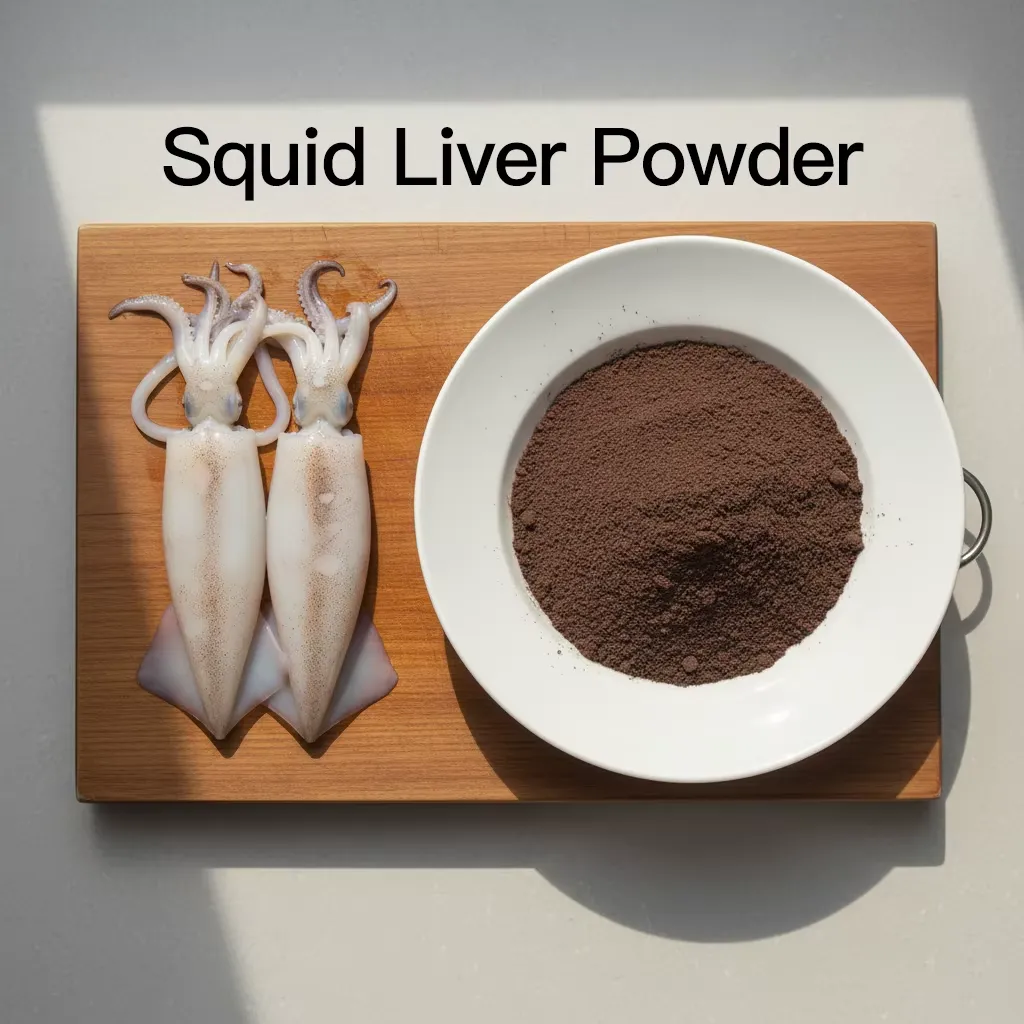
The most important point in Squid Liver Powder in Aquaculture Feed Formulation is not simply how much of the ingredient to add, but why it is being added and what role it should play in the final diet. Squid liver powder is used in aquaculture feeds because squid-derived ingredients can provide marine proteins and lipids while also contributing to feed attraction, particularly in shrimp diets.
FAO reports that squid liver powder has commonly been used in commercial shrimp feeds, with typical inclusion levels historically reported around 2–5%. However, the appropriate level depends on the species, feed composition, ingredient quality, and formulation objective. Research has also shown that squid liver meal can influence feeding responses in shrimp, although its performance as an attractant should not be assumed to be identical to every other marine ingredient.
Therefore, successful formulation requires more than following a fixed inclusion rate. In the sections below, we will examine the nutritional role, attractability, inclusion level, quality control, and practical formulation considerations that feed manufacturers should evaluate before using this ingredient.
Why Squid Liver Powder Is Used in Aquaculture Feed Formulation
A well-designed aquafeed needs to do more than meet protein and energy requirements. It also needs to attract the animal quickly, encourage consistent feeding, and remain nutritionally balanced throughout the production cycle. This is where squid liver powder can have a useful role.
In Squid Liver Powder in Aquaculture Feed Formulation, the ingredient is generally considered a functional marine-derived component rather than simply another protein source. FAO data list squid liver meal among protein-rich ingredients used in compound aquafeeds, with reported inclusion ranges of 1–5% for finfish and 1–10% for crustaceans.
One reason formulators consider squid-derived ingredients is their contribution to compounds associated with feeding stimulation. Research on juvenile blue shrimp found that squid liver meal was evaluated for attractability and palatability alongside fishmeal, fish hydrolysate, and krill meal. Aquatic animal ingredients can contain free amino acids, small peptides, taurine, nucleotides, and other compounds that shrimp can detect through their chemosensory systems.
For companies such as pishva holding, the practical value of this ingredient therefore depends on more than its protein percentage. Raw-material quality, processing conditions, freshness, lipid stability, particle size, and consistency between batches all matter when the powder is incorporated into a commercial feed.
A sensible formulation approach is to evaluate squid liver powder according to three questions:
- Does it contribute useful nutrients?
- Does it improve feed attraction or intake?
- Does its performance justify its inclusion cost?
This approach helps prevent overuse and keeps the formulation focused on measurable feed performance.
Key Nutritional Components of Squid Liver Powder for Fish and Shrimp Feeds
The nutritional value of squid liver powder should be assessed as a complete profile rather than through crude protein alone. Depending on the squid species, raw material, separation process, drying method, and storage conditions, its composition can vary considerably. For feed manufacturers, this means that laboratory analysis of each incoming batch is more reliable than assuming that every squid liver powder has the same nutritional characteristics.
The ingredient can contribute marine-derived protein and lipid fractions, while its soluble components may also be relevant to feeding stimulation. Research investigating squid liver meal in shrimp feeds specifically examined soluble protein, small-chain peptides, free amino acids, taurine, and nucleotides because these compounds are associated with the chemical cues used by shrimp when locating and consuming food.
For practical formulation, several parameters deserve attention:
| Parameter | Why it matters |
| Crude protein | Contributes to the dietary protein supply |
| Lipid | Adds energy but requires oxidation control |
| Free amino acids | May contribute to feeding stimulation |
| Small peptides | Can contribute to soluble feeding cues |
| Taurine | Relevant to the functional profile of marine ingredients |
| Moisture | Affects stability and effective nutrient concentration |
| Ash | Helps assess mineral content and ingredient consistency |
The nutritional contribution should then be incorporated into the overall formulation rather than calculated in isolation. FAO guidance recommends considering ingredient composition, digestibility, quality control, and cost when selecting ingredients for aquafeeds.
This is also why Squid liver powder should be evaluated using a current certificate of analysis whenever possible. Protein, lipid, moisture, ash, and relevant quality indicators can differ between suppliers and production batches.
For shrimp diets, the functional fraction may be particularly valuable when the formulation contains substantial quantities of less-attractive alternative protein sources. In that situation, the ingredient can be considered not only for its nutrients but also for its potential contribution to feeding behavior.
How Squid Liver Powder Improves Feed Attractability and Palatability
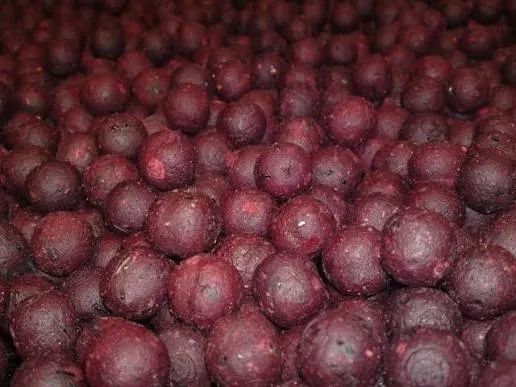
Getting shrimp or fish to consume a pellet is the first practical step toward obtaining nutritional value from it. A nutritionally excellent feed has limited value if the cultured animal does not find it attractive enough to locate, taste, and ingest. This distinction makes attractability and palatability important considerations when evaluating squid liver powder.
Attractability refers broadly to the ability of a feed or ingredient to stimulate the animal’s feeding response and draw it toward the feed. Palatability concerns what happens after contact, including whether the animal continues to taste and consume the diet. These responses are influenced by chemical compounds that aquatic animals can detect in their surrounding water.
A study published in Aquaculture evaluated squid liver meal among several aquatic and terrestrial protein ingredients in juvenile Litopenaeus stylirostris. The researchers examined free amino acids, nucleotides, taurine, soluble protein, and small peptides and assessed their relationship with attractability and palatability.
This suggests an important formulation principle: do not judge a marine ingredient only by its crude nutrient composition.
In practical feed development, manufacturers can assess the ingredient by monitoring:
- Initial feeding response
- Time taken for shrimp to locate the feed
- Feed consumption
- Uneaten pellet quantity
- Feed intake over repeated feeding periods
- Growth and feed conversion during longer trials
It is also important not to assume that every squid-derived ingredient will produce the same response. Recent research on marine protein sources in purple mud crab found differences in feeding preference among fishmeal, squid meal, and shrimp meal-based diets, demonstrating that species-specific feeding responses matter.
For this reason, squid liver powder is best evaluated within the actual target species and finished-feed formulation rather than judged solely from its ingredient specification.
Choosing the Right Inclusion Level of Squid Liver Powder in Aquafeeds
There is no single inclusion rate that can be applied to every aquaculture feed. The appropriate level depends on the cultured species, life stage, nutritional requirements, the rest of the formula, ingredient quality, and the purpose for which squid liver powder is being added.
FAO’s ingredient database reports squid liver meal at 1–5% for finfish, with a mean use of 1–3%, and 1–10% for crustaceans, with a mean use of 2–6%. These figures are useful reference points, but they should not be interpreted as universal recommendations for modern commercial diets.
A more practical formulation strategy is to begin with a defined functional objective and then test several inclusion levels. For example:
| Formulation stage | Main question |
| Low inclusion | Does a small amount improve feed attraction? |
| Intermediate inclusion | Does the additional ingredient improve intake enough to justify its cost? |
| Higher inclusion | Does the benefit continue, or do nutritional and economic constraints appear? |
| Final validation | Does the selected level improve actual production performance? |
The rest of the formulation must also be recalculated whenever the inclusion level changes. Increasing squid liver powder can alter protein, lipid, energy, amino-acid supply, ash, and potentially the physical characteristics of the finished pellet.
FAO specifically cautions that practical diets should not simply be copied from one formulation to another because ingredient composition, digestibility, physical properties, manufacturing conditions, and raw-material quality can vary between suppliers and locations.
Therefore, the best approach to Squid Liver Powder in Aquaculture Feed Formulation is incremental testing rather than choosing a percentage based solely on a published range. The final inclusion level should be supported by feed intake, growth, feed conversion, survival, pellet stability, and cost-per-unit of production.
How to Balance Squid Liver Powder With Fishmeal and Other Protein Sources
Using squid liver powder effectively does not mean replacing fishmeal at a fixed percentage. The better approach is to treat each ingredient according to the nutrients and functional properties it contributes to the complete diet. In Squid Liver Powder in Aquaculture Feed Formulation, squid liver powder can complement fishmeal and other marine or plant protein sources, particularly when the formulation needs both nutritional value and attractive feeding characteristics.
Fishmeal remains a valuable aquafeed ingredient because it provides highly digestible protein and a useful amino acid profile. However, relying too heavily on one protein source can increase formulation costs and expose the diet to fluctuations in ingredient availability and composition. Combining complementary protein sources allows the formulator to manage these limitations.
When squid liver powder is introduced, the formulation should be recalculated rather than simply added on top of the existing recipe. Pay particular attention to:
- Crude protein and digestible protein
- Essential amino acid balance
- Lipid and energy contribution
- Ash and mineral content
- Taurine and other functional nutrients
- Feed attractability
- Ingredient cost
A practical formulation sequence is to establish the nutritional requirements of the target species first, then determine the contribution of fishmeal and alternative proteins. Squid liver powder can subsequently be positioned according to its measured composition and intended function.
This is particularly important in shrimp diets, where feed intake can be influenced by water-soluble chemical cues. Research has investigated squid liver meal alongside fishmeal and other ingredients because compounds such as free amino acids and small peptides may contribute to feeding stimulation.
The final formula should therefore balance nutritional contribution, feeding response, pellet quality, and cost, rather than maximizing the inclusion of any individual marine ingredient.
Quality Control: What to Check Before Using Squid Liver Powder in Feed
Consistent raw-material quality is one of the most important factors when working with squid liver powder. Two batches with the same product name can perform differently if their raw materials, processing conditions, moisture levels, or storage histories differ. For commercial feed production, every incoming batch should therefore be evaluated against defined specifications.
At minimum, the quality-control program should examine the following:
| Quality parameter | Why it matters |
| Moisture | Influences stability and effective nutrient concentration |
| Crude protein | Determines its contribution to dietary protein |
| Total lipid | Affects energy value and oxidation risk |
| Ash | Helps identify mineral content and batch variation |
| Peroxide/oxidation indicators | Important for assessing lipid deterioration |
| Microbiological quality | Helps identify contamination risks |
| Physical appearance | Can reveal abnormal processing or storage |
| Odor | Unusual odors may indicate deterioration |
The lipid fraction deserves particular attention. Marine ingredients containing substantial amounts of unsaturated fatty acids can be vulnerable to oxidation when exposed to oxygen, heat, light, or prolonged storage. Oxidized raw materials can compromise feed quality even when their basic protein analysis appears acceptable.
FAO guidance on aquafeed ingredients emphasizes the importance of evaluating composition, quality, digestibility, storage characteristics, and safety rather than selecting ingredients on crude protein alone.
Manufacturers should also request a current certificate of analysis from the supplier and establish acceptance limits before purchasing large quantities. Where appropriate, additional testing for microbiological contamination, heavy metals, or other contaminants should be based on the intended species, regulatory requirements, and source of the raw material.
For Squid liver powder in Aquaculture Feed Formulation, consistency is especially important. If one batch contains considerably more lipid or moisture than another, the final feed formula may no longer deliver the same nutrient density. Routine quality control protects both feed performance and production economics.
Practical Formulation Tips for Using Squid Liver Powder in Aquaculture Diets
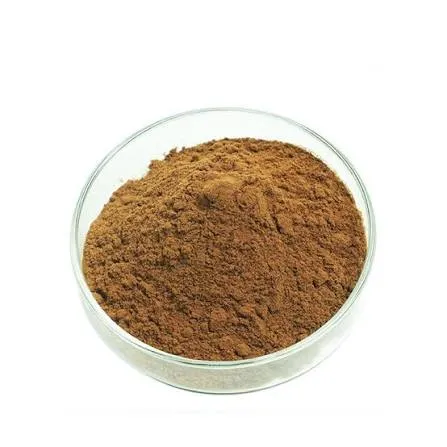
The most reliable way to use squid liver powder is to introduce it with a clear formulation objective and then verify its effect in the finished feed. It can be considered as a nutritional ingredient, a potential feeding stimulant, or a combination of both. The correct role depends on the target species and the composition of the complete diet.
Start by analyzing the actual batch rather than relying exclusively on a standard specification. Once the nutrient profile is available, enter the values into the formulation matrix and account for its contribution to protein, lipid, energy, amino acids, and minerals.
A practical workflow is:
Define the target species and life stage. Nutrient requirements differ among shrimp, marine fish, freshwater fish, larvae, and juveniles.
Analyze the squid liver powder. Confirm moisture, protein, lipid, ash, and relevant quality indicators.
Set a conservative initial inclusion level. Published ranges provide context, but they should not replace formulation trials.
Rebalance the complete diet. Do not simply add squid liver powder without adjusting other ingredients.
Check pellet characteristics. Binding, water stability, sinking behavior, and nutrient leaching can affect practical performance.
Run a feeding trial. Compare feed intake, growth, FCR, survival, and other relevant production indicators.
Calculate economic performance. A more expensive formula is justified only when the resulting production benefit supports the additional cost.
FAO data have historically reported squid liver meal inclusion ranges of approximately 1–5% in finfish feeds and 1–10% in crustacean feeds, although actual commercial and experimental formulations can vary substantially.
Another useful consideration is when and how the ingredient is incorporated. If the primary objective is feed attraction, processing conditions should be reviewed carefully because excessive heat can alter some soluble compounds. Coating or post-pellet application may also be worth testing when the formulation objective is specifically related to attractability.
Ultimately, successful Squid Liver Powder in Aquaculture Feed Formulation should be demonstrated in the finished diet, not assumed from the ingredient label. A small controlled trial can reveal whether the ingredient is actually improving consumption and production performance enough to justify its place in the formula.
Key Takeaways for Using Squid Liver Powder in Aquaculture Feed Formulation
A good aquafeed formula starts with a clear purpose for every ingredient. Squid Liver Powder in Aquaculture Feed Formulation can be particularly useful when the formulator wants to introduce a marine-derived ingredient while supporting feed attraction and overall dietary quality. However, it should be treated as one component of a balanced formulation rather than as a universal solution for improving feed performance.
FAO guidance emphasizes that ingredient selection should consider composition, digestibility, quality, physical characteristics, and cost rather than relying on inclusion percentages alone.
For shrimp feeds, historical FAO data place typical squid liver powder inclusion around 2–5%, but this range should be viewed as a practical reference rather than a fixed recommendation for every species or production stage. Feed manufacturers should also evaluate the ingredient’s freshness, moisture, lipid stability, protein quality, and consistency between batches before incorporating it into production.
Most importantly, formulation decisions should be validated through feeding trials. Feed intake, growth, feed conversion, survival, and pellet stability provide more useful evidence than ingredient specifications alone. Studies on shrimp have demonstrated that different marine attractants can produce substantially different feeding responses, reinforcing the need for practical testing. By combining laboratory quality control with controlled feeding trials, manufacturers can determine whether squid liver powder is delivering enough nutritional or functional value to justify its cost.
FAQ
- Is squid liver powder suitable for shrimp feed?
Yes. Squid liver-derived ingredients have been used and studied in shrimp diets, particularly because marine-derived compounds may contribute to feed attraction. However, suitability depends on ingredient quality, formulation, shrimp species, and inclusion level.
- What is the typical inclusion level of squid liver powder?
FAO has reported historical practical ranges of approximately 1–5% for finfish and 1–10% for crustaceans. These figures should be treated as reference ranges rather than universal recommendations.
- Can squid liver powder replace fishmeal completely?
It should not be assumed that squid liver powder can directly replace fishmeal on a one-to-one basis. Their nutrient profiles, digestibility, amino acid contributions, lipid levels, and functional properties can 4. differ. A replacement strategy requires complete diet reformulation and feeding validation.
Why can squid liver powder improve feed attraction?
Squid-derived ingredients can contain water-soluble compounds such as free amino acids and small peptides that aquatic animals can detect through their chemosensory systems. Their actual effect depends on the ingredient and target species.
- What quality tests should be performed?
Moisture, crude protein, lipid, ash, oxidation indicators, microbiological quality, and physical characteristics are useful starting points. Additional contaminant testing may be necessary depending on the raw-material source and applicable feed regulations.
- Does processing affect squid liver powder performance?
Yes. Drying temperature, processing conditions, and storage can influence nutrient stability and the condition of sensitive compounds. Feed manufacturers should therefore evaluate both the raw ingredient and the finished feed.
- How can manufacturers determine the best inclusion level?
The best level should be established through formulation calculations followed by controlled feeding trials. Feed intake, growth, FCR, survival, pellet stability, and cost per unit of production are useful performance indicators.
- Is squid liver powder useful only as a feed attractant?
No. Its value can extend beyond attraction because it also contributes nutrients. Its exact nutritional contribution depends on the composition and processing of the specific product.