Discovering the best way to preserve caviar starts with understanding its shelf life. When it comes to enjoying this luxurious delicacy, freshness is not just a preference—it directly affects flavor, texture, and safety. Fresh, frozen, and pasteurized caviar each offer unique advantages, but they also come with specific limitations in terms of storage and longevity. Fresh caviar delivers unmatched taste but must be consumed quickly, while pasteurized varieties extend usability at the cost of subtle flavor nuances.
Frozen caviar provides the longest storage option but can compromise delicate textures if not handled properly.
Knowing these differences allows chefs, retailers, and enthusiasts to make informed decisions, prevent spoilage, and enjoy caviar at its peak quality. In this guide, we’ll provide a clear, science-based Shelf Life Comparison of Fresh, Frozen, and Pasteurized Caviar, highlighting practical storage tips, optimal conditions, and safety considerations. Keep reading to ensure every serving reaches its full potential.
Fresh (Non‑Pasteurized) Caviar: Premium Flavor, Short Shelf Life
Fresh caviar is widely considered the gold standard among fine dining connoisseurs because it delivers the truest expression of roe flavor — subtle, buttery, and delicate on the palate. When comparing the Shelf Life Comparison of Fresh, Frozen, and Pasteurized Caviar, fresh caviar stands out for its exceptional sensory quality, though this advantage comes with a trade‑off in longevity and ease of storage.
Authentic suppliers such as Caviar by Pishva Holding emphasize that real fresh caviar must be handled with extreme care from the moment it is harvested. Because fresh caviar is not heat‑treated, its enzymes remain active, meaning the texture and flavor begin to change as soon as it leaves the fish. Batches of fresh caviar are typically cured with a low level of salt (often called “malossol”), which preserves flavor but does not significantly extend shelf life.
In practical terms, fresh caviar should be kept refrigerated at temperatures close to 28–32°F (–2 to 0°C) and consumed within a short timeframe once opened. In unopened, carefully chilled tins, shelf life can range from four to six weeks depending on processing and storage condition. After opening, oxygen exposure accelerates degradation, and most chefs recommend consumption within 1–3 days for peak sensory quality.
Unique chemical characteristics of fresh caviar — including high moisture, sensitive fats, and delicate membrane structure — make it less stable than other forms, but this very delicacy is what true purists seek. The goal is to experience every nuance of the roe before the inevitable decline in texture and aroma begins.
Pasteurized Caviar: Longer Storage, Slight Quality Trade‑Offs
When undertaking a Shelf Life Comparison of Fresh, Frozen, and Pasteurized Caviar, pasteurized caviar occupies a middle ground between freshest quality and practical longevity. Pasteurization applies gentle heat after curing to reduce microbial activity and stabilize the product for extended storage, while still preserving much of the original character of the roe.
Current Caviar Market Trends show that pasteurized caviar is increasingly popular with food service professionals, retailers, and gift markets because it offers a much longer shelf life than fresh caviar without the drastic sensory compromise that often accompanies freezing. Typical commercial pasteurization raises the temperature to a point where spoilage bacteria are substantially reduced, but not high enough to completely alter flavor profiles.
In terms of longevity, pasteurized caviar can be stored unopened under refrigeration for 6–12 months, depending on the producer and salt concentration. Once opened, it retains quality for about three to five days when kept cold and sealed. Many fine caviar brands use precision pasteurization to strike a balance: firm enough to extend freshness, yet gentle enough to preserve nuanced flavor.
From a culinary standpoint, pasteurized caviar works exceptionally well for plated dishes, luxurious appetizers, and occasions where logistical flexibility is important. While the texture may be slightly softer compared to fresh roe, many consumers consider this acceptable in exchange for the ease of storage and reduced spoilage risk.
Frozen Caviar: Longevity vs. Texture Risks
In a comprehensive Shelf Life Comparison of Fresh, Frozen, and Pasteurized Caviar, freezing represents the longest potential storage option, but it comes with trade‑offs that serious caviar lovers should understand. By dropping temperatures below the freezing point, the biochemical processes that degrade caviar slow dramatically, theoretically preserving it for many months.
However, freezing affects cell membranes within the eggs, and the delicate texture that defines premium caviar can be compromised. Leading caviar connoisseurs — including those at Pristine Caviar — emphasize that freezing is best used as a last‑resort preservation method when long‑term storage is critical and premium texture can be sacrificed. The ideal freezing strategy includes vacuum‑sealed packaging and maintenance of a constant deep freeze to prevent crystal formation and textural breakdown.
After careful packaging, frozen caviar can last up to one year or more, but once thawed, quality should be consumed promptly and not refrozen. Experts recommend transferring frozen caviar from the freezer directly into the main refrigerator compartment for 12–24 hours to thaw gradually. Rapid thawing can cause moisture separation and a mushy appearance.
When considering frozen caviar, acknowledge its strengths in extended preservation but also understand the sensory penalty. While it’s ideal for long‑term holding or travel situations, top chefs and gourmets typically prefer fresh or pasteurized options when texture and nuance are priorities.
What Happens When Caviar Goes Bad? Sensory and Safety Signals
Understanding the Shelf Life Comparison of Fresh, Frozen, and Pasteurized Caviar would be incomplete without clearly identifying how to recognize spoilage. Caviar is rich in fats, proteins, and moisture — an ideal environment for flavor, and potentially, microbial growth. Knowing what to look for helps protect both enjoyment and food safety.
Here are clear sensory indicators that caviar has degraded:
- Off or sour smell: Fresh caviar should have a mild, ocean‑like aroma. A sharp, tangy, or overly fishy odor suggests breakdown of fats and microbial activity.
- Color changes: Discoloration ranging from dusky gray to brownish tones often signals oxidation and quality decline.
- Liquid separation: Excess clear or milky fluid around the eggs, known as “weep,” especially with a slimy texture, indicates breakdown of membranes.
- Texture softening: Premium roe should hold a firm, plump shape. Mushy, flattened, or burst eggs point toward spoilage.
From a food safety perspective, consuming spoiled caviar carries risk of gastrointestinal upset. Unlike pasteurized products, fresh caviar has minimal microbial barriers and will deteriorate fastest unless stored properly. Pasteurized caviar resists spoilage longer, but even it has limits once opened and exposed to air. Frozen caviar, if thawed improperly, can also show signs of spoilage faster than expected.
Safety experts recommend setting firm time limits for consumption once packaging is opened and maintaining consistent cold temperatures. When in doubt, it’s better to err on the side of caution — spoiled caviar can be easily identified by smell and texture before any serious harm occurs.
Practical Tips for Extending Caviar Shelf Life
Preserving quality within the Shelf Life Comparison of Fresh, Frozen, and Pasteurized Caviar means applying best practices that align with modern refrigeration science and culinary wisdom. Regardless of caviar type, storage strategy makes a significant difference in how long the product remains enjoyable.
Best Storage Practices:
- Refrigerate immediately: Fresh and pasteurized caviar should be stored at coldest possible refrigerator spots (28–32°F or –2 to 0°C).
- Minimize oxygen exposure: Keep original tins or jars sealed until serving. Exposure to air accelerates oxidation and quality loss.
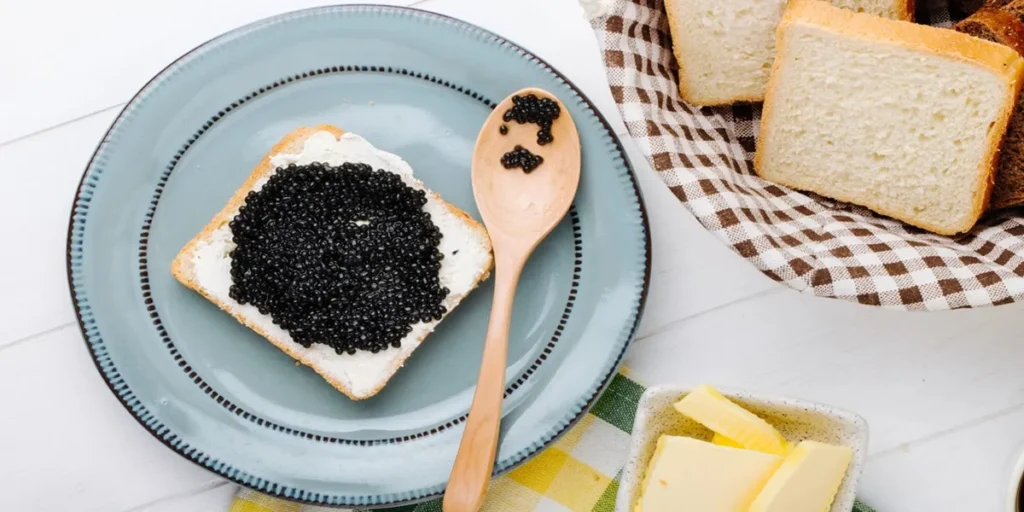
- Use proper utensils: Avoid metal spoons; use mother‑of‑pearl, wood, or high‑grade plastic to prevent off‑flavors.
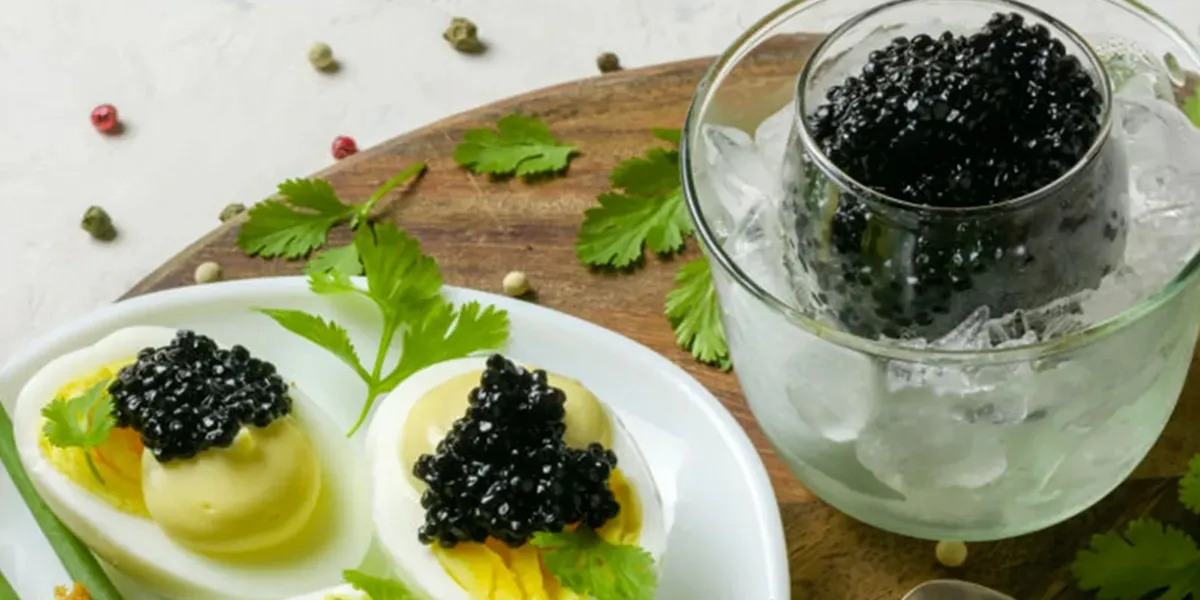
- Serve over ice: Maintaining cold temperature during service slows quality degradation.
Avoid temperature fluctuation: Opening and closing coolers frequently invites warm air, reducing overall shelf life.
Quick Comparison Table
| Caviar Type | Typical Unopened Life | Once Opened | Notes |
| Fresh | 4–6 weeks | 1–3 days | Best taste, most fragile |
| Pasteurized | 6–12 months | 3–5 days | Stable with slight flavor softening |
| Frozen | Up to 12+ months | Eat after thaw | Longest life, possible texture change |
Additional practical tips include storing caviar toward the back of the fridge to avoid temperature swings near the door and labeling containers with opening dates to track freshness. Ultimately, proper handling multiplies the enjoyment of every serving, helping you make the most of whatever caviar form you choose.
Summary: Choosing the Right Caviar Based on Shelf Life Needs
When it comes to caviar, timing is everything. Understanding the shelf life of fresh, frozen, and pasteurized caviar ensures every bite delivers the luxurious experience expected from this gourmet delicacy. Fresh caviar offers peak flavor and delicate texture but requires prompt consumption, typically within a few days after opening. Pasteurized caviar extends usability, making it practical for longer-term storage or culinary planning, though slight changes in aroma and mouthfeel are expected. Frozen caviar provides maximum longevity, often up to a year, but thawing must be managed carefully to avoid compromising the eggs’ texture.
Proper refrigeration, minimal exposure to air, and careful handling are essential across all types to maintain safety and quality. By understanding these differences, you can confidently choose the caviar type that matches your needs—whether serving at an exclusive dinner, gifting a premium product, or storing for future enjoyment. This Shelf Life Comparison of Fresh, Frozen, and Pasteurized Caviar empowers you to make informed decisions, optimize storage, and preserve the unique taste and integrity of this exquisite ingredient for every occasion.
FAQs
1. How long does fresh caviar last in the fridge?
Fresh caviar typically lasts about 4–6 weeks unopened under ideal refrigeration and about 1–3 days after opening.
2. Is pasteurized caviar better than fresh caviar?
Pasteurized caviar isn’t inherently “better,” but it does offer longer shelf life and easier storage. Fresh caviar, though more delicate, often delivers superior flavor.
3. Can I freeze caviar without losing quality?
Freezing preserves safety and extends storage up to a year, but delicate texture can soften, making it less ideal for premium presentation.
4. What are the signs that caviar has gone bad?
Strong sour smell, liquid separation, color change, and mushy texture are clear indicators of spoilage.
5. How should caviar be served for best quality?
Serve chilled over ice using non‑metal utensils to maintain flavor and texture.