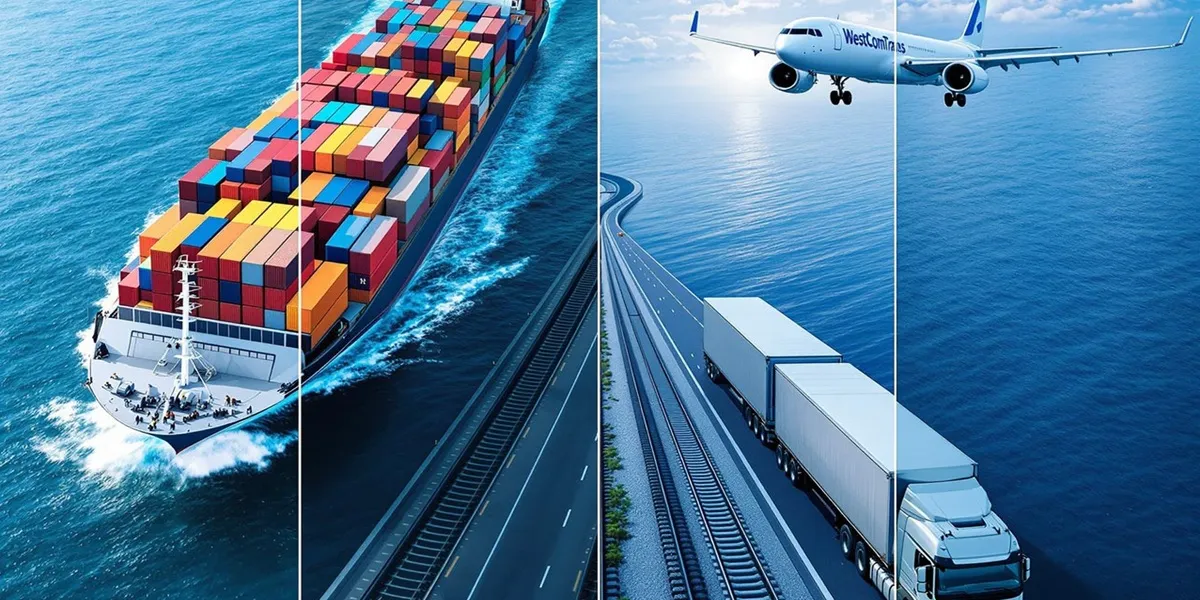
Efficiency and freshness are non-negotiable in seafood trade. For businesses exporting Iranian seafood, understanding the nuances of Seafood Logistics from Iran is the difference between delivering premium products on time and losing market credibility. Seafood is highly perishable, and even minor delays or temperature fluctuations can compromise quality, impacting customer trust and profitability. Exporters must weigh multiple factors such as transport mode, cold chain integrity, handling processes, and international regulations.
Air freight offers unmatched speed, ensuring fresh seafood reaches markets in days, while sea freight provides cost-effective bulk shipping for frozen products. Choosing the right strategy requires careful planning, proper infrastructure, and real-time monitoring. In this guide, we explore practical, science-backed solutions for optimizing Seafood Logistics from Iran, comparing air and sea transport, highlighting operational best practices, and offering actionable recommendations. Keep reading to discover how to streamline your seafood supply chain, reduce spoilage risk, and maximize profitability.
Understanding Iran’s Seafood Export Context
Iran sits at a strategic crossroads of marine biodiversity and international trade routes. Its access to the Persian Gulf and the Gulf of Oman enables large‑scale fishing operations, giving rise to a robust export industry. Among notable players in the market, Iran JTB export has expanded its footprint by introducing innovative cold‑chain solutions that preserve quality from boat to border. This context makes Seafood Logistics from Iran not just a transportation concern, but a comprehensive value chain challenge integrating handling, infrastructure, and compliance.
Seafood shipments from Iran vary from fresh fish to high‑value processed products. The diversity of species — including sardines, shrimps, and groupers — requires tailored logistics solutions that maintain freshness and meet strict international food standards. In essence, logistics decisions determine whether a shipment arrives with preserved texture, flavor, and nutritional value or deteriorates, harming brand reputation.
Key factors shaping exports include infrastructure readiness at ports, the reliability of cold storage facilities, and streamlined customs procedures. Exporters must constantly adapt to international market demands, carrier schedules, and temperature‑controlled systems that ensure product quality. Understanding the broader ecological, economic, and regulatory landscape around Seafood Logistics from Iran empowers suppliers to plan shipments that meet expectations overseas. This foundation sets the stage for choosing between air and sea transport, which we explore in the next sections.
What Is Air Freight & Why It Matters for Perishables
Air freight is a transportation mode that carries goods by aircraft, offering significantly faster transit times compared to maritime shipping. For perishable commodities like seafood, this speed can be the difference between premium quality and significant loss. In the context of Seafood Logistics from Iran, air freight plays a critical role, especially for high‑value products such as fresh fillets and seasonal stocks. For companies like Iran Carangidae export, which focus on shipping delicate fish species with limited shelf life, air freight is often the most reliable option for meeting tight delivery windows.
The primary advantage of air freight is time efficiency. Deliveries that might take weeks by sea can reach international markets in 1–3 days. This shorter timeline helps preserve nutritional integrity and aesthetic quality, which is vital for products destined for discerning customers. However, air freight does incur significantly higher costs per kilogram. Shippers must balance this expense against the risk of spoilage and the premium prices that fresh seafood can fetch abroad.
Practical considerations when choosing air freight include:
- Temperature‑controlled handling from warehouse to aircraft.
- Coordination with reliable carriers offering consistent schedules.
- Real‑time tracking systems to monitor conditions in transit.
- Advance planning to secure available cargo space during peak seasons.
By integrating air freight into a well‑structured logistics strategy, seafood exporters enhance reliability and product integrity while satisfying international food safety standards. This makes air freight an indispensable component of modern Seafood Logistics from Iran, particularly for perishable high‑end products.
What Is Sea Freight and Its Role in Seafood Logistics
Sea freight refers to transporting goods over water using ships, containers, or refrigerated vessels. As a backbone of global trade, sea freight accommodates large volumes at lower costs, making it essential for export businesses engaged in Seafood Logistics from Iran. Unlike air transport, sea freight excels in moving bulk shipments over long distances, which is particularly useful for frozen seafood that can withstand extended travel times.
For exporters handling large quantities of marine products, such as Iranian Carangidae fish, sea freight enables cost‑efficient entry into distant markets. These species are often processed, frozen, and packed into refrigerated containers (reefers) that maintain strict temperature regimes throughout transit. While transit times are longer — often spanning several weeks — the use of insulated containers, temperature tracking sensors, and optimized loading procedures ensures quality is maintained within acceptable parameters.
Notable advantages of sea freight include:
- Significant cost savings per cubic meter compared with air freight.
- High load capacity, ideal for bulk exports of frozen seafood.
- Lower environmental impact per ton‑kilometer than airborne alternatives.
- Flexible routing options through major global ports.
However, sea freight also introduces challenges. Exporters must plan well in advance to avoid port congestion, unexpected delays, and cold chain interruptions. Preserving product integrity requires thorough pre‑cooling, well‑maintained reefers, and comprehensive export documentation. When integrated into an end‑to‑end logistics plan, sea freight becomes a strategic tool for scaling exports — especially for commodities where freshness can be preserved through freezing.
Overall, sea freight remains a cornerstone of efficient Seafood Logistics from Iran, balancing cost, volume, and quality.
Side‑by‑Side: Air vs Sea Freight for Iranian Seafood
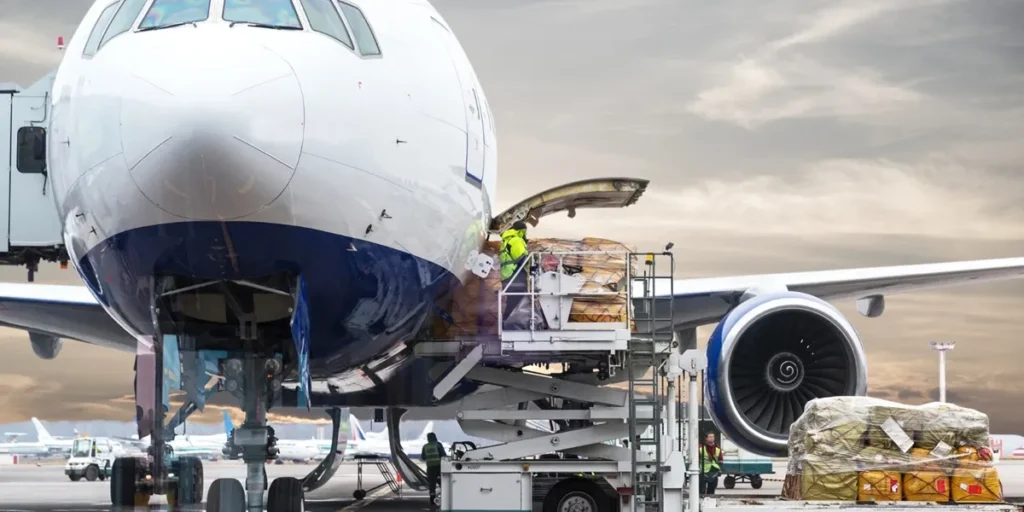
Choosing between air freight and sea freight is one of the most critical decisions in Seafood Logistics from Iran. Each mode offers unique advantages and limitations depending on product type, destination speed, cost constraints, and market expectations. Below is a practical comparison to help exporters make informed decisions.
Key Differences at a Glance
| Feature | Air Freight | Sea Freight |
| Transit Time | Fast (1–3 days) | Slow (3–8 weeks) |
| Best For | Fresh, high‑value seafood | Frozen, bulk shipments |
| Cost | High per kg | Lower per cubic meter |
| Cold Chain Exposure | Shorter exposure | Longer exposure but stable |
| Cost Efficiency | Lower | Higher for large loads |
Practical Considerations
Air Freight Pros:
- Minimizes risk of spoilage.
- Ideal for time‑sensitive products.
- Enables premium pricing in target markets.
Air Freight Cons:
- Higher transportation cost.
- Limited space availability during peak seasons.
- Infrastructure dependency on major airports.
Sea Freight Pros:
- Cost‑effective for bulk exports.
- Larger container capacity.
- Better suited for frozen and processed products.
Sea Freight Cons:
- Longer transit increases reliance on cold chain integrity.
- Greater susceptibility to port delays and handling issues.
For many exporters, the decision is not strictly one or the other. A hybrid strategy often works best — air freight for urgent, fresh loads and sea freight for scheduled bulk shipments. By aligning transport mode with product characteristics and delivery requirements, businesses can optimize both costs and customer satisfaction within Seafood Logistics from Iran.
Scientific Logistics Strategies for Seafood Exporters
In modern supply chains, applying scientific logistics principles greatly enhances outcomes for exporters engaged in Seafood Logistics from Iran. These strategies use data, technology, and structured processes to reduce risk, improve quality control, and optimize costs across complex international shipments.
Key Scientific Strategies
1. Cold Chain Optimization
Maintaining precise temperature control from harvest to delivery is critical. Using data‑enabled reefers, automated cooling systems, and pre‑cool protocols reduces temperature variability and prevents microbial growth.
2. Predictive Transit Planning
Logistics platforms now analyze historical data to forecast transit delays, weather disruptions, and carrier performance. This allows proactive route adjustments, reducing unexpected hold times that can compromise product quality.
3. Container and Load Engineering
Packing density, ice placement, and container air‑flow design influence how well frozen seafood retains quality. Scientific load planning ensures uniform cooling and minimizes thermal hotspots.
4. Real‑Time Monitoring
IoT sensors and GPS trackers provide live visibility into temperature, humidity, and position. Instant alerts allow immediate correction, preventing spoilage before it escalates.
5. Continuous Improvement Processes
Post‑shipment analysis helps identify recurring issues, allowing logistics teams to refine packaging, schedule choices, or carrier partnerships.
Benefits of a Scientific Approach
- Improved Quality Consistency: Products reach markets with expected freshness.
- Lower Spoilage Rates: Data‑driven control reduces waste.
- Better Decision‑Making: Actionable insights guide mode selection and route planning.
- Enhanced Compliance: Scientific documentation supports food safety audits and certification requirements.
By leveraging these scientific strategies, exporters can strengthen their operational resilience and improve customer satisfaction within Seafood Logistics from Iran. Rather than relying on assumptions, data‑backed decisions drive measurable improvements.
Regulatory & Operational Considerations
Exporting seafood is not only a logistics challenge — it involves navigating a complex web of regulations, standards, and operational requirements. In the realm of Seafood Logistics from Iran, understanding these factors is essential for smooth border crossing and acceptance in destination markets.
Regulatory Essentials
1. Export Documentation
Customs authorities demand precise paperwork, including health certificates, commercial invoices, packing lists, and species‑specific permits. Inaccurate documentation can cause costly delays or shipment rejection.
2. Food Safety Standards
Destination countries enforce strict quality and hygiene standards (e.g., HACCP, FDA or EU food safety laws). Exporters must provide proof of compliance, often requiring third‑party testing and certification.
3. Temperature Compliance Records
Authorities may inspect cold chain records to verify that perishable seafood maintained required conditions throughout transport. Comprehensive logs are vital.
Operational Challenges
Cold Storage Coordination
Securing adequate pre‑cooling and storage space at origin ports ensures that cargo starts its journey within the correct temperature range.
Carrier Reliability
Choosing carriers with proven time‑on‑route performance reduces risk. Late departures or missed connections can expose seafood to quality degradation.
Port Handling Practices
Handling procedures at origin and destination affect container dwell times. Efficient transshipment protocols reduce time outside controlled environments.
Best Practices for Exporters
- Establish compliance checklists before shipment.
- Partner with freight forwarders experienced in perishable cargo.
- Use electronic documentation systems to reduce error.
- Conduct regular audits of cold chain partners.
Attentive planning in both regulatory and operational domains ensures that Seafood Logistics from Iran meets international standards while minimizing delays, costs, and risks.
Summary Heading: Optimizing Seafood Logistics from Iran: Key Takeaways for Export Success
When it comes to Seafood Logistics from Iran, strategic planning is the foundation of successful exports. Exporters face a critical choice between air freight and sea freight, each serving different operational priorities. Air freight guarantees rapid delivery, preserving the freshness of high-value seafood for premium international markets, but comes with higher costs. Sea freight, on the other hand, is ideal for frozen or bulk shipments, offering significant cost savings while requiring robust cold chain management and careful route planning. The most successful exporters often adopt a hybrid approach, combining air and sea shipping based on product type, market demand, and seasonal considerations.
Beyond transport mode, maintaining cold chain integrity, ensuring compliance with international regulations, and investing in reliable monitoring systems are essential steps to reduce spoilage and safeguard product quality. By understanding the unique challenges and opportunities of Seafood Logistics from Iran, businesses can make informed decisions that balance cost, speed, and quality. Implementing these practices not only strengthens market competitiveness but also builds trust with buyers. Following this guide equips exporters with practical insights to optimize their supply chain, ensuring every shipment reaches its destination in peak condition.
FAQs
Q1: What makes Seafood Logistics from Iran different from other regions?
Iran’s unique geography, diverse marine species, and export infrastructure require tailored cold chain strategies, balancing cost, transit time, and quality preservation.
Q2: When should I choose air freight over sea freight?
Air freight is best when freshness and fast delivery are priorities, especially for high‑value or short‑shelf‑life products.
Q3: How can I ensure my seafood maintains quality during long sea voyages?
Use temperature‑controlled reefers, pre‑cool cargo, monitor conditions in real time, and work with experienced carriers.
Q4: Are there specific certifications required for exporting Iranian seafood?
Yes — exporters must meet international food safety standards and provide export health certificates, often validated by destination authorities.
Q5: Can hybrid logistics strategies improve export outcomes?
Absolutely. Combining air and sea freight based on product priority and market urgency can optimize costs and maintain quality.