Essentially, the quality of animal nutrition begins with the quality of every ingredient used in feed formulation. Among the minerals that directly influence growth, skeletal development, and feed efficiency, Monocalcium Phosphate in Animal Feed plays a critical role. As one of the most bioavailable sources of phosphorus and calcium, it supports healthier bone formation, stronger metabolic performance, and improved productivity across poultry, swine, ruminants, and aquaculture systems.
For feed manufacturers and EU importers, choosing the right monocalcium phosphate is no longer only about cost—it is about regulatory compliance, nutrient consistency, contaminant control, and long-term supply reliability. Even small variations in purity or phosphorus availability can significantly affect animal performance and production economics. Understanding how Monocalcium Phosphate in Animal Feed is sourced, tested, imported, and applied helps buyers reduce risk while optimizing feed quality. In this guide, we break down the technical, regulatory, and commercial factors you need to know, so continue reading to make more informed sourcing decisions.
What Is Monocalcium Phosphate (MCP) and How Is It Produced?
As suppliers such as Pishva Holding and other global feed-material exporters emphasize, understanding the origin and quality of mineral additives is essential before procurement. Monocalcium Phosphate in Animal Feed is one of the most widely used inorganic phosphorus supplements in modern feed production because it delivers highly available phosphorus together with calcium—two minerals that are critical for animal growth and metabolic efficiency.
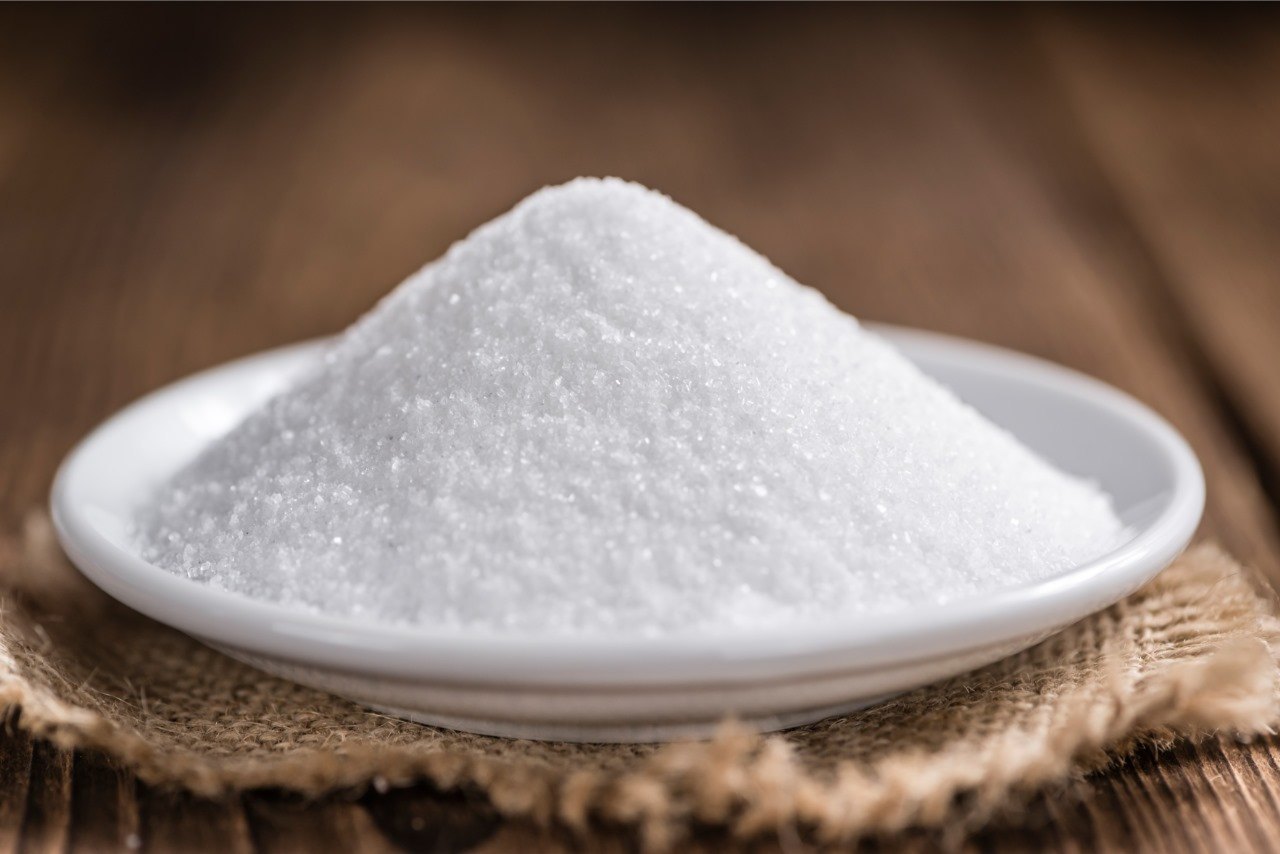
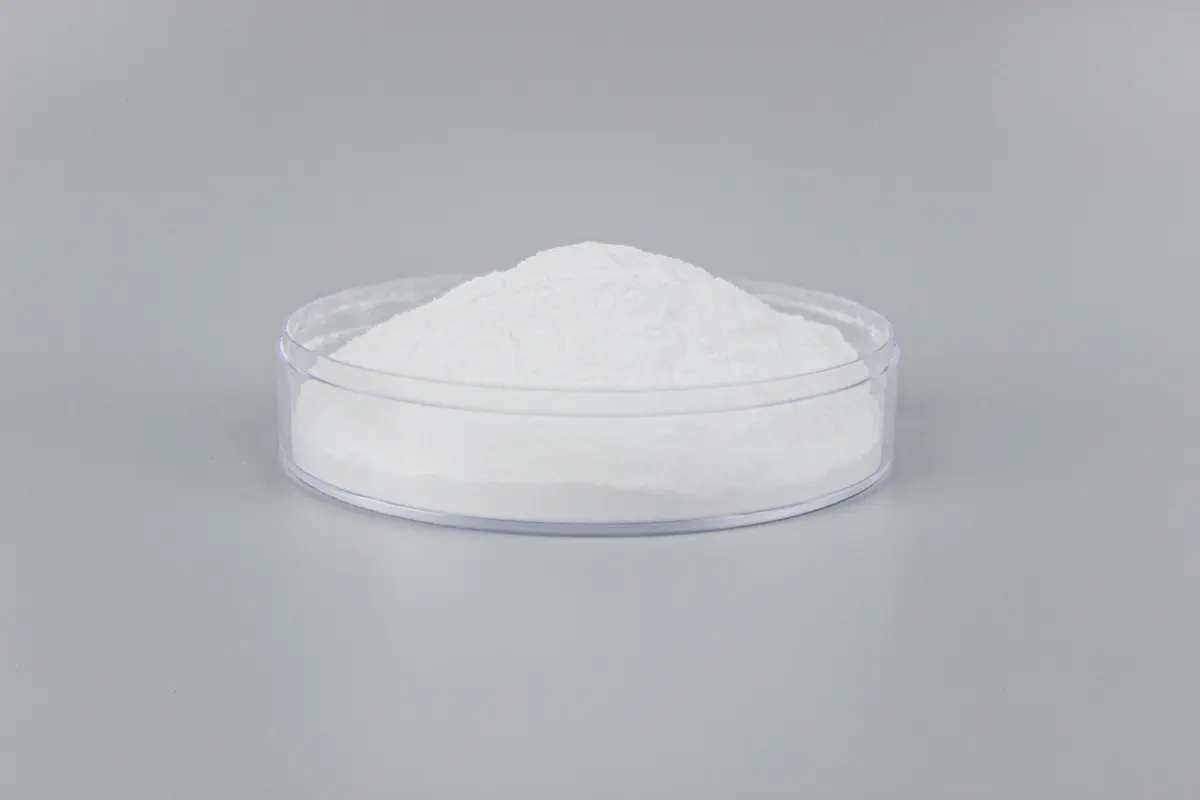
Chemically, monocalcium phosphate (MCP) is represented by the formula Ca(H₂PO₄)₂. Feed-grade MCP typically contains around 22–24% phosphorus and 14–18% calcium, though specifications may vary depending on the manufacturing process and supplier standards.
MCP is mainly produced through a controlled chemical reaction between purified phosphoric acid and calcium carbonate or limestone. The production process usually includes:
- Raw phosphate purification
- Acid reaction and neutralization
- Drying and moisture control
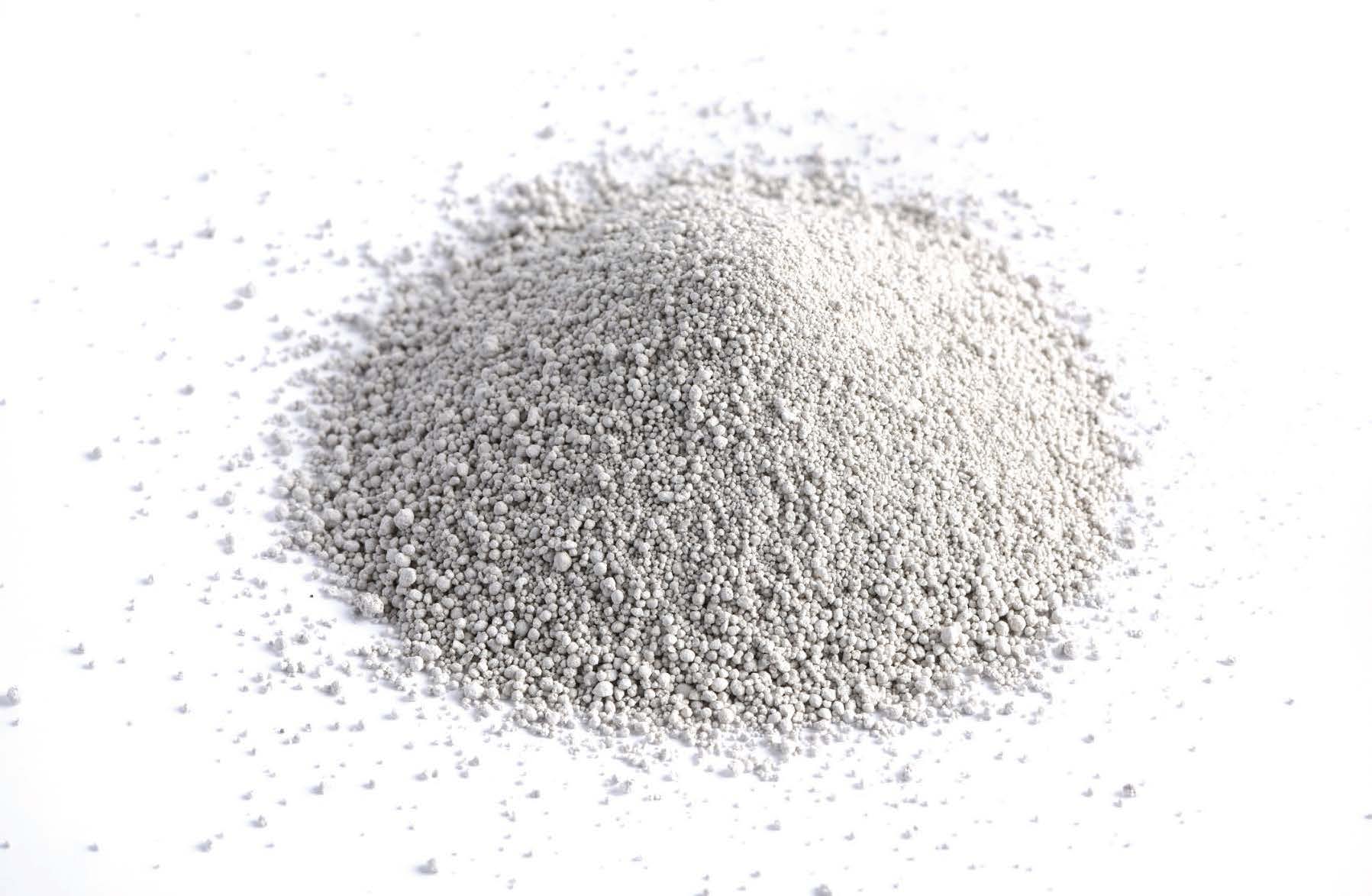
- Granulation or powder processing
- Final quality testing
The quality of raw phosphate rock plays a major role in final product purity, especially regarding contaminants such as fluorine, cadmium, and heavy metals.
In practical feed manufacturing, not all phosphorus sources perform equally. Compared with dicalcium phosphate (DCP), Monocalcium Phosphate in Animal Feed is often preferred because of its superior digestibility, meaning animals can absorb more usable phosphorus from each kilogram of feed. This directly improves feed efficiency while reducing nutrient waste.
Why Monocalcium Phosphate Is Used in Animal Feed
The main reason Monocalcium Phosphate in Animal Feed is so widely used comes down to one word: bioavailability. Animals require phosphorus for numerous biological functions, but they can only benefit from the portion that their digestive systems can absorb efficiently.
Phosphorus plays a central role in:
- Bone and skeletal development
- Energy transfer (ATP production)
- Reproduction and fertility
- Cellular metabolism
- Enzyme activation
Calcium is equally important for muscle contraction, nerve signaling, and bone strength. When these minerals are imbalanced, animal health and production performance can decline rapidly.
MCP offers a highly digestible mineral source, which is especially valuable in intensive livestock production where precise nutrition directly impacts profitability. Better mineral absorption often leads to improved feed conversion ratios (FCR), stronger growth rates, and reduced mineral deficiencies.
Another important advantage of Monocalcium Phosphate in Animal Feed is sustainability. Poorly digestible phosphorus sources increase phosphorus excretion in manure, contributing to environmental pollution. By improving phosphorus utilization, MCP helps producers reduce waste while maintaining production performance.
Applications of MCP Across Animal Species
The value of Monocalcium Phosphate in Animal Feed becomes even clearer when examining how different species use phosphorus and calcium. Nutritional requirements vary significantly across poultry, swine, ruminants, and aquatic species, making proper mineral formulation essential.
Poultry
Broilers and laying hens have high phosphorus requirements due to rapid growth and skeletal demands. In laying hens, calcium and phosphorus balance strongly influences eggshell quality.
MCP supports:
- Faster bone development
- Better growth performance
- Improved eggshell strength
Swine
Piglets and growing pigs need highly digestible phosphorus for skeletal growth and metabolic development. Insufficient phosphorus can reduce weight gain and weaken bone structure.
MCP helps improve:
- Growth rate
- Feed efficiency
- Bone mineralization
- Ruminants
Dairy and beef cattle require phosphorus for milk production, reproduction, and metabolism. Mineral deficiencies may reduce fertility and productivity.
Aquaculture
Fish and shrimp rely heavily on highly available mineral sources because nutrient loss in water can quickly reduce feeding efficiency.
Because each species metabolizes minerals differently, feed formulators carefully adjust inclusion rates. This is why selecting high-quality Monocalcium Phosphate in Animal Feed remains essential across commercial livestock systems.
Quality Control and Laboratory Testing Before Import Approval
Before approving any shipment, EU buyers must verify that Monocalcium Phosphate in Animal Feed meets both nutritional and safety standards. Laboratory testing is not just a formality—it is one of the most effective ways to reduce procurement risk. Even if a supplier provides a certificate of analysis (COA), independent testing remains highly recommended.
The most important laboratory checks include nutrient verification and contaminant screening. Since phosphorus availability directly affects feed performance, deviations from the declared specification can cause formulation problems and financial losses.
Key tests include:
- Total phosphorus content
- Calcium concentration
- Moisture level
- Fluorine content
- Heavy metals (cadmium, lead, arsenic)
- Particle size distribution
In practice, quality control should begin before shipment and continue at port arrival. Reliable importers often use third-party accredited laboratories to validate supplier claims. When sourcing Monocalcium Phosphate in Animal Feed, consistent testing protects feed quality, regulatory compliance, and long-term profitability.
How to Select a Reliable Monocalcium Phosphate Supplier
Choosing the right supplier can have a direct impact on product consistency, compliance, and operational stability. When sourcing Monocalcium Phosphate in Animal Feed, buyers should evaluate suppliers beyond price alone. A lower-cost supplier may create higher long-term costs through inconsistent quality or documentation failures.
A reliable supplier should demonstrate strong production controls, transparent sourcing, and proven export experience. Reviewing a supplier’s production capacity and quality management systems helps reduce procurement risk.
Questions to ask suppliers:
- What is the origin of the phosphate rock?
- Do you export regularly to EU markets?
- Which certifications do you hold?
- Can you provide recent lab reports?
- What contaminant control systems are in place?
Strong suppliers also maintain full batch traceability. This allows buyers to investigate quality issues quickly if problems arise. For long-term procurement of Monocalcium Phosphate in Animal Feed, consistency, transparency, and regulatory readiness are often more valuable than minor price differences.
Import Logistics and Storage Best Practices
Even high-quality Monocalcium Phosphate in Animal Feed can lose value if logistics and storage are poorly managed. MCP is sensitive to moisture and improper handling, making transportation and warehousing critical parts of the supply chain.
Importers typically choose between bulk shipping and bagged cargo. Bulk shipments reduce packaging costs but may increase exposure to contamination if handling procedures are weak. Bagged shipments improve product protection but raise transport and labor costs.
Key logistics considerations:
- Container cleanliness
- Moisture protection
- Transit duration
- Port handling conditions
- Packaging integrity
Storage conditions also matter significantly. MCP should be stored in dry, well-ventilated warehouses to prevent caking and loss of flowability.
Warehouse teams should inspect packaging regularly for damage or moisture exposure. Proper logistics ensures Monocalcium Phosphate in Animal Feed remains stable from production to final feed formulation.
Pricing Factors in the Global MCP Market
The price of Monocalcium Phosphate in Animal Feed is influenced by multiple interconnected global factors. Buyers who understand pricing dynamics can make more strategic purchasing decisions and reduce sourcing volatility.
One of the biggest price drivers is phosphate rock availability. Since phosphate is a limited natural resource, supply disruptions can quickly impact market pricing. Energy costs also matter because MCP production requires chemical processing and drying.
Main pricing drivers include:
- Raw phosphate supply
- Energy costs
- Freight rates
- Currency fluctuations
- Regional demand
Regional supply also affects pricing. Exporters from China, Morocco, and the Middle East often compete on cost, while European suppliers may offer better compliance assurance.
Experienced buyers evaluate cost per unit of available phosphorus rather than price per metric ton. This provides a more accurate comparison between suppliers of Monocalcium Phosphate in Animal Feed and helps optimize procurement budgets.
Sustainability and Environmental Considerations
Sustainability has become an important factor in the global feed industry. The environmental impact of phosphorus use is receiving growing attention, especially in European markets. This makes sustainable sourcing of Monocalcium Phosphate in Animal Feed increasingly relevant.
Phosphorus is a finite resource. Inefficient use in livestock production contributes to waste and environmental pollution. Excess phosphorus excretion can contaminate water systems and accelerate eutrophication.
Environmental concerns include:
- Phosphorus waste
- Water contamination
- Mining impact
- Carbon emissions from transport
Using highly digestible MCP improves phosphorus utilization, helping reduce waste in manure. This creates environmental and economic benefits at the same time.
Feed producers are increasingly combining Monocalcium Phosphate in Animal Feed with enzymes such as phytase to maximize phosphorus availability. This improves sustainability while supporting animal performance.
Common Mistakes EU Importers Make When Buying MCP
Importing MCP successfully requires technical and regulatory knowledge. Many buyers make avoidable mistakes that create compliance risks or reduce feed performance. Understanding these common errors can improve sourcing decisions.
A major mistake is buying solely based on price. Low-cost products may have poor digestibility or contamination issues that increase long-term costs.
Common importer mistakes:
- Ignoring contaminant limits
- Skipping third-party lab testing
- Overlooking supplier certifications
- Weak logistics planning
- Not verifying phosphorus bioavailability
Another common issue is incomplete documentation. Missing certificates or weak traceability can delay customs clearance in EU markets. Successful importers treat Monocalcium Phosphate in Animal Feed procurement as a technical purchasing process rather than a simple commodity transaction.
Final Thoughts: Building a Smarter and Safer MCP Import Strategy
Ultimately, successful feed procurement is not defined by price alone—it is defined by consistency, safety, and nutritional value. As global feed markets become more regulated and competitive, understanding the technical details behind Monocalcium Phosphate in Animal Feed has become essential for EU importers and feed manufacturers alike. From phosphorus digestibility and calcium balance to contaminant screening and supplier verification, every decision in the procurement chain can influence feed performance and operational profitability.
High-quality MCP contributes not only to better animal growth and improved feed conversion ratios but also to reduced phosphorus waste and more sustainable livestock production. At the same time, strict EU regulations demand greater transparency, traceability, and quality assurance from international suppliers. Importers who invest in laboratory testing, supplier audits, and regulatory compliance are better positioned to avoid costly disruptions and maintain product quality. In a market where small specification differences can create major downstream impacts, informed sourcing is a competitive advantage. A strategic approach to MCP purchasing ensures stronger supply security, safer feed production, and better long-term business performance.
FAQ
- What is Monocalcium Phosphate in Animal Feed used for?
It is mainly used as a highly bioavailable source of phosphorus and calcium to support bone development, metabolism, and feed efficiency.
- What phosphorus level should feed-grade MCP contain?
Most feed-grade MCP products contain approximately 22–24% phosphorus, depending on manufacturing quality.
- Is MCP better than DCP?
MCP generally offers higher phosphorus digestibility than dicalcium phosphate, making it more efficient in many feed formulations.
- Why is fluorine testing important?
Excess fluorine may be toxic to animals and can create compliance problems in regulated markets.
- How can EU importers verify MCP quality?
By reviewing supplier certifications, certificates of analysis, and conducting independent laboratory testing.