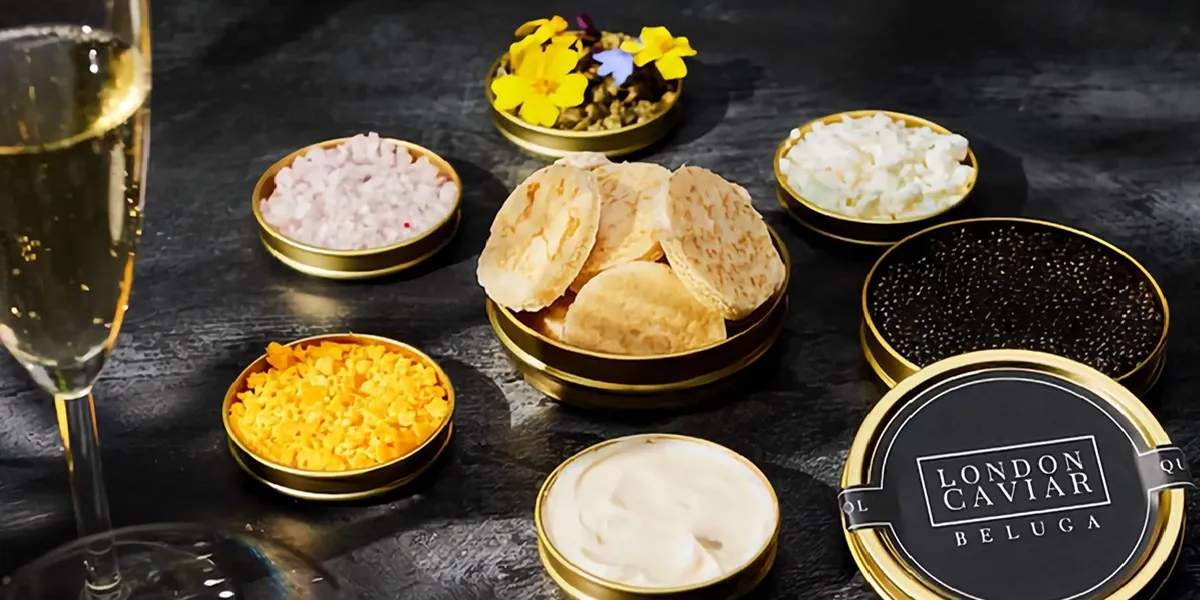
Luxury is in the details. When it comes to high-end caviar, every element matters — and packaging is often the first touchpoint that shapes a buyer’s perception. Studies show that consumers associate premium packaging with superior quality, exclusivity, and craftsmanship, making it a decisive factor in purchase decisions. In this context, Packaging Design Influences Caviar Sales in Luxury Markets more than any other single aspect of marketing. The choice of materials, the elegance of the tins, and even the tactile feel of the box can signal luxury before the product is even tasted.
Beyond aesthetics, packaging communicates a brand’s story, heritage, and values, creating an emotional connection that elevates the entire experience. For producers targeting discerning audiences, understanding the psychology behind luxury packaging is essential. This article explores practical insights and strategies that demonstrate how carefully designed packaging not only captivates consumers but also drives sales. Keep reading to discover how packaging can become your most powerful sales tool.
How Packaging Shapes Perceived Value and Quality
When affluent consumers evaluate a luxury food product, they rarely start by tasting it first — they start by seeing it. In high‑end categories such as sturgeon caviar, packaging is the initial sensory impression and often determines how quality is perceived. Research and industry observation consistently show that thoughtful packaging raises the perceived value of a product, encouraging customers to pay premium prices. For example, Caviar by Pishva Holding, a premium brand known for sourcing quality sturgeon roe, invests heavily in bespoke tins, velvet interiors, and elegant outer boxes. These details signal craftsmanship, rarity, and luxury.
Luxury buyers equate heft, texture, finish, and design coherence with product excellence. Metallic foils, custom embossing, and minimalist typography all communicate refinement and status. This response is not accidental; it’s rooted in consumer psychology where visual cues trigger assumptions about taste, care, and authenticity.
One core reason Packaging Design Influences Caviar Sales in Luxury Markets is because affluent consumers don’t just purchase food — they purchase an experience and a symbol. Packaging is this experience’s first chapter. When done well, it positions the product as desirable, trustworthy, and worthy of investment.
The Emotional and Psychological Impact of Luxury Packaging
Packaging is more than a protective shell — it is a psychological trigger that connects emotionally with buyers. In luxury markets, emotional engagement can directly translate into sales. The way a product looks and feels can create anticipation before the first bite, leading consumers to associate the brand with pleasure, prestige, and exclusivity. When considering high‑end products like caviar, understanding how Packaging Design Influences Caviar Sales in Luxury Markets means understanding the deeper role packaging plays in emotional perception.
One common source of confusion among consumers is the Difference caviar and roe— a difference that packaging must clarify. While both are fish eggs, true caviar comes from specific sturgeon species and is viewed as a luxury delicacy. Packaging, therefore, becomes an educational and emotional tool, helping consumers distinguish premium caviar from other fish eggs. High‑quality packaging communicates authenticity and specialty, reducing purchase hesitation.
Luxury packaging leverages texture, unboxing ritual, and aesthetic balance to invoke delight. Subtle elements such as soft interiors, seals, and layered opening experiences create a sense of discovery. Because emotions tend to guide buying decisions more strongly than logic, packaging that triggers positive feelings becomes a silent salesperson — elevating desire and convincing buyers they are choosing not just caviar but an unforgettable experience.
Packaging as a Storytelling Medium in Luxury Branding
Great storytelling sets exceptional brands apart, and in luxury food sectors such as caviar, narrative sells. Packaging has become one of the most powerful storytelling mediums available to premium brands because it speaks before words are read. When developing packaging, designers should think of it as a canvas that communicates heritage, provenance, processing standards, and cultural significance. Packaging Design Influences Caviar Sales in Luxury Markets not only by capturing attention visually but also by embedding meaning.
Take, for example, a gourmet pairing such as Avocado with sturgeon caviar. This combination suggests freshness, contrast, and modern indulgence — a story that can be reinforced through packaging that reflects natural tones, elegant simplicity, and refined typography. A consumer who sees packaging that suggests modern taste and premium combinations will feel a stronger connection to the product’s narrative.
Storytelling packaging goes beyond images to include language, color psychology, cultural cues, and symbolic shapes. When the design references the sea, tradition, or the artisanal journey from water to table, it enriches the consumer’s perception. Rather than merely protecting the product, the packaging becomes a brand ambassador, conveying not just quality but identity, purpose, and emotion — all key drivers in purchasing decisions.
Structural Design Elements that Drive Luxury Caviar Demand
Luxury products rely on structural design to communicate exclusivity, functionality, and ease of use. Unlike mass‑market packaging, structural design for premium goods must balance aesthetic appeal with product protection and convenience. One of the reasons Packaging Design Influences Caviar Sales in Luxury Markets is that buyers expect packaging that reflects meticulous engineering as well as artistic sensibility.
Several structural elements significantly affect consumer perception:
- Shape and Form: Unique silhouettes like hexagonal tins or double‑layered boxes signal exclusivity and can create a sense of rarity.
- Materials: Heavy gauge metals, satin‑lined interiors, and magnetized closures all contribute to a perception of refinement.
- Functionality: Packaging that offers ease of opening while maintaining freshness reinforces trust and satisfaction.
- Visual Hierarchy: Placement of brand logos, seals of quality, and origin statements can guide the eye and tell a structured story.
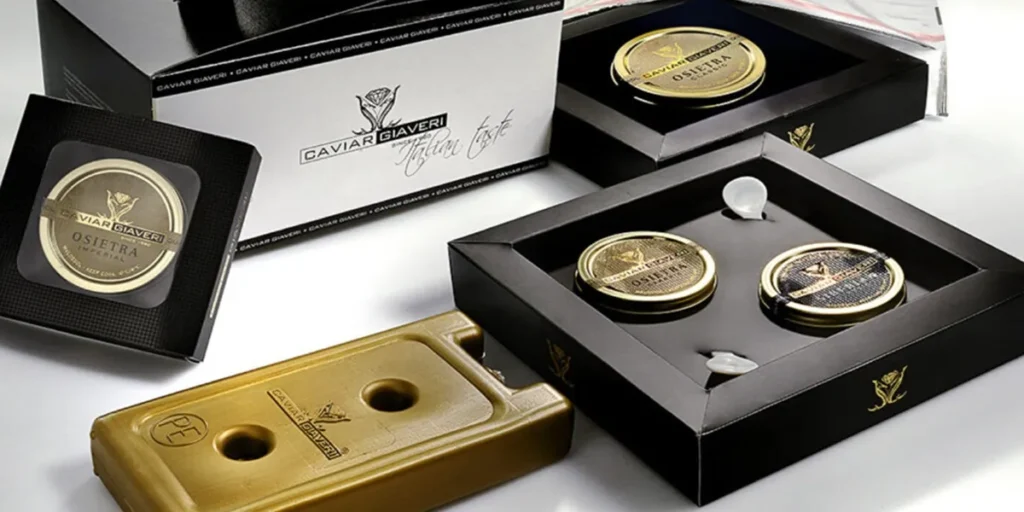
For instance, luxury caviar packaging often includes nested layers — an outer box, followed by a protective cushion, and then a precisely fitted tin. This layered experience enhances anticipation and elevates the unboxing moment. Additionally, clear labeling of features like sustainably sourced, hand‑selected roe, or ideal serving instructions helps buyers rationalize the premium price.
Aesthetics and utility are not opposing forces; when structural design meets both, it creates packaging that feels purposeful and exclusive. Customers don’t just see a container — they see value, care, and a thoughtful experience.
Unboxing Experience and Digital Amplification
In today’s digital‑driven luxury marketplace, the unboxing experience has become a crucial sales accelerator. A memorable unboxing can spark social sharing, build brand awareness, and generate organic word‑of‑mouth — especially among affluent purchasers who value exclusivity and presentation. The reason Packaging Design Influences Caviar Sales in Luxury Markets has grown stronger in recent years is because consumers now broadcast their experiences widely across social media.
An unboxing that feels special — multilayered packaging, elegant tissue papers, embossed logos, and keepsake elements — encourages buyers to capture and share. This digital amplification extends the reach of each purchase far beyond the original buyer. Importantly, the digital halo effect can create curiosity, drive impressions, and influence prospects who have not yet purchased.
In luxury categories, consumers expect packaging to contribute to the overall sensory experience. Subtle tactile features, crisp visual balance, and materials that feel substantial increase satisfaction. Sharing photos or videos of the unboxing reinforces brand prestige and luxury identity online — effectively turning customers into ambassadors. Packaging that feels ordinary, conversely, can sever emotional engagement and dampen online visibility. For premium brands, designing packaging that invites exploration and digital sharing is no longer optional; it is a strategic sales and marketing tool.
Sustainability as a Competitive Advantage in Luxury Packaging
In luxury categories, sustainability is no longer a “nice‑to‑have” — it’s a strategic differentiator. Today’s affluent buyers increasingly consider environmental responsibility as part of overall product value. Sustainability can influence brand preference, especially in sectors like gourmet foods where consumers are willing to pay more for brands that match their values. One practical example in upscale dining is clear guidance for caviar serving size per person, which may be included on packaging to reduce waste and help consumers plan responsibly.
When considering how Packaging Design Influences Caviar Sales in Luxury Markets, sustainable packaging plays multiple roles:
- Signals Responsibility: Eco‑friendly materials such as recycled paperboard or biodegradable foams demonstrate that a premium brand cares beyond aesthetics.
- Enhances Perceived Quality: Consumers often link sustainable solutions with thoughtful design, increasing trust in the product itself.
- Meets Regulatory Expectations: Many regions are tightening packaging waste laws, and compliance can prevent barriers to market entry.
Luxury brands that adopt recyclable metals, plant‑based inks, or refillable containers communicate both elegance and ethical leadership. For example, choosing a sleek recyclable tin instead of heavy lacquered packaging can preserve a luxurious feel while reducing environmental impact. For buyers who care about both quality and sustainability, packaging that aligns values with design becomes a compelling reason to choose one premium caviar over another. This is a key way that Packaging Design Influences Caviar Sales in Luxury Markets — by meeting the evolving expectations of modern luxury consumers.
Integration with Brand Positioning and Market Strategy
For high–end products like caviar, packaging must do much more than look attractive; it must be strategically aligned with overall brand identity and market positioning. Packaging is often the first direct brand interaction for potential customers, so it sets the tone for all subsequent engagement. A brand that communicates heritage, exclusivity, or innovation through packaging reinforces these messages at the moment of choice — a time when perception directly impacts purchasing decisions.
When evaluating how Packaging Design Influences Caviar Sales in Luxury Markets, consider the following strategic connections:
- Brand Narrative: Packaging should reflect the story that the brand wants customers to remember — whether that’s artisanal heritage, rarity, or modern luxury.
- Price Perception: Cohesive design supports pricing strategy; premium materials and thoughtful craftsmanship help justify higher retail prices.
- Market Differentiation: In a growing luxury caviar landscape, distinct packaging helps a brand stand apart from competitors on the shelf and online.
A strong brand strategy does not treat packaging as an afterthought. Instead, packaging becomes part of a coordinated message that reinforces quality, trust, and brand promise. For example, using consistent visual language across the container, box, and digital assets strengthens recognition and positions the brand as a unified, premium choice. When product presentation aligns with strategic identity, customers perceive coherence and reliability — both qualities that drive repeat purchases. Thus, Packaging Design Influences Caviar Sales in Luxury Markets not just visually, but in how it shapes customer expectations and reinforces long‑term brand value.
Conclusion: Packaging Design as a Strategic Sales Driver for Luxury Caviar
The impact of packaging on luxury caviar cannot be overstated. In a market where exclusivity, prestige, and perceived quality dictate buying behavior, the design of packaging is more than decoration — it is a strategic driver of consumer choice. Research confirms that affluent consumers judge the quality of caviar based on visual and tactile cues before tasting, making packaging a direct influencer of sales. By integrating premium materials, elegant finishes, and sophisticated structural design, brands can convey craftsmanship, heritage, and attention to detail. Moreover, storytelling through design — whether by referencing origins, artisanal techniques, or limited editions — deepens emotional engagement and fosters brand loyalty.
Sustainability has also emerged as a critical factor, with environmentally conscious packaging enhancing brand perception among modern luxury buyers. From the unboxing experience to shelf appeal, packaging shapes every touchpoint of the customer journey. In conclusion, Packaging Design Influences Caviar Sales in Luxury Markets not only by creating an immediate impression but also by reinforcing brand values, driving repeat purchases, and maximizing perceived value. For any luxury caviar brand aiming for market leadership, investing in exceptional packaging is no longer optional — it is essential.
FAQs
1. Why does packaging matter so much for luxury caviar?
Premium packaging sets expectations, communicates quality, and builds trust — all of which influence buying decisions in the luxury segment.
2. How does packaging affect a consumer’s choice between true caviar and imitation roe?
Packaging clarifies value differences by signaling authenticity, quality sourcing, and expertise — helping consumers distinguish caviar from roe and justify premium pricing.
3. Can sustainable packaging still feel luxurious?
Yes. Sustainable materials like recycled metals or biodegradable cushioning can be designed in ways that feel elegant and exclusive, satisfying both luxury and eco‑conscious customers.
4. What role does unboxing play in caviar sales?
Unboxing creates emotional engagement, encourages social sharing, and amplifies brand visibility — all contributing to sales growth.
5. Should packaging include serving instructions?
Yes. Including guidance such as caviar serving size per person not only educates buyers but also adds value and improves satisfaction.