Confusion ends here. The difference caviar and roe is not just a marketing trick or a matter of price—it is a clear, well-defined distinction rooted in biology, culinary tradition, and international standards. Simply put, all caviar is roe, but not all roe is caviar. This single fact already answers one of the most common questions food lovers and buyers face today. Understanding this difference helps you choose the right product, avoid misleading labels, and appreciate what you are actually eating.
Roe refers broadly to fish eggs from many species, while caviar is a specific, regulated product made exclusively from sturgeon roe. Beyond definitions, the difference caviar and roe also affects flavor, texture, nutritional value, sustainability, and cost. If you care about quality, authenticity, or making informed food decisions, this distinction matters more than you might think. In the following sections, you will find clear explanations, practical insights, and expert context—so keep reading to fully understand the difference caviar and roe and why it truly matters.
What Is Roe? — The Broad Category of Fish Eggs
To clearly understand the Difference caviar and roe, it is essential to start with roe itself. Roe is a general culinary term used to describe the eggs of fish and certain marine animals before fertilization. These eggs can come from a wide range of species, including salmon, trout, cod, herring, mullet, and even sea urchins. Because of this diversity, roe varies significantly in appearance, flavor, texture, and culinary use.
In global cuisine, roe is valued for its versatility. It may be served raw, cured, smoked, or cooked, depending on cultural traditions and the species involved. In many Asian cuisines, roe is commonly used in sushi and rice dishes, while in Mediterranean regions it appears in cured forms such as bottarga. Today, premium producers such as Caviar by Pishva Holding emphasize traceability and freshness even for non-sturgeon roe, reflecting growing consumer awareness.
Key characteristics of roe include:
- Wide species range: Not limited to one fish family
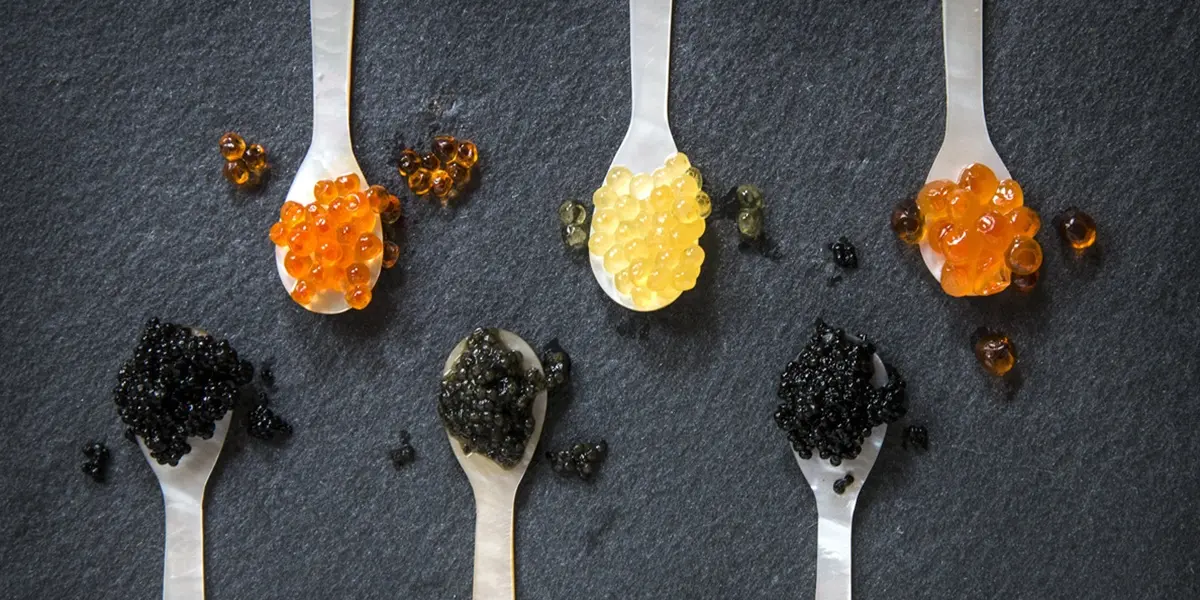
- Color diversity: Orange, red, black, yellow, or translucent
- Texture differences: From firm and popping to soft and creamy
- Culinary flexibility: Suitable for everyday meals and gourmet recipes
From an economic perspective, roe is generally more affordable than caviar because many fish species mature quickly and reproduce frequently. This accessibility explains why roe is widely consumed across cultures and income levels.
Understanding roe as a broad category helps clarify the Difference caviar and roe. Roe is not inherently luxurious or rare—it becomes premium only when strict biological, processing, and regulatory criteria are applied, which leads us directly to caviar.

What Is Caviar? — The Luxury Subset of Roe
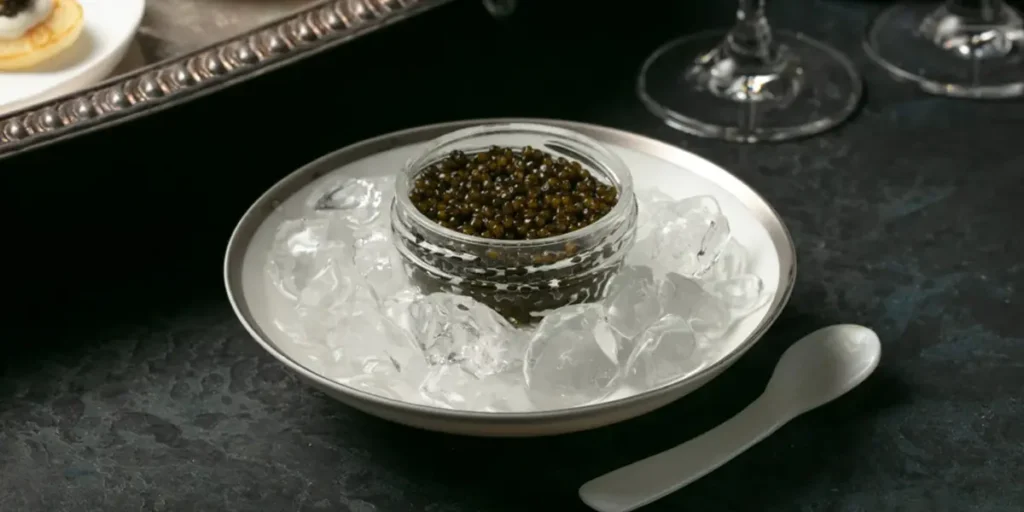
Caviar represents the most exclusive segment within the broader roe category, and this is where the Difference caviar and roe becomes legally and culturally significant. By international standards, true caviar is defined as salt-cured roe obtained exclusively from sturgeon species belonging to the Acipenseridae family. Any fish eggs outside this definition, regardless of quality, are technically not caviar.
Sturgeon species such as Beluga, Osetra, and Sevruga are slow-growing fish that can take more than a decade to reach maturity. This biological reality directly affects supply, cost, and prestige. In contrast to common roe, caviar production is strictly regulated to protect endangered sturgeon populations and ensure sustainability.
An important clarification often overlooked by consumers is The difference between black and red caviar. While black caviar comes from sturgeon and qualifies as true caviar, red “caviar” (typically salmon roe) is, in fact, roe—not caviar—despite its popular labeling.
Caviar is defined by several strict factors:
- Species restriction: Only sturgeon roe qualifies
- Processing method: Light salt curing (often malossol)
- Legal protection: Regulated naming in many countries
- Controlled sourcing: Farmed or sustainably harvested
These factors elevate caviar beyond a food ingredient into a luxury product with historical and gastronomic value. Recognizing this distinction helps consumers avoid misleading labels and fully grasp the Difference caviar and roe from both a culinary and regulatory perspective.
Flavor and Texture: How They Truly Differ
Flavor and mouthfeel are where the Difference caviar and roe becomes immediately noticeable to the palate. Although both originate from fish eggs, their sensory profiles are shaped by species, diet, environment, and processing techniques.
Roe typically offers bold, straightforward flavors. Salmon roe, for example, is intensely briny with a pronounced pop when bitten. Tobiko and masago provide crunch and salinity, often enhanced with seasoning. These qualities make roe ideal as a complementary ingredient rather than a standalone delicacy.
Caviar, by contrast, is prized for subtlety and balance. High-quality caviar made from carefully handled Caviar Eggs delivers layered flavors—mild salinity followed by buttery, nutty, and sometimes creamy notes. The texture is softer and more refined, designed to melt gently on the tongue rather than burst aggressively.
A simple comparison illustrates this distinction:
| Attribute | Roe | Caviar |
| Flavor intensity | Bold, direct | Subtle, complex |
| Texture | Firm, popping | Soft, silky |
| Culinary role | Ingredient-focused | Experience-focused |
This sensory contrast explains why roe is commonly mixed into dishes, while caviar is often served alone with minimal accompaniments. Understanding these differences enhances appreciation and reinforces the practical Difference caviar and roe for both casual diners and culinary professionals.
Price and Rarity: Why Caviar Commands Premium Value
One of the most visible aspects of the Difference caviar and roe is price. While roe is widely available at accessible price points, caviar can command exceptionally high costs. This gap is not arbitrary—it reflects biological, environmental, and economic realities.
Sturgeon are among the slowest-maturing fish species used for food. Many require 10 to 20 years before producing viable eggs. During this time, farmers must invest in long-term care, water quality management, and feeding, all without immediate returns. Roe-producing fish, by contrast, often mature within a few years.
Additional factors influencing caviar pricing include:
- Limited yield per fish
- Strict quality grading
- Labor-intensive processing
- Sustainability compliance
Premium producers aim to deliver Pristine Caviar, meaning eggs that are uniform in size, intact, delicately cured, and free from defects. Achieving this level of quality requires expertise and precision at every stage.
Roe benefits from abundance and efficiency, making it suitable for everyday consumption. Caviar’s rarity and production complexity explain its association with luxury, exclusivity, and fine dining—further reinforcing the Difference caviar and roe beyond taste alone.
Nutrition Comparison: Roe vs. Caviar
From a nutritional standpoint, both roe and caviar are dense sources of essential nutrients, yet subtle differences reflect their species and processing methods. Understanding these distinctions adds another layer to the Difference caviar and roe. Both products are rich in:
- High-quality protein
- Omega-3 fatty acids (EPA and DHA)
- Vitamin B12
- Selenium and iron
However, caviar often contains slightly higher fat content due to sturgeon biology, contributing to its smoother texture and sustained flavor release. Roe from leaner fish may be lower in fat but higher in specific micronutrients depending on species.
A simplified comparison:
| Nutrient Aspect | Roe | Caviar |
| Protein | High | High |
| Omega-3s | High | Very high |
| Fat content | Moderate | Higher |
| Sodium | Variable | Controlled curing |
Neither option is inherently “healthier”; instead, their nutritional profiles suit different dietary goals. This balanced perspective helps consumers make informed choices while appreciating the full Difference caviar and roe.
Cultural and Culinary Significance
The Difference caviar and roe is also deeply rooted in cultural identity and culinary tradition. Roe has long been a staple food across coastal societies, valued for nourishment and preservation. It appears in everyday meals, festive dishes, and regional specialties worldwide.
Caviar, on the other hand, has historically symbolized status and refinement. From Persian courts to European aristocracy, it became associated with diplomacy, celebration, and elite dining. This legacy continues today in fine restaurants and ceremonial occasions.
Culinary roles differ clearly:
- Roe: ingredient-driven, adaptable, widely integrated
- Caviar: presentation-focused, minimalist, symbolic
These cultural contexts shape how each product is perceived and consumed. Recognizing this history adds depth to the Difference caviar and roe, transforming it from a technical distinction into a story of food, culture, and human tradition.
Final Summary: Understanding the Difference Between Caviar and Roe
At first glance, caviar and roe may look similar, but their differences are significant and meaningful. The difference caviar and roe begins with definition and ends with experience. Roe is a broad culinary term that includes the eggs of many fish species, commonly used in everyday cooking, sushi, and regional dishes around the world. Caviar, by contrast, is a premium product with a strict definition: it must come from sturgeon and be carefully salt-cured using precise methods. This distinction alone explains why caviar carries legal protections, higher prices, and a reputation for luxury.
Beyond classification, the difference caviar and roe extends to taste and texture. Roe often delivers bold, briny flavors with a noticeable “pop,” while caviar is prized for its delicate texture and layered, buttery notes. Nutritionally, both are rich in protein and omega-3 fatty acids, but caviar’s curing process and species origin give it a more refined profile.
Understanding the difference caviar and roe empowers consumers to buy with confidence, appreciate quality, and avoid misleading labels. Whether you are choosing an ingredient for a recipe or investing in a luxury delicacy, knowing this difference ensures your expectations align with reality—and enhances the overall culinary experience.
FAQ
1. Is all caviar considered roe?
Yes. Caviar is a specific type of roe, but not all roe qualifies as caviar.
2. Why is salmon roe not real caviar?
Because it does not come from sturgeon, even though it is often marketed as “red caviar.”
3. Does the Difference caviar and roe affect cooking methods?
Yes. Roe is often cooked or mixed into dishes, while caviar is best served raw and simply.
4. Which is better for daily consumption?
Roe is more suitable for everyday use due to availability and price.
5. Is caviar always black?
Traditional caviar is dark, but color varies by sturgeon species.