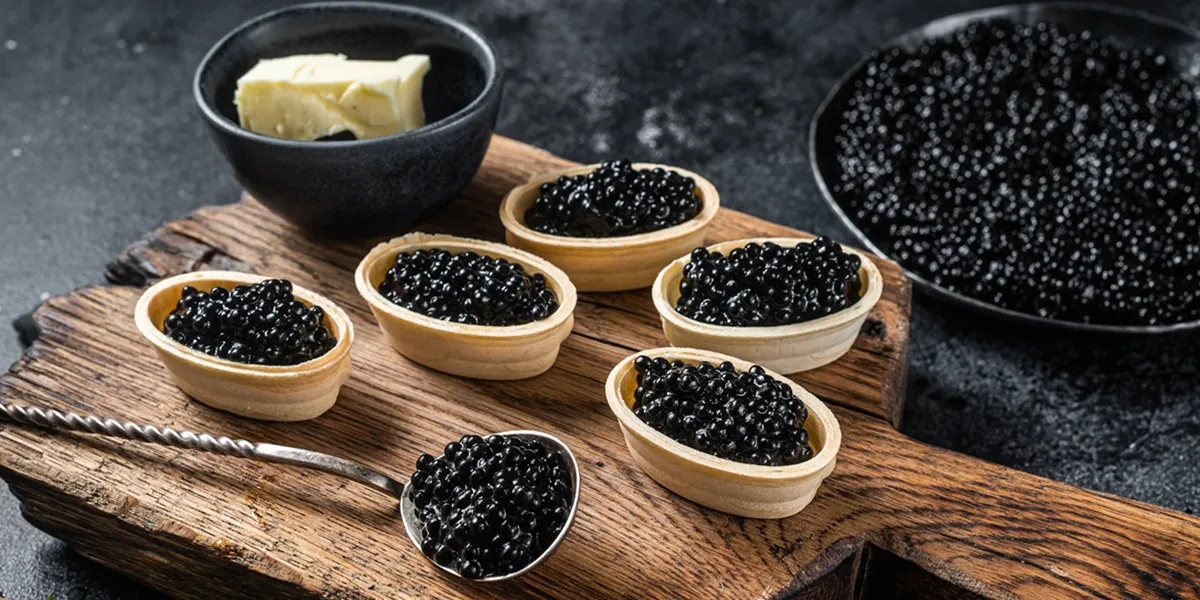
Few foods answer the question of luxury and nutrition as clearly as black caviar. At its core, black caviar is the delicately salted roe of sturgeon fish, valued not only for its refined taste but also for its nutritional depth and cultural history. What makes it truly distinctive is the balance it offers: a rich, buttery flavor paired with scientifically recognized nutrients such as omega-3 fatty acids, vitamin B12, and essential minerals. For centuries, black caviar has been associated with fine dining, yet modern research shows it is more than a symbol of status—it is a concentrated source of high-quality marine nutrition. Understanding where black caviar comes from, how it is produced, and why it commands such respect allows consumers to make informed choices rather than relying on myths or marketing claims. In this article, we explore the facts, benefits, and real value behind black caviar, so you can appreciate it with knowledge, confidence, and perspective. Continue reading to discover what truly sets it apart.
What Is Black Caviar? A Scientific Definition and Culinary Overview
Black caviar refers specifically to the salted roe of sturgeon species belonging to the Acipenseridae family. From a scientific perspective, it is classified as an animal-derived marine product rich in lipids and proteins, preserved through controlled salting to stabilize texture and flavor. Unlike many products marketed as “caviar,” only sturgeon roe legally qualifies as true black caviar under international food standards.
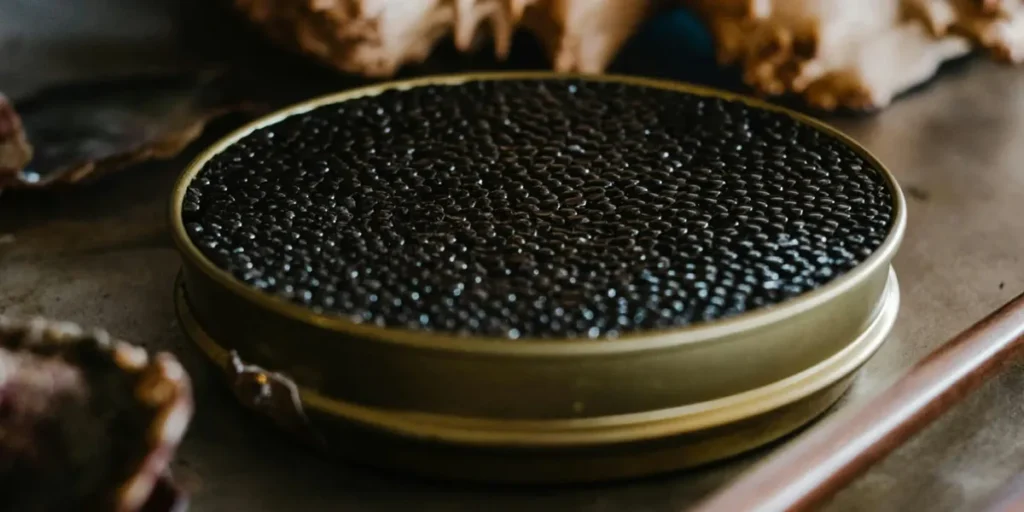
From a culinary standpoint, black caviar is valued for its sensory complexity. The eggs should be intact, glossy, and firm, releasing a clean, slightly briny flavor without bitterness. Texture is just as important as taste: high-quality black caviar gently bursts on the palate rather than feeling mushy or overly salty.
Modern production often combines traditional methods with advanced aquaculture practices. Established industry players such as Pishva Holding have contributed to refining processing standards, focusing on hygiene, temperature control, and minimal salt content to preserve nutritional integrity. This balance between science and craftsmanship is what defines premium black caviar today. Beyond luxury dining, black caviar is increasingly discussed in nutrition and food science due to its dense concentration of essential fatty acids, making it a product where gastronomy and physiology intersect.
Origins and Types of Black Caviar: From Beluga to Sevruga
The origins of black caviar are closely tied to the Caspian and Black Sea regions, where sturgeon populations historically thrived. These waters provided the ideal conditions—low salinity, rich plankton, and stable temperatures—for producing high-quality roe. Although wild harvesting is now heavily restricted, the classification of black caviar still follows traditional species distinctions.
The three most recognized types include:
Beluga (Huso huso):
The largest eggs, pale gray to silver, known for a creamy, mild flavor.
Ossetra (Acipenser gueldenstaedtii):
Medium-sized eggs with nutty, complex notes; color ranges from brown to golden.
Sevruga (Acipenser stellatus):
Smaller, darker eggs with a more pronounced marine taste.
These differences affect not only flavor but also texture, maturation time, and market value. In modern aquaculture, environmental control allows producers to replicate natural conditions, ensuring consistency without endangering wild stocks.
Understanding origin matters because it directly influences quality, authenticity, and price. It also explains why consumers often compare black caviar varieties in terms of mouthfeel rather than just appearance.
Nutritional Profile: Black Caviar’s Health Components Backed by Science
From a nutritional standpoint, black caviar is a concentrated source of essential nutrients supported by scientific research. Although consumed in small quantities, its biological value is remarkably high. Studies published in food and nutrition journals consistently highlight its dense lipid and micronutrient profile.
A typical 30-gram serving of black caviar provides:
| Nutrient | Functional Role |
| Omega-3 fatty acids (EPA & DHA) | Cardiovascular and brain health |
| Vitamin B12 | Red blood cell formation, nervous system support |
| Selenium | Antioxidant defense |
| Complete protein | Tissue repair and muscle maintenance |
One important consideration is caviar shelf life, which directly affects nutritional quality. Fresh black caviar must be stored at near-freezing temperatures and consumed within a controlled time frame to preserve omega-3 stability and prevent lipid oxidation.
Despite its benefits, sodium levels are relatively high due to the curing process. For this reason, nutrition experts recommend moderation, particularly for individuals managing blood pressure. When consumed responsibly, black caviar functions less as a garnish and more as a nutrient-dense food with measurable physiological value.
Scientific Health Benefits: What Research Shows
Scientific research increasingly supports the health potential of black caviar beyond its culinary reputation. Its benefits stem primarily from its lipid composition and micronutrient density rather than caloric content.
Key research-backed benefits include:
Cardiovascular support:
Omega-3 fatty acids help reduce triglyceride levels and improve vascular elasticity.
Neurological function:
DHA plays a role in cognitive performance and nervous system maintenance.
Immune modulation:
Selenium and zinc contribute to immune response regulation.
Cellular protection:
Antioxidant compounds help counter oxidative stress.
Clinical nutrition sources emphasize that these benefits are most relevant when black caviar replaces less nutrient-dense fats rather than being added excessively. Cultural eating patterns in regions traditionally consuming sturgeon roe reflect this moderation.
It is also important to distinguish health claims from marketing. While black caviar is not a medical treatment, its biochemical profile supports its classification as a functional food when included thoughtfully in a balanced diet.
How to Enjoy Black Caviar Like a Professional
Enjoying black caviar properly is less about luxury rituals and more about preserving its natural qualities. Temperature, pairing, and portion size all influence the experience.
Professional guidelines include:
Serve between -2°C and 0°C to maintain texture.
Use non-metal utensils to avoid flavor interference.
Pair with neutral bases such as blinis or unsalted crackers.
Tips on Buying Caviar often emphasize appearance and aroma. Fresh black caviar should smell clean, not fishy, and the eggs should be separate rather than clumped. Overly soft texture usually indicates poor storage or age.
Portion control also matters. Experts recommend small servings (10–20 grams), allowing the palate to appreciate subtle flavor changes without overwhelming saltiness. Proper enjoyment is ultimately about restraint and attention to detail rather than extravagance.
Black Caviar in the Modern Gastronomy World
In contemporary gastronomy, black caviar has moved beyond exclusive dining rooms into a broader conversation about sustainability, provenance, and food ethics. Chefs today focus less on excess and more on precision, using black caviar as an accent rather than a centerpiece.
Sustainable aquaculture has reshaped the market, making quality more consistent while protecting endangered sturgeon species. This shift has also influenced transparency in pricing, especially when discussing Iranian caviar price, which now reflects farming methods, maturation time, and certification rather than rarity alone.
Modern gastronomy values traceability, and black caviar fits this trend when sourced responsibly. Its role today is not merely symbolic; it represents how traditional foods can evolve alongside scientific standards and environmental responsibility.
Conclusion Title: Black Caviar Explained: Where Luxury Meets Science
Black caviar stands at the intersection of tradition, nutrition, and modern gastronomy. While it is often introduced as a luxury delicacy, a closer look reveals that its reputation is supported by measurable qualities rather than image alone. From a nutritional standpoint, black caviar delivers highly bioavailable omega-3 fatty acids, complete proteins, and critical micronutrients that support cardiovascular, neurological, and metabolic health when consumed in moderation. These characteristics explain why it has remained relevant even as dietary science evolves.
Equally important is understanding authenticity and sourcing. True black caviar comes exclusively from sturgeon roe, and today much of the global supply relies on regulated aquaculture to protect endangered wild populations. This shift has improved consistency, safety, and sustainability without compromising quality. For consumers, this means that appreciating black caviar is no longer about excess, but about informed enjoyment—small portions, proper storage, and mindful pairing.
In practical terms, black caviar represents a rare example of a food that combines sensory pleasure with genuine nutritional value. When chosen carefully and consumed responsibly, it offers more than indulgence; it offers insight into how heritage foods can align with modern scientific understanding.
FAQ
1. Is black caviar the same as fish roe?
No. Only sturgeon roe qualifies as true black caviar.
2. How much black caviar should be consumed at once?
Typically 10–20 grams per serving is sufficient.
3. Does black caviar have health benefits?
Yes, especially due to omega-3 fatty acids and vitamin B12.
4. How should black caviar be stored?
At near-freezing temperatures and consumed before its recommended shelf life.
5. Why is black caviar expensive?
Because of slow sturgeon maturation, careful processing, and regulated production.