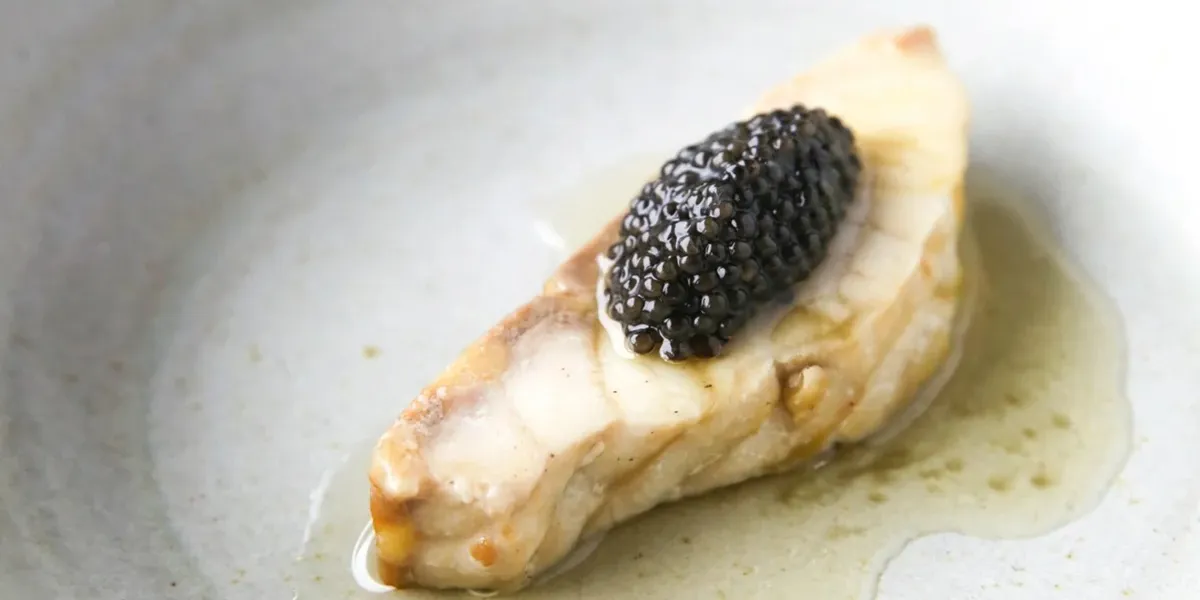
Buying caviar does not have to be confusing or risky. With the right knowledge, anyone can confidently choose high-quality caviar and avoid overpriced or poorly handled products. The purpose of this guide on Tips on Buying Caviar is simple: help you understand what truly matters when quality, freshness, and authenticity are on the line. In today’s global market, caviar labels can be misleading, prices vary widely, and not every shiny black pearl delivers the taste it promises.
Knowing how to evaluate caviar—based on species, texture, aroma, salt level, and storage—allows you to make informed decisions rather than relying on marketing claims. These Tips on Buying Caviar are grounded in real industry standards and modern aquaculture science, not trends or hype. Whether you are purchasing caviar for a special occasion, a refined gift, or personal enjoyment, the right approach saves money and elevates the experience. In the following sections, you will learn how professionals distinguish good caviar from bad—and why those details matter. Continue reading to gain practical insight that turns buying caviar into a confident, rewarding choice.
What Is Real Caviar? Understanding the Scientific Definition
When discussing Tips on Buying Caviar, the first and most critical step is understanding what caviar actually is. Scientifically and legally, real caviar refers exclusively to the salted roe of sturgeon species (family Acipenseridae). Any other fish eggs—such as salmon, trout, or lumpfish—must be labeled as “roe,” not caviar. This distinction is recognized by international authorities including CITES, the European Union, and the U.S. FDA.
Authentic producers, such as Caviar by Pishva Holding, clearly identify the sturgeon species, origin, and processing method on the label. This transparency is a strong indicator of legitimacy. True caviar is valued for its unique lipid composition, rich in omega-3 fatty acids, and its delicate protein structure, which gives high-quality eggs their signature “pop” when tasted.
To avoid misleading products, buyers should look for:
- The Latin name of the sturgeon species
- Compliance with CITES regulations
- Clear indication of salt level and processing method
Among essential Tips on Buying Caviar, understanding this definition protects you from overpaying for imitation products and ensures you are purchasing a food with genuine culinary and nutritional value.
Wild vs. Farmed Caviar: Which Is Better Today?
One of the most debated Tips on Buying Caviar concerns the difference between wild and farmed sources. Historically, wild caviar from the Caspian Sea dominated the market. However, due to overfishing and environmental damage, wild sturgeon populations became critically endangered. Today, international law heavily restricts or bans wild caviar trade.
Modern farmed caviar has evolved significantly. Advanced aquaculture systems now control water quality, diet, and harvesting conditions with scientific precision. These improvements directly influence texture, flavor consistency, and safety. In fact, many experts now consider premium farmed caviar superior to poorly regulated wild alternatives.
Another practical factor is caviar shelf life. Farmed caviar is typically processed and distributed under stricter cold-chain standards, which helps preserve freshness for longer periods without excessive salting.
Key advantages of farmed caviar include:
- Sustainable production
- Traceable origin
- Stable quality and flavor
- Better food safety controls
For buyers focused on quality and responsibility, farmed caviar is no longer a compromise—it is often the smarter choice among modern Tips on Buying Caviar.
Sturgeon Species Matter: How Fish Type Affects Taste and Price
Not all caviar tastes the same, and one of the most overlooked Tips on Buying Caviar is understanding how sturgeon species influence both flavor and cost. Each species produces roe with distinct characteristics shaped by genetics, fat content, and maturation time.
Beluga (Huso huso) caviar is known for its large, soft eggs and buttery flavor, making it the most expensive and rare. Osetra (Acipenser gueldenstaedtii) offers medium-sized grains with nutty, complex notes, while Sevruga (Acipenser stellatus) is smaller, saltier, and more intense in taste. Sustainable alternatives like Siberian and White Sturgeon provide excellent balance at more accessible prices.
This variety explains Why is Caviar Perfect as a Gift—it allows buyers to select a profile that matches the recipient’s taste and the occasion. A well-chosen species shows thoughtfulness and knowledge, not just luxury.
| Species | Flavor Profile | Typical Price Range |
| Beluga | Creamy, delicate | Very high |
| Osetra | Nutty, rich | High |
| Siberian | Clean, balanced | Moderate |
Understanding species differences transforms purchasing from guesswork into informed decision-making.
Grain Quality: How to Visually Identify Good Caviar
Visual inspection is one of the most reliable Tips on Buying Caviar, especially for first-time buyers. High-quality caviar should display uniform, intact grains with a natural sheen. Excess oil, broken eggs, or dull surfaces often signal poor handling or aging.
Premium producers aim for consistency because grain integrity directly affects mouthfeel and flavor release. The eggs should separate easily, not clump together. Color varies by species—from light amber to deep charcoal—but should always appear natural, never artificially dyed.
Professionals often assess caviar using these criteria:
- Uniform egg size
- Clean, glossy appearance
- No excessive liquid in the tin
- Firm texture when gently pressed
Brands known for Pristine Caviar standards focus heavily on post-harvest handling, including gentle sieving and precise salting. These steps preserve the delicate membrane that gives caviar its signature texture.
While packaging can be appealing, appearance inside the tin matters more than branding. Learning to recognize quality grains allows buyers to apply practical, experience-based Tips on Buying Caviar and confidently select products that deliver both elegance and authentic taste.
Smell and Taste: The Most Reliable Indicators of Fresh Caviar
Among all Tips on Buying Caviar, sensory evaluation remains the most decisive. Fresh, high-quality caviar should smell clean and subtle, reminiscent of the sea rather than fish. Any sharp, sour, or overly fishy odor is a clear warning sign of oxidation or improper storage.
Taste follows the same principle. Premium caviar delivers a balanced salinity, a gentle umami richness, and a smooth finish. Bitterness or metallic notes often indicate excessive salt or aging fats. From a scientific perspective, these defects result from protein breakdown and lipid oxidation, both accelerated by poor temperature control.
Professional tasters evaluate caviar based on:
- Initial aroma
- Egg “pop” and texture
- Flavor balance
- Length of finish
Freshness is not about intensity but clarity. Good caviar never overwhelms the palate. These sensory-based Tips on Buying Caviar are widely used by chefs and buyers because they reveal quality instantly—without relying on labels or price.
Malossol Explained: Why Salt Level Defines Premium Caviar
Salt content is one of the most important technical factors in caviar quality. “Malossol,” meaning “lightly salted,” typically refers to caviar containing less than 5% salt. This method is central to many professional Tips on Buying Caviar because salt directly influences taste, texture, and shelf stability.
Low salt preserves the natural amino acids and fatty acids that give caviar its complexity. Excessive salting, by contrast, is often used to mask inferior roe or extend shelf life at the cost of flavor. While malossol caviar requires stricter refrigeration, the sensory reward is significantly higher.
Benefits of malossol caviar include:
- Cleaner, more natural taste
- Softer egg membranes
- Better aroma retention
From a food science perspective, controlled salting slows microbial growth without damaging protein structure. Buyers who understand malossol labeling gain a strong advantage when selecting premium products.
Packaging and Storage: What the Tin Tells You About Quality
Packaging is more than aesthetics—it reflects how seriously a producer treats quality control. One of the most overlooked Tips on Buying Caviar is paying attention to the tin itself. Traditional metal tins are designed to protect caviar from light and oxygen, both of which accelerate degradation.
Proper storage temperature should remain between –2°C and +2°C. Labels should clearly state storage instructions, harvest date, and expiration date. Vacuum-sealed tins often indicate modern handling standards, while poorly sealed containers increase the risk of contamination.
Key packaging indicators include:
- Hermetically sealed tins
- Clear labeling and traceability
- No swelling or leakage
Glass jars, while visually appealing, expose caviar to light and temperature fluctuations more easily. Understanding these details helps buyers preserve quality from purchase to serving—an essential final step in applying practical Tips on Buying Caviar effectively.
Country of Origin: Which Regions Produce the Best Caviar Today?
When applying practical Tips on Buying Caviar, country of origin is an important—but often misunderstood—factor. In the past, the Caspian Sea dominated global caviar production. Today, however, strict environmental regulations and advanced aquaculture have reshaped the map entirely. Quality caviar now comes from a wide range of regions that prioritize controlled farming, traceability, and sustainability.
Countries such as France, Italy, Germany, the United States, and China lead modern production. These regions invest heavily in water filtration systems, sturgeon welfare, and feed science. As a result, consistency and safety often surpass older wild-sourced models. Origin matters less than how the caviar is produced.
Key indicators tied to origin include:
- Compliance with CITES regulations
- Transparent supply chains
- Cold-chain logistics
Among reliable Tips on Buying Caviar, origin should support quality—not replace deeper evaluation.
How to Read a Caviar Label Like a Professional Buyer
One of the most valuable Tips on Buying Caviar is learning how to read labels correctly. Professional buyers rely on labels more than branding because accurate labeling reflects transparency and legal compliance.
A proper caviar label should always include:
- Sturgeon species (Latin name)
- Country of origin
- Harvest or packaging date
- Salt percentage
- Storage instructions
Avoid vague terms like “premium black caviar” without species identification. This often signals imitation or blended roe. In the EU and U.S., mislabeling sturgeon species is a regulatory violation, making accurate labels a strong trust indicator.
Look closely at salt content. Malossol caviar is usually under 5% salt, preserving natural flavor. Pasteurization status may also appear and directly affects shelf life and texture.
Professional buyers also check for:
- CITES codes
- Batch numbers for traceability
Understanding labels transforms shopping from guesswork into informed selection—one of the most effective Tips on Buying Caviar for avoiding disappointment.
Pasteurized vs. Fresh Caviar: Pros, Cons, and Taste Differences
Choosing between pasteurized and fresh caviar is a common dilemma addressed in advanced Tips on Buying Caviar. Both have legitimate uses, but they serve different needs.
Fresh (unpasteurized) caviar offers the purest flavor and softest texture. The eggs burst gently, releasing natural oils and umami notes. However, it requires strict refrigeration and has a shorter shelf life.
Pasteurized caviar undergoes mild heat treatment to extend usability. This makes it more convenient for shipping and storage, though the texture becomes slightly firmer and the flavor more restrained.
| Type | Pros | Cons |
| Fresh | Superior taste | Short shelf life |
| Pasteurized | Longer storage | Firmer texture |
For first-time buyers or gifting, pasteurized caviar offers reliability. For connoisseurs, fresh caviar delivers depth. Matching the type to the occasion is one of the smartest Tips on Buying Caviar.
Common Caviar Scams and Marketing Tricks to Avoid
The luxury image of caviar makes it vulnerable to misleading marketing. Among essential Tips on Buying Caviar is recognizing common industry tricks before making a purchase.
Frequent scams include:
Labeling non-sturgeon roe as “caviar”
- Artificial coloring to darken eggs
- Over-salting to mask low quality
- Inflated species claims without proof
Another red flag is unusually low pricing for rare species. True Beluga or Osetra caviar cannot be inexpensive due to long maturation cycles and limited yield.
Marketing terms like “royal,” “imperial,” or “diamond” often lack regulatory meaning. Instead, rely on verifiable information such as species, origin, and processing method.
Trustworthy sellers provide:
Full traceability
Clear labeling
Proper storage conditions
Applying these Tips on Buying Caviar protects both your palate and your budget.
Best Ways to Serve Caviar Without Ruining Its Quality
Serving caviar correctly preserves the qualities you paid for. Many Tips on Buying Caviar emphasize selection, but presentation is just as critical.
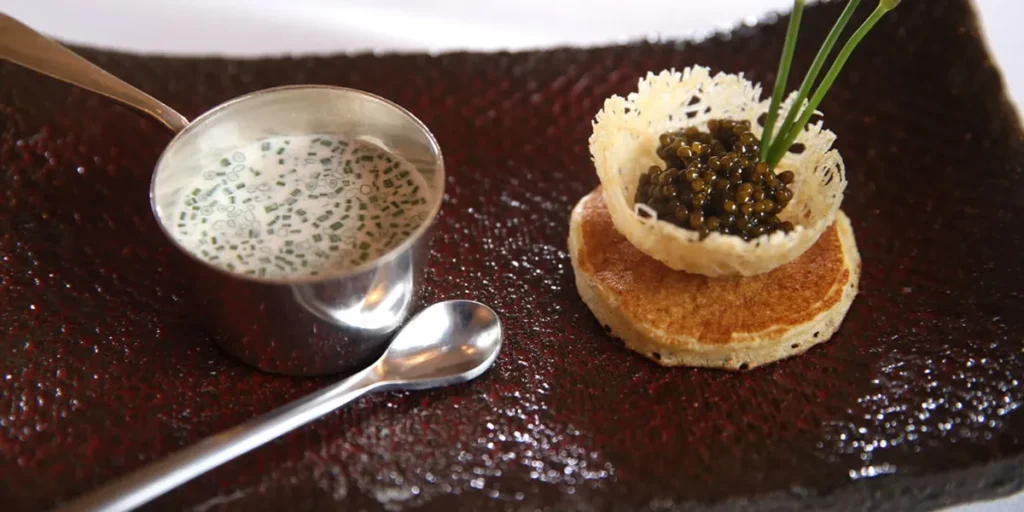
Caviar should be served chilled, ideally between 0–4°C, but never frozen. Metal spoons can alter flavor, so use mother-of-pearl, bone, or ceramic utensils.
Best practices include:
- Minimal accompaniments
- Neutral bases like blinis or unsalted crackers
- No acidic toppings
Avoid overpowering ingredients that mask natural taste. High-quality caviar needs no enhancement—simplicity highlights its complexity.
Proper serving respects the product’s chemistry and texture, ensuring the full experience promised by thoughtful Tips on Buying Caviar.
How Much Should Good Caviar Cost? Price vs. Quality Explained
Price is often misunderstood in caviar purchasing. One of the most practical Tips on Buying Caviar is knowing what you are paying for.
Caviar pricing depends on:
- Sturgeon species
- Age at harvest
- Yield per fish
- Processing method
Extremely low prices usually indicate imitation or poor handling. Conversely, high prices do not guarantee quality without supporting details. Value lies in balance—transparent sourcing, proper salting, and freshness.
Understanding cost structure helps buyers avoid both overpriced branding and suspicious bargains.
Who Should Buy Which Type of Caviar? A Buyer’s Guide
Not every caviar suits every buyer. One of the most user-focused Tips on Buying Caviar is matching the product to experience level and purpose.
- First-time buyers: Siberian or pasteurized Osetra
- Enthusiasts: Fresh Osetra or White Sturgeon
- Chefs: Bulk formats with precise salt control
- Gifts: Pasteurized, well-packaged selections
Purpose matters. A casual tasting, formal dinner, or gift all call for different characteristics. When buyers align expectations with product type, satisfaction increases dramatically.
Final Thoughts: Buying Caviar with Confidence and Knowledge
True appreciation for caviar begins with informed choices. Many buyers assume that price alone defines quality, but experience shows that understanding the fundamentals matters far more. The most valuable Tips on Buying Caviar focus on freshness, species identification, grain integrity, and proper storage—not exaggerated branding or vague descriptions. High-quality caviar should have a clean aroma, firm and glossy eggs, balanced salinity, and clear labeling that includes species and origin. Farmed caviar, when produced under strict standards, often surpasses poorly sourced wild alternatives in both safety and consistency.
Another essential factor is handling: even the best caviar can lose its character if temperature control and packaging are ignored. By applying these Tips on Buying Caviar, buyers reduce risk and increase satisfaction, whether they are beginners or experienced enthusiasts. Caviar is not about excess; it is about precision, patience, and respect for the product. When chosen carefully, it offers a refined taste that reflects craftsmanship and responsible production. Let knowledge—not guesswork—guide your next purchase, and you will experience caviar the way it was meant to be enjoyed.
FAQ
Is expensive caviar always better?
No. Quality depends on species, freshness, and handling—not price alone.
How long does caviar last once opened?
Typically 24–48 hours when refrigerated properly.
Can farmed caviar be premium quality?
Yes. Most top-quality caviar today is responsibly farmed.
Is black color a sign of quality?
No. Natural color varies by species and should never look artificial.
What is the safest way to buy caviar online?
Choose sellers with full labeling, cold shipping, and traceable sourcing.