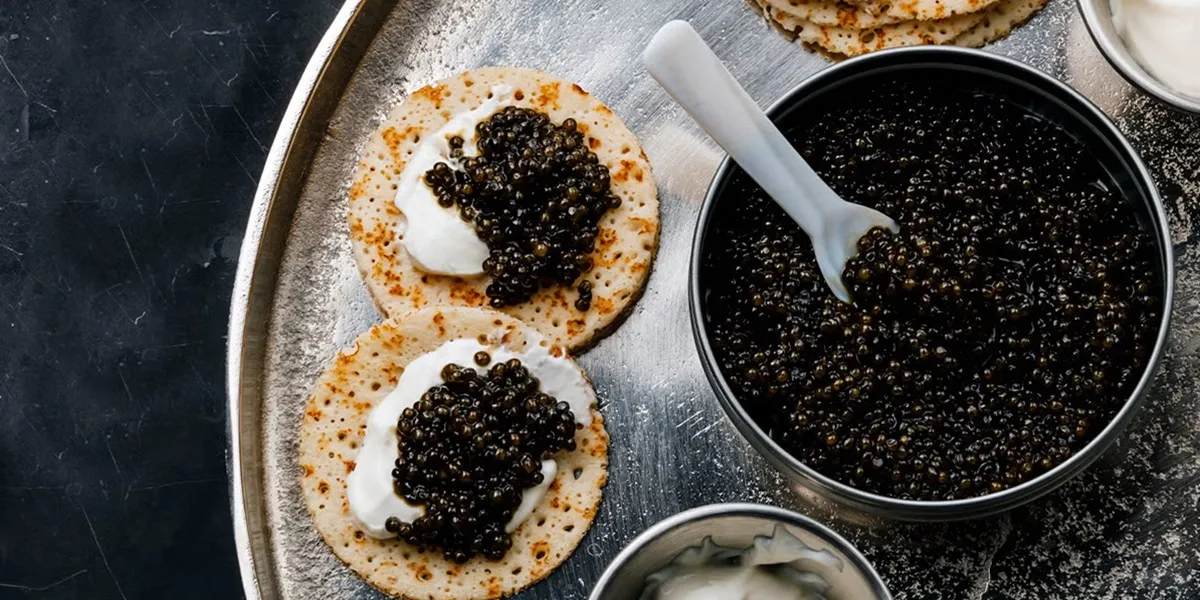
Maximizing the lifespan of caviar starts with understanding its shelf life. Knowing caviar shelf life ensures that every bite delivers the delicate texture, aroma, and flavor that make this luxury delicacy unique. Fresh sturgeon roe, when stored correctly, can retain its premium qualities for several weeks, while pasteurized or specially salted varieties last even longer. Temperature, packaging, and exposure to air are the key factors that determine how long caviar remains at its peak. Improper storage not only diminishes flavor but also increases the risk of spoilage. By following scientifically backed storage guidelines—keeping it chilled near freezing, using airtight containers, and consuming opened tins promptly—you can preserve caviar’s quality and safety. Understanding these nuances transforms your enjoyment from a simple indulgence into a mindful, health-conscious experience. Keep reading to discover the exact practices, tips, and expert insights that help you extend the life of your caviar while savoring every luxurious bite.
Understanding Caviar Shelf Life: Unopened vs. Opened
When it comes to caviar shelf life, knowing the difference between unopened and opened storage is crucial. Premium caviar, such as varieties from Pishva Holding, delivers delicate textures and subtle flavors that can quickly degrade if handled improperly. Unopened, high-quality caviar can last from 4 to 6 weeks in the refrigerator for fresh sturgeon, while pasteurized or heavily salted types may remain safe for several months. Once opened, caviar is exposed to air, which accelerates oxidation and spoilage, making it essential to consume it within 2–3 days.
| Storage Type | Shelf Life | Notes |
| Fresh, unopened | 4–6 weeks | Keep near freezing temperature |
| Pasteurized, unopened | Up to 6 months | Flavor may improve with aging |
| Opened | 2–3 days | Use non-metal utensils to avoid off-flavors |
Key factors affecting caviar shelf life include the salt content, packaging, and storage method. Always check the “packed on” date, and store caviar in the coldest part of your fridge. Understanding the differences between unopened and opened caviar ensures you maximize both safety and taste, allowing you to fully enjoy this luxurious delicacy.
How Temperature Affects Caviar Freshness
Temperature plays a critical role in maintaining caviar shelf life. When buying caviar, following Tips on Buying Caviar emphasizes the importance of refrigeration from purchase to consumption. Caviar is highly sensitive to heat, and even small deviations from ideal storage temperatures can accelerate spoilage, reduce flavor, and alter texture.
- Optimal storage: 28–32°F (–2–0°C)
- Avoid door storage: Temperature fluctuates frequently
- Minimize exposure to warm air: Only remove when ready to serve
At higher temperatures, caviar proteins begin to break down, causing a mushy texture and off-flavors. Conversely, extremely cold conditions, such as freezing fresh sturgeon caviar, may preserve shelf life but can compromise the delicate “pop” of the roe. Understanding these temperature guidelines is essential for anyone who wants to enjoy the full benefit of caviar shelf life, whether for everyday indulgence or special occasions.
Recognizing Signs of Spoiled Caviar
Even if the caviar is within its labeled caviar shelf life, sensory evaluation is critical. Knowing How to Identify High-Quality Caviar? will help you detect spoilage and maintain safety. Spoiled caviar can carry pathogens or simply taste unpleasant.
Look for these warning signs:
- Smell: Fresh caviar has a clean, briny aroma; sour or ammonia-like odors indicate spoilage.
- Texture: High-quality roe should be firm and distinct. Mushy or collapsing eggs signal deterioration.
- Appearance: Darkened or dull-colored pearls suggest age or improper storage.
Use non-metal spoons to prevent chemical reactions that might mask true freshness. Properly stored caviar within its shelf life should maintain a delicate pop and smooth, buttery mouthfeel. By combining sensory checks with awareness of caviar shelf life, you can ensure both safety and enjoyment every time you serve this luxurious delicacy.
Should You Ever Freeze Caviar? Pros & Cons
Freezing caviar is sometimes debated among experts, particularly for those interested in extending caviar shelf life. Top 10 Caviar in the World often recommends caution: freezing can preserve the roe for up to a year, but it may compromise texture and flavor, particularly for sturgeon varieties.
Pros of Freezing:
Extends storage time
Slows bacterial growth
Useful for emergency preservation
Cons of Freezing:
- Alters delicate texture; pearls may become mushy
- Slight loss of flavor subtleties
- Once thawed, caviar must be consumed immediately
For robust varieties like salmon or trout roe, freezing is more feasible, but for premium sturgeon caviar, freezing should be a last resort. Always thaw gradually in the fridge rather than at room temperature. Careful handling ensures that caviar shelf life is extended without sacrificing the luxurious quality expected from high-end caviar.
Practical Storage Tips to Maximize Caviar Life
Maximizing caviar shelf life requires simple, practical steps that protect flavor, texture, and safety:
- Keep caviar sealed: Store unopened tins in their original packaging.
- Maintain consistent cold: Back of the fridge near the ice compartment is ideal.
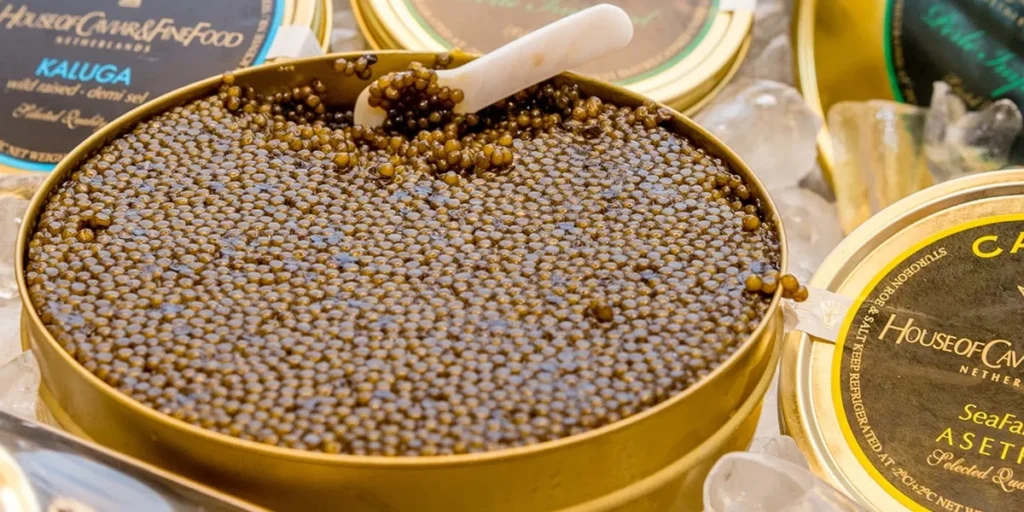
- Use non-metal utensils: Mother-of-pearl or bone spoons prevent chemical reactions.
- Consume promptly once opened: 2–3 days is optimal.
- Track dates: Rotate stock so older tins are consumed first.
Pairing caviar with complementary foods like whole grains or lightly seasoned eggs can enhance the tasting experience while minimizing exposure to air. Following these expert strategies ensures that your caviar retains its luxurious qualities throughout its intended shelf life. By understanding and respecting caviar shelf life, you transform storage into a deliberate part of the culinary experience.
Final Expert Guidance: When to Eat & When to Discard
Proper storage is the key to making the most of your caviar shelf life. Unlike many other foods, caviar is highly sensitive to temperature and air exposure, so even a few hours at the wrong temperature can compromise flavor and texture. Fresh, non-pasteurized caviar usually lasts 4–6 weeks unopened in the refrigerator, while pasteurized varieties may remain safe for up to six months. Once opened, consumption should ideally occur within 2–3 days to preserve quality.
Optimal storage involves keeping caviar chilled between –2°C to 0°C (28–32°F), using non-metallic spoons to prevent off-flavors, and minimizing repeated exposure to air. Paying attention to these details ensures that every bite delivers the creamy texture, delicate pop, and subtle briny taste that define premium caviar. By understanding caviar shelf life and following expert storage recommendations, you not only protect the food but also enhance your overall tasting experience. Whether serving it on blinis, eggs, or fresh vegetables, these guidelines make it possible to enjoy caviar safely and at its peak. Treating caviar with this level of care transforms a luxury indulgence into a mindful and truly rewarding culinary experience.
FAQ
1: How long can unopened caviar last in the fridge?
Fresh caviar typically lasts 4–6 weeks unopened, while pasteurized varieties may last up to 6 months if stored properly at 28–32°F (–2–0°C).
2: Can I freeze caviar to extend shelf life?
Yes, freezing can preserve caviar for up to a year, but it may affect texture and flavor. Premium sturgeon caviar is best consumed fresh.
3: How can I tell if caviar has gone bad?
Spoiled caviar often smells sour or ammonia-like, has a mushy texture, or shows dull, darkened eggs.
4: What is the best way to store opened caviar?
Keep it sealed with minimal air exposure, in the coldest part of the fridge, and consume within 2–3 days.
5: Do metal spoons affect caviar shelf life?
Yes, metal can react with caviar and alter flavor. Use mother-of-pearl, bone, or plastic spoons for serving.