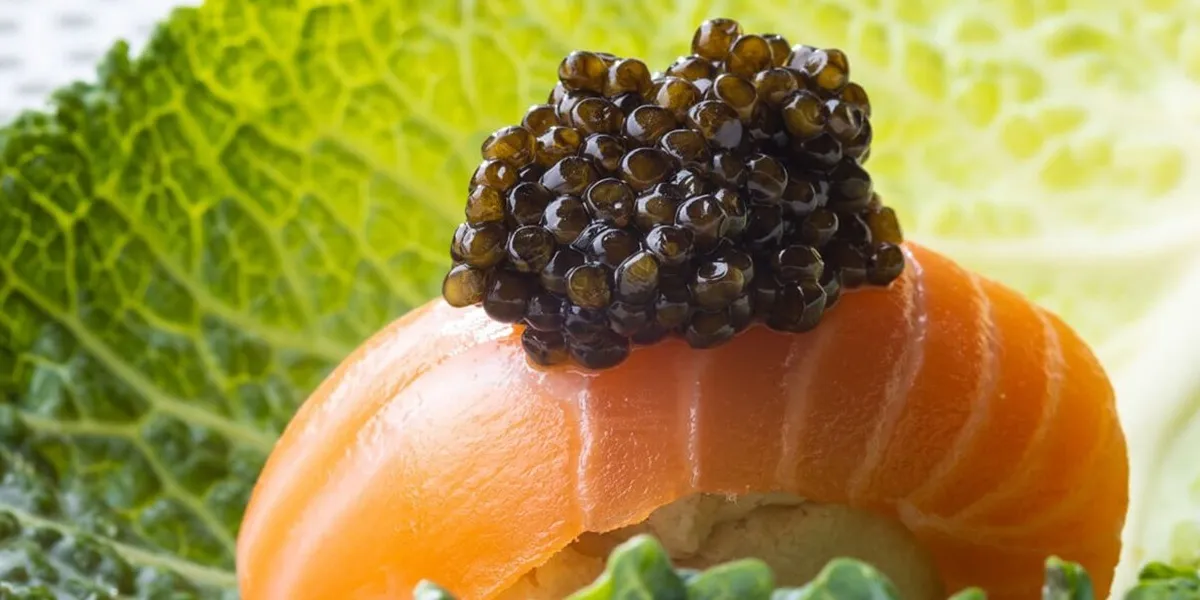
Precision defines what makes Asparagus with Salmon Caviar a standout dish rather than a passing culinary trend. This pairing works because it balances nutrition, flavor, and texture in a way few ingredients can achieve naturally. Asparagus delivers dietary fiber, folate, and powerful antioxidants, while salmon caviar provides high-quality protein, omega-3 fatty acids (EPA and DHA), and essential micronutrients such as vitamin B12 and selenium. When combined thoughtfully, these elements support cardiovascular health, cognitive function, and metabolic balance, according to recent international nutrition studies. Beyond health, the contrast between the crisp, slightly bitter notes of asparagus and the rich, umami depth of salmon caviar creates a refined sensory experience rooted in flavor science. In modern cuisine, Asparagus with Salmon Caviar is no longer reserved for luxury dining; it has become a practical option for those seeking nutrient-dense meals with clean ingredients. In this article, you will discover how science, gastronomy, and smart preparation come together. Continue reading to learn how to make informed choices and elevate this dish with confidence.
Why Asparagus with Salmon Caviar Is More Than a Luxury Dish
At first glance, Asparagus with Salmon Caviar may seem like a dish designed purely for fine dining menus, but its value goes far beyond visual appeal or exclusivity. From a nutritional and functional perspective, this combination reflects a smart approach to modern eating. Asparagus is a low-calorie vegetable rich in fiber, folate, and plant antioxidants, while salmon caviar delivers concentrated omega-3 fatty acids, complete proteins, and essential micronutrients. According to data published by international nutrition organizations, meals that combine vegetables with marine-based fats support better metabolic balance and long-term cardiovascular health.
What elevates this dish is intention. Brands and food groups such as Pishva Holding have highlighted how premium ingredients can still serve practical health goals when used correctly. This approach shifts the narrative from “luxury for show” to “quality for function.” Asparagus with Salmon Caviar also fits well into Mediterranean-style and anti-inflammatory diets, which are consistently ranked among the healthiest dietary patterns worldwide.
Rather than excess, the dish promotes moderation, precision, and nutrient density. When prepared simply—without heavy sauces or aggressive cooking—it becomes a reliable option for people who want refined taste without compromising wellness. This balance is what makes it relevant beyond high-end restaurants.
Nutritional Synergy: How Asparagus Enhances the Bioavailability of Omega-3s
One of the most overlooked strengths of Asparagus with Salmon Caviar lies in nutritional synergy. Omega-3 fatty acids such as EPA and DHA are fat-soluble nutrients, meaning their absorption improves when paired with the right supporting foods. Asparagus contributes dietary fiber, antioxidants, and small amounts of natural compounds that support digestive efficiency, allowing the body to better utilize omega-3s from salmon caviar.
Research published in European nutrition journals shows that fiber-rich vegetables can slow digestion just enough to enhance fatty acid uptake in the intestines. This is why pairing vegetables like asparagus with seafood-based fats is consistently recommended by clinical nutritionists. Compared to heavier pairings such as creamy pastas or fried starches, asparagus offers structure without interference.
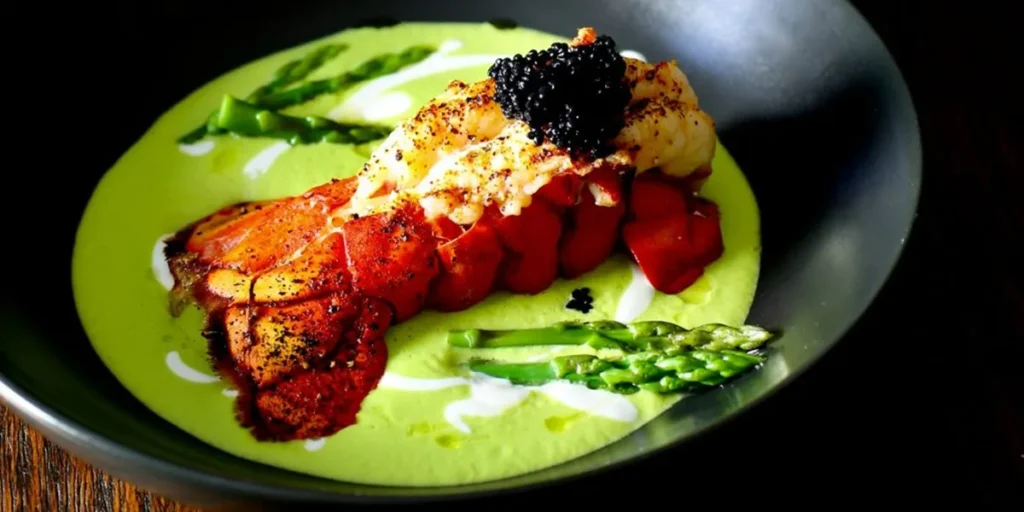
For comparison, dishes like Scallops & Caviar often rely on protein-to-protein combinations, which are flavorful but less supportive of omega-3 absorption. Asparagus adds balance without competing for digestion.
Key benefits of this synergy include:
- Improved absorption of EPA and DHA
- Better glycemic control after meals
- Reduced oxidative stress due to antioxidant intake
This makes Asparagus with Salmon Caviar a strategic choice, not just a culinary one, for nutrient-focused diets.
Salmon Caviar Under the Microscope: Protein Quality, EPA, DHA, and Micronutrients
Salmon caviar is often appreciated for its texture and visual appeal, but its nutritional profile is what truly sets it apart. In Asparagus with Salmon Caviar, the roe acts as a concentrated source of essential nutrients that are difficult to obtain in smaller portions of standard fish fillets. Salmon caviar contains complete proteins with all essential amino acids, making it highly valuable for muscle maintenance and cellular repair.
From a scientific standpoint, salmon caviar is rich in EPA and DHA, the two omega-3 fatty acids most strongly linked to reduced inflammation and improved cardiovascular markers. According to data from international food composition databases, just a small serving can contribute a meaningful percentage of daily omega-3 needs. It also provides vitamin B12, selenium, iodine, and choline, all of which support neurological and metabolic function.
Many consumers ask, What Does Caviar Tastes Like, but a more important question is how it functions in the body. Its natural fat structure allows for efficient nutrient delivery, especially when paired with vegetables like asparagus. This explains why Asparagus with Salmon Caviar is increasingly recommended by nutrition-focused chefs and dietitians as a functional gourmet dish rather than a decorative one.
Flavor Science: Why the Umami of Caviar Balances Asparagus Bitterness
Flavor balance in Asparagus with Salmon Caviar is not accidental; it is rooted in food chemistry. Asparagus naturally contains compounds that create mild bitterness, especially when lightly cooked or blanched. Salmon caviar, on the other hand, is rich in glutamates and nucleotides, the compounds responsible for umami. When these elements interact, they soften bitterness and create depth without masking the vegetable’s identity.
Food science research confirms that umami-rich ingredients enhance perceived sweetness and roundness in plant-based foods. This is why caviar works so effectively with asparagus, much like citrus works with greens or salt balances acidity. The result is complexity without heaviness.
This principle is also used in recipes such as Lemon Spaghetti with Caviar Recipe, where acidity, fat, and umami work together to achieve harmony. In Asparagus with Salmon Caviar, the balance feels cleaner and more restrained.
From a practical standpoint, this pairing reduces the need for excessive seasoning or sauces. A small amount of caviar delivers both flavor and nutritional value, making the dish efficient, elegant, and satisfying without overwhelming the palate.
Choosing the Right Asparagus: Thickness, Color, and Freshness Indicators
The success of Asparagus with Salmon Caviar depends heavily on ingredient selection, starting with the asparagus itself. Not all asparagus performs the same in terms of texture, flavor, or nutritional value. Thickness is a key indicator: medium-thick spears tend to offer the best balance between tenderness and structural integrity, especially when paired with delicate toppings like salmon caviar.
Color also matters. Bright green asparagus typically indicates higher chlorophyll content and fresher harvests, while dull or yellowing tips suggest age. White asparagus, although milder, lacks some of the antioxidant compounds found in green varieties and may require different preparation techniques.
Freshness indicators to look for:
- Firm, closed tips
- Smooth, unwrinkled stalks
- A subtle, clean vegetal aroma
From a culinary perspective, asparagus should complement, not overpower, the caviar. Overly thick or fibrous spears can disrupt texture and flavor balance. When selected correctly, asparagus provides a crisp, neutral base that allows the richness of salmon caviar to shine. This attention to detail is what transforms Asparagus with Salmon Caviar from a simple pairing into a refined, repeatable dish suitable for both everyday nutrition and elevated dining.
How to Select High-Quality Salmon Caviar Without Compromising Safety
Choosing the right salmon caviar is a critical step in preparing Asparagus with Salmon Caviar, not only for flavor but also for food safety. High-quality caviar should come from reputable producers that follow international hygiene and cold-chain standards. According to guidelines published by European food safety authorities, salmon caviar must be handled at controlled temperatures from harvest to consumption to prevent microbial risks.
When shopping, always examine the label carefully. Transparent packaging allows you to visually assess the roe, which should appear glossy, intact, and evenly colored. Avoid caviar with excessive liquid, cloudy brine, or a strong fishy odor, as these are signs of oxidation or poor storage.
Key safety and quality indicators include:
- Clear labeling with origin and production date
- Refrigerated storage between 0–4°C
- Minimal ingredient list (roe, salt, no artificial preservatives)
Wild-sourced salmon caviar often offers a cleaner mineral profile, while responsibly farmed options can also be safe if certified. For Asparagus with Salmon Caviar, freshness matters more than brand prestige. A smaller quantity of well-sourced caviar delivers better taste and nutritional value than larger amounts of lower-quality roe.
Optimal Cooking Methods That Preserve Nutrients and Texture
The way asparagus is cooked can significantly affect the success of Asparagus with Salmon Caviar. Scientific studies on vegetable preparation show that excessive heat reduces vitamin C, folate, and polyphenols—key nutrients found in asparagus. For this dish, gentle cooking methods are preferred to preserve both texture and nutritional integrity.
Steaming and quick blanching are widely recommended by professional chefs and nutrition researchers. These methods soften the fibers just enough while maintaining a slight crunch, which contrasts beautifully with the softness of salmon caviar.
Recommended cooking methods:
- Light steaming (3–4 minutes)
- Blanching followed by ice shock
- Low-temperature sautéing with minimal fat
Avoid roasting or grilling at high temperatures, as this can introduce bitterness and dry out the spears. Properly cooked asparagus acts as a neutral, nutrient-rich base that enhances the overall balance of Asparagus with Salmon Caviar without overpowering its delicate elements.
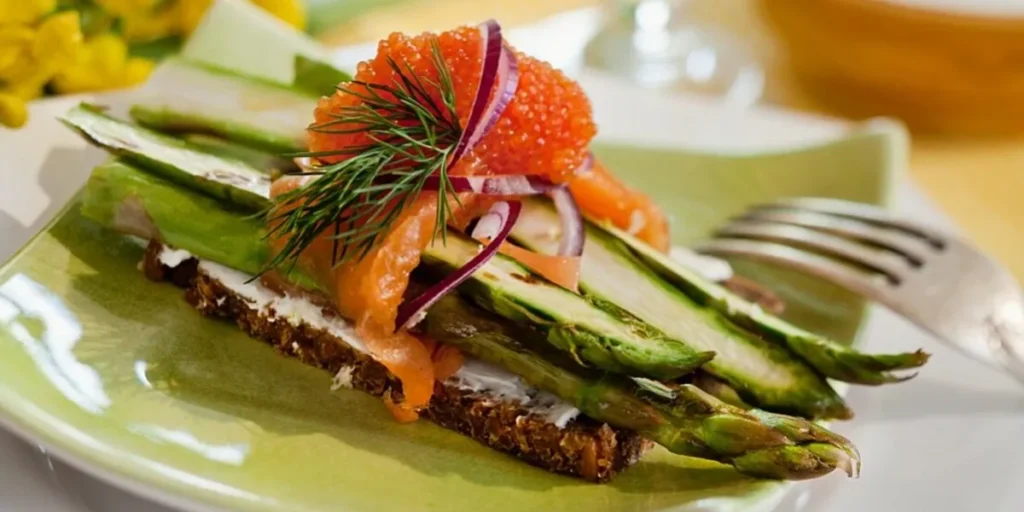
The Best Fat Pairings: Olive Oil, Butter, or Crème Fraîche?
Fat selection plays a subtle yet important role in Asparagus with Salmon Caviar. Since omega-3 fatty acids are sensitive to heat and oxidation, the accompanying fat should support flavor and nutrient stability rather than compete with it.
Extra virgin olive oil is often favored due to its antioxidant content and mild fruitiness. It enhances asparagus without masking the natural taste of salmon caviar. Butter, when used sparingly, adds richness but should never be overheated. Crème fraîche provides a soft acidity that complements umami but must be used with restraint.
| Fat Type | Best Use | Key Benefit |
| Olive Oil | Drizzle after cooking | Antioxidant support |
| Butter | Light sauté | Creamy texture |
| Crème Fraîche | Cold garnish | Flavor balance |
In Asparagus with Salmon Caviar, simplicity is key. One carefully chosen fat is enough to elevate the dish without overwhelming its natural harmony.
Timing Matters: When to Add Salmon Caviar for Maximum Flavor and Nutrition
Salmon caviar is extremely sensitive to heat, which makes timing essential in Asparagus with Salmon Caviar. According to culinary science research, exposure to high temperatures can degrade omega-3 fatty acids and alter the delicate structure of the roe.
Caviar should always be added after the asparagus has been fully cooked and slightly cooled. Ideally, the asparagus should be warm, not hot, when the caviar is placed on top. This preserves texture, flavor, and nutritional value.
Best practices include:
- Adding caviar just before serving
- Avoiding direct contact with heat
- Using non-metal utensils to prevent oxidation
This careful timing ensures that Asparagus with Salmon Caviar delivers both refined taste and optimal nutritional benefits.
Portion Control and Caloric Balance in Gourmet Nutrition
One of the strengths of Asparagus with Salmon Caviar lies in its natural suitability for portion control. While salmon caviar is nutrient-dense, it is also calorie-rich, making moderation essential. Nutrition research consistently shows that smaller portions of high-quality fats lead to better long-term dietary adherence.
A practical serving typically includes a full plate of asparagus paired with a modest spoon of caviar. This ratio supports satiety without excessive caloric intake.
Suggested portion guide:
- Asparagus: 150–200 grams
- Salmon caviar: 15–25 grams
This balance allows Asparagus with Salmon Caviar to fit comfortably into weight-conscious, heart-healthy, and anti-inflammatory diets.
Common Mistakes That Ruin Asparagus with Salmon Caviar
Even premium ingredients can fall short if handled incorrectly. One common mistake in Asparagus with Salmon Caviar is overcooking the asparagus, which leads to mushy texture and nutrient loss. Another frequent error is oversalting, forgetting that caviar already contains salt.
Additional mistakes include:
- Adding caviar during cooking
- Using low-quality or expired roe
- Pairing with heavy sauces
Avoiding these issues ensures that the dish remains clean, balanced, and true to its intended purpose.
Asparagus with Salmon Caviar in Modern Healthy Diets
Asparagus with Salmon Caviar fits naturally into several evidence-based dietary models. It aligns with Mediterranean and Nordic diets, both recognized by global health organizations for their cardiovascular benefits. The dish supports low-carb and anti-inflammatory eating patterns without requiring drastic dietary changes.
Its strength lies in combining whole foods, healthy fats, and minimal processing. This makes it suitable for individuals seeking functional nutrition without sacrificing culinary pleasure.
Sustainability and Ethics: Responsible Choices in Asparagus and Caviar Consumption
Sustainability has become a defining factor in modern food choices, and Asparagus with Salmon Caviar is no exception. Choosing seasonal asparagus reduces environmental impact, while certified sustainable caviar supports responsible fisheries.
Look for:
- Eco-labels on seafood
- Transparent sourcing information
- Seasonal, locally grown asparagus
Ethical choices not only protect ecosystems but also improve long-term food quality and availability.
Asparagus with Salmon Caviar: A Science-Backed Culinary Conclusion
Balance is the core principle that explains the growing appeal of Asparagus with Salmon Caviar in both professional kitchens and health-focused homes. This dish succeeds because it aligns culinary pleasure with evidence-based nutrition. Asparagus supports digestion and micronutrient intake, while salmon caviar contributes bioavailable omega-3 fatty acids that play a documented role in reducing inflammation and supporting heart health. Scientific findings from international food research institutions consistently highlight the importance of pairing fiber-rich vegetables with healthy fats to improve nutrient absorption, a principle this dish naturally fulfills.
From a practical perspective, Asparagus with Salmon Caviar encourages mindful portioning, minimal processing, and precise preparation techniques that preserve nutritional value. It also reflects modern dietary patterns that emphasize whole foods, sustainability, and functional eating rather than excess. When sourced responsibly and prepared correctly, this combination offers more than refined taste; it delivers measurable health benefits and culinary reliability. By understanding the science behind the ingredients and applying simple, proven techniques, readers can transform this elegant dish into a smart, repeatable choice for everyday or special occasions.
FAQ
1. Is Asparagus with Salmon Caviar healthy?
Yes. When prepared correctly, it offers fiber, omega-3s, and essential micronutrients.
2. Can I eat this dish while on a low-carb diet?
Absolutely. It is naturally low in carbohydrates and high in healthy fats.
3. How often can I eat salmon caviar?
Moderation is key. Small portions once or twice a week fit most balanced diets.
4. Should caviar ever be cooked?
No. Heat damages its texture and nutritional value.
5. Is farmed salmon caviar safe?
Yes, if it comes from certified producers following strict safety standards.