Choosing the right seafood source can transform an importer’s entire supply chain, and that is precisely where Iranian Carangidae fish stand out. Known for their consistent quality, clean marine origin, and strong nutritional profile, these species have become a dependable option for buyers seeking stable volumes and competitive pricing. Harvested from the productive waters of the Persian Gulf and the Gulf of Oman, Iranian Carangidae fish benefit from naturally rich ecosystems that support healthy growth and balanced fat content—features highly valued in international markets.
Their lean, flavorful flesh makes them suitable for a wide range of applications, from fresh retail cuts to large-scale processing for food-service industries. As global demand for sustainable, traceable seafood continues to rise, the reliability and year-round availability of these species give importers a clear advantage. If you’re ready to explore the full potential of this category, follow along as we dive deeper into the essentials every buyer should know.
What Are Carangidae and Why Do They Matter for Global Seafood Trade?
Carangidae fish represent one of the most commercially valuable families in global seafood markets, especially for importers searching for dependable year-round supply. Within this group, Iranian Carangidae fish have gained notable interest due to their consistent quality and strong production base. These species—ranging from jacks and trevallies to scads—are prized for their lean flesh, mild flavor, and suitability for a wide range of processing applications. In markets where versatility and steady landing volumes are crucial, this family provides a strategic advantage.
Companies with extensive sourcing experience, such as Pishva Holding, often highlight Carangidae as a category that aligns well with the needs of distributors, processors, and retail buyers. Their relatively fast growth rates and adaptability to different marine environments also contribute to their international importance. From fresh and frozen retail cuts to large-scale industrial uses, they offer a reliable raw material option. Key advantages for global trade include:
- Wide availability across tropical and subtropical waters
- Strong demand in Asia, the Middle East, and Southern Europe
- Competitive pricing compared to other pelagic species
- Excellent performance in freezing, glazing, and value-added production
For importers looking for stable, high-yield seafood options, Iranian Carangidae fish remain a strategic and commercially sound choice.
Iranian Marine Waters: A Strategic Habitat for Carangidae
The southern marine zones of Iran—primarily the Persian Gulf and the Gulf of Oman—form one of the region’s most productive ecosystems for Iranian Carangidae fish. Their warm waters, combined with strong nutrient circulation, tidal fluctuations, and seasonal plankton blooms, provide ideal biological conditions for rapid growth and predictable migration patterns. These features create a foundation that supports both local fishing communities and large-scale commercial suppliers.
When evaluating Technical Specifications of Carangidae, habitat quality plays a major role in determining the fish’s fat content, texture, and shelf-life performance. Iranian waters are naturally rich in mineral-dense currents, promoting healthier fish with firmer flesh—an attribute particularly valued by international processors. Because these regions experience relatively stable temperatures throughout the year, Carangidae stocks maintain consistent availability, reducing seasonal volatility in export volumes.
- Key Environmental Factors Supporting Iranian Carangidae Fish
- High salinity levels that contribute to leaner muscle composition
- Warm water temperatures that accelerate growth and biomass turnover
- Natural food sources that enhance nutritional value and omega-3 density
- Low-pollution zones in many fishing areas, supporting cleaner product quality
This combination of ecological stability and natural productivity makes Iran’s southern waters a strategic hub for Carangidae harvesting, offering importers dependable supply and consistently high product integrity.
Key Iranian Carangidae Species of Interest to Importers
Iran’s coastal fisheries land several high-value species within the Carangidae family, all of which are increasingly in demand among international buyers. Among the most significant are Alepes djedaba (Shrimp Scad), Alectis indica (Indian Threadfish), Selar crumenophthalmus (Bigeye Scad), and Carangoides bajad (Orange-Spotted Trevally). Each species features unique characteristics that appeal to different segments of the market, making Iranian Carangidae fish a flexible option for importers.
Understanding Carangidae quality standards is essential when selecting the right species for specific applications. For example, Alepes djedaba is popular for frying and value-added processing due to its small size and uniform shape, while Alectis indica commands attention in premium food-service because of its larger fillet yield and refined flavor. Bigeye Scad, known for its excellent freezing stability, is widely used in both retail packs and industrial production.
Quick Comparison Table
| Species Name | Average Size | Best Use | Key Strength |
| Alepes djedaba | 12–20 cm | Frying, IQF | Uniform size, mild flavor |
| Alectis indica | 40–80 cm | Fillets, food-service | High yield, firm texture |
| Selar crumenophthalmus | 20–28 cm | Frozen retail | Excellent freezing stability |
| Carangoides bajad | 25–40 cm | HORECA | Balanced fat content |
With strong species diversity and adaptable product formats, Iranian Carangidae fish consistently deliver value across global seafood markets.
Biomass, Stock Status, and Supply Reliability from Iranian Fisheries
The sustainability and long-term availability of Iranian Carangidae fish depend heavily on the condition of local stocks and biomass levels. Fortunately, Iran’s coastal waters have been the subject of regular scientific assessments that consistently show stable or moderately increasing Carangidae biomass. These trends are supported by controlled fishing efforts, seasonal closures, and gear regulations that help protect young fish and maintain spawning cycles.
For buyers focused on secure sourcing, the concept of Iran Carangidae export reliability is particularly important. Iranian fisheries benefit from relatively predictable seasonal patterns, with peak landings often occurring during late summer and early autumn. This allows processors to plan production schedules with clarity and maintain steady supply to international markets.
Factors Enhancing Supply Reliability
- Stable biomass: Supported by natural productivity and regulated fishing zones
- Active stock monitoring: Conducted by Iranian marine research institutions
- Structured quotas: Designed to balance ecological sustainability with commercial needs
- Strong landing infrastructure: Ensures rapid handling and reduced spoilage
This foundation enables Iranian suppliers to offer consistent volumes of Carangidae throughout the year, minimizing the risk of sudden supply disruptions that often challenge importers. As global seafood demand continues to rise, the dependable stock status of Iranian Carangidae fish strengthens their position as a long-term, strategic procurement choice.
Nutritional Profile of Carangidae: High-Value Lean Fish with Omega-3 Benefits
Consumers today increasingly prefer seafood options that deliver both nutritional value and clean-label qualities. In this regard, Iranian Carangidae fish stand out as a naturally lean, protein-rich group with an impressive profile of omega-3 fatty acids. These species typically contain moderate fat levels—just enough to provide flavor and tenderness without compromising shelf stability or freezing performance. Their flesh is also rich in essential amino acids and micronutrients such as selenium, niacin, and vitamin B12.
Nutritional Highlights
- High Protein: Often exceeding 18–20% per 100 g
- Balanced Fat Content: Ideal for both fresh and frozen products
- Omega-3 Fatty Acids: EPA and DHA levels support heart and brain health
- Low Mercury Tendency: Particularly in smaller species like scads
Because of their mild flavor and clean nutritional profile, Carangidae fish are widely used in school meals, healthcare catering, and health-oriented retail brands. Their lean structure also makes them compatible with a variety of cooking methods—grilling, frying, steaming, and smoking—without losing texture.
For importers, these nutritional strengths provide strong marketing leverage, especially in regions where consumers actively seek healthier alternatives to red meat and oil-rich fish. This makes Iranian Carangidae fish an appealing option for brands looking to align with modern dietary trends.
Food Safety Profile: Managing Histamine and Other Quality Risks
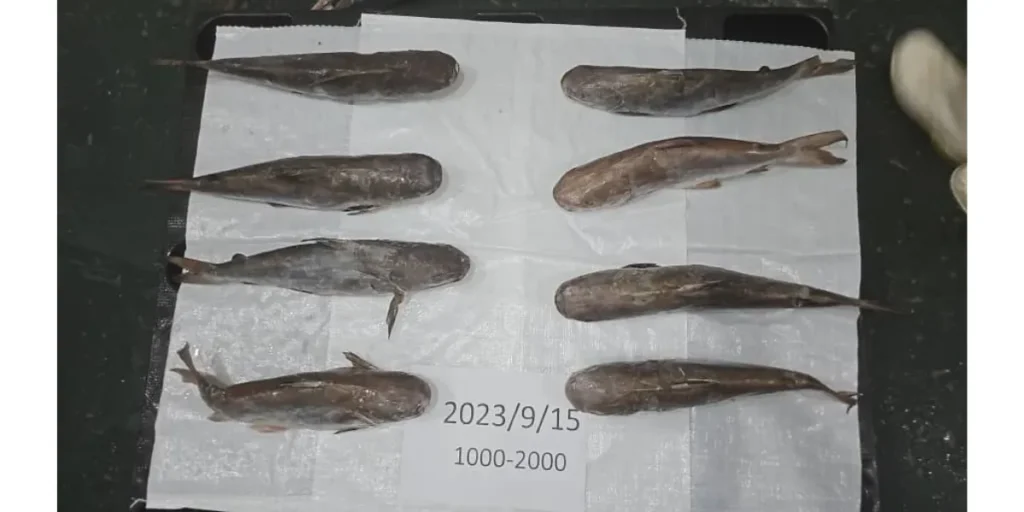
Food safety is one of the most critical considerations for seafood importers, especially when dealing with pelagic species. Fortunately, Iranian Carangidae fish are harvested and processed within handling frameworks designed to minimize common risks such as histamine formation. Histamine develops when fish are exposed to warm temperatures after harvest, but Iranian processors frequently implement rapid icing, insulated transport, and temperature-controlled storage to maintain safety.
Key Food Safety Practices
- Immediate on-board icing after capture
- Cold-chain monitoring from landing sites to processing facilities
- Strict core-temperature checks before freezing
- HACCP-based controls applied across processing lines
- Regular histamine testing for export batches
These measures significantly reduce microbial growth and enzymatic activity that can compromise product quality. Additionally, many processing plants undergo third-party audits to ensure alignment with EU, GCC, and East Asian import regulations. This adds an additional layer of assurance for buyers concerned about compliance.
Beyond histamine control, Iranian processors also focus on freshness indicators such as TVB-N levels, texture stability, and microbiological counts. The result is a safer and more reliable product that meets international expectations.
For importers prioritizing consistent safety and regulatory alignment, Iranian Carangidae fish offer a dependable solution backed by robust quality management systems.
Processing Standards and Certification in Iranian Carangidae Plants
High-quality processing is essential for maximizing shelf life and market value, and Iranian facilities have significantly modernized their operations in recent years. Many plants handling Iranian Carangidae fish operate under internationally recognized certification programs such as HACCP, ISO 22000, and in some cases, BRCGS. These certifications help ensure that hygiene, temperature control, and traceability standards remain consistent throughout production.
Core Processing Steps
- Reception & Grading: Fish are evaluated for size, appearance, temperature, and freshness.
- Cleaning & Gutting: Automated or semi-automated systems help maintain uniformity.
- Freezing: Blast, plate, or contact freezers rapidly stabilize the product.
- Glazing & Packing: Protects fish against dehydration during storage.
- Cold Storage: Maintains product integrity until shipping.
The integration of modern equipment—such as digital temperature logging, stainless-steel workstations, and automated glazing machines—enhances both efficiency and product safety. These standards support consistent outcomes, even during high-volume processing periods.
By aligning operations with global certification frameworks, Iranian producers strengthen their reputation among importers seeking reliable long-term partnerships. This level of quality assurance ensures that Iranian Carangidae fish meet the expectations of competitive markets and maintain integrity throughout their export journey.
Product Forms and Specifications Tailored for Different Markets
Importers rely on product formats that fit both their distribution channels and end-use markets, and Iranian Carangidae fish are versatile enough to be offered in several commercial forms. The variety of available specifications allows buyers to match product features with their consumers’ preferences—whether for retail packs, industrial processing, or food-service operations.
Common product formats include:
- Whole Round (WR): Delivered fresh or frozen, suitable for markets that prefer minimal processing.
- Headed & Gutted (HGT): Ideal for wholesalers and restaurants seeking reduced labor costs.
- Fillets and Butterfly Cuts: Popular in modern retail due to convenience and uniformity.
- IQF Portions: Frequently used by industrial processors for breaded or value-added products.
- Block Frozen: A cost-effective option for large factories requiring consistent raw material.
Example Specification Table
| Product Form | Typical Size | Application | Notes |
| WR | 200–600 g | Wet markets, wholesale | Minimal handling |
| HGT | 300–800 g | Food-service | Reduced prep time |
| Fillet | 80–120 g | Retail | Ready for cooking |
| IQF | Variable | Value-added plants | Excellent portion control |
By offering diverse formats, Iranian Carangidae fish meet the needs of multiple regions—from Middle Eastern markets that favor whole fish to Western retailers prioritizing convenience and consistent sizing.
Logistics and Cold-Chain Infrastructure for Iranian Carangidae Exports
Efficient logistics and cold-chain management are essential for preserving freshness and ensuring that Iranian Carangidae fish arrive in top condition. Iran’s coastal regions benefit from well-developed landing ports equipped with ice plants, insulated storage areas, and refrigerated transport vehicles that maintain stable temperatures from the moment the fish are unloaded.
After landing, most Carangidae shipments enter a controlled cold-chain environment:
- Rapid chilling immediately after catch
- Processing under low-temperature conditions to maintain product stability
- Blast or plate freezing to quickly lock in freshness
- Storage in -18°C to -25°C cold rooms before export
- Sealed reefer containers for international shipping
Iran’s southern ports—such as Bandar Abbas, Chabahar, and Bushehr—offer direct access to global shipping lanes, shortening transit times to markets in Asia, Europe, and the Middle East. These ports also maintain certification protocols that ensure temperature integrity during loading and inspection.
For importers, the strength of this cold-chain infrastructure significantly reduces spoilage risks and preserves texture, flavor, and nutritional value. As a result, Iranian Carangidae fish maintain excellent quality even after long-distance transportation, making them a dependable choice for companies operating in multiple regions.
Sustainability and Fisheries Management of Carangidae in Iran
Sustainability has become a major factor in international seafood procurement, and Iran has taken meaningful steps to ensure responsible harvesting of Iranian Carangidae fish. Regulatory bodies oversee fishing activities through seasonal closures, gear restrictions, and monitoring programs that track biomass fluctuations and spawning patterns.
Iran’s fisheries management framework includes:
- Seasonal fishing bans during peak spawning periods
- Mesh-size regulations to prevent juvenile capture
- Catch reporting requirements for licensed vessels
- Harbor inspections to verify compliance
- Scientific stock assessments performed by marine research institutes
These practices help preserve Carangidae populations and stabilize catch volumes over time. In addition, many artisanal and industrial fleets follow selective fishing methods that reduce bycatch and protect other marine species.
Importers increasingly look for transparent sourcing, and Iranian suppliers have adapted by improving documentation and traceability systems. This includes vessel identification records, proof of legal fishing areas, and documentation aligning with international seafood standards.
With growing global demand for sustainable proteins, these management measures help strengthen the international reputation of Iranian Carangidae fish, positioning them as a responsible and future-focused option for global buyers.
Where Iranian Carangidae Fit in Your Product Portfolio
In a competitive seafood market, importers must select products that balance affordability, versatility, and consumer appeal. Iranian Carangidae fish fit naturally into portfolios aiming to offer nutritious, sustainable, and cost-effective options. Their mild flavor and firm texture make them suitable for both traditional dishes and modern retail applications.
For companies targeting price-sensitive markets, Carangidae provide a high-value alternative to more expensive pelagic species. They can be positioned as a lean, omega-3 rich protein, appealing to customers seeking healthy seafood options. Meanwhile, food-service operators appreciate their consistency in portion size and cooking behavior.
Ideal Market Segments
- Retail Chains: Fillets and IQF portions for easy cooking
- Food-Service & HORECA: HGT and larger specimens for grilling or frying
- Industrial Processing: Block frozen or IQF formats for breaded products
- Ethnic Markets: Whole fish options for traditional recipes
With ongoing shifts toward healthier diets and sustainable sourcing, these products fill a strategic gap between premium fish and low-cost options. Including Iranian Carangidae fish in your portfolio allows you to address diverse consumer needs without compromising quality or profitability.
Quality Assessment Checklist for Buyers of Iranian Carangidae
To ensure consistent standards when purchasing Iranian Carangidae fish, importers should apply a clear quality control checklist upon arrival. This helps verify that the shipment meets both regulatory requirements and internal specifications.
Essential Quality Checks
- Appearance: Bright skin, natural coloration, and clean surface
- Texture: Firm, elastic body with no signs of softening
- Odor: Fresh, neutral smell—no sour or ammonia-like aroma
- Temperature: Core temperature ideally between -18°C to -25°C for frozen shipments
- Glazing: Even and adequate to prevent dehydration
- Packaging Integrity: No broken seals, leaks, or frost buildup
- Documentation: Export certificates, health certificates, and traceability papers
- Buyers should also examine chemical and microbiological parameters. Typical tests include:
- TVB-N levels (freshness indicator)
- Histamine testing for safety compliance
- Microbial counts aligned with import regulations
Inspection should be conducted immediately after container opening to avoid temperature fluctuations influencing results.
By following a structured evaluation process, importers can confidently assess the consistency and reliability of Iranian Carangidae fish, ensuring each shipment delivers the expected quality.
Building Long-Term Partnerships with Iranian Carangidae Suppliers
Creating long-term relationships with reliable suppliers is essential for maintaining stable product lines, especially in the seafood sector. Iranian exporters of Iranian Carangidae fish often prioritize transparent communication, predictable supply capacity, and alignment with international standards—making them suitable partners for importers seeking long-term cooperation.
To build durable partnerships, buyers can focus on:
- Clear product specifications: Mutually agreed standards for size, packaging, and glazing
- Volume forecasting: Sharing seasonal demand plans to optimize production
- Regular audits: Encouraging site visits or virtual inspections to verify compliance
- Collaborative product development: Working together on fillet styles, portion sizes, or private-label items
- Performance reviews: Periodic evaluation of delivery times, quality consistency, and communication responsiveness
Iranian suppliers benefit from advanced processing facilities, developed port networks, and experienced export departments. These strengths help ensure that buyers receive consistent shipments and professional support throughout their procurement cycle.
By nurturing cooperative relationships and maintaining open dialogue, importers can secure a dependable supply of Iranian Carangidae fish, reduce sourcing risks, and expand their market presence with confidence.
Conclusion
In today’s competitive seafood landscape, selecting products that deliver both consistency and value is no longer optional—it’s a strategic necessity. This is exactly why Iranian Carangidae fish deserve the attention of serious importers. Their presence in nutrient-rich southern Iranian waters results in steady biomass levels, predictable availability, and a quality profile that aligns well with global market expectations. These species offer the kind of versatility buyers appreciate: firm texture suitable for filleting, stable performance in freezing and glazing processes, and a mild flavor that appeals to a wide range of consumers.
Beyond their culinary advantages, the supply chain behind Iranian Carangidae fish is designed to support international standards, with processors increasingly adopting HACCP-based systems, modern cold-chain infrastructure, and export-focused handling practices. This combination of natural abundance and controlled processing builds a level of reliability that importers can confidently integrate into long-term procurement plans.
As global markets shift toward healthier proteins and transparent sourcing, Iranian suppliers are well-positioned to meet those expectations. Their ability to provide stable volumes while maintaining competitive pricing gives buyers room to grow their product lines without compromising quality. For importers seeking dependable, high-value seafood options, these species offer an opportunity that is both practical and forward-looking.
FAQ
1. What makes Iranian Carangidae fish a reliable choice for importers?
They offer consistent availability, strong nutritional value, competitive pricing, and stable quality supported by Iran’s regulated fisheries and modern processing standards.
2. Which product forms are most commonly exported?
Iranian suppliers offer Whole Round, HGT, fillets, IQF portions, and block frozen formats to suit different market needs.
3. Are Iranian Carangidae fish safe for international markets?
Yes. Most processors follow HACCP systems, conduct histamine testing, and comply with EU, GCC, and Asian import standards.
4. Do Iranian fisheries follow sustainability practices?
Iran uses seasonal closures, gear regulations, and scientific stock monitoring to manage Carangidae resources responsibly.
5. How can buyers ensure the quality of shipments?
Applying a structured checklist—appearance, temperature, packaging, and laboratory tests—helps verify consistency upon delivery.
6. Which markets are best suited for Iranian Carangidae fish?
They perform well in retail, food-service, industrial processing, and ethnic markets due to their versatility and mild taste.
7. How can importers build long-term supplier relationships?
Clear specifications, regular communication, periodic audits, and collaborative product development strengthen long-term cooperation.