Remarkably, when we talk about Carangidae fish specifications, we’re essentially uncovering the blueprint of one of the most commercially and ecologically significant fish families in tropical and subtropical waters. This group—which includes jacks, trevallies, pompanos, and scads—plays a crucial role in global fisheries thanks to its dynamic morphology, wide size range, and firm, versatile flesh that performs well in diverse culinary methods. Understanding accurate Carangidae fish specifications helps stakeholders—from seafood exporters to chefs and even conservation planners—make informed decisions about sourcing, sustainability, and market value.
With species that thrive in pelagic zones, reef edges, and coastal ecosystems, the Carangidae family stands out for its adaptability and economic relevance. By exploring their size patterns, taste characteristics, and commercial applications, you gain a deeper look into why these fish matter far beyond simple seafood consumption. If you’re ready to dive deeper, continue reading to uncover more.
Understanding the Family Carangidae — Who They Are and Why They Matter
When discussing Carangidae fish specifications, it becomes clear that this family is far more influential than many realize. Represented by trevallies, jacks, pompanos, and scads, Carangidae are among the most widespread marine species across tropical and subtropical waters. Their ecological and commercial relevance has pushed many industry players—including large seafood suppliers such as Pishva Holding—to invest in detailed research and sourcing strategies built around this family.
Carangidae species thrive in dynamic environments, from reef edges to open pelagic zones. This adaptability has made them essential components of global fisheries. Their role is not just ecological; they are pivotal for food security in coastal regions. Understanding precise Carangidae fish specifications allows producers, exporters, and regulators to standardize quality, monitor sustainability, and anticipate market demand.
Key biological traits of Carangidae include:
- High swimming speed and strong predatory behavior
- Wide temperature tolerance
- Distinctive body shapes adapted for hydrodynamic efficiency
- Consistent availability across major oceans
These foundational traits explain why Carangidae hold long-standing importance in fisheries, research programs, and global seafood trade. As you explore deeper sections, you’ll see how Carangidae fish specifications shape every aspect of their commercial and biological identity.
Size & Morphology: From Small Scads to Large Amberjacks
Carangidae fish specifications related to size and morphology demonstrate how diverse the family truly is. Some species remain small and slender, while others reach impressive lengths and develop muscular bodies ideal for fast, sustained swimming. This range is also reflected in regional populations such as the Iranian Carangidae, which show considerable variation between species found in the Persian Gulf and the Gulf of Oman.
At one end of the spectrum, scads often measure between 20 and 35 cm, making them suitable for mass-market filleting and canning. On the opposite end, Amberjacks and Giant Trevallies can exceed 1.5 meters, attracting sport fishers and premium seafood markets. These morphological differences influence handling, storage, and commercial categorization.
Common morphological characteristics include:
- Deeply forked caudal fin for propulsion
- Compressed, streamlined body
- Strong lateral line with protective scutes
- Two distinctive dorsal fins
A clear understanding of these specifications helps fisheries determine gear selection, onboard handling, and grading processes—highlighting how essential size-based Carangidae fish specifications are to the entire value chain.
Taste Profile & Culinary Qualities: What Carangids Bring to the Table
Taste and culinary versatility play a central role in Carangidae fish specifications. These species generally offer firm, lean flesh with a clean, balanced flavor. Their texture holds up exceptionally well during grilling, pan-searing, and baking—qualities that align perfectly with professional culinary expectations. In industrial processing and high-end foodservice, adherence to Carangidae quality standards ensures consistency in flavor, appearance, and freshness.
Many chefs value Carangidae for their ability to absorb marinades without losing structural integrity. The mildness of the meat also makes it appealing to consumers who prefer seafood without overpowering aromas. In regional cuisines—from Southeast Asia to the Mediterranean—Carangidae appear in both traditional dishes and modern fusion menus.
Culinary attributes commonly associated with Carangidae:
- Firm, cohesive muscle fibers
- Low to moderate fat content
- Mild but distinctly oceanic flavor
Excellent browning and caramelization when grilled
By understanding Carangidae fish specifications in relation to culinary expectations, suppliers and chefs can better align product offerings with consumer needs while maintaining premium quality.
Commercial & Fishery Uses: The Global Importance of Carangidae
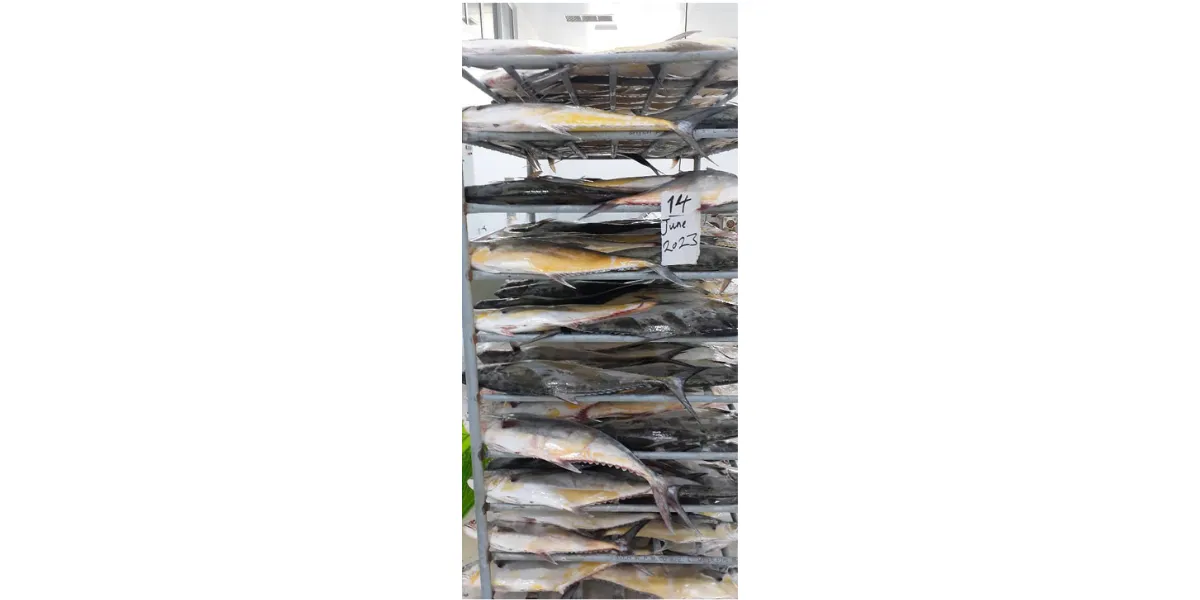
Carangidae fish specifications profoundly shape how these species are harvested, traded, and marketed worldwide. Their wide availability, strong population numbers in many regions, and adaptability to different fisheries make them essential to the global seafood economy. High-volume species supply regional markets, while premium varieties enter specialized channels that require advanced logistics, including proper Carangidae export packaging to maintain freshness during transport.
Commercially, Carangidae serve multiple purposes. Smaller species support processing industries through filleting, drying, and canning operations. Larger species offer high-value cuts for international markets, including sashimi-grade selections in East Asia. Their athletic build and fighting ability also make them popular in sport fishing tourism, contributing to local economies.
Primary commercial uses include:
- Fresh and frozen seafood markets
- Industrial fishmeal production
- Canned products
- Recreational charter fisheries
- Value-added portions for retail
Understanding Carangidae fish specifications helps stakeholders align capture methods, cold-chain logistics, and export strategies with real-world market requirements—ensuring consistent product quality and maximizing profitability.
Challenges & Considerations: Taxonomy, Safety, and Sustainable Management
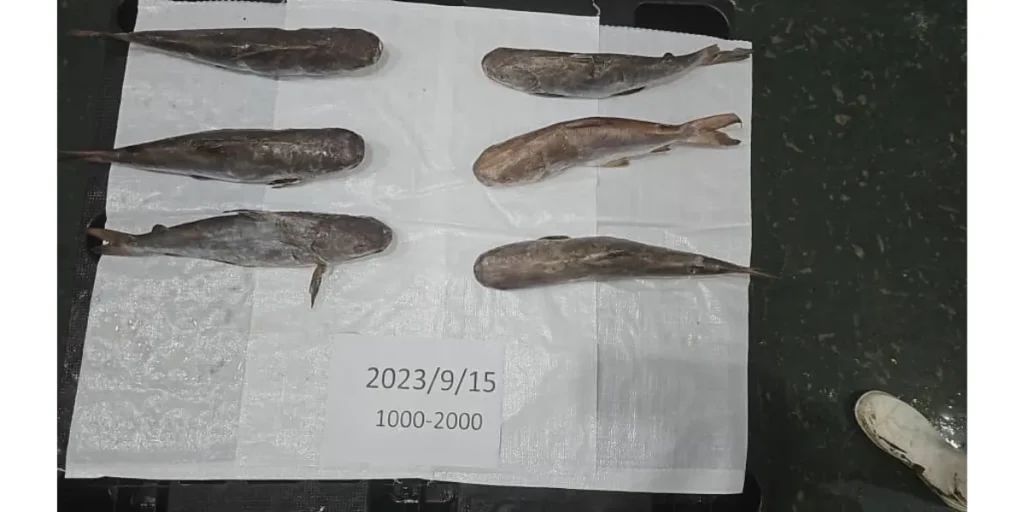
Despite their value, managing Carangidae based on clear Carangidae fish specifications presents several challenges. Taxonomic ambiguity is one of the most persistent issues; certain species exhibit overlapping morphological traits that make visual identification unreliable, especially in mixed landings. This inconsistency can affect scientific reporting, fisheries management, and even international trade classifications.
Environmental factors pose another layer of complexity. In regions where pollution levels are high, some Carangidae may accumulate heavy metals or environmental toxins. Monitoring programs are therefore essential to ensure that products entering the supply chain remain safe for consumption.
Major challenges include:
- Ambiguous species boundaries
- Mislabeling in local and export markets
- Variable contamination risks
- Overfishing of high-value species in some regions
- Insufficient documentation during landing and transport
A deeper understanding of Carangidae fish specifications supports better policy decisions, reduces ecological pressure, and builds trust between fisheries, regulators, and consumers.
Practical Recommendations for Stakeholders
Applying Carangidae fish specifications in real-world settings helps streamline operations across the supply chain—from fishing crews to processors, exporters, and retailers. Fisheries benefit from identifying the right gear types for different species, optimizing onboard handling, and minimizing bycatch. Processors can enhance fillet yield, improve hygiene protocols, and adjust storage methods based on size and fat content.
For retailers and distributors, transparency remains critical. Clear labeling, accurate species names, and proper cold-chain management increase consumer confidence and reduce product returns. Restaurants can also benefit by choosing species that best match their menu style, ensuring consistent flavor and texture.
Practical steps for stakeholders:
- Establish species-specific handling guidelines
- Use ice-slurry cooling for medium and large species
- Adopt standardized grading systems
- Maintain traceability from catch to consumer
- Educate staff about key Carangidae fish specifications
These actionable recommendations ensure that the entire seafood chain—from ocean to table—benefits from a consistent, professional, and sustainable approach grounded in reliable Carangidae fish specifications.
Conclusion: Carangidae — A Versatile, Valuable, but Under-Monitored Fish Family
Unmistakably, the significance of Carangidae fish specifications extends far beyond a set of technical notes—it reveals how biology, ecology, and human industry intersect. This fish family has earned its place in global markets due to its impressive range of body sizes, fast-swimming physiology, and firm, clean-tasting flesh that appeals to both professional kitchens and home cooks. Their adaptability across oceanic zones makes them an essential component of marine food webs and an irreplaceable resource for coastal fisheries.
By examining Carangidae fish specifications, from anatomical traits to flavor profile and commercial roles, we gain clarity on why these species remain a foundational category in seafood supply chains. They support local livelihoods, fuel sport-fishing economies, and contribute to nutrition in many regions. But at the same time, their diversity poses challenges: misidentification, overharvesting, and habitat degradation all threaten the long-term stability of several species.
Recognizing these complexities helps consumers, fishery managers, and industry professionals make smarter, more sustainable choices. Whether it’s selecting properly labeled fish, enforcing precise catch reporting, or prioritizing responsible sourcing, informed decisions protect both the species and the markets that depend on them. With these insights, you’re better equipped to appreciate the full value and future of the Carangidae family.
FAQs
1. What are Carangidae fish specifications?
They refer to the biological, morphological, culinary, and commercial characteristics used to identify, classify, and market Carangidae species.
2. Are Carangidae good for cooking?
Yes. Their firm, mild-flavored flesh works well for grilling, frying, baking, and sashimi.
3. Which regions supply the most Carangidae?
The Indo-Pacific region, Persian Gulf, Southeast Asia, and parts of Africa are major suppliers.
4. Do Carangidae require special export packaging?
Premium species often require advanced chilling, vacuum-sealing, or insulated Carangidae export packaging systems to maintain freshness.
5. Are all Carangidae safe to eat?
Generally yes, but periodic contamination testing is recommended in polluted regions.
6. Why is species identification difficult?
Many species share overlapping physical traits, making DNA-based identification the most accurate method.