
Discover the True Taste of Caviar: What Does Caviar Tastes Like? The answer is more nuanced than most imagine. Caviar is not merely salty fish eggs; it is a sophisticated blend of briny freshness, buttery richness, and subtle umami notes that unfold with each delicate bite. High-quality caviar delivers a silky texture that gently pops in your mouth, releasing flavors that are both savory and slightly nutty, leaving a lingering, refined taste. The complexity comes from its natural balance of fats, proteins, and minerals, which work together to create a multi-layered experience, unlike any other luxury food.
Understanding what caviar tastes like requires attention not only to flavor but also to texture, aroma, and even the temperature at which it is served. Whether you are a first-time taster or an experienced connoisseur, this guide will help you explore caviar in its full sensory richness. Keep reading to uncover every dimension of this prized delicacy.
The Science Behind Caviar Flavor
Understanding What Does Caviar Tastes Like begins with science. At its core, caviar flavor arises from the chemical composition of roe—balanced levels of salt, fat, protein, and minerals. These compounds interact with human taste receptors in a way that creates the distinctive sensations associated with premium caviar. Unlike plain saltiness, caviar’s flavor unfolds gradually: first a briny top note, then deeper buttery and umami layers.
Two key elements contribute to this effect:
Osmolality: The natural salt content helps control water movement in the roe, influencing how flavor is released in the mouth.
Lipids (Fats): High‑quality caviar contains rich oils that enhance mouthfeel and carry subtle flavor notes.
Scientific studies on sensory perception show that humans detect umami and fat through specialized receptors, explaining why good caviar feels rich rather than flat or overly salty. Much of this chemistry is why experts describe caviar as more complex than typical seafood.
For example, producers like Caviar by Pishva Holding invest in quality control to preserve these natural compounds, ensuring that each batch delivers the intended balance of saline freshness and savory depth. By appreciating the science, you not only understand taste but also how processing and freshness affect it.
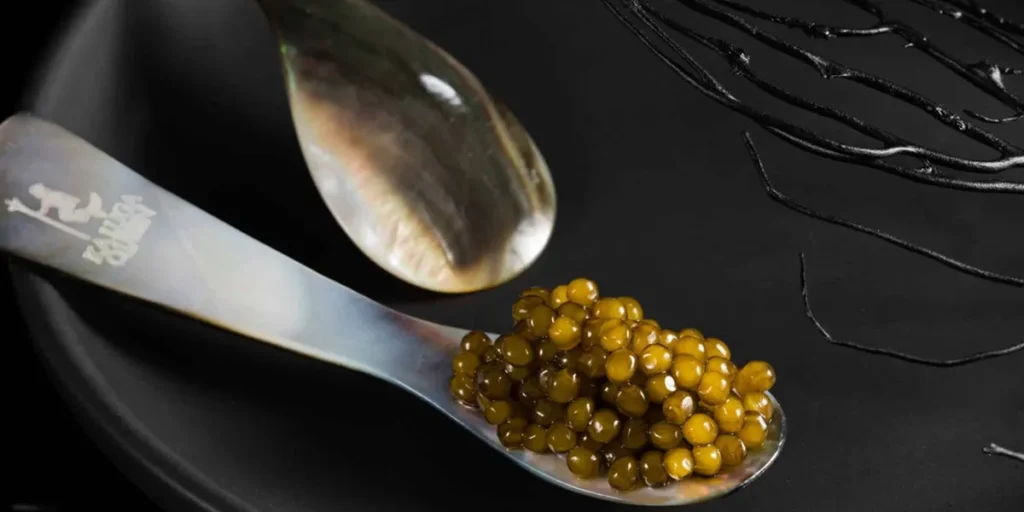
Core Taste Elements of True Caviar
When someone asks What Does Caviar Tastes Like, they’re really asking about the distinct sensory layers that set high‑end roe apart from ordinary seafood. True caviar begins with a clean, briny note that recalls ocean water without an aggressive salt punch. This initial taste transitions smoothly into richer, creamier sensations and, finally, subtle umami or nutty undertones.
These core taste elements include:
- Brininess: A mild salty note that should feel refreshing, not overpowering.
- Creaminess: A smooth, rich texture that creates mouth coating without heaviness.
- Umami: A savory depth that lingers after the initial saltiness dissipates.
- Nutty undertones: A delicate sweetness or toasted aroma unique to certain varieties.
Typical Flavor Profiles
| Element | Description |
| Saline | Light, oceanic, refreshing |
| Fatty | Silky, buttery mouthfeel |
| Umami | Deep savory richness |
| Subtle Sweetness | Nutty/mellow finish |
Producers like Caviar by Pishva Holding emphasize curing technique because minimal processing preserves these natural notes. Over‑salting or excessive handling can mute delicate flavors, making caviar taste flat or overly fishy.
Understanding these elements helps you evaluate quality and differentiate between types—making the answer to What Does Caviar Tastes Like grounded in real tasting experience rather than vague luxury claims.
Texture Matters: The Sensory Experience
A crucial part of answering What Does Caviar Tastes Like involves texture. Taste and mouthfeel are inseparable when experiencing caviar. Texture influences how flavor is released, how long it lingers, and how enjoyable the experience feels overall. One of the most celebrated aspects of fine caviar is the delicate “pop” when an egg breaks, releasing its juices in a subtle burst.
Key Textural Elements
- Pop: Quality Caviar Eggs break easily between tongue and palate, signaling freshness and proper curing.
- Firmness: Eggs should feel compact, not mushy or chalky.
- Creaminess: After the pop, the residual oils create a soft, smooth sensation.
- Melt: Top‑grade caviar seems to melt gently at body temperature, enhancing flavor release.
caviar serving temperature plays a crucial role. Serving too warm can soften eggs excessively, dulling the pop and making the texture seem flabby. Too cold, and your taste buds may not fully perceive the rich, buttery qualities.
Texture and Taste Synergy
- Texture influences perception in several ways:
- Pop signals freshness
- Creaminess enhances richness
- Temperature affects release of flavor compounds
Together, these elements complete the sensory picture. You can think of texture not just as a physical trait, but as an integral part of how What Does Caviar Tastes Like is experienced.
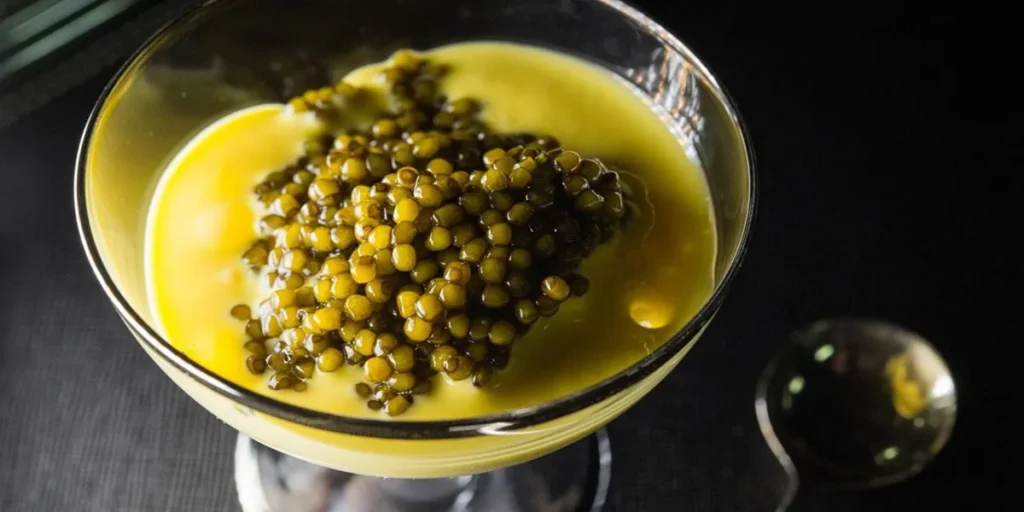
How Different Types of Caviar Taste
When exploring What Does Caviar Tastes Like, it’s essential to recognize that not all caviar tastes the same. Each variety offers its own balance of salt, richness, and nuance. Understanding these differences helps you set expectations and appreciate subtleties.
Popular Caviar Flavor Comparisons
| Type of Caviar | Typical Flavor Profile | Texture |
| Beluga | Mild, buttery, elegant | Smooth, large eggs |
| Osetra | Rich, nutty, balanced | Medium firmness |
| Sevruga | Bold, saltier, intense | Slightly firmer |
| Salmon Roe | Sweet, bright brine | Large, juicy eggs |
For example, classic Beluga caviar is renowned for its gentle flavors and creamy mouthfeel, often described as the most refined. Osetra tends to show more complexity, with nutty or fruity undertones. Sevruga offers a stronger saline sensation, giving it more punch on the palate. Meanwhile, salmon roe—while not traditional sturgeon caviar—provides vibrant brininess and a distinct burst.
Recipes also influence perception. In dishes like Lemon Spaghetti with Caviar Recipe, the citrus brightness can accentuate the buttery, salty layers of roe.
By comparing types this way, you gain a clear understanding of What Does Caviar Tastes Like across varieties, rather than as a single monolithic experience.
Common Misconceptions About Caviar Flavor
Many people ask What Does Caviar Tastes Like with preconceived notions—often that it must be overly fishy, extremely salty, or overwhelmingly rich. These are common misconceptions that can mislead first‑time tasters.
Myth vs. Reality
Myth: Caviar always tastes intensely fishy.
Reality: High‑quality caviar should smell fresh, not fishy. A strong fish aroma usually indicates poor handling or low quality.
Myth: Saltiness dominates the flavor.
Reality: While salt is necessary for preservation and flavor, quality caviar balances saline notes with creamy richness and subtle umami.
Myth: All caviar tastes the same.
Reality: Varieties from different sturgeon species and regions reveal distinct flavor signatures.
Another misconception is that premium caviar should be eaten with heavy accompaniments. In fact, simplicity often reveals true flavor best—light blinis, unsalted crackers, or nothing at all.
Understanding these points helps clarify What Does Caviar Tastes Like in a realistic way. Recognizing the difference between authentic flavor and misperceptions ensures you approach tasting with an open, informed palate rather than relying on assumptions.
How to Taste Caviar Like a Professional
To truly understand What Does Caviar Tastes Like, tasting technique matters as much as the caviar itself. Professionals approach caviar with intention: observing aroma, texture, and flavor in sequence.
Step‑by‑Step Tasting Guide
Visual Check: Look for glossy, uniformly sized eggs.
- Aroma First: Sniff gently—there should be a clean, sea‑fresh smell, not fishiness.
- Small First Bite: Place a small amount on the back of your hand or directly on the tongue.
- Let the Eggs Pop: Allow each egg to break naturally, releasing liquid flavor.
- Notice the Finish: Pay attention to how long the flavor lingers and whether it changes over time.
Tips for Optimal Tasting
- Use non‑metallic utensils to avoid altering flavor.
- Serve at recommended caviar serving temperature—very cold but not frozen.
- Avoid heavy flavors like lemon or hot sauces that can mask subtle notes.
- Sip water or mild champagne to cleanse the palate between varieties.
This systematic approach ensures your experience reflects true flavor, helping you accurately answer What Does Caviar Tastes Like with personal insight rather than vague impressions.
Pairing and Enhancing the Experience
Understanding What Does Caviar Tastes Like also involves how you pair and serve it. Proper pairings can elevate the subtleties of flavor without overshadowing them.
Classic Pairing Principles
- Champagne or Dry White Wine: The acidity balances richness and refreshes the palate.
- Neutral Bread or Blinis: Provides structure without adding strong flavor.
- Crème Fraîche: Adds a mild, creamy contrast that highlights umami.
Serving Tips
- Serve chilled, ideally on ice, to preserve texture and flavor.
- Add garnishes sparingly—too much can mask the delicate profile of the roe.
- Simple accompaniments like plain toast points or light cucumber slices work best.
- For those creating meals rather than appetizers, consider subtle complements: gentle herbs, light citrus zest, or soft‑cooked eggs enhance without dominating. Avoid heavy sauces or sharp spices.
By thoughtfully pairing, you support rather than compete with the core characteristics that define What Does Caviar Tastes Like—clean brininess, subtle richness, and nuanced finish. With considered presentation and pairing, each tasting becomes more memorable and true to the essence of fine caviar.
Savoring the Depth of Flavor: Final Thoughts on What Caviar Tastes Like
Experience the Elegance of True Caviar Flavor. Knowing what caviar tastes like is the first step toward appreciating why it is celebrated worldwide. Every variety, from Beluga to Sevruga, carries its unique signature: some are creamy and buttery, others nutty and complex, yet all share the essential briny freshness that defines quality caviar. Beyond taste, texture plays a crucial role—the satisfying pop of each egg releases flavor gradually, allowing you to savor subtle layers of richness and umami. The interplay of these elements makes caviar not just a food, but a sensory experience.
High-quality caviar should never taste overwhelmingly fishy or excessively salty. Instead, it offers a delicate balance, revealing the natural character of sturgeon roe and the pristine waters it comes from. Pairing it with simple accompaniments like blinis, crème fraîche, or a crisp glass of champagne can enhance, rather than mask, these nuanced flavors. By paying attention to these details, you can truly understand what makes caviar exceptional. Exploring the taste of caviar is an invitation to slow down, engage your senses, and appreciate one of the world’s most luxurious culinary treasures.
FAQ
1. What does caviar taste like?
Caviar tastes subtly salty and briny, with buttery richness and delicate umami. High-quality roe often has nutty or slightly sweet undertones.
2. Does all caviar taste the same?
No. Beluga, Osetra, Sevruga, and salmon roe each have distinct flavors and textures. Size, fat content, and curing affect taste.
3. How should caviar be served?
Caviar should be served chilled, ideally on ice, and eaten with a non-metal spoon. Serving at the correct caviar serving temperature preserves texture and flavor.
4. Can I cook with caviar?
Yes, but gently. Caviar can be added to dishes like scrambled eggs, pasta, or Lemon Spaghetti with Caviar Recipe, preferably at the end to maintain flavor.
5. Are caviar eggs safe to eat raw?
Yes, when sourced from reputable producers. Fresh caviar, such as Caviar by Pishva Holding, is pasteurized or carefully handled to ensure safety and quality.