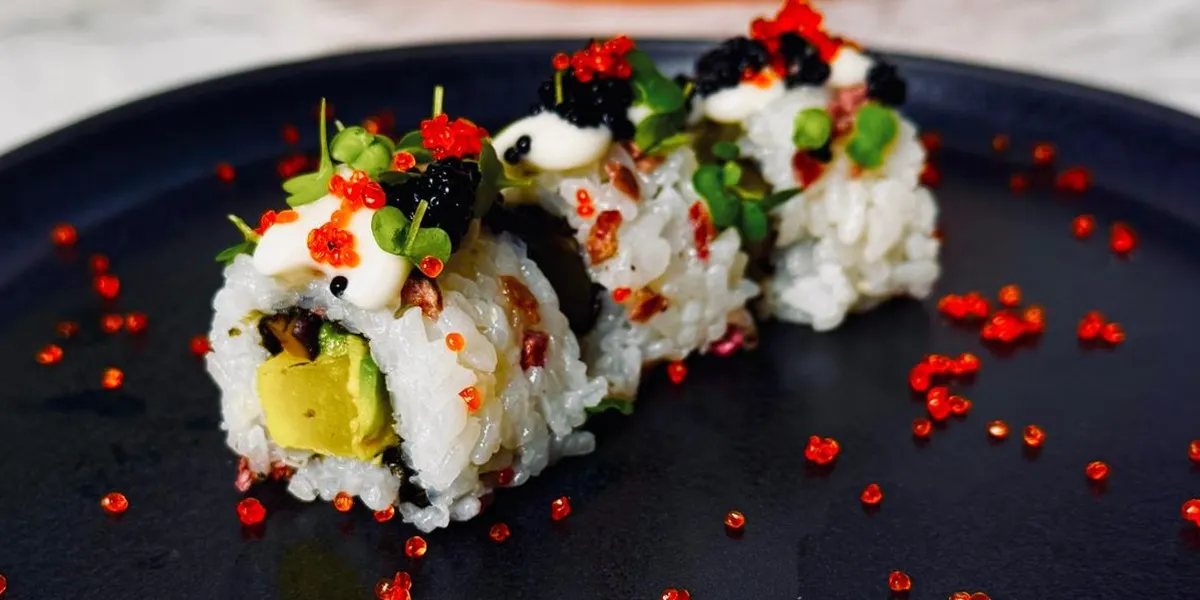
Indulge in the Delicate Luxury of Caviar Sushi Rolls – A Flavor Journey Worth Experiencing. Caviar Sushi Rolls represent the fusion of refined taste and traditional Japanese craftsmanship, combining the subtle creaminess of premium caviar with the balanced simplicity of sushi rice and seaweed. Whether adorned with salmon roe’s bright burst or topped with delicate sturgeon pearls, these rolls elevate every bite with texture, umami, and visual appeal. Unlike ordinary sushi, the addition of caviar introduces a layer of complexity that both seafood lovers and adventurous eaters find irresistible.
Its luxurious reputation is backed by centuries of culinary refinement — marrying fresh, high‑quality ingredients with meticulous technique. When prepared with attention to balance — not overpowering the sushi’s core components — caviar enhances flavor without overshadowing it. If you’re curious about how to choose the right type of caviar, prepare it properly, and serve it in ways that highlight its unique qualities, keep reading to explore every essential aspect of Caviar Sushi Rolls.
What Are Caviar Sushi Rolls? A Complete Culinary Definition
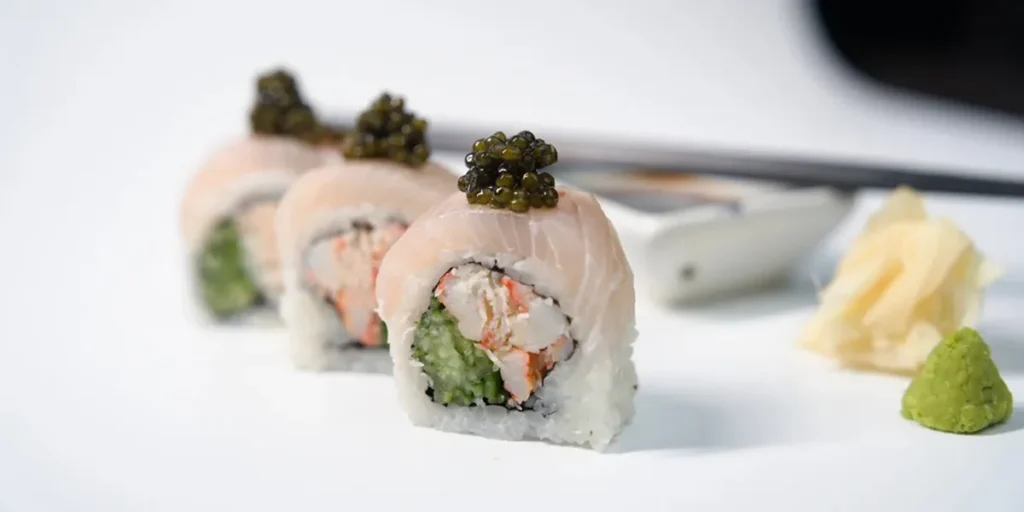
Caviar Sushi Rolls are a contemporary sushi variation where premium fish eggs enhance traditional sushi techniques and flavors. Unlike standard sushi rolls, which rely on fish, vegetables, and rice, Caviar Sushi Rolls incorporate Caviar by Pishva Holding or other high‑grade caviar as a defining ingredient — either inside the roll or lightly placed on top. This addition brings a unique combination of delicate saltiness, subtle brine, and a distinctive “pop” texture that contrasts beautifully with seasoned rice and clean‑tasting seafood. Caviar in sushi is not purely decorative; when chosen and used correctly, it elevates the entire sensory experience.
True caviar — the roe from sturgeon — offers buttery, rich nuances that differ significantly from standard fish roe. In higher‑end sushi bars, chefs balance caviar with the other components to ensure neither element overpowers the other. As diners increasingly explore fusion and luxury sushi, rolls that pair rice, seaweed, fresh fish, and caviar bridge Japanese tradition with refined gastronomy. Understanding this basic definition helps you appreciate why these rolls remain a sought‑after choice for both sushi novices and seasoned connoisseurs.
The History of Caviar in Japanese Cuisine
When we think of traditional Japanese sushi, fish roe like tobiko and ikura come to mind, but authentic sturgeon caviar was historically not part of classical Japanese preparation. In fact, Japanese sushi chefs traditionally focused on local ingredients, favoring regional fish and roe varieties over luxury imports. The growing popularity of caviar in sushi — especially in fusion and upscale sushi settings — largely took off outside Japan in the late 20th century, particularly in Western fine‑dining kitchens. In these venues, chefs began experimenting with luxury ingredients, introducing a novel twist to classic sushi by incorporating caviar as a topping or garnish.
This trend reflects a broader culinary exchange: Western diners appreciate the visual appeal and luxurious mouthfeel that premium caviar adds to sushi rolls. While Japanese cuisine has long included roe like tobiko (flying fish eggs) and salmon roe, the adoption of genuine sturgeon caviar represents a fusion of culinary traditions. Today, sushi rolls with caviar bridge cultural lines, offering a sophisticated palate experience that honors the precision of Japanese sushi craft while embracing global haute cuisine influences.
Types of Caviar Best Suited for Sushi Rolls
Understanding the right types of roe helps you make better Caviar Sushi Rolls. At the most luxurious end is true sturgeon caviar, prized for its buttery texture and refined, briny flavor — a perfect match for delicate sushi. These premium varieties offer varied characteristics: some are nutty with medium pearls, while others are richly briny with larger eggs that burst gently on the palate. Beyond traditional sturgeon roe, other fish eggs commonly used in sushi include tobiko (from flying fish) and salmon roe. Though not technically “caviar” by strict definition, their unique texture and taste complement sushi beautifully.
The key Difference caviar and roe lies in source and culinary esteem: caviar traditionally refers only to sturgeon eggs, known for their luxury status and depth of flavor, whereas roe is a broader category for fish eggs in general. Many sushi chefs choose salmon roe (ikura) for its vivid color and mild umami, or tobiko for its small, crisp eggs that add texture without overwhelming delicate sushi flavors. Choosing the right type depends on your desired balance between luxury, flavor impact, and price.
How to Choose Quality Caviar for Sushi
Selecting quality caviar is essential when crafting memorable Caviar Sushi Rolls. Good caviar should present firm, distinct eggs that hold their shape; they shouldn’t be mushy or broken. Look for a glossy sheen and eggs that range in color depending on variety — from deep black in sturgeon caviar to bright orange in salmon roe — without dullness or sediment. Aroma matters: high‑quality caviar should smell fresh and mildly briny, not fishy or overly salty. Texture is equally important; the eggs should give a gentle “pop” on the palate, releasing a burst of flavor that enhances the sushi without overwhelming it. When considering quality, think about both source and handling. Wild caviar from reputable producers often carries distinctive flavor complexity, while responsibly farmed sturgeon caviar provides consistency and sustainability. Pairing your choice with sushi ingredients is also key; for example, delicate fish and simple rice balance well with premium caviar, whereas stronger sauces or heavy toppings can mask its subtle nuances. Combining visual appeal with refined taste ensures that every roll showcases the caviar’s best attributes.
Step‑by‑Step Guide to Making Caviar Sushi Rolls at Home
Making Caviar Sushi Rolls at home takes patience and respect for ingredient balance. Start with properly cooked sushi rice; combine short‑grain rice with seasoned rice vinegar for the classic sticky yet tender texture needed to support fillings and toppings. While traditionalist sushi chefs may discourage heavy garnishes, appropriately portioned premium caviar — such as a teaspoon per roll — can introduce a luxurious touch. The key is restraint: adding too much roe can overwhelm both flavor and texture. A practical rule of thumb is to add the caviar serving size per person at the end, just before serving, ensuring the delicate eggs stay cool and vibrant. Lay out nori, spread an even rice layer, and add fresh fish or vegetables of choice. After rolling and slicing, gently place caviar atop each piece with a mother‑of‑pearl or non‑metallic spoon to avoid altering flavor. Serve with traditional accompaniments — soy sauce, wasabi, and pickled ginger — but avoid heavy sauces that could mask the subtle briny notes of the caviar. Done right, these homemade rolls offer an elegant balance of simplicity and sophistication.
Pairing Caviar Sushi Rolls with Sauce and Sides
Enhancing Caviar Sushi Rolls with appropriate sauces and sides can elevate the entire dining experience. Because caviar adds a delicate but distinct salinity, choose accompaniments that complement rather than overpower it. Light soy sauce or shoyu is a classic choice; use a small amount to accent the roll without diluting the caviar’s natural brininess. Pickled ginger is an ideal palate cleanser, helping reset your taste between bites so each piece of sushi can shine. Sake or crisp white wine often pairs well, their acidity balancing richness and bringing out subtle umami notes.
When selecting sides, think simple and fresh. Crisp cucumber, lightly seasoned edamame, or a clean seaweed salad provide refreshing contrast. For fusion variations, mild creamy elements like avocado or even Avocado with sturgeon caviar enhance textural complexity without clashing with traditional flavors. In general, avoid heavy sauces — spicy mayo or sweet glazes — that tend to mask the unique qualities of premium roe. Thoughtful pairings highlight the elegance of Caviar Sushi Rolls while supporting a refined balance of taste and texture.
Nutritional Benefits and Considerations
When enjoyed as part of a balanced diet, Caviar Sushi Rolls offer more than just luxurious flavor — they also bring notable nutritional value. Caviar itself is rich in omega‑3 fatty acids, which are widely recognized for supporting heart health. These essential fats can help reduce inflammation, balance cholesterol levels, and support healthy blood flow, making them beneficial beyond purely culinary appeal. In addition, caviar contains an impressive amount of vitamin B12, a micronutrient crucial for energy metabolism and red blood cell production. In fact, even small servings of caviar often provide well over 100 % of the daily recommended B12 intake. Caviar also supplies selenium, an antioxidant that helps protect cells from oxidative stress and supports immune function.
That said, there are also considerations to keep in mind. Caviar and fish roe tend to be relatively high in sodium due to traditional salting processes, which can be a drawback for people monitoring blood pressure or sodium intake. Caviar is also calorie and fat‑dense compared to other sushi components, so moderation is key. Pairing Caviar Sushi Rolls with nutrient‑rich vegetables, lean proteins, and mindful portion sizes lets you enjoy both their taste and wellness benefits without overindulging.
Sustainability and Ethical Sourcing of Caviar
When it comes to enjoying Caviar Sushi Rolls, understanding the sustainability and sourcing of caviar is increasingly important for conscientious diners and chefs alike. Historically, wild caviar came from sturgeon in regions like the Caspian Sea, but overfishing, habitat loss, and illegal poaching have severely impacted these populations. As a result, regulatory frameworks such as CITES (the Convention on International Trade in Endangered Species) now strictly monitor global caviar trade to protect endangered sturgeon species and ensure legal, traceable sourcing. However, transparency gaps remain, and fraud in labeling continues to challenge efforts to guarantee sustainability.
To address these concerns, many producers now focus on ethical aquaculture and farm‑raised caviar, which can provide a more stable and environmentally responsible supply. Farming sturgeon and other species in controlled environments helps reduce pressure on wild populations, limits bycatch, and allows for better traceability from source to table. Some sustainable alternatives include responsibly harvested trout or salmon roe, although these are technically roe rather than true caviar.
For chefs and home cooks incorporating premium ingredients into Caviar Sushi Rolls, choosing caviar with credible certifications and transparent sourcing not only supports environmental stewardship but also ensures the highest quality experience for diners who care about the planet as much as their palate.
Top 10 Caviar Sushi Roll Variations Around the World (200 Words)
Around the globe, chefs have embraced the concept of Caviar Sushi Rolls, elevating them with regional flavors and innovative ingredients. These variations showcase how versatile caviar can be when combined with classic sushi textures and complementary tastes:
- Classic Sturgeon Caviar Roll – Sturgeon caviar atop simple tuna and rice.
- Salmon & Ikura Fusion Roll – Salmon and salmon roe for color and umami.
- Tobiko Rainbow Roll – Flying fish roe adds crunch and vibrant hues.
- Spicy Tuna with Caviar Finish – Heat balanced by delicate roe.
- Creamy Avocado & Caviar Roll – Creamy texture meets salty pearls.
- Citrus Yuzu Caviar Roll – Yuzu zest enhances brightness.
- Tempura Shrimp & Roe Roll – Crunchy tempura paired with popping eggs.
- Vegetarian Caviar Alternative Roll – Caviar pearls over cucumber and herbs.
- Black Garlic & Caviar Roll – Sweet umami meets saline luxury.
- Sake‑Infused Rice with Premium Caviar – Sake aromatics highlight roe depth.
Each of these combinations balances the unique sensory elements of caviar with supporting ingredients that enhance texture, appearance, and taste. Some use traditional fish roe as visual contrast, while others incorporate international flavors, such as citrus or fermented elements, to bring out caviar’s natural saline and umami notes. Across all these variations, the key to success is balancing the delicate intensity of the roe with harmony in flavor and presentation — a universal principle that makes Caviar Sushi Rolls beloved in fine dining and creative sushi bars.
Mistakes to Avoid When Making Caviar Sushi Rolls
Making high‑quality Caviar Sushi Rolls at home or in a professional setting requires attention to detail. A common mistake is overpowering the caviar with strong sauces or heavy ingredients. Premium caviar brings delicate flavor and texture, and too much wasabi, sweet mayo, or dense fillings can mask the nuanced brininess and subtle aroma of the roe. Instead, pair caviar with light, clean flavors that elevate rather than overwhelm.
Another frequent error is adding the caviar too early in the preparation process. Because fish eggs are sensitive to heat and handling, they should be placed on the roll just before serving to preserve their shape and texture. Cooking or excessive pressure can cause the eggs to burst prematurely, leading to a loss of pop and flavor. Also avoid using metal utensils when plating caviar, as they can impart a metallic taste; non‑metal tools such as mother‑of‑pearl spoons help maintain purity of flavor.
Portion control is another critical factor. Too much caviar can dominate the palate and make the roll overly salty, while too little fails to showcase its luxurious qualities. Finally, pay attention to rice temperature — warm sushi rice stressed by cold caviar can affect texture contrast that’s central to an enjoyable bite. Making these adjustments ensures that your Caviar Sushi Rolls are flavorful, balanced, and gratifying.
Crafting Perfection: The Lasting Appeal of Caviar Sushi Rolls
Experience a New Standard of Taste with Caviar Sushi Rolls. At their best, Caviar Sushi Rolls are more than just a luxury menu item — they are a thoughtful combination of texture, flavor, and visual elegance. Throughout this article, we explored what makes these rolls distinct, from selecting the right type of roe to preparing the perfect balance of rice, nori, and fillings. The nuanced pop of caviar against the soft, seasoned rice creates a sensory contrast that delights both the palate and the eye.
Caviar adds not only a touch of sophistication but also dimension to the taste experience, making every roll memorable. Yet, it’s not simply about luxury; it’s about understanding how premium ingredients interact. Whether you are a home chef seeking to master this delicacy or a diner wanting to appreciate sushi at a deeper level, recognizing the role of quality, technique, and harmony elevates your appreciation. As you experiment with flavors and textures, you’ll find that Caviar Sushi Rolls reward patience, precision, and respect for tradition. Explore, savor, and enjoy every bite of this exquisite sushi innovation.
FAQ
1: What makes caviar different from other fish roe?
The phrase Difference caviar and roe refers to the fact that all caviar is fish roe, but not all roe qualifies as true caviar. True caviar comes specifically from sturgeon species and is valued for its refined flavor and texture, whereas roe can come from many types of fish like salmon or capelin (masago).
2: Are Caviar Sushi Rolls healthy?
In moderation, they can be part of a balanced diet thanks to omega‑3 fatty acids, proteins, and vitamins like B12, though their sodium content suggests mindful serving sizes.
3: How should I store caviar before making sushi rolls?
Keep unopened caviar chilled at the recommended refrigerator temperature and consume it shortly after opening to preserve freshness.
4: Can I substitute other roe for caviar in sushi?
Yes — tobiko, salmon roe (ikura), and trout roe offer varied textures and visual appeal while being more affordable alternatives.
5: What sauces pair best with caviar in sushi rolls?
Light soy sauce, yuzu, and minimal citrus elements pair well without overshadowing the delicate roe flavor.