Precision defines quality when it comes to caviar, and that precision begins long before the product reaches the table. Caviar Processing Methods are the foundation that determine flavor, texture, safety, and long-term value. From the moment mature roe is harvested, every decision—cleaning, salting, handling temperature, and storage—directly affects the final result. This is not an industrial shortcut process; it is a controlled, science-based craft shaped by biology, food technology, and decades of expertise.
Modern producers rely on refined processing techniques to protect the integrity of each egg while meeting strict international safety standards. Understanding how caviar is processed helps buyers, chefs, and industry professionals recognize true quality and avoid inferior or misleading products. In this article, you will explore how professional Caviar Processing Methods balance tradition with innovation, why small technical details matter, and how proper processing safeguards both taste and sustainability. Continue reading to gain a clear, practical understanding of what separates exceptional caviar from everything else on the market.
Understanding Caviar: What Makes It a Premium Delicacy?
Caviar is considered a premium delicacy not because of branding, but because of the biological, technical, and processing factors behind it. True caviar comes exclusively from sturgeon species, and its value depends heavily on how the roe is handled after harvest. In professional operations—such as those aligned with Pishva Holding standards—quality control begins long before processing, but it is during processing that excellence is either preserved or lost.
What differentiates premium caviar is the integrity of each egg. High-quality Caviar Processing Methods protect egg firmness, natural oils, and subtle flavor compounds. Minimal mechanical stress, precise temperature control, and correct salting ratios are essential. Overprocessing leads to mushy texture and dull taste, while underprocessing risks spoilage.
Key quality indicators include:
- Uniform egg size and color
- Clean, glossy appearance
- Elastic texture without rupture
- Balanced salinity that enhances, not masks, flavor
| Quality Factor | Impact on Caviar |
| Egg firmness | Texture and mouthfeel |
| Salt level | Flavor clarity |
| Processing time | Shelf stability |
| Temperature control | Freshness retention |
Ultimately, premium caviar reflects disciplined processing rather than rarity alone. Understanding this foundation helps consumers and professionals distinguish genuine quality from marketing claims.
Caviar Farming: Sustainable Aquaculture vs. Wild Harvesting
Modern caviar production has shifted decisively toward aquaculture, largely due to environmental responsibility and quality consistency. While wild harvesting once dominated the market, strict regulations and declining sturgeon populations have made farmed caviar the global standard. This transition has also improved Caviar Processing Methods by allowing better control over every production variable.
Farmed sturgeon are raised in monitored environments where water quality, nutrition, and growth cycles are optimized. This consistency directly benefits processing outcomes, producing roe that behaves predictably during cleaning and salting. For buyers, this reliability is critical—especially when following Tips on Buying Caviar, where traceability and freshness matter more than origin myths.
Advantages of aquaculture-based production include:
- Stable egg size and maturation timing
- Lower contamination risk
- Ethical sourcing aligned with CITES regulations
- Improved food safety during processing
Wild harvesting, while historically romanticized, introduces variability that complicates processing and storage. In contrast, farmed systems allow processors to apply refined techniques consistently, resulting in higher-quality products with fewer defects.
Sustainable aquaculture is not a compromise—it is the reason modern caviar can meet luxury expectations while remaining environmentally viable.
Aquaculture Systems for Sturgeon Cultivation
Advanced aquaculture systems are the backbone of reliable caviar production. The most widely adopted model today is the Recirculating Aquaculture System (RAS), which enables precise environmental control. These systems directly influence Caviar Processing Methods by producing roe with predictable texture, fat content, and membrane strength.
RAS facilities regulate:
- Water temperature
- Oxygen saturation
- pH and ammonia levels
- Flow dynamics to reduce fish stress
Low-stress environments are critical because stress hormones negatively affect egg quality, making roe fragile during processing. Farms that prioritize controlled systems also make it easier to apply standardized caviar harvesting methods, ensuring the roe enters processing in optimal condition.
| System Feature | Processing Benefit |
| Stable temperature | Uniform egg firmness |
| Clean water filtration | Reduced bacterial load |
| Controlled feeding | Improved fat composition |
By aligning cultivation systems with downstream processing requirements, producers minimize waste and enhance final product consistency. Well-managed aquaculture is not just about raising fish—it is about preparing roe for successful processing.
Biological Management and Breeding Science
Behind every tin of refined caviar is years of biological planning. Breeding science plays a critical role in determining how roe responds to processing. Selective breeding programs focus on egg resilience, size uniformity, and lipid balance—all of which affect Caviar Processing Methods.
Modern farms use non-invasive tools such as ultrasound imaging to monitor ovarian development. This allows producers to time harvesting precisely, avoiding underdeveloped or overripe roe. Genetic monitoring also helps maintain healthy bloodlines while preventing inbreeding.
Biological management priorities include:
- Controlled reproduction cycles
- Species-specific maturation tracking
- Nutritional profiling to enhance roe quality
These practices support premium positioning, particularly when Exploring the Most Exclusive Caviar Varieties, where subtle differences in texture and flavor define market value. Well-managed biology ensures that processing enhances natural qualities rather than compensating for weaknesses. In short, successful caviar processing begins with biological intelligence—not machinery.
Ethical Harvesting: When and How Caviar Is Collected
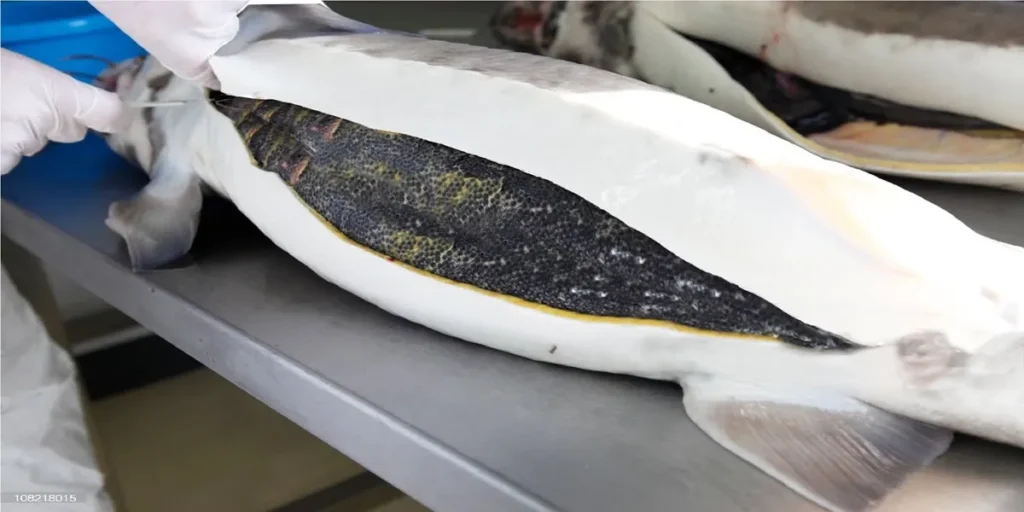
Ethical harvesting is now inseparable from quality processing. The timing and method of roe extraction determine how effectively Caviar Processing Methods can preserve structure and taste. Harvesting too early produces immature eggs; too late results in fragile membranes that break during handling.
Today’s ethical standards emphasize:
- Stress reduction during handling
- Accurate maturity assessment
- Compliance with international welfare guidelines
Many farms now integrate humane anesthesia and refined extraction techniques to protect both fish welfare and roe integrity. These practices also improve processing efficiency by reducing egg rupture and contamination.
Harvesting considerations that impact processing:
- Roe firmness at extraction
- Clean separation from connective tissue
- Immediate temperature stabilization
Ethical harvesting is not a marketing trend—it directly improves processing outcomes and product reliability. When harvesting is done correctly, processors can apply minimal intervention, allowing the natural qualities of the roe to define the final caviar experience.
The Science of Caviar Processing: From Roe to a Luxury Product
The transformation of raw sturgeon roe into a refined luxury food is driven by science, precision, and experience. In high-standard production models such as those followed by Pishva Holding, Caviar Processing Methods are treated as a controlled biochemical process rather than a simple food preparation task. Each step aims to preserve the natural structure of the eggs while ensuring safety and shelf stability.
Once roe is extracted, it becomes highly sensitive to temperature, oxygen exposure, and mechanical pressure. Enzymatic activity begins immediately, meaning delays or improper handling can permanently alter texture and flavor. Modern processing facilities maintain cold-chain continuity from harvest to packaging, often within minutes.
Key scientific principles behind effective processing include:
- Limiting enzymatic degradation through rapid cooling
- Maintaining osmotic balance during salting
- Preventing lipid oxidation that dulls flavor
Caviar Processing Methods succeed when they intervene as little as possible while controlling critical risks. The best processors understand that luxury is achieved not by complexity, but by restraint guided by science.
Screening and Cleaning
Screening and cleaning represent the most delicate physical interaction with roe during processing. This stage directly determines whether the eggs remain intact or suffer irreversible damage. Professional Caviar Processing Methods rely on manual expertise supported by hygienic protocols rather than automation alone.
The roe is carefully passed through calibrated sieves to separate eggs from connective tissue. This is followed by rinsing in chilled, purified water to remove residual blood and fats without stripping natural oils. Overwashing is a common mistake that reduces flavor intensity—an important detail often highlighted in Tips on Buying Caviar, where freshness and texture are key evaluation factors.
Effective screening focuses on:
- Preserving uniform egg size
- Removing broken or weak eggs
- Preventing cross-contamination
This stage sets the foundation for salting and storage. When done properly, cleaning enhances natural brilliance and ensures the roe responds predictably to preservation without artificial intervention.
Salting: The Heart of Caviar Preservation
Salting is the most influential step in all Caviar Processing Methods. It defines not only shelf life, but also mouthfeel, aroma release, and aftertaste. Contrary to popular belief, salt is not added to preserve caviar alone—it is used to stabilize cellular structure and regulate moisture.
The most respected approach is the malossol method, which uses minimal salt to support preservation while allowing the roe’s natural flavor to dominate. Precision is critical: even a 0.5% variation can alter texture. This stage is closely connected to caviar harvesting methods, as egg maturity and membrane strength determine how salt is absorbed.
Salting objectives include:
- Enhancing firmness without dehydration
- Preventing microbial growth
- Supporting long-term cold storage
True craftsmanship in salting lies in knowing when to stop. Over-salting cannot be reversed and permanently masks origin-specific characteristics.
Quality Grading, Packaging & Storage
Quality grading is where processing meets market reality. After salting, caviar is evaluated for characteristics that influence price, reputation, and consumer trust. When Exploring the Most Exclusive Caviar Varieties, grading standards become even stricter, as subtle visual and textural differences carry high value.
Grading criteria typically include:
- Egg size uniformity
- Color clarity and natural sheen
- Elasticity and separation
- Clean aroma without oxidation
Packaging follows grading and must support the results achieved through Caviar Processing Methods. Traditional tins remain popular due to their ability to limit light and oxygen exposure, while storage requires consistent temperatures just below freezing.
Proper grading and storage protect both product integrity and brand credibility. Without them, even perfectly processed caviar loses its value before reaching the consumer.
Traceability, Safety & Standards in Modern Caviar Production
Modern caviar production operates under strict international oversight. Traceability systems ensure that each batch can be tracked from farm to final destination. This transparency supports food safety, legal compliance, and consumer confidence.
Caviar Processing Methods must align with:
- CITES trade regulations
- HACCP food safety systems
- Species authentication protocols
Producers increasingly use digital batch tracking to document harvest date, processing steps, and storage conditions. This data-driven approach reduces fraud and supports long-term market sustainability.
Innovations & Future Trends in Caviar Farming and Processing
Innovation in caviar production focuses on precision, sustainability, and ethical responsibility. While tradition remains important, future-facing producers integrate technology to improve consistency without sacrificing quality.
Technological Integration
- Sensor-based water monitoring
- AI-supported quality control
- Automated cold-chain alerts
Sustainability and Ethical Farming
- Non-lethal roe extraction trials
- Reduced water consumption
- Circular waste management
Next-Generation Caviar Technologies
- Extended shelf-life preservation
- Cellular and alternative caviar research
- Advanced packaging materials
These innovations aim to refine—not replace—established Caviar Processing Methods, ensuring longevity for both the industry and the species it depends on.
Conclusion: Why Caviar Production Demands Precision and Care
Caviar earns its reputation not through rarity alone, but through discipline, accuracy, and respect for raw material. The most successful Caviar Processing Methods follow a clear principle: preserve what nature has already perfected. From gentle roe separation to precise salting techniques such as malossol, each stage is designed to maintain egg structure, natural oils, and balanced flavor. Even slight deviations in temperature, salt concentration, or handling time can compromise quality, which is why professional processing environments are tightly controlled.
Equally important is the role of modern science. Today’s producers combine traditional knowledge with food safety protocols, traceability systems, and advanced quality control. These measures ensure consistency, extend shelf life without over-processing, and protect consumers. Ethical considerations also play a growing role, with many farms adopting sustainable harvesting and non-lethal techniques where possible.
Ultimately, understanding Caviar Processing Methods allows buyers and professionals to make informed decisions. High-quality caviar is not the result of chance—it is the outcome of careful processing, skilled craftsmanship, and scientific precision. When these elements align, the result is a product that delivers purity of taste, reliable quality, and long-term value.
FAQ
What are Caviar Processing Methods?
They are controlled techniques used to clean, salt, preserve, grade, and store sturgeon roe while maintaining quality and safety.
Why is salting so important in caviar processing?
Salt stabilizes egg structure, enhances flavor, and prevents microbial growth without cooking the roe.
Does processing affect caviar taste?
Yes. Improper processing can dull flavor, soften texture, or introduce bitterness.
Is farmed caviar processed differently than wild caviar?
The methods are similar, but farmed caviar allows more precision due to consistent egg quality.
How can buyers recognize well-processed caviar?
Look for firm, glossy eggs, clean aroma, balanced salinity, and proper cold storage history.