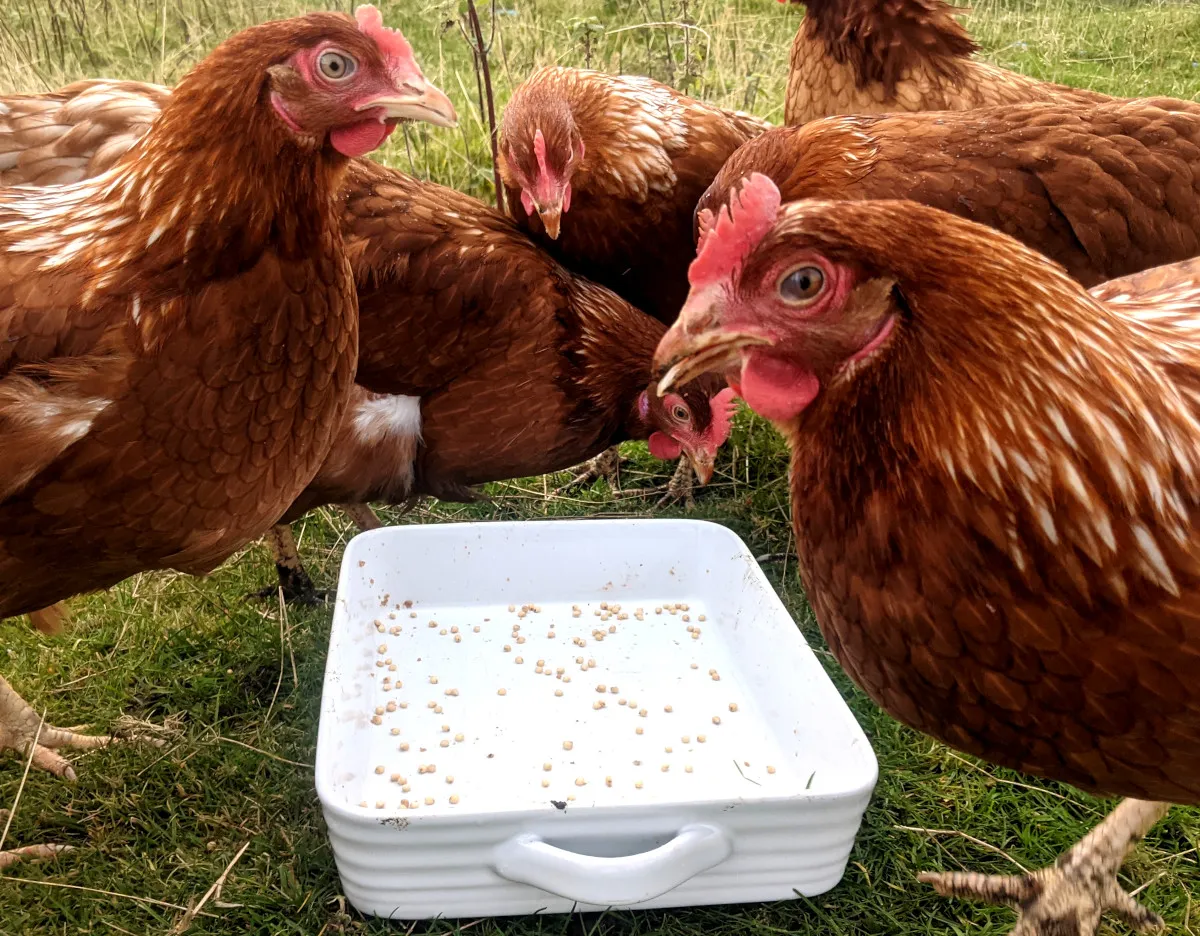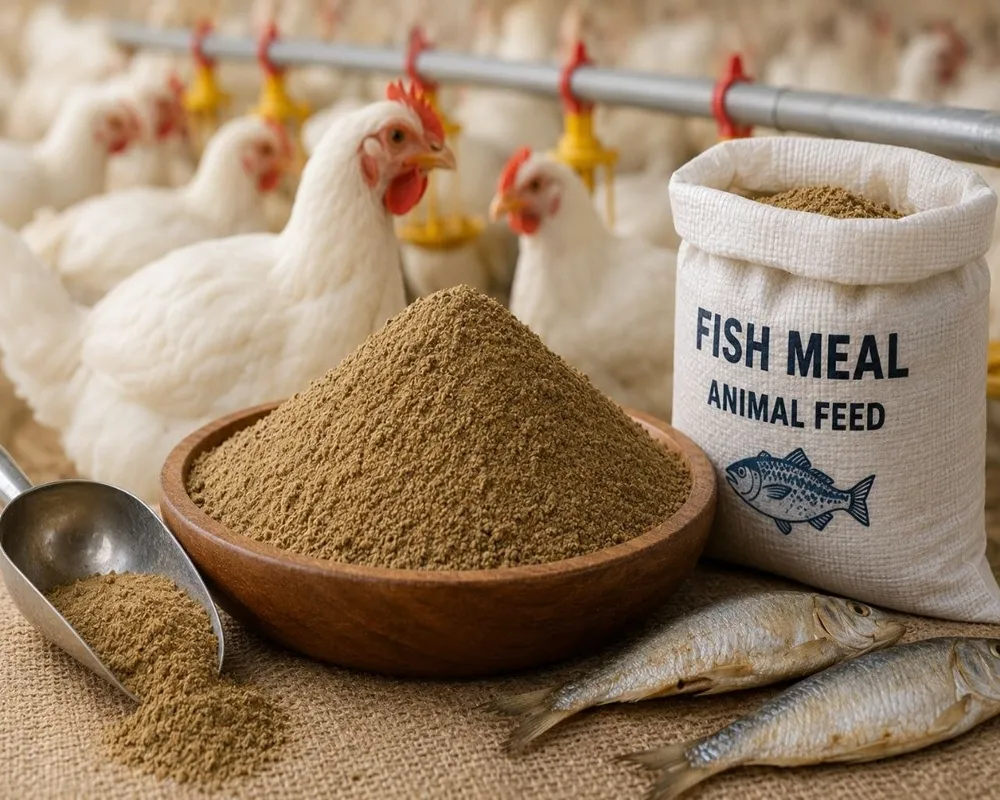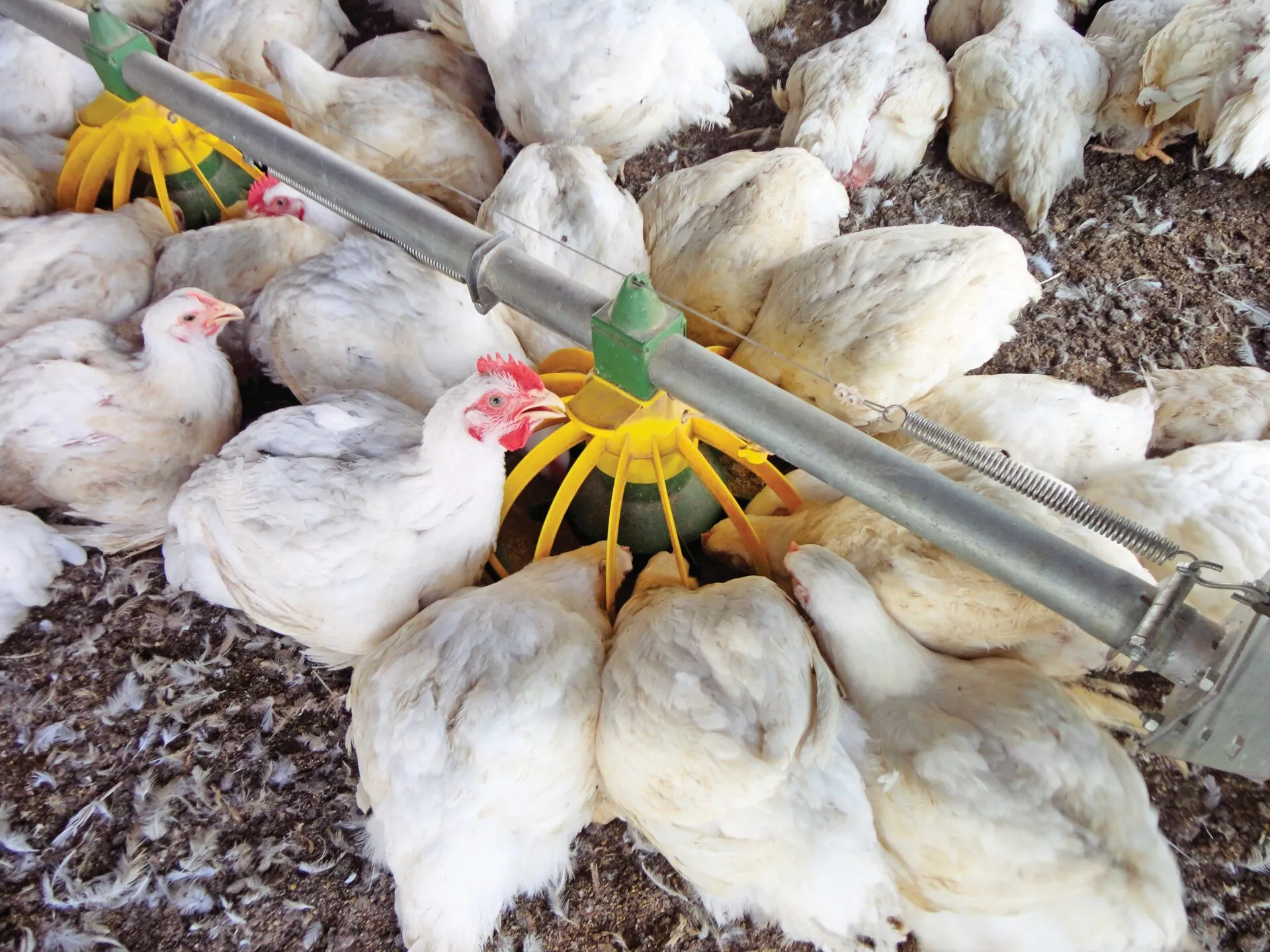
Fat powder can help poultry grow faster and use feed more efficiently when it provides digestible energy and is included in a properly balanced diet. However, its benefits depend on the fat source, product quality, bird age, and the nutritional composition of the complete feed. Understanding these factors is essential for poultry producers who want to improve growth performance without increasing production costs unnecessarily.
The Effects of Fat Powder on Growth are closely linked to how effectively birds digest and utilize dietary energy. As a concentrated energy source, fat powder can support weight gain and help maintain energy intake, particularly when birds have high nutritional demands. Its contribution to feed conversion ratio (FCR), feed intake, and carcass development also depends on the balance between energy, protein, and essential amino acids.
Choosing the right product requires more than comparing crude fat content or purchase prices. Producers should consider metabolizable energy, fatty acid composition, digestibility, and storage stability before adjusting feed formulations. Monitoring body weight gain, feed consumption, and overall feed efficiency can help determine whether supplementation delivers measurable benefits. Read on to explore the scientific factors behind fat powder supplementation and how to use it more effectively in poultry nutrition.
What Is Fat Powder in Poultry Feed and How Does It Work?
Fat powder is a concentrated energy ingredient used in poultry feed to increase dietary energy density and help meet birds’ nutritional requirements. Depending on the product, it may be manufactured from vegetable oils, animal fats, or blends of different lipid sources. Some products also contain carriers or emulsifying ingredients that help turn fat into a dry, manageable powder suitable for feed manufacturing. Because formulations vary, the nutritional value of one fat powder cannot automatically be applied to another.
In poultry nutrition, dietary fat provides more than energy. It supplies fatty acids needed for normal physiological functions and supports the absorption of fat-soluble vitamins A, D, E, and K. When included at an appropriate level, fat powder can help formulate energy-dense diets without relying entirely on cereal-based ingredients.
The main benefits depend on the product’s composition, digestibility, and compatibility with the rest of the ration. Producers evaluating suppliers such as Pishva Holding should consider technical specifications and product consistency rather than choosing a product solely by its advertised fat content.
Before incorporating fat powder into a feeding program, nutritionists should assess the following factors:
- Crude fat content: Indicates the proportion of fat in the product but does not establish its usable energy value on its own.
- Metabolizable energy: Helps determine how much dietary energy the ingredient contributes.
- Fatty acid profile: Influences digestibility and the nutritional characteristics of the fat source.
- Product stability: Appropriate processing, packaging, and storage help limit oxidation and preserve feed quality.
Fat powder should therefore be evaluated as part of the complete feed formulation, not as an isolated supplement. Its practical value depends on whether it helps meet energy requirements while maintaining a suitable balance of protein, amino acids, minerals, and vitamins.
How Fat Powder Affects Growth Rate and Body Weight Gain in Broiler Chickens
Growth performance in broiler chickens depends on the availability of digestible energy, adequate amino acids, good health, and appropriate environmental conditions. Fat powder can contribute to this process by increasing the energy concentration of the diet. However, faster growth is not guaranteed simply because more fat is added. The response depends on whether the birds need additional energy and whether the rest of the ration supports efficient muscle development.
Broilers use dietary energy to maintain body temperature, support organ function, and build tissue. When a diet supplies insufficient usable energy, growth may be limited even when protein and amino acid levels are adequate. Adding a suitable fat source can help correct this imbalance. Conversely, excessive energy without sufficient digestible amino acids may increase fat deposition rather than produce a proportional increase in lean muscle.
Bird age also matters. Young chicks have a less mature digestive system and may utilize some fat sources less efficiently than older birds. Consequently, the suitability of a fat powder should be assessed against the requirements of the specific growth stage.
Producers sourcing ingredients through Specialized Import Services should ensure that the product specifications match the intended feed formulation and that quality documentation is available.
The following indicators help determine whether supplementation supports growth:
- Average daily gain (ADG): Measures the average body weight gained per bird each day.
- Final body weight: Shows whether birds reach the target market weight within the planned production period.
- Flock uniformity: Indicates how consistently birds grow across the flock.
- Feed intake: Helps explain whether changes in growth are associated with altered consumption.
To evaluate the effects of fat powder on growth accurately, compare birds receiving a properly balanced supplemented diet with a suitable control group under comparable management conditions. Record body weight and feed intake throughout the trial. This approach helps distinguish a genuine nutritional benefit from changes caused by temperature, disease, stocking density, or other management factors.
The Effect of Fat Powder on Feed Conversion Ratio (FCR)
Feed conversion ratio (FCR) is one of the most important indicators of efficiency in broiler production. It measures how much feed is required to produce a unit of body weight gain. A lower FCR generally indicates better feed efficiency, provided that mortality, feed wastage, and the calculation method are considered consistently.
Fat powder may help improve FCR by increasing the amount of usable energy supplied by the diet. When birds obtain sufficient digestible energy, they may need to consume less feed to achieve a similar level of growth. However, the outcome depends on the fat source, its digestibility, and the balance between dietary energy and amino acids. Adding fat without adjusting the complete ration does not necessarily improve feed efficiency.
For commercial feed manufacturers and importers, reliable product sourcing is also important. Businesses arranging Customs Clearance for feed ingredients should ensure that product documentation and shipment details are consistent with the material being imported. This helps maintain traceability throughout the purchasing process.
To evaluate the effects of fat powder on feed conversion ratio, monitor these indicators:
- Feed intake: Measure the amount of feed consumed over a defined period.
- Body weight gain: Record the increase in bird weight during the same period.
- Mortality: Account for bird losses using a consistent flock-level calculation.
- Feed cost per kilogram of gain: Determine whether any improvement in FCR produces an economic benefit.
FCR is calculated by dividing total feed consumed by total body weight gain, using a consistent measurement basis. For example, if a flock consumes 1.6 kg of feed for every 1 kg of weight gain, its FCR is 1.60.
The most reliable assessment compares a supplemented diet with a nutritionally balanced control diet under similar conditions. This makes it easier to determine whether fat powder delivers a genuine improvement in feed efficiency rather than simply changing feed intake or energy consumption.
How Fat Powder Improves Energy Utilization and Nutrient Digestibility
Dietary fat provides concentrated energy, but birds must digest and absorb it before they can use that energy for growth and maintenance. The process involves several steps, including emulsification by bile salts, breakdown by pancreatic lipase, and absorption of the resulting fatty acids and other lipid products in the small intestine. The efficiency of these processes influences the nutritional value of supplemental fat.
A 2023 review published in the Journal of Animal Physiology and Animal Nutrition explains that lipid digestion is more complex than the digestion of carbohydrates and that young poultry have physiological limitations in their ability to utilize certain fats efficiently. The review also examines how dietary emulsifiers may improve fat utilization under appropriate conditions. Read the peer-reviewed review.
Fatty acid composition is another important factor. In general, unsaturated fats are often more digestible for poultry than highly saturated fats, although the actual response depends on the specific fat source, bird age, and dietary formulation. Therefore, two products with similar crude fat percentages may provide different amounts of usable energy.
When evaluating a product, nutritionists should consider:
- Fat digestibility: Determines how effectively birds can absorb dietary lipids.
- Fatty acid composition: Influences the physical properties and nutritional utilization of the fat.
- Bird age: Young chicks may have lower fat utilization capacity than older broilers.
- Emulsifier compatibility: Certain emulsifiers may improve lipid digestion, but their effectiveness depends on the product and feeding conditions.
- Overall nutrient balance: Energy utilization must be considered alongside protein and digestible amino acid supply.
For producers planning to Buy Feed Fat Powder for Livestock and Poultry, the practical priority is to compare products using documented nutritional specifications rather than crude fat content alone.
Improved digestibility can support more efficient energy utilization, but it does not guarantee faster growth in every situation. The greatest benefit is likely when the ingredient addresses a genuine nutritional need and the complete diet is formulated to support the birds’ growth requirements.
Choosing the Right Fat Powder: Composition, Quality, and Nutritional Value
Selecting the right fat powder requires more than comparing prices or choosing the product with the highest crude fat percentage. Its nutritional value depends on the raw material, fatty acid profile, processing method, digestibility, and stability during storage. These characteristics influence how consistently the ingredient contributes energy to poultry feed.
Before purchasing, request a technical data sheet and a batch-specific Certificate of Analysis (COA). These documents help you evaluate the product’s declared composition and verify whether the delivered batch meets the required specifications. The exact parameters available will vary by manufacturer and product type.
The following table summarizes the main factors worth checking.
| Quality parameter | Why it matters |
| Crude fat content | Indicates the total fat concentration but does not establish usable energy by itself. |
| Metabolizable energy | Helps nutritionists calculate the ingredient’s contribution to the complete diet. |
| Fatty acid profile | Shows the proportions of saturated and unsaturated fatty acids. |
| Moisture content | Helps assess product composition, storage requirements, and consistency. |
| Free fatty acids | Provides useful information about fat composition and processing quality. |
| Oxidative stability | Helps assess the product’s resistance to deterioration during storage. |
| Source and processing method | Help explain differences in composition and suitability for particular diets. |
Oxidation deserves particular attention because exposure to oxygen, heat, and light can deteriorate fats and oils. Appropriate packaging, storage conditions, and shelf-life controls help preserve ingredient quality.
Price should also be assessed in relation to nutritional value. A less expensive product may not offer better value if its usable energy is lower or its composition varies between batches. Instead, compare the delivered cost per unit of metabolizable energy, while accounting for transportation, import charges, and handling requirements.
Ultimately, the right fat powder is the one that meets the nutritional needs of the intended poultry category, complies with applicable feed safety requirements, and delivers consistent quality. Reviewing product documentation and evaluating performance after inclusion can help producers make more informed purchasing decisions and maintain efficient feeding programs.
Recommended Fat Powder Inclusion Levels for Different Poultry Growth Stages
The appropriate inclusion level of fat powder depends on the birds’ age, dietary energy requirements, fat source, and the nutritional value of the existing feed. There is no single percentage that works for every poultry flock. A formulation suitable for older broilers may not provide the same benefits to young chicks, whose digestive systems are still developing.
Fat supplementation is generally used to increase dietary energy density or help balance the energy supplied by other ingredients. The objective is to meet the birds’ requirements without creating an imbalance between energy and digestible amino acids. Research published in Animal Feed Science and Technology highlights the influence of bird age, fatty acid composition, saturation, and fat inclusion level on the metabolizable energy obtained from supplemental fats. Read the review on fat utilization in poultry.
The following table outlines the main considerations for different broiler growth stages.
| Growth stage | Main nutritional priority | Fat powder consideration |
| Starter | Early growth, organ development, and nutrient utilization | Prioritize digestibility and consistent product quality. |
| Grower | Rapid weight gain and efficient nutrient use | Adjust energy supply to support growth while maintaining amino acid balance. |
| Finisher | Target market weight and carcass quality | Evaluate energy density, feed efficiency, and the risk of excessive fat deposition. |
These stages are nutritional phases, not fixed inclusion recommendations. Actual requirements depend on the strain, feed formulation, and production targets.
Before setting an inclusion rate, a poultry nutritionist should review the product’s metabolizable energy value, the basal diet’s energy concentration, and the birds’ expected feed intake. The amount should then be incorporated into a balanced formulation rather than added without adjusting the other ingredients.
Practical recommendation: Begin with a clearly defined nutritional objective, such as correcting an energy shortfall or improving feed efficiency. Monitor feed intake, body weight gain, and FCR after the formulation change. This approach helps establish whether the chosen inclusion level delivers a measurable benefit without unnecessarily increasing feed costs.
Does Fat Powder Improve Performance in Broilers, Layers, and Breeder Birds Equally?
Fat powder does not produce identical results in all poultry categories because broilers, laying hens, and breeder birds have different nutritional requirements and production goals. Although dietary fat can provide concentrated energy across these groups, the benefits must be assessed according to the intended outcome.
Broilers are raised primarily for meat production, so their performance is commonly evaluated through body weight gain, feed conversion ratio, and carcass yield. A suitable fat powder may help meet their energy requirements, particularly when the basal diet does not supply enough usable energy. However, the response depends on fat digestibility, amino acid balance, and management conditions.
Laying hens require diets that support consistent egg production, egg mass, and egg quality. In this case, fat supplementation should be evaluated by measuring egg production rate, average egg weight, feed intake, and feed cost per unit of egg mass. Fatty acid composition also matters because dietary lipids can influence the fatty acid profile of egg yolks. A meta-analysis of 34 studies published in 2021 examined how dietary omega-3 sources affect fatty acid deposition in eggs and found that responses vary according to the fatty acid source and dietary composition. Read the meta-analysis on dietary fatty acids in laying hens.
Breeder birds have additional requirements because body condition, reproductive performance, fertility, and hatchability are important production outcomes. Excessive energy intake can be particularly problematic when it contributes to unwanted weight gain.
| Poultry category | Main performance indicators |
| Broilers | Weight gain, FCR, carcass yield |
| Layers | Egg production, egg mass, shell quality |
| Breeders | Body condition, fertility, hatchability |
The most appropriate fat powder is therefore the one that meets the nutritional needs of the specific bird category. Results from broiler trials should not automatically be applied to laying hens or breeders without supporting evidence.
The Relationship Between Fat Powder, Feed Intake, and Dietary Energy Density
Dietary energy density influences how much energy birds obtain from each kilogram of feed. Fat powder can increase this concentration because fats provide more than twice the energy per unit of weight supplied by carbohydrates or protein. However, changes in energy density do not always lead to predictable changes in feed intake or growth.
When a diet becomes more energy-dense, poultry may consume less feed while maintaining a similar daily energy intake. This response is not guaranteed, because feed consumption also depends on bird age, temperature, feed palatability, health, and the physical quality of the ration. Some birds may continue consuming feed beyond the level needed to maintain the same energy intake, potentially increasing energy retention and fat deposition.
Research published in Poultry Science has shown that broilers do not always regulate energy intake consistently when different fat sources are added to their diets. The response can vary with the type and level of fat, which makes it important to evaluate the complete feeding program rather than assuming that higher energy density will automatically reduce consumption. Review the research on fat sources and energy utilization in broilers.
To assess this relationship on a commercial farm, monitor the following measurements:
- Daily feed intake: Determine whether birds consume more or less feed after the formulation changes.
- Daily energy intake: Consider both feed consumption and the metabolizable energy concentration of the diet.
- Average daily gain: Check whether the energy adjustment supports the intended growth rate.
- Feed conversion ratio: Assess feed efficiency alongside weight gain.
- Water consumption and litter condition: Monitor these indicators as part of the broader evaluation of flock health and management.
The key is to balance energy supply with protein and digestible amino acids. Increasing dietary energy without maintaining adequate amino acid intake may encourage fat deposition instead of proportional muscle growth. By tracking intake and performance together, producers can determine whether fat powder is improving energy utilization under their particular production conditions.
Can Fat Powder Increase Carcass Yield or Cause Excessive Fat Deposition?
Fat powder can support broiler growth by increasing the energy available for maintenance and tissue development, but greater energy intake does not necessarily translate into a higher proportion of saleable meat. The outcome depends on dietary energy density, amino acid availability, fat source, genetics, and the birds’ stage of development.
When energy and digestible amino acids are supplied in appropriate proportions, broilers can use dietary nutrients to support muscle development. However, if energy intake exceeds the birds’ requirements relative to the available amino acids, a greater proportion of the excess energy may be stored as body fat. This can increase abdominal fat deposition without producing a corresponding improvement in breast muscle yield.
A 2025 study published in Poultry Science investigated the interactions between dietary grain types and supplemental fat sources in broilers. The research highlights the importance of evaluating fat supplementation within the context of the complete diet rather than assuming that one fat source will produce the same response under every feeding condition. Read the study on dietary grain and fat sources in broilers.
To determine whether fat powder improves carcass performance, producers should evaluate several indicators together:
- Dressing percentage: The proportion of carcass weight relative to live body weight, calculated using a consistent definition.
- Breast muscle yield: Helps assess whether additional growth translates into commercially valuable meat.
- Abdominal fat percentage: Indicates whether excess energy may be contributing to unwanted fat accumulation.
- Final body weight: Shows whether birds reach their target market weight.
- Feed cost per kilogram of carcass: Helps determine whether changes in carcass performance justify the cost of supplementation.
Carcass measurements are particularly useful when comparing diets with similar energy and protein specifications. If a supplemented group gains more weight but also accumulates substantially more abdominal fat, the commercial benefit may be smaller than live weight figures suggest.
The practical objective is not simply to maximize energy intake. It is to provide enough digestible energy to support efficient growth while maintaining the nutrient balance required for desirable carcass composition. Regular performance assessments and carefully formulated diets can help producers identify the most suitable fat powder inclusion strategy.
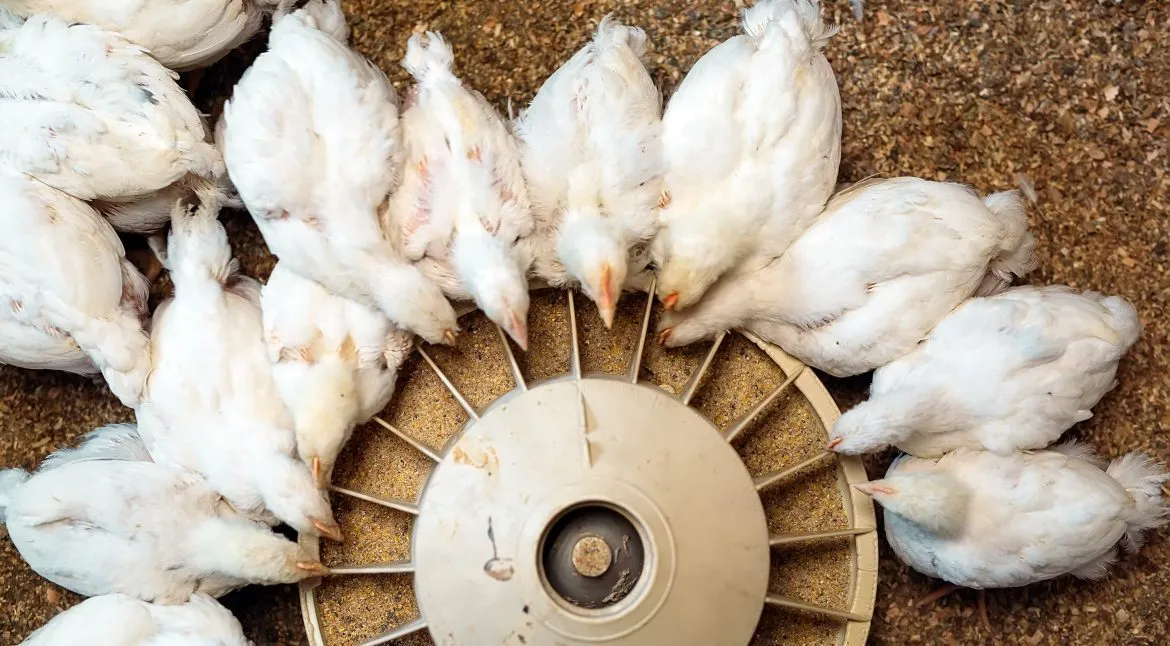
Factors That Determine Whether Fat Powder Improves Poultry Performance
The Effects of Fat Powder on Growth depend on several interacting factors, which is why results can differ between farms, poultry strains, and feeding programs. A product that performs well in one formulation may deliver limited benefits in another if the birds already receive sufficient energy or if another nutrient limits growth.
Understanding these variables helps poultry producers make better purchasing and formulation decisions. Rather than evaluating fat powder solely by its crude fat content, they should consider its nutritional contribution and the conditions under which it will be used.
The following factors deserve particular attention.
- Fat source and fatty acid composition
Different vegetable oils, animal fats, and blended products have different fatty acid profiles and digestibility characteristics. Unsaturated fats are generally more digestible than highly saturated fats, although the actual response depends on factors such as bird age, free fatty acid content, and the composition of the complete diet. A review in Animal Feed Science and Technology discusses these differences and their implications for metabolizable energy.
- Bird age and production stage
Young chicks may have a lower capacity to digest certain fats than older broilers. Consequently, product suitability should be assessed against the nutritional requirements and digestive development of the birds receiving it.
- Energy and amino acid balance
Additional dietary energy can support growth when it addresses a genuine nutritional need. However, insufficient digestible lysine, methionine, or other essential amino acids may limit muscle development even when energy intake is adequate.
- Feed manufacturing and storage
Mixing uniformity, product stability, moisture exposure, and oxidation control can affect ingredient consistency and feed quality. Manufacturers should follow appropriate handling and storage instructions.
- Farm management and bird health
Temperature, ventilation, stocking density, disease pressure, and access to clean water influence feed intake and growth. These variables should be considered when interpreting performance results.
- Product cost and nutritional value
The cheapest product is not necessarily the most economical option. Compare the cost per unit of usable energy and evaluate whether supplementation improves FCR, weight gain, or overall production returns.
Ultimately, a successful fat powder feeding program combines reliable ingredient quality, balanced diet formulation, appropriate management, and consistent performance monitoring. Evaluating these factors together helps producers determine whether supplementation delivers a genuine nutritional and economic advantage rather than relying on general product claims.
Common Mistakes When Adding Fat Powder to Poultry Feed
Fat powder can be a useful source of concentrated energy in poultry diets, but incorrect formulation or poor product handling can reduce its value. One of the most common mistakes is assuming that adding more fat will automatically improve growth or feed conversion ratio (FCR). In practice, the response depends on the birds’ nutritional requirements, the digestibility of the fat source, and the balance of the complete ration.
Research on poultry lipid nutrition shows that fat sources differ in digestibility, fatty acid composition, and metabolizable energy. A review published in 2023 also explains why young birds may have a limited capacity to utilize dietary fats efficiently. Read the review on lipid digestion in poultry.
To avoid unnecessary costs and inconsistent performance, producers should watch for the following mistakes:
- Adding fat without reformulating the diet: Increasing energy density without checking digestible amino acid levels can create a nutritional imbalance.
- Using the same inclusion rate for every growth stage: Starter, grower, and finisher diets have different requirements, and fat digestibility may vary with bird age.
- Choosing a product based only on crude fat content: A higher fat percentage does not necessarily mean higher usable energy or better performance.
- Ignoring oxidation and storage conditions: Exposure to heat, oxygen, and light can damage susceptible fats and reduce feed quality. Research has linked oxidized dietary lipids with poorer growth and feed efficiency in some poultry trials. Review the meta-analysis on peroxidized dietary lipids.
- Changing several feed ingredients simultaneously: This makes it difficult to determine whether fat powder caused any observed improvement or decline.
- Evaluating success through body weight alone: Feed intake, FCR, mortality, and production costs should also be recorded.
The most reliable approach is to define a nutritional objective before supplementation, use verified product specifications, and evaluate performance under consistent management conditions. This helps determine whether fat powder addresses a genuine nutritional need rather than simply increasing feed costs.
How to Measure the Real Effect of Fat Powder on Poultry Performance
The best way to determine whether fat powder improves poultry performance is to compare measurable results before and after supplementation under controlled, comparable conditions. Changes in body weight alone are not enough to establish success. A useful evaluation should also account for feed intake, feed conversion ratio, mortality, and the cost of producing each kilogram of weight gain.
A feeding trial should begin with a clearly defined objective. For example, a producer may want to improve FCR, increase final body weight, or reduce feed cost per kilogram of live-weight gain. The objective determines which performance indicators deserve the most attention.
For a meaningful comparison, use a control diet and a supplemented diet with appropriate nutrient balancing. Where feasible, assign multiple comparable pens to each treatment and keep management conditions consistent. Replication helps distinguish treatment effects from normal variation between pens.
The following measurements provide a practical starting point:
| Performance indicator | How to evaluate it |
| Average daily gain (ADG) | Body weight gained per bird per day |
| Feed intake | Feed consumed over a defined period |
| Feed conversion ratio (FCR) | Feed consumed divided by body weight gain |
| Mortality rate | Percentage of birds that die during the trial |
| Feed cost per kilogram of gain | Feed expenditure divided by total weight gain |
Record initial body weight, bird numbers, feed deliveries, feed residues, and mortality consistently. Use the same FCR calculation method throughout the trial, including the same approach to mortality adjustments.
It is also important to account for the cost of fat powder and any changes to other ingredients. A lower FCR does not automatically guarantee higher profit if the supplemented diet is considerably more expensive.
The Effects of Fat Powder on Growth should ultimately be assessed through both biological performance and economic return. Repeated measurements across comparable production cycles provide stronger evidence than a single short-term observation.
Fat Powder vs. Liquid Oil: Which Is Better for Poultry Feed?
Fat powder and liquid oil can both increase the energy density of poultry feed, but they differ in physical properties, handling requirements, and suitability for particular feed manufacturing systems. Neither form is automatically superior. The right choice depends on the product’s nutritional characteristics, the available equipment, and the intended feeding application.
Liquid oils are commonly used in commercial feed manufacturing because they provide concentrated energy and can be incorporated into suitable mixing or fat-spraying systems. However, manufacturers need appropriate storage tanks, pumping equipment, and application controls to distribute the oil evenly.
Fat powder is a dry formulation that may contain fat combined with carriers or other processing ingredients. Depending on its formulation, it can be easier to handle in facilities designed for dry ingredients. Nevertheless, its crude fat content and metabolizable energy may differ considerably from those of pure liquid oil.
| Comparison factor | Fat powder | Liquid oil |
| Physical form | Dry powder or granules | Liquid |
| Handling | Often compatible with dry ingredient systems | Requires suitable liquid handling and application equipment |
| Energy contribution | Depends on fat concentration and formulation | Depends on oil type and composition |
| Storage | Requires protection from moisture, heat, and oxidation | Requires suitable tanks or containers and oxidation control |
| Feed distribution | Depends on particle properties and mixing quality | Depends on spraying, mixing, and application accuracy |
| Cost evaluation | Cost per unit of usable energy | Cost per unit of usable energy |
When comparing products, calculate the cost of supplying an equivalent amount of metabolizable energy. Also consider mixing uniformity, product stability, processing expenses, and the effect on finished-feed quality.
Research published in Poultry Science has demonstrated substantial differences in energy value and quality characteristics among commercial fat sources, reinforcing the importance of evaluating individual products rather than relying on their physical form alone. Read the study comparing eight grades of fat for broiler feed.
For smaller operations or facilities without liquid fat application equipment, a suitable powder may offer practical handling advantages. For larger feed mills with established liquid dosing systems, liquid oil may be more economical. The final decision should be based on verified specifications, manufacturing capabilities, and total cost.
How to Select a Reliable Fat Powder Supplier for Poultry Feed
Choosing a reliable fat powder supplier is an important step in maintaining consistent poultry feed quality. Differences in raw materials, processing methods, and product specifications can affect nutritional value and the performance of the finished feed. A competitive price is useful, but it should not be the only factor in a purchasing decision.
Start by requesting a technical data sheet and a batch-specific Certificate of Analysis (COA). These documents help verify the product’s declared composition and establish whether the supplied material meets the agreed specifications. Canada’s Canadian Food Inspection Agency provides guidance on analytical documentation and testing requirements for feed ingredients. The specific regulatory requirements depend on the product and destination market.
Before placing an order, evaluate the following points:
- Nutritional specifications: Check crude fat, metabolizable energy where available, fatty acid profile, moisture, and other relevant quality parameters.
- Oxidative stability: Request appropriate test results and confirm that packaging and storage conditions protect the product from deterioration.
- Batch consistency: Compare recent batch analyses rather than relying exclusively on a general product brochure.
- Traceability: Confirm that the manufacturer can identify the production batch and document the origin of the material.
- Feed safety compliance: Check applicable requirements for contaminants, labeling, transportation, and importation.
- Delivery and storage: Verify packaging integrity, shelf life, transport arrangements, and expected delivery conditions.
- Technical support: Prefer suppliers that can provide clear product documentation and answer questions about suitable applications.
It is also worth calculating the delivered cost per unit of usable energy instead of comparing prices per kilogram alone. Transportation, customs charges, storage, and product consistency can all affect the actual cost of using the ingredient.
Finally, evaluate the supplier’s claims against performance in your own feeding program. A reliable supplier should provide verifiable specifications rather than promise guaranteed improvements in growth or FCR. Combining documented product quality with careful feed formulation helps reduce purchasing risks and supports more consistent poultry production.
Conclusion: Maximizing Poultry Growth and Feed Efficiency with Fat Powder
Successful poultry production depends on providing birds with the right nutrients in the right proportions. Fat powder can be a valuable component of a well-formulated diet because it increases energy density and may support growth, feed efficiency, and overall production performance. Nevertheless, its effectiveness depends on several factors, including the source of fat, digestibility, bird age, and the balance between dietary energy and essential nutrients.
The Effects of Fat Powder on Growth should therefore be evaluated through measurable results rather than assumptions about the benefits of fat supplementation. Poultry producers should monitor average daily gain, final body weight, feed intake, and feed conversion ratio to determine whether a particular product improves performance under their production conditions. Carcass yield and feed cost per kilogram of weight gain can provide additional insight into its commercial value.
Product selection is equally important. Checking technical specifications, metabolizable energy values, fatty acid composition, and quality-control documentation helps reduce the risk of using an unsuitable or inconsistent ingredient. Feed formulations should also be adjusted carefully to prevent energy imbalances and ensure adequate protein and amino acid supply.
Ultimately, the best results come from combining reliable fat powder, scientifically balanced feed formulations, and consistent flock monitoring. By evaluating both biological performance and economic returns, producers can make informed decisions about supplementation and develop feeding strategies that support efficient, sustainable poultry production.
FAQ
- Does fat powder help chickens grow faster?
Fat powder can support faster growth when it supplies digestible energy that the existing diet lacks. However, the response depends on fat quality, bird age, amino acid balance, and overall management. Adding fat alone does not guarantee increased weight gain.
- Can fat powder improve feed conversion ratio in broilers?
Yes, it may improve FCR when it increases usable dietary energy and supports efficient growth. The result varies with fat source, inclusion level, and diet formulation. Producers should compare feed intake and weight gain under comparable conditions to confirm the benefit.
- What is the recommended fat powder inclusion rate for poultry?
There is no universal inclusion rate for all poultry diets. The appropriate amount depends on the product’s composition, metabolizable energy, bird age, and the energy concentration of the existing feed. A poultry nutritionist should determine the inclusion level as part of a balanced formulation.
- Is fat powder suitable for young chicks?
Fat powder can be used in starter diets when its composition and digestibility are appropriate. However, young chicks may utilize some fat sources less efficiently than older birds. Product selection and formulation should account for their digestive development and nutritional requirements.
- Does fat powder increase abdominal fat in broilers?
Excessive energy intake relative to protein and essential amino acid supply can encourage fat deposition. However, the outcome depends on the complete diet and the birds’ energy requirements. Monitoring abdominal fat, breast muscle yield, and growth performance helps assess carcass quality.
- What is the difference between fat powder and liquid oil in poultry feed?
Both provide dietary fat, but they differ in physical form, handling, processing requirements, and potentially their energy contribution. Fat powder may suit dry ingredient systems, while liquid oil can be convenient for feed mills with appropriate liquid dosing equipment. Compare products by nutritional value and total cost.
- How can poultry producers measure the effects of fat powder on growth?
Monitor average daily gain, final body weight, feed intake, FCR, mortality, and feed cost per kilogram of weight gain. For stronger evidence, compare a balanced supplemented diet with a control diet under similar conditions and use replicated groups where feasible.
- How should fat powder be stored?
Follow the manufacturer’s storage instructions and protect the product from excessive heat, moisture, and conditions that accelerate oxidation. Keep packaging intact, observe the stated shelf life, and inspect products for signs of deterioration before use.
- Does a higher crude fat percentage mean better quality?
No. Crude fat indicates the amount of fat in a product but does not establish its digestibility, metabolizable energy, oxidative stability, or suitability for a particular diet. Product quality should be assessed using several relevant specifications.
- Is fat powder cost-effective for poultry farms?
It can be cost-effective when the nutritional benefits justify the additional ingredient cost. Compare the cost per unit of usable energy and monitor feed efficiency, weight gain, and total production costs. The least expensive product per kilogram is not necessarily the most economical option.