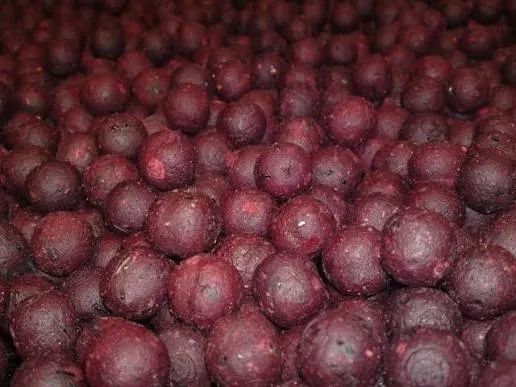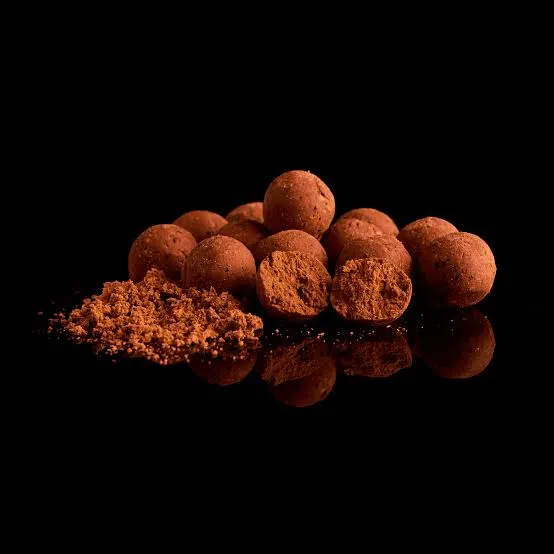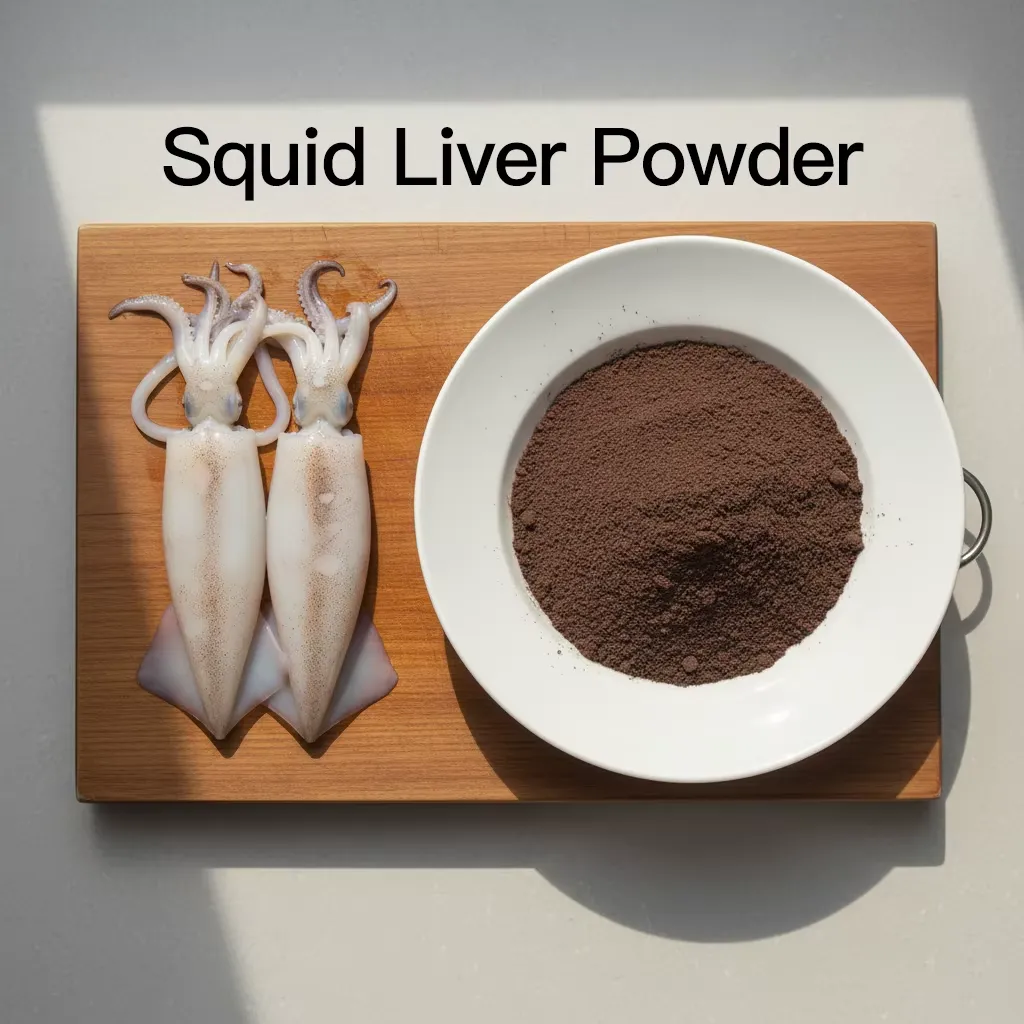
Squid liver powder can be a useful functional ingredient in shrimp feed when the goal is to improve feed attractability and encourage rapid feed acceptance. Its value comes from more than its protein content. Marine-derived ingredients can supply free amino acids, peptides, nucleotides, taurine and other soluble compounds that interact with the shrimp’s chemosensory system. Research on squid liver meal has shown that it can improve the attractability of shrimp diets, although stronger attractability does not automatically guarantee better growth or feed conversion.
For feed manufacturers, this distinction is important. The quality of the raw material, its processing method, inclusion level, oxidation status and compatibility with the rest of the formula can all affect the final result. Squid Liver Powder for Shrimp Feed should therefore be evaluated as a functional ingredient rather than simply added because it is marine-derived. Controlled feeding trials can help determine whether it actually improves feed intake and performance in the target shrimp species. Keep reading to see how manufacturers can evaluate, formulate and use this ingredient more effectively.
Why Squid Liver Powder Is Used in Shrimp Feed Formulation
Squid Liver Powder for Shrimp Feed is mainly valued as a functional marine ingredient that can support feed acceptance while also contributing nutrients to the formula. This is particularly relevant when manufacturers reduce fishmeal or use higher levels of plant-based proteins, because such changes can affect the natural chemical cues that encourage shrimp to find and consume pellets.
Reviews from the University of Florida note that feed attractants can help improve palatability and voluntary feed intake, especially in diets containing alternative protein sources.
Squid-derived ingredients also provide marine proteins and lipids, making their role broader than that of a simple flavoring agent. FAO has reported that squid liver powder is used commercially in shrimp feeds and has historically been included at relatively low levels as part of formulated diets.
For manufacturers evaluating this ingredient, the main considerations are:
- Feed attractability and palatability
- Protein and lipid contribution
- Soluble compounds released into water
- Raw-material consistency
- Oxidative stability
- Cost at the final inclusion rate
When sourcing from suppliers such as pishva holding, manufacturers should still review the product specification and certificate of analysis rather than relying only on the ingredient name.
How Squid Liver Powder Improves Feed Attractability and Palatability in Shrimp
Fast feed acceptance can make a meaningful difference in shrimp production. Shrimp rely heavily on chemical cues to locate and evaluate food, so the compounds released from a pellet after entering the water can influence how quickly animals respond. This is where Squid Liver Powder for Shrimp Feed can have a practical role. Marine-derived ingredients contain compounds that may stimulate the chemosensory system and encourage feeding behavior.
Research on juvenile Litopenaeus stylirostris found that diets supplemented with squid liver meal showed improved attractability compared with the unsupplemented formulation used in the trial. However, the same study showed that improved attractability did not automatically translate into improved growth or palatability, highlighting the difference between these measurements.
For feed manufacturers, this means attractability should be evaluated alongside actual feeding performance. Important indicators include:
- Time taken for shrimp to approach the feed
- Initial feeding response
- Feed consumption
- Feed wastage
- Growth and FCR during longer trials
A product such as Squid liver powder can therefore be considered as one part of a broader palatability strategy rather than a guaranteed performance enhancer.
Which Nutrients and Compounds Make Squid Liver Powder Attractive to Shrimp?
The attraction of squid-derived ingredients is not explained by protein content alone. Their functional value is related largely to small, water-soluble compounds that shrimp can detect through their chemosensory system. Scientific reviews identify free amino acids, nucleotides, nucleosides, organic acids and other low-molecular-weight compounds as important components of feeding stimulation in aquatic animals.
Research specifically comparing squid liver meal with other animal protein ingredients found differences in free amino acids, taurine, nucleotides, protein solubility and small peptides. The researchers also reported that the biochemical profiles were broadly consistent with the observed attractability of the ingredients.
For quality evaluation, manufacturers should therefore look beyond crude protein and consider:
| Component | Why it matters |
| Free amino acids | Can stimulate chemosensory feeding responses |
| Small peptides | May contribute to palatability |
| Taurine | One of the compounds associated with feeding stimulation |
| Nucleotides | Important chemical feeding cues |
| Soluble protein | Indicates the fraction available for rapid release |
| Lipids | Contribute nutritional value and may affect ingredient quality |
The exact response remains species- and formulation-dependent. A 2022 review emphasizes that shrimp do not respond identically to individual amino acids, so the overall chemical profile and presentation of the attractant are important.

How Much Squid Liver Powder Should Be Included in Shrimp Feed?
There is no single inclusion rate that works for every shrimp feed formula. The appropriate level depends on the shrimp species, feed composition, raw-material quality, processing method and the other attractants already present in the diet. This is why manufacturers should treat the inclusion rate as a formulation variable that needs validation.
FAO documentation reports that Squid liver powder has historically been used in commercial shrimp feeds at approximately 2–5%, while squid meal has generally been used at somewhat different levels depending on the production system and feed type.
Experimental research also shows why commercial manufacturers should not blindly copy a published percentage. In a study evaluating feeding attractants in Litopenaeus vannamei, squid liver meal was tested at 0.5% and 1.0%, but some other attractants produced stronger behavioral responses under the experimental conditions.
A practical formulation trial can compare:
- Control: no squid liver powder
- Low inclusion: a conservative test level
- Medium inclusion: an intermediate level
- Higher inclusion: only when justified by the formula
Keep protein, energy and pellet characteristics as consistent as possible between treatments. Then compare feed intake, growth, FCR and survival. This approach gives manufacturers a much more reliable answer than choosing an inclusion rate based solely on supplier recommendations.
What Feed Manufacturers Should Check Before Using Squid Liver Powder?
Before adding Squid Liver Powder for Shrimp Feed to a commercial formula, manufacturers should evaluate the ingredient as both a nutritional raw material and a functional attractant. Two products carrying similar names can behave differently if their raw-material source, drying conditions, lipid content or storage history differs.
The first step is to obtain a current certificate of analysis and verify the basic specifications. Moisture, crude protein and lipid content provide useful baseline information, but they are not enough to predict attractant performance. Because squid liver products can contain marine lipids, oxidation status deserves particular attention during receiving and storage.
A useful incoming-quality checklist includes:
- Moisture content
- Crude protein
- Crude lipid
- Free amino acid profile, when available
- Oxidation indicators
- Microbiological quality
- Batch number and traceability
- Processing and drying method
- Recommended storage conditions
The ingredient should also be assessed in the finished pellet, not only as a powder. Water stability, leaching and release of soluble compounds can influence the feeding response once the feed enters the culture water. Research on shrimp attractants supports evaluating the actual feeding response of the target species rather than assuming that a chemically attractive ingredient will automatically improve growth.
For commercial production, the strongest approach is simple: verify the raw material, test the inclusion level, and measure the result in the finished feed.
How Processing, Storage, and Oxidation Affect Squid Liver Powder Quality
Good processing protects the functional value of squid liver powder long after production. This is especially important because squid-derived ingredients contain marine lipids as well as proteins and soluble compounds. FAO describes squid liver powder as a source of marine protein and essential lipids and notes its use in commercial shrimp feeds.
Drying is particularly important. Excessive heat can affect sensitive components, while insufficient drying can leave too much moisture and compromise storage stability. The finished ingredient should therefore be dried to a controlled moisture level and protected from oxygen, heat and humidity.
Storage conditions also deserve attention. Manufacturers should:
| Factor | Practical concern |
| Heat | Can accelerate deterioration |
| Oxygen | Promotes lipid oxidation |
| Moisture | Can reduce storage stability |
| Light | May contribute to oxidative reactions |
| Long storage | Increases the risk of quality changes |
Oxidized marine ingredients can negatively affect feed quality. FAO workshop guidance specifically warns that rancid oils can cause serious problems in aquaculture production.
For Squid Liver Powder for Shrimp Feed, routine quality control should therefore include oxidation testing, especially when the product is relatively lipid-rich. Packaging should limit exposure to air and moisture, and warehouses should remain cool and dry. Checking the powder again before production is also worthwhile when it has been stored for an extended period.
How to Test Squid Liver Powder Before Using It in Commercial Shrimp Feed
A short feeding trial can tell you more than a long specification sheet. Before introducing Squid Liver Powder for Shrimp Feed into commercial production, manufacturers should first determine whether the ingredient actually improves the feeding response of the target shrimp species.
A practical evaluation can begin with three or four diets:
- A control diet without squid liver powder.
- A low-inclusion test diet.
- A medium-inclusion test diet.
- A higher level only when scientifically justified.
Keep the major nutritional characteristics and pellet properties as similar as possible. Then measure feed intake, growth, survival and FCR rather than relying on a single observation.
Research on Litopenaeus vannamei has demonstrated that feed intake can be used as a practical measure of relative attractability. In the study, different animal protein ingredients were incorporated at the same level and their effects on shrimp feed intake were compared.
A useful commercial test should examine:
| Test | What it tells the manufacturer |
| Feed intake | Whether shrimp accept the diet |
| Initial feeding response | Relative attractability |
| Growth rate | Longer-term nutritional effect |
| FCR | Feed-use efficiency |
| Survival | Overall production response |
| Water stability | Pellet performance after immersion |
It is important to separate attractability from palatability and growth. A 2006 study found that squid liver meal produced a feeding response in L. vannamei, but some other commercial attractants performed better at the tested inclusion levels.
This is why manufacturers should validate the ingredient under their own formulation conditions rather than assuming that a published inclusion rate will produce the same result in every commercial feed.
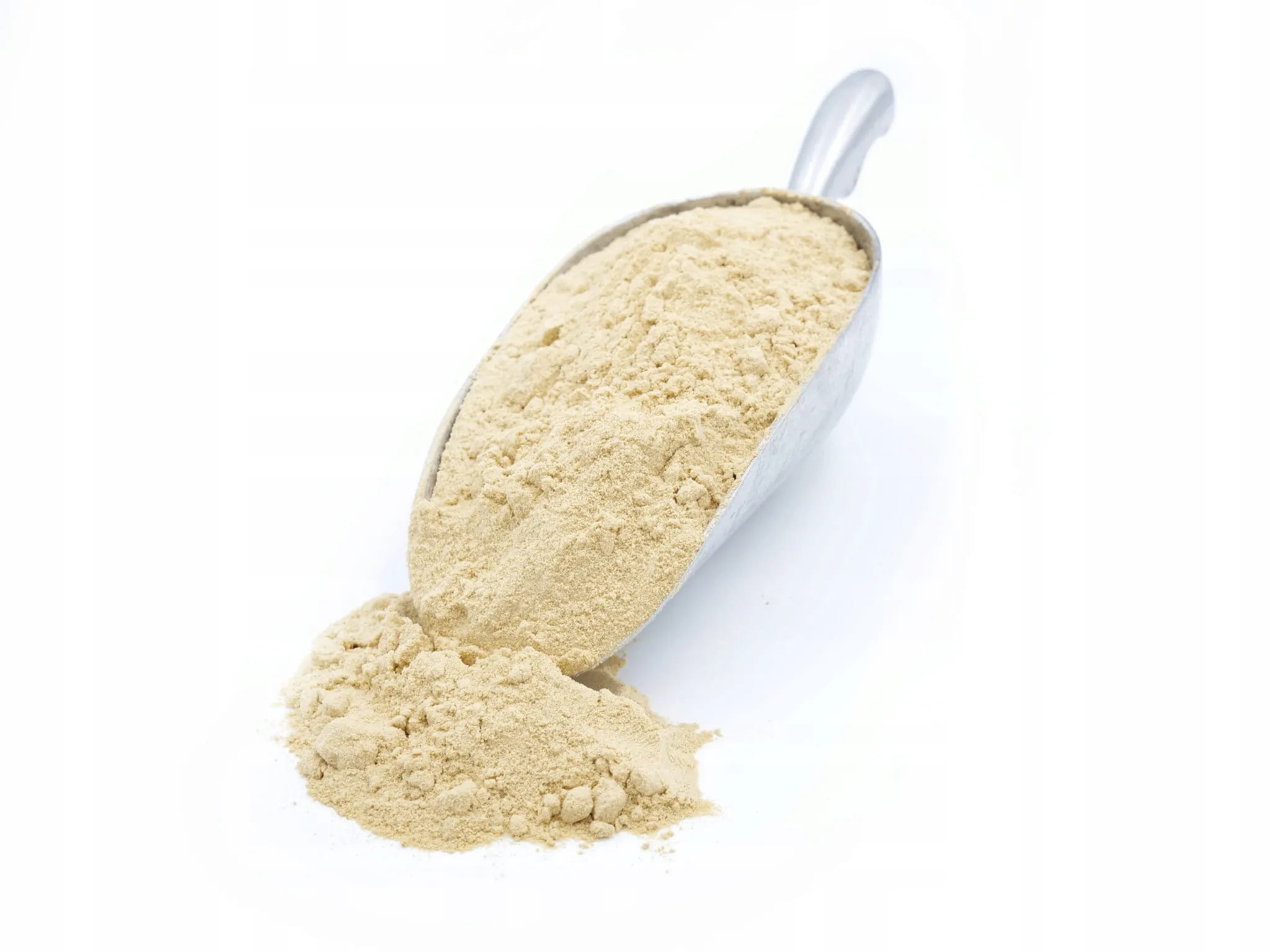
Conclusion: How Feed Manufacturers Can Get More Value from Squid Liver Powder
The real value of squid liver powder is not simply what it contributes on paper, but what it does when the shrimp encounter the finished pellet. A nutritionally balanced feed still needs to be detected, accepted and consumed efficiently. Marine ingredients can provide chemical signals that support these feeding responses, and research has specifically identified squid liver meal as a potentially useful attractability enhancer in shrimp diets.
However, manufacturers should avoid treating Squid Liver Powder for Shrimp Feed as a universal solution. Results can vary with shrimp species, life stage, feed composition, raw-material quality and inclusion rate. The chemical profile also matters because compounds such as free amino acids, small peptides and nucleotides can influence feeding behavior, while excessive or poorly controlled biogenic amines may have undesirable effects.
A practical approach is to assess each batch for moisture, protein, lipid content, oxidation and microbiological quality before formulation. Then, compare suitable inclusion levels against a control diet and measure feed intake, growth, survival and FCR. Recent work has also demonstrated that feed intake can be used as a practical indicator of relative attractability in Litopenaeus vannamei.
Used this way, squid liver powder becomes a measurable formulation tool rather than simply another marine ingredient.
FAQ
- Is squid liver powder a good attractant for shrimp feed?
It can be a useful natural feeding stimulant. Research has identified squid liver meal as a source of compounds associated with shrimp chemosensory feeding responses, although its effectiveness varies with the shrimp species, formulation and inclusion level.
- What should manufacturers check before buying squid liver powder?
At minimum, check moisture, protein, lipid content, oxidation status, microbiological quality, origin, processing method and batch consistency. A certificate of analysis should accompany each commercial batch whenever possible.
- Can squid liver powder replace fishmeal in shrimp feed?
Not automatically. Its functional role as an attractant is different from the broader nutritional role of fishmeal. Squid liver powder may complement a low-fishmeal formulation, but the complete diet still needs to meet the shrimp’s nutritional requirements.
- Does higher inclusion always mean better attractability?
No. Higher inclusion does not guarantee a stronger feeding response. In a study of commercial attractants for L. vannamei, squid liver meal was tested at 0.5% and 1.0%, while other attractants produced stronger responses under the experimental conditions.
- How can manufacturers measure attractability?
Feed intake is one practical approach. A controlled bioassay can compare how quickly and how much shrimp consume otherwise comparable diets. Research has specifically proposed feed intake as a simple method for estimating relative attractability in L. vannamei.
- Why is oxidation testing important?
Squid-derived ingredients can contain marine lipids, making oxidative stability an important quality consideration. Heat, oxygen, moisture and prolonged storage can accelerate deterioration. Keeping the ingredient in suitable storage conditions and monitoring oxidation helps maintain consistent feed quality.
- Can squid liver powder be combined with other attractants?
Yes, and research has investigated combinations of marine and other attractant ingredients. However, combinations should be tested rather than assumed to be superior. A 2022 study on L. vannamei found that some compound attractant combinations improved feed intake and growth, while another combination produced less favorable responses.