The key to stronger shrimp growth often starts with what happens before feeding even begins. Feed acceptance is not just a nutritional issue—it is a behavioral and chemical response that directly influences production efficiency. In modern aquaculture, improving feed palatability has become just as important as balancing protein or lipid levels. One ingredient that has gained significant attention in this area is squid liver powder, known for its rich profile of amino acids, nucleotides, and naturally occurring attractants.
In practical shrimp farming systems, low feed intake can quickly lead to poor growth rates, uneven size distribution, and increased feed waste. This is where understanding How Squid Liver Powder Improves Feed Palatability in Shrimp Farming becomes essential for producers aiming to optimize performance. Its bioactive compounds stimulate the shrimp’s chemosensory system, encouraging faster feed detection and stronger feeding response even under challenging environmental conditions.
As aquaculture moves toward more efficient and sustainable production models, functional ingredients like squid liver powder are playing a more strategic role in feed formulation. In the following sections, we will explore how it works, why it is effective, and how it can be applied in commercial shrimp diets. Keep reading to understand its practical value in modern shrimp nutrition.
Understanding Feed Palatability in Modern Shrimp Aquaculture
Before improving shrimp performance, it is essential to understand how feed is actually perceived in the water. Feed palatability refers to how attractive and acceptable a diet is to shrimp based on its smell, taste, and chemical signals. In intensive aquaculture systems, even nutritionally perfect feed can underperform if shrimp do not actively consume it.
Pishva Holding, along with other leading aquafeed innovators, has highlighted that feed intake behavior is often more critical than raw nutrient composition. Shrimp rely heavily on chemoreception, meaning they detect feed through dissolved compounds in water rather than visual cues.
Key factors influencing feed palatability include:
- Water-soluble attractants
- Amino acid profile
- Feed texture and stability
- Aroma dispersion in water
In commercial farming, poor palatability leads to:
- Increased feed waste
- Uneven growth rates
- Higher production costs
This is why research into How Squid Liver Powder Improves Feed Palatability in Shrimp Farming has gained attention. Farmers are now focusing on functional ingredients that not only nourish shrimp but actively stimulate feeding behavior.
Understanding this concept is the first step toward improving feed efficiency and overall farm profitability. In the next section, we move into the biological source behind one of the most effective attractants used today.
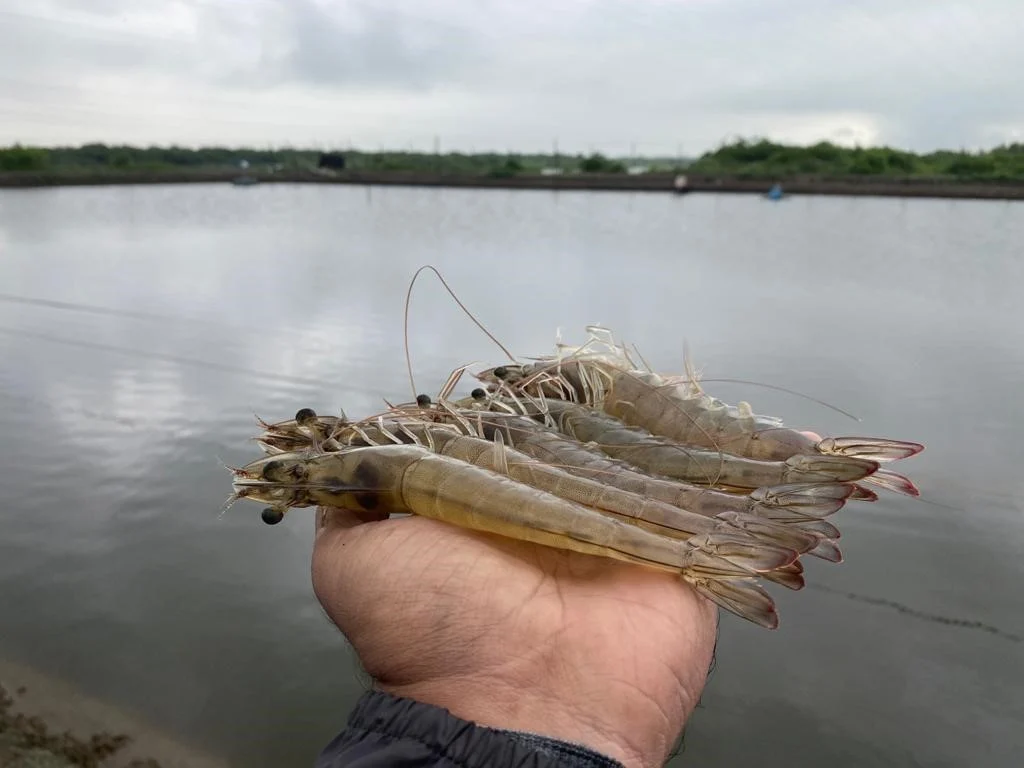
What Is Squid Liver Powder and Why It Matters
At its core, squid liver powder is a nutrient-dense marine by-product derived from squid processing. It is widely used in aquaculture feed formulations due to its strong functional and biochemical properties.
Squid liver powder contains a complex mixture of:
- Free amino acids
- Small peptides
- Natural lipids
- Nucleotides (IMP, AMP)
These compounds are highly bioavailable and easily detected by shrimp chemoreceptors. Unlike standard protein meals, squid liver powder does not only serve as nutrition—it actively influences feeding behavior.
Why it matters in shrimp nutrition:
- Enhances feed detection speed
- Improves feeding intensity
- Reduces feed rejection rates
- Supports better feed conversion efficiency
A simplified comparison:
| Ingredient Type | Function | Palatability Impact |
| Soybean meal | Protein source | Low |
| Fish meal | Nutrition + mild attractant | Medium |
| Squid liver powder | Functional attractant + nutrition | High |
In the context of How Squid Liver Powder Improves Feed Palatability in Shrimp Farming, this ingredient plays a dual role: it nourishes shrimp while also acting as a powerful feeding stimulant.
Its value lies in its natural composition, which closely matches the feeding chemistry of marine species. This makes it especially effective in high-density shrimp farming systems where feed competition is intense.
Next, we will explore how amino acids directly trigger shrimp feeding behavior at the biological level.
The Role of Free Amino Acids in Stimulating Feeding Behavior
Free amino acids are one of the most powerful natural feeding triggers in shrimp aquaculture. Species like Litopenaeus vannamei rely on chemical cues in water to locate and evaluate food sources.
When amino acids dissolve in water, they activate chemoreceptors located on shrimp antennae and mouthparts. This immediate sensory response leads to faster feed detection and stronger feeding activity.
Common feeding-stimulant amino acids include:
- Glycine
- Alanine
- Glutamic acid
- Betaine
These compounds are naturally abundant in marine ingredients and are strongly associated with improved feed intake.
Practical effects in shrimp farming:
- Faster attraction to feed pellets
- Reduced feed searching time
- Increased consumption rate
- Better uniformity in feeding behavior
From a formulation perspective, optimizing amino acid balance is a key strategy in improving palatability. This is one of the main mechanisms behind How Squid Liver Powder Improves Feed Palatability in Shrimp Farming, as squid-derived ingredients naturally contain high levels of these free amino acids.
The result is not just improved nutrition uptake but a more efficient feeding cycle overall.
In the next section, we will examine another critical biochemical factor—nucleotides—and their role in feed attraction.
Nucleotide Content and Its Impact on Feed Attraction
Nucleotides are increasingly recognized in aquaculture nutrition for their role in enhancing feed attractiveness and metabolic efficiency. Compounds such as IMP (inosine monophosphate) and AMP (adenosine monophosphate) act as powerful flavor enhancers in aquatic diets.
In shrimp farming systems, nucleotides improve how feed is perceived in water by strengthening chemical signaling. This allows shrimp to detect feed from greater distances and respond more quickly.
Key benefits of nucleotide-rich feed:
- Enhanced feed recognition in turbid water
- Improved feeding consistency under stress
- Better appetite recovery after handling or environmental changes
- Increased feed intake efficiency
Nucleotides also support gut health and immune function, making them valuable beyond palatability alone.
Their role is essential when analyzing How Squid Liver Powder Improves Feed Palatability in Shrimp Farming, since squid-derived ingredients naturally contain these compounds in bioavailable forms.
In practical aquafeed formulation, nucleotides are often used in:
- Starter feeds
- Stress recovery diets
- High-density farming systems
Their ability to enhance both sensory response and physiological performance makes them a key component in modern shrimp nutrition strategies.
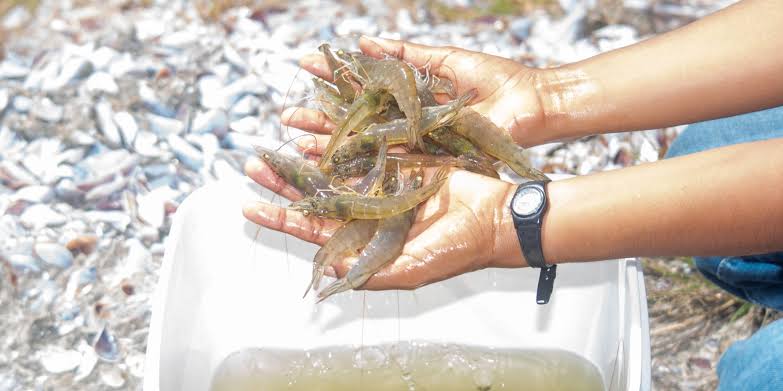
Lipid-Derived Volatile Compounds and Aroma Enhancement
Lipids play a more important role in shrimp feed performance than often assumed. In addition to being an energy source, they contribute to the formation of volatile compounds that influence feed aroma and water dispersion.
When feed enters water, lipid-derived molecules help create a “chemical plume” that spreads through the surrounding environment. Shrimp detect this plume using sensitive chemoreceptors, guiding them toward the feed source.
Functional effects of lipid compounds:
- Improved feed odor dispersion
- Longer detection range in water
- Faster aggregation of shrimp around feed
- Increased feeding excitement
These effects are particularly important in pond and tank systems with high stocking density or water movement.
In relation to How Squid liver powder Improves Feed Palatability in Shrimp Farming, lipid fractions from marine ingredients contribute significantly to overall feed attractiveness. Combined with amino acids and nucleotides, they create a multi-sensory feeding stimulus.
This synergy between aroma, taste, and chemical signaling is what makes modern functional feeds far more effective than traditional formulations.
In the final section, these combined mechanisms will be brought together to show the overall impact on shrimp growth and farm efficiency.
Improving Feed Intake Consistency Under Stress Conditions
Stress is one of the most overlooked factors affecting shrimp feeding behavior. Changes in salinity, temperature fluctuations, low dissolved oxygen, and high stocking density can all significantly reduce appetite and feeding consistency. In commercial systems, even short periods of reduced feed intake can impact overall production performance.
Understanding How Squid Liver Powder Improves Feed Palatability in Shrimp Farming becomes especially important under these conditions. Functional marine ingredients help maintain stable feeding signals even when environmental stress disrupts normal behavior patterns.
Squid-derived compounds support consistent intake through:
- Strong chemical feeding cues
- High water solubility of attractants
- Rapid detection even under low visibility conditions
Practical farm-level observations:
- Shrimp resume feeding faster after stress events
- Reduced feed rejection during temperature shifts
- More uniform feeding across ponds
In real farming systems, consistency often matters more than peak intake. Ingredients that stabilize feeding behavior help reduce performance fluctuations and improve overall production predictability.
Synergistic Effects with Other Feed Attractants
One of the most effective strategies in modern aquafeed formulation is combining multiple attractants rather than relying on a single source. Squid-based ingredients show strong synergy with other marine and plant-based stimulants.
Common synergistic combinations include:
- Squid liver powder + krill meal
- Squid extracts + fish hydrolysates
- Squid compounds + betaine-rich additives
Why synergy matters:
Different attractants stimulate different sensory pathways in shrimp. When combined, they create a stronger and more complex feeding signal.
This multi-layered approach is a key principle in modern feed design and directly supports How Squid Liver Powder Improves Feed Palatability in Shrimp Farming by amplifying overall sensory impact.
The result is faster feed detection, stronger feeding bursts, and improved feed distribution efficiency in ponds and tanks.
Impact on Feed Conversion Ratio (FCR) and Growth Performance
Feed conversion ratio (FCR) is one of the most critical performance indicators in shrimp farming. It measures how efficiently feed is converted into biomass. Even small improvements in feed intake efficiency can lead to significant economic benefits.
Functional ingredients that enhance palatability directly influence FCR by:
- Reducing uneaten feed
- Increasing nutrient uptake efficiency
- Improving digestion and assimilation
- Observed effects in commercial systems:
- Lower FCR values in intensive ponds
- More stable daily growth rates
- Improved size uniformity at harvest
In practical terms, How Squid Liver Powder Improves Feed Palatability in Shrimp Farming is closely linked to better feed utilization. When shrimp consume feed more quickly and completely, less nutrient loss occurs in the water.
This leads to:
- Higher biomass yield per cycle
- Reduced environmental load from uneaten feed
- Better profitability per production unit
Efficient feed utilization is now a core focus of sustainable aquaculture economics.
Practical Inclusion Levels in Commercial Shrimp Diets
Determining the correct inclusion level of functional ingredients is essential for balancing cost and performance. Squid-based attractants are typically used at low to moderate levels due to their high potency.
General inclusion guidelines:
- Starter feeds: higher inclusion for strong early attraction
- Grow-out diets: moderate inclusion for cost efficiency
- Finishing diets: optimized for feed efficiency and FCR control
Excessive use is not necessary, as the active compounds are highly effective even at low concentrations.
From a formulation standpoint, understanding How Squid Liver Powder Improves Feed Palatability in Shrimp Farming helps nutritionists design more efficient and cost-effective feed strategies.
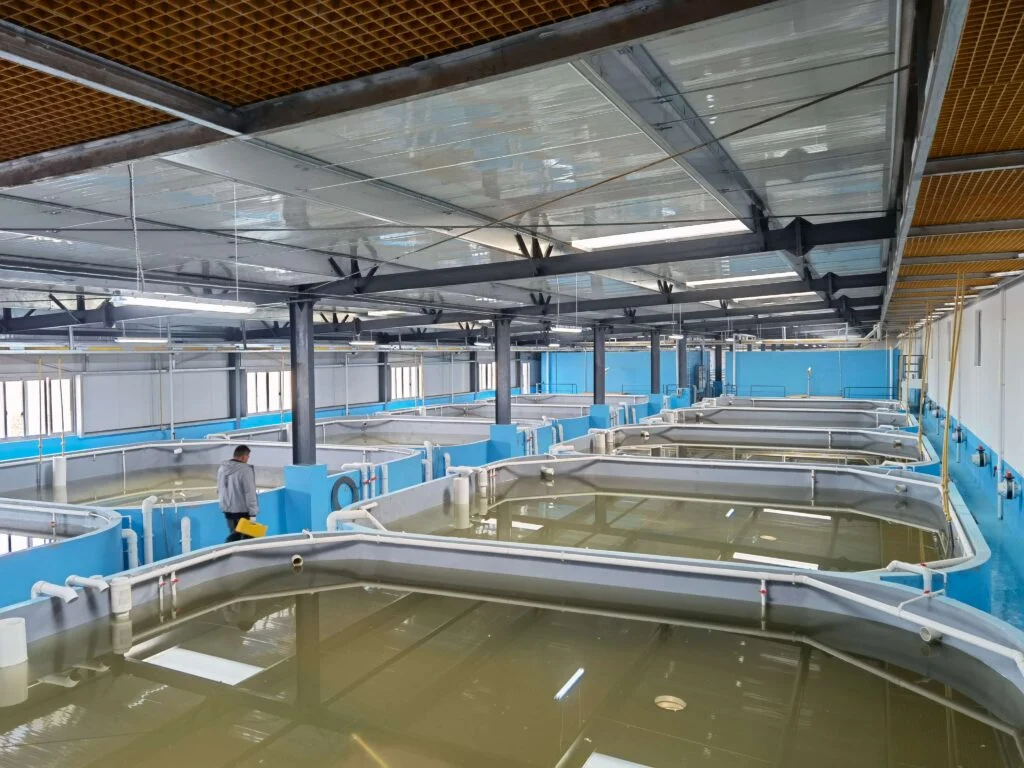
Sustainability Advantage of Using Marine By-Products
Sustainability has become a central theme in aquaculture development. Using marine processing by-products helps reduce waste and supports circular economy models.
Squid liver powder is produced from materials that would otherwise be discarded during seafood processing. Its use contributes to:
- Reduced environmental waste
- Better resource utilization
- Lower pressure on wild feed resources
Sustainability benefits:
- Supports circular aquaculture systems
- Reduces reliance on primary fish meal
- Improves feed industry efficiency
This makes How Squid Liver Powder Improves Feed Palatability in Shrimp Farming not only a performance topic but also an environmental one.
Sustainable feed ingredients are increasingly preferred by global aquafeed companies and certification programs.
Future Perspectives in Feed Palatability Enhancement
The future of shrimp nutrition is moving toward precision feeding systems where attractants, nutrients, and functional additives are carefully optimized for each production stage.
Emerging trends include:
- Micro-encapsulated attractants for controlled release
- AI-based feed formulation systems
- Advanced marine hydrolysate blends
- Precision amino acid balancing
In this context, squid-derived ingredients will remain relevant due to their natural complexity and proven effectiveness.
Research continues to show that improving feed palatability is one of the most cost-effective ways to enhance shrimp production efficiency. This reinforces the long-term importance of How Squid Liver Powder Improves Feed Palatability in Shrimp Farming in both research and commercial applications.
Conclusion: The Practical Value of Squid Liver Powder in Modern Shrimp Nutrition
In modern shrimp aquaculture, efficiency is no longer defined only by growth rates, but by how effectively feed is consumed and converted into biomass. This is where squid liver powder has proven its value as a functional and biologically active ingredient. By enhancing feed palatability through its natural composition of free amino acids, nucleotides, and lipid-derived compounds, it directly influences feeding behavior in shrimp species widely used in commercial farming.
Understanding How Squid Liver Powder Improves Feed Palatability in Shrimp Farming provides a clear advantage for feed formulators and farm managers seeking to improve feed utilization. Its role is not simply nutritional; it is behavioral. It helps trigger faster feed detection, encourages stronger feeding responses, and reduces feed wastage—especially in intensive farming systems where competition and environmental stress are high.
From a practical standpoint, its inclusion in feed formulations supports more stable growth performance, improved feed conversion ratio, and better uniformity in shrimp size. Just as importantly, it aligns with sustainability goals by utilizing marine by-products efficiently and reducing waste in seafood processing chains.
As shrimp farming continues to evolve toward precision nutrition and functional feed strategies, ingredients like squid liver powder will remain important tools in optimizing production outcomes. For farmers and nutritionists, the next step is to evaluate how such functional additives can be integrated into their existing feeding programs for measurable on-farm benefits.
FAQ
- Why is feed palatability important in shrimp farming?
Because shrimp rely on chemical signals to locate feed, palatability directly affects intake speed, feed efficiency, and growth performance.
- How does squid liver powder improve shrimp feeding?
It contains amino acids, nucleotides, and lipids that stimulate shrimp chemoreceptors and increase feeding response.
- Can squid liver powder replace fish meal?
No. It is a functional additive, not a complete protein replacement.
- Is squid liver powder suitable for all shrimp stages?
Yes, but inclusion levels vary depending on the production stage.
- Does it improve FCR?
Yes, improved feed intake efficiency often leads to better feed conversion ratios.