Simply put, the choice between Squid Liver Powder vs Fish Meal comes down to how you balance growth performance, feed intake, and cost efficiency in aquaculture systems. Fish meal has long been considered the benchmark protein source due to its excellent amino acid profile and consistently high digestibility. On the other hand, squid liver powder is increasingly valued for its strong feed-attracting properties and functional nutrients such as taurine and phospholipids, which can support appetite and metabolic health in aquatic species.
When used correctly, both ingredients can significantly improve feed efficiency, but their roles are not identical. Fish meal primarily drives growth and body mass development, while squid liver powder enhances palatability and stimulates early feed consumption—especially in juvenile stages. Understanding how to combine or prioritize these ingredients can directly influence feed conversion ratio (FCR) and overall production cost.
In this article, we will break down their nutritional differences, performance impacts, and practical application strategies. Keep reading to understand which ingredient fits your feeding strategy best.
Understanding Squid Liver Powder: Composition and Functional Value in Aquafeed
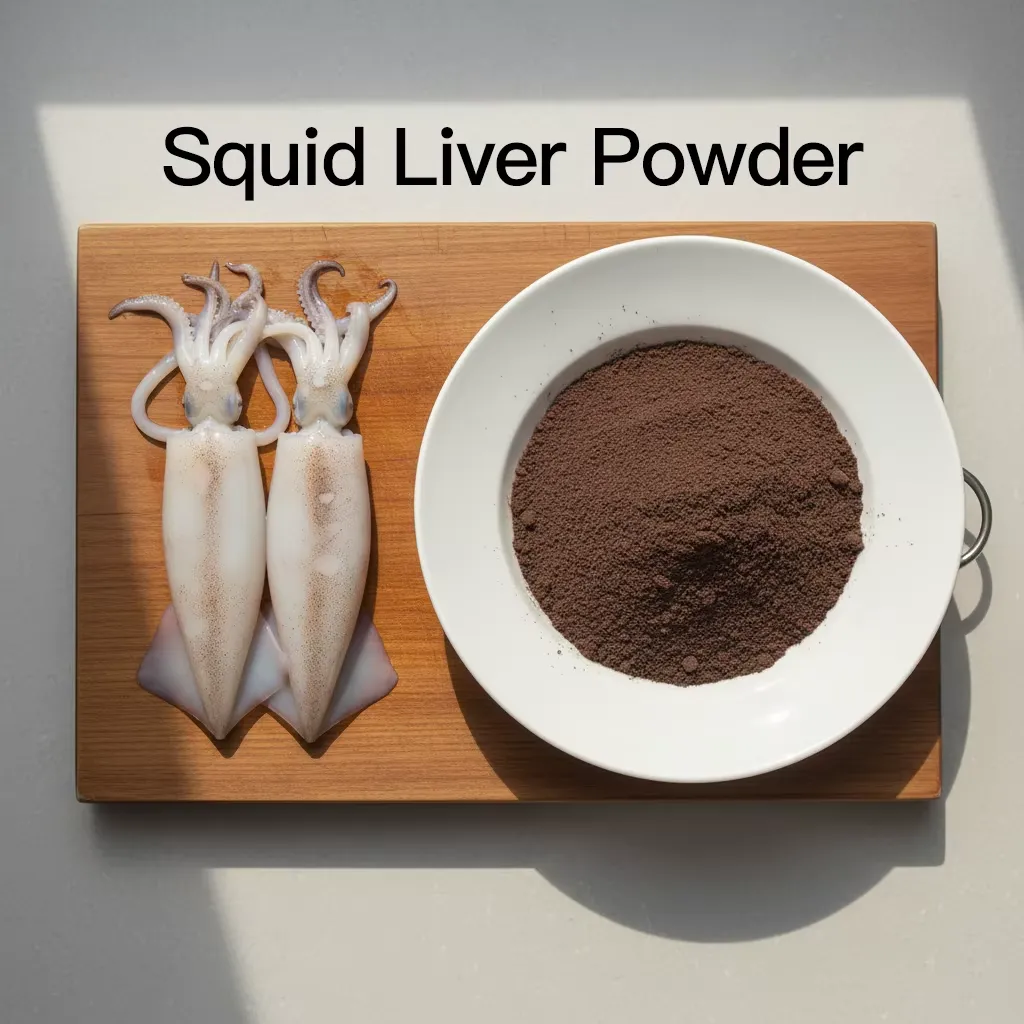
Squid liver powder is a nutrient-dense by-product obtained from squid processing, rich in lipids, free amino acids, and bioactive compounds. Companies like Pishva Holding are actively involved in evaluating and utilizing such marine ingredients in advanced aquafeed formulations. Unlike conventional protein sources, its value is not only in crude protein content but also in its functional role in stimulating feed intake and improving metabolic activity in aquatic species.
Key nutritional characteristics include:
- High levels of taurine, which supports osmoregulation in marine fish
- Phospholipids that enhance lipid metabolism and energy utilization
- Natural feeding attractants that improve palatability
- Moderate protein with high digestibility in early growth stages
From a practical feeding perspective, squid liver powder is often used as a supplement rather than a core protein source. In comparisons such as Squid Liver Powder vs Fish Meal, its primary advantage lies in improving feed acceptance, especially in juvenile shrimp and fish.
| Component | Function |
| Taurine | Improves stress resistance |
| Lipids | Energy supply |
| Amino acids | Growth support |
Its inclusion level must be carefully controlled to avoid excessive fat content in diets. Modern feed trials show that small inclusion rates can significantly improve feed response and uniform feeding behavior.
Fish Meal: The Gold Standard Protein Source in Aquaculture Nutrition
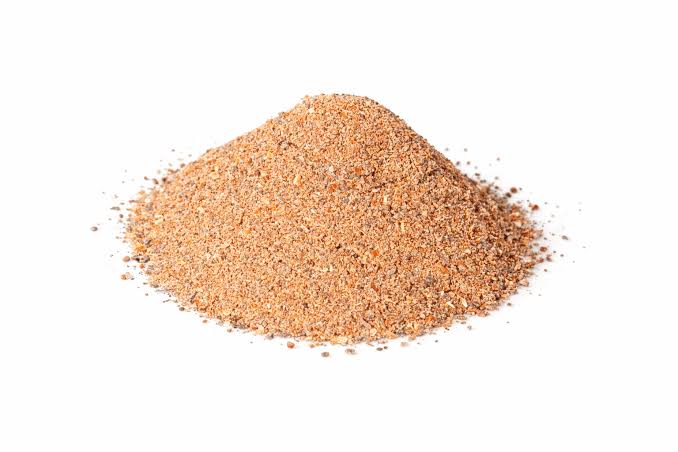
Fish meal is produced from whole fish or fish by-products through controlled cooking, pressing, and drying processes. It is widely recognized for its balanced amino acid profile and high digestibility, making it ideal for carnivorous and omnivorous aquatic species.
Key advantages include:
- Crude protein levels typically between 60–72%
- Excellent amino acid balance (lysine, methionine, threonine)
- High digestibility and nutrient absorption efficiency
- Strong and consistent growth performance results
In the context of Squid liver powder vs Fish Meal, fish meal serves as the structural foundation of most aquafeed formulations. It supports muscle development, skeletal growth, and overall biomass increase.
However, supply limitations and fluctuating global fish stocks have increased production costs. This has encouraged feed manufacturers to partially replace fish meal with alternative ingredients while maintaining nutritional balance.
Fish meal performance benefits:
- Stable feed conversion ratio (FCR)
- Reliable growth across species
- Proven long-term aquaculture results
Despite alternatives emerging, fish meal still plays a central role in high-performance aquafeed systems.
Digestibility Comparison: Which Ingredient Improves Nutrient Absorption?
Digestibility determines how effectively nutrients are absorbed and converted into growth. Fish meal generally shows superior overall protein digestibility due to its balanced amino acid structure and low anti-nutritional factors.
Key comparisons:
- Fish meal: 85–95% protein digestibility in most species
- Squid liver powder: highly digestible fats and functional amino acids, but lower structural protein contribution
Squid liver powder enhances enzymatic activity in the digestive tract, improving appetite and initial feed response. However, fish meal provides more complete absorption of essential amino acids required for long-term growth.
In practical aquaculture nutrition:
- Fish meal improves muscle deposition efficiency
- Squid liver powder improves feed initiation and intake consistency
- Combined use often delivers the best digestibility outcome
In Squid Liver Powder vs Fish Meal evaluations, digestibility data consistently supports fish meal as the primary nutrient driver, while squid liver powder plays a supporting functional role.
Feed Conversion Ratio (FCR): Impact of Squid Liver Powder vs Fish Meal
FCR measures how efficiently feed is converted into biomass. Lower FCR values indicate better feed efficiency and reduced production costs.
Fish meal typically delivers stable and predictable FCR values due to its high digestibility and balanced amino acid profile. It ensures consistent growth rates across different farming conditions.
Squid liver powder influences FCR indirectly rather than directly. Its strong feed-attracting properties increase feed intake, especially in early growth stages. This reduces feed refusal and improves feeding uniformity.
Practical impacts:
- Fish meal: stabilizes growth and maintains consistent FCR
- Squid liver powder: improves feeding behavior and reduces uneaten feed
- Combined diets: often achieve the lowest FCR values
Key observations from feeding trials:
- Diets high in fish meal show consistent FCR stability
- Diets with squid liver powder show improved early-stage feed response
- Balanced inclusion results in optimized feed efficiency
In Squid Liver Powder vs Fish Meal comparisons, the best FCR outcomes are typically achieved when both ingredients are used in complementary ratios rather than as substitutes.
Amino Acid Profile and Metabolic Efficiency
Amino acid composition is one of the most important determinants of feed performance. Fish meal is widely recognized for its complete essential amino acid profile, including lysine, methionine, threonine, and tryptophan, which are critical for muscle growth and tissue repair.
Squid liver powder, while not as protein-dense as fish meal, contributes valuable functional amino acids such as taurine and free amino acids that support metabolism and osmoregulation in marine species.
Key differences:
- Fish meal: complete essential amino acid balance for growth
- Squid liver powder: functional amino acids supporting metabolism
- Combination diets: improved protein utilization efficiency
In Squid Liver Powder vs Fish Meal comparisons, metabolic efficiency is often highest when both ingredients are combined. Fish meal builds structural growth, while squid-derived components enhance nutrient utilization efficiency at the cellular level.
Palatability and Feed Intake: A Key Advantage of Squid Liver Powder
Feed palatability directly influences how quickly and consistently aquatic animals consume feed. Squid liver powder is highly effective in this area due to its natural attractants, free amino acids, and lipid-rich composition.
Squid liver powder is particularly valuable in:
- Juvenile fish diets
- Shrimp starter feeds
- Stress conditions (transport, temperature shifts)
Key benefits:
- Strong natural feed attractant properties
- Faster feed acceptance in new environments
- Reduced feed rejection rates
- Improved feeding uniformity across populations
Fish meal also contributes to palatability, but its effect is more moderate compared to squid-derived ingredients.
Practical observation:
- Diets enriched with squid liver powder show quicker feeding response
- Fish meal-based diets provide steady but less aggressive feed attraction
In Squid Liver Powder vs Fish Meal evaluations, palatability is one of the strongest functional advantages of squid-based ingredients.
Cost Efficiency and Market Availability Considerations
Fish meal has historically been expensive due to dependence on wild fish stocks. Its price fluctuates based on fishing quotas, seasonal availability, and global demand from aquaculture industries.
Squid liver powder is less widely available but can sometimes offer cost advantages depending on regional processing industries and by-product utilization.
Key economic factors:
- Fish meal: high demand, limited supply
- Squid liver powder: niche supply, variable pricing
- Market volatility affects formulation strategies
Practical feed industry approaches:
- Partial substitution to reduce costs
- Dynamic formulation adjustments based on price trends
- Use of squid ingredients in functional inclusion levels
| Factor | Fish Meal | Squid Liver Powder |
| Price stability | Low | Moderate |
| Availability | High demand | Regional |
| Cost efficiency | Moderate | Variable |
In Squid Liver Powder vs Fish Meal planning, feed manufacturers often optimize ratios rather than relying on a single ingredient to manage cost-performance balance.
Sustainability Perspective: Moving Toward Alternative Marine Ingredients
Global aquaculture expansion has increased pressure on marine resources. Fish meal production depends heavily on wild fish capture, raising concerns about ecosystem balance and long-term sustainability.
Squid liver powder offers a more circular approach by utilizing processing by-products that would otherwise go to waste. This improves resource efficiency and reduces environmental impact.
Sustainability considerations:
- Reduced pressure on wild fish stocks
- Improved utilization of marine by-products
- Support for circular economy in seafood processing
Industry trends:
- Increased use of alternative marine proteins
- Blending fish meal with by-product-based ingredients
- Optimization of feed efficiency to reduce overall resource use
In Squid Liver Powder vs Fish Meal discussions, sustainability increasingly influences formulation decisions alongside nutrition and cost.
Final Verdict: Which One Is Better for Feed Efficiency?
When evaluating Squid Liver Powder vs Fish Meal, it becomes clear that the most effective feeding strategy is not about choosing one over the other, but about understanding their complementary roles in aquafeed formulation. Fish meal continues to serve as a highly reliable protein foundation, delivering consistent growth results due to its complete amino acid profile and high digestibility. It is especially valuable in intensive farming systems where predictable performance is essential.
Squid liver powder, however, plays a different but equally important role. Its primary strength lies in feed attraction and stimulation. In many practical feeding trials, even small inclusions of squid liver powder have been shown to improve feed intake, particularly during early growth stages or under stressful environmental conditions. This can indirectly enhance feed conversion efficiency by reducing feed refusal and promoting more uniform consumption.
From a formulation standpoint, relying solely on one ingredient often leads to limitations—either in cost, performance, or palatability. This is why modern aquaculture nutrition increasingly integrates both ingredients strategically rather than treating them as direct substitutes.
In conclusion, the debate of Squid Liver Powder vs Fish Meal is best resolved through balance. Fish meal provides the structural nutritional backbone, while squid liver powder enhances feeding behavior and efficiency. Together, they create a more stable, efficient, and cost-effective feeding system that supports sustainable production goals in modern aquaculture.
FAQ
- Which is better: Squid Liver Powder vs Fish Meal?
Neither is universally better. Fish meal provides superior protein quality, while squid liver powder improves feed intake and palatability.
- Can squid liver powder replace fish meal completely?
No. It is best used as a functional supplement, not a full replacement.
- Does squid liver powder improve growth performance?
Indirectly yes, by increasing feed intake and reducing feed waste.
- Is fish meal still necessary in modern aquafeed?
Yes, especially for high-performance aquaculture species requiring balanced amino acids.
- What is the best combination ratio?
It depends on species and system, but partial inclusion strategies typically deliver the best results.