

Absolutely essential for any seafood exporter, Carangidae quality control is the foundation that determines whether a shipment reaches global markets safely, legally, and with the freshness buyers expect. When dealing with fast-spoiling species like trevallies and jack mackerels, there’s no room for guesswork; every step—from landing to final packaging—must follow a disciplined, scientifically backed routine.
Proper Carangidae quality control not only preserves texture and flavor but also protects the product from critical issues like histamine formation and microbial contamination, which are among the main reasons for border rejections in strict markets such as the EU and the U.S. Exporters who invest in robust inspection systems—sensory checks, rapid cooling, HACCP-based procedures, and accurate documentation—are far more likely to build long-term trust with buyers. If you want to understand how these practical measures come together to create a reliable export system, keep reading.
Scientific Pre-Harvest Controls to Preserve Carangidae Freshness and Safety
Maintaining high-quality fish begins long before harvest, and this is especially true during the Carangidae fishing season Iran, when environmental conditions can rapidly influence freshness and safety. Scientific pre-harvest controls focus on monitoring water temperature, oxygen levels, and plankton activity to ensure that Carangidae species are caught at their nutritional peak. In regions where professional processors such as Pishva Holding operate, vessel operators follow strict hygiene protocols, regularly sanitizing storage areas and recording temperature fluctuations from the moment fish come aboard.
Early handling is equally important. Fishermen must bleed and chill Carangidae immediately to slow bacterial growth and prevent histamine spikes. Throughout the Carangidae fishing season Iran, studies show that rapid icing—preferably slurry ice at 0–2°C—can extend freshness significantly compared to traditional flake ice alone. Pre-harvest sampling, including random checks for contaminants and microplastics, adds another layer of safety, especially for export-focused suppliers.
By combining scientific measurements with practical handling routines, exporters reduce spoilage risks before the fish even reach processing plants. Considering the competitive nature of international seafood markets, these pre-harvest controls are not just recommended—they are essential. When done correctly, they create a dependable foundation for the entire quality assurance chain.
Advanced Receiving Inspection: Sensory, Temperature, and Traceability Checks
Once fish from the Carangidae fishing season Iran reach the processing facility, receiving inspection becomes the first decisive checkpoint for maintaining product reliability. Inspectors evaluate sensory indicators such as eye clarity, gill color, and firmness—classical markers used worldwide for verifying freshness. These inspections are often aligned with internationally accepted Carangidae quality standards, ensuring that exporters maintain consistency across batches sent to different markets.
Temperature measurement is another critical step. Carangidae are highly sensitive to time–temperature abuse, and even slight delays after harvest can accelerate enzymatic breakdown. Therefore, processors frequently use calibrated digital probes to record core temperatures immediately upon arrival. Any batch exceeding recommended limits is flagged for further evaluation or outright rejection.
Traceability verification also plays a central role. Modern facilities rely on QR-coded batch labels, vessel identification logs, and digital traceability systems to document each stage—from catch zones to offloading times. This data not only supports regulatory compliance but also strengthens exporter credibility in markets that demand transparency, especially the EU and East Asia.
By integrating sensory expertise with structured traceability systems, processors ensure that every shipment from the Carangidae fishing season Iran meets rigorous international expectations. This approach minimizes financial risks and helps exporters maintain a stable presence in competitive seafood markets.
Microbiological and Histamine Testing Aligned With International Export Standards
Microbiological safety is a central concern during the Carangidae fishing season Iran, especially because Carangidae species are naturally prone to histamine formation when temperatures rise. To ensure that Iranian Carangidae remain compliant with export requirements, processors follow precise testing protocols grounded in standards from the FDA, EU 2073/2005, and Codex Alimentarius.
Routine analyses include aerobic plate counts, total volatile basic nitrogen (TVB-N), and tests for pathogens such as Vibrio, Listeria, and Salmonella. Rapid PCR-based tests are increasingly favored due to their speed and accuracy—allowing processors to evaluate microbial loads before the fish move into deeper stages of production. Histamine testing is particularly crucial. Using ELISA or HPLC methods, laboratories verify that histamine levels remain well below international thresholds, reducing the risk of shipment rejection at foreign ports.
Testing frequencies often increase during warmer months of the Carangidae fishing season Iran, when bacterial growth accelerates. Facilities also maintain strict hygiene controls, including sanitized contact surfaces and UV sterilization units to reduce microbial contamination. By integrating modern testing tools with international safety guidelines, exporters ensure that Iranian Carangidae consistently meet the microbiological expectations of global markets. This scientific approach provides buyers with confidence and protects exporters from regulatory complications.
HACCP-Based Risk Management for Processing and Handling Carangidae
Strong demand in global seafood markets, especially during peak Carangidae market demand cycles, forces processors to refine their safety systems, and HACCP remains the backbone of effective risk management. During the Carangidae fishing season Iran, processors must identify every hazard point—from landing to final packaging—and assign critical control points to monitor them effectively.
Temperature control almost always appears as a primary CCP. Carangidae must remain within safe temperature ranges to prevent histamine spikes and bacterial growth. Other key areas include sanitation controls, water quality used in washing, and metal detection systems that prevent foreign objects from entering packaged products.
HACCP teams review risk assessments regularly to adapt to changing environmental conditions, especially when the Carangidae fishing season Iran fluctuates in temperature or catch density. Documentation is critical: time–temperature logs, inspection records, equipment calibration reports, and deviation corrective actions all support smooth export certification.
Facilities that maintain strong HACCP systems reduce processing errors, enhance product uniformity, and gain greater trust from international buyers. With rising Carangidae market demand across Europe, East Asia, and the Middle East, exporters who rely on disciplined HACCP practices position themselves for consistent success and long-term trade relationships.
Cold Chain Integrity and Rapid Chilling Techniques to Prevent Spoilage
Cold chain control is one of the most decisive elements in preserving Carangidae quality, particularly during the Carangidae fishing season Iran, when temperature fluctuations can rapidly accelerate spoilage. The cold chain begins the moment the fish are harvested and continues uninterrupted until the shipment reaches international buyers. Even minor breaks in temperature can trigger enzymatic degradation, bacterial growth, and irreversible texture loss.
Rapid chilling is essential. Many Iranian processors use slurry ice systems because they cool fish more efficiently than traditional crushed ice. Slurry ice surrounds the entire surface of the fish, reducing the core temperature in minutes. For larger Carangidae species, some facilities combine blast chilling with slurry methods to achieve faster stabilization.
During transport, insulated containers and temperature loggers track real-time fluctuations. Exporters increasingly adopt GPS-enabled thermal monitors that send alerts if temperatures exceed safe thresholds. These technologies significantly reduce risks during road, sea, or air transit.
Maintaining strict cold chain integrity from the beginning of the Carangidae fishing season Iran until final delivery not only preserves freshness but also boosts buyer confidence. A well-managed cold chain ensures that each shipment arrives at its destination with optimal flavor, texture, and safety—all essential for accessing premium export markets.
Export-Grade Packaging, Labeling, and Documentation Requirements
Packaging plays a crucial role in preserving the safety and quality of shipments during the Carangidae fishing season Iran. Export-grade packaging must protect fish from dehydration, oxidation, and cross-contamination. Many processors rely on vacuum-sealed bags or modified atmosphere packaging (MAP), which slows bacterial growth and enhances shelf life. Proper ice-glazing is also widely used for frozen Carangidae fillets and whole fish.
Labeling requirements are equally important. Export markets demand transparent information, including species identification, catch area, production date, batch codes, and storage instructions. Incorrect labeling is one of the most common causes of shipment delays at customs checkpoints.
Documentation must align with international regulations. Exporters typically prepare health certificates, catch certificates, and HACCP compliance forms, along with temperature logs recorded throughout the cold chain. During the Carangidae fishing season Iran, when catch volumes rise, maintaining organized paperwork becomes essential for avoiding bottlenecks.
By meeting packaging and documentation standards consistently, exporters ensure smooth entry into markets such as the EU, China, and Southeast Asia. Proper handling not only preserves product quality but also strengthens the exporter’s reputation for professionalism and reliability.
Final Quality Assurance and Compliance Verification Before Shipment
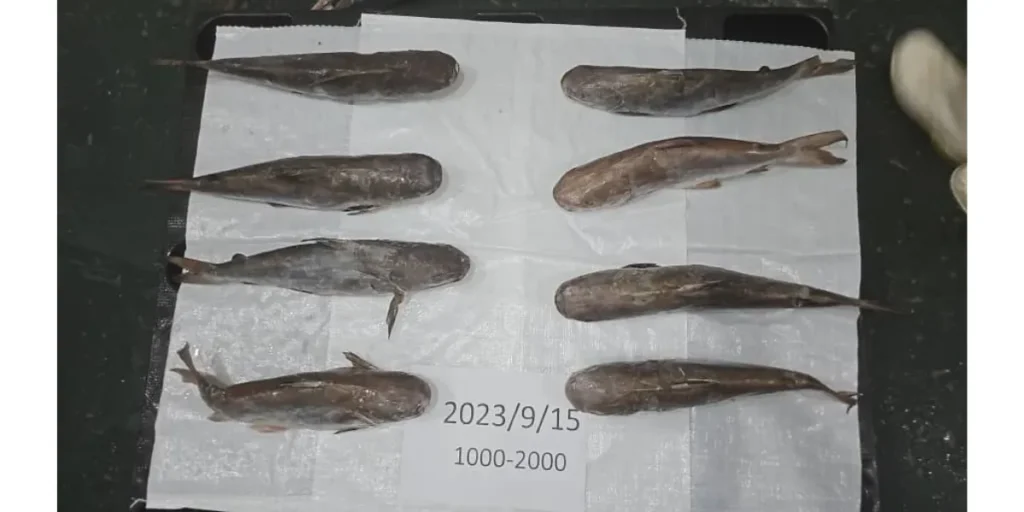
Final quality assurance acts as the last safeguard before Carangidae products leave the country, especially during the busy Carangidae fishing season Iran. At this stage, inspectors verify sensory attributes one more time, checking for uniform color, intact skin, absence of bruises, and clean gill surfaces. Any deviations are recorded, and non-compliant batches are separated to prevent cross-mixing.
Temperature checks are performed again to confirm cold chain integrity, followed by documentation review. Inspectors compare batch labels with catch certificates, laboratory test results, and handling logs to ensure full regulatory alignment. Many facilities also conduct random microbiological swabs to confirm that storage areas remain sanitary.
Compliance verification is particularly important during high-volume export periods. International regulations change frequently, and staying updated helps exporters avoid costly rejections. The Carangidae fishing season Iran often overlaps with increased global demand, making it essential for exporters to double-check every detail before loading containers.
This final step completes the quality control cycle, ensuring that every shipment meets the expectations of buyers and regulators. By maintaining strict oversight during the last phase, exporters protect their brand reputation and solidify long-term trade partnerships.
Conclusion
In the end, the strength of any export operation depends on the discipline and precision behind its quality systems, and Carangidae quality control is no exception. These fish species are in high demand worldwide, yet they are also highly sensitive to temperature fluctuations, handling errors, and delays in inspection. That’s why exporters who take the time to establish clear workflows—scientific pre-harvest protocols, structured receiving inspections, microbiological testing, and strict cold-chain continuity—are the ones who consistently deliver products that stand out in international markets.
A reliable Carangidae quality control framework does more than safeguard the product; it protects your reputation. Buyers want assurance that every fillet or whole fish aligns with international food safety standards. They expect transparency in documentation, accuracy in labeling, and a product that arrives in the same condition it left your facility. When all these elements work together, the result is a streamlined export process with fewer rejections, lower financial risk, and stronger professional partnerships abroad.
If your goal is to elevate your export operations and earn the confidence of competitive markets, investing in high-level Carangidae quality control is not just recommended—it’s a strategic necessity.
FAQ
1. Why is the Carangidae fishing season Iran important for exporters?
Because seasonal changes affect temperature, freshness, and catch volume, making it essential for planning harvest, processing capacity, and export scheduling.
2. What factors influence Carangidae quality during harvest?
Handling speed, chilling methods, water temperature, and hygiene practices all directly impact freshness and safety.
3. How do exporters control histamine levels in Carangidae?
By rapid chilling, strict temperature monitoring, and laboratory testing using ELISA or HPLC.
4. Why is cold chain integrity critical?
Any rise in temperature accelerates spoilage and can lead to shipment rejection by international authorities.
5. What documents are required for exporting Carangidae?
Health certificates, catch certificates, HACCP documents, and accurate batch labeling are typically mandatory.


