Iran Carangidae export has emerged as one of the most competitive and reliable options for international seafood buyers—a fact that many importers are only now beginning to fully recognize. What makes this development particularly important is the unique combination of biological quality, geographic advantage, and growing processing capacity that Iran offers. Carangidae species sourced from the Persian Gulf and the Gulf of Oman benefit from warm, nutrient-rich waters that naturally support fast growth, firm flesh texture, and desirable fat composition—traits highly valued in global markets. At the same time, Iran has significantly expanded its cold-chain infrastructure and quality-control systems, making its supply of Carangidae more consistent and export-ready than ever before. For businesses seeking a dependable alternative to crowded Asian supply chains, Iran Carangidae export provides a strategic edge backed by science, geography, and market demand. If you want to understand why this sector is gaining global traction, read on.
Why Iranian Carangidae Are Gaining Attention in Global Seafood Markets
Growing global demand for versatile marine species has placed Iran Carangidae export in a strategic position, especially as international buyers look for reliable alternatives to saturated Asian markets. Over the last decade, attention has shifted toward regions that combine strong biological resources with evolving export infrastructure, and Iran fits firmly into this category. Companies such as Pishva Holding, which operate across fisheries, cold-chain logistics, and value-added seafood processing, have played a significant role in shaping Iran’s presence in global seafood markets. Their investments in storage facilities, quality monitoring, and market development have helped bring Iranian Carangidae to the attention of buyers across Europe, the Middle East, and East Asia.
The growing interest is also tied to the natural qualities of Carangidae species found in the Persian Gulf and the Gulf of Oman. These warm, nutrient-rich waters support conditions that produce firm-textured, high-yield fish that perform well in both fresh and frozen segments. Markets that rely on consistent supply for fillets, steaks, canned goods, and ready-to-cook products increasingly view Iran Carangidae export as a stable and cost-effective option.
Furthermore, international seafood buyers have become more sensitive to logistics efficiency. Iran’s geographical positioning—situated between Asia, Europe, and Africa—enables exporters to reduce transit time while maintaining freshness. As freight costs continue to fluctuate globally, this advantage carries even greater weight. Combined with Iran’s improving regulatory frameworks, certifications, and traceability systems, the country is gaining recognition as an origin capable of delivering both value and quality.
In short, the rising profile of Iranian Carangidae is not accidental. It is the direct result of biological strength, strategic geography, and growing industry professionalism. For importers seeking dependable supply and competitive pricing, following the developments in Iran Carangidae export has become increasingly worthwhile.
How Iran’s Marine Ecosystems Create Ideal Conditions for High-Quality Carangidae
The ecological landscape of Iran’s southern waters forms a natural foundation for producing premium Carangidae species, making Iran Carangidae export highly appealing to international markets. The Persian Gulf and the Gulf of Oman—two distinct but interconnected marine ecosystems—offer environmental conditions that shape the growth, texture, and nutritional value of Iranian Carangidae. Their relatively shallow depths, warm temperatures, and oxygen-rich currents encourage steady metabolic rates in fish, resulting in firm flesh and higher fillet yield.
These ecosystems also benefit from a unique combination of salinity and seasonal upwelling, which contributes to a diverse planktonic base. Because Carangidae are fast-swimming pelagic fish, they thrive in regions where prey is abundant and water temperatures remain stable throughout the year. As a result, Iranian Carangidae often display desirable fat distribution, consistent muscle quality, and a clean flavor profile—attributes valued by processors and retailers alike.
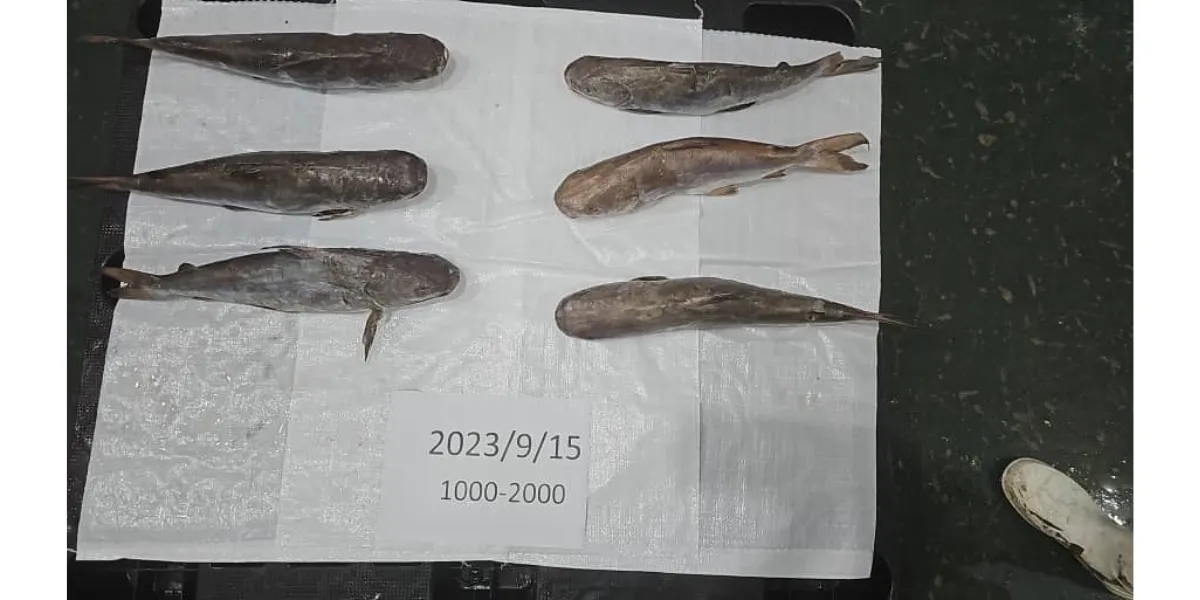
Another critical factor is the biodiversity across these marine environments. Iran’s waters host several commercially attractive Carangidae species, including jacks, trevallies, and scads. This diversity gives buyers more options when sourcing fish for different product categories such as whole round, gutted, filleted, or value-added items.
Environmental stability also supports predictable harvesting patterns. Unlike fisheries affected by monsoons or extreme seasonal fluctuations, Iranian waters allow for longer fishing periods during the year. This contributes to a more stable supply chain, increasing buyer confidence in Iran Carangidae export reliability.
Moreover, Iranian researchers continue to study stock structure, migration behavior, and population dynamics, helping fisheries manage resources responsibly. These science-driven insights strengthen long-term sustainability—a factor increasingly scrutinized in modern seafood procurement.
Altogether, Iran’s marine ecosystems naturally produce high-quality Carangidae that perform well in global markets. The combination of biology, environment, and scientific monitoring makes Iran a strong competitor for buyers seeking consistent supply and premium texture.
Scientific Advantages of Carangidae Species Harvested in the Persian Gulf and Gulf of Oman
Carangidae species harvested from Iran’s southern waters offer several scientifically recognized advantages that contribute to the growing visibility of Iran Carangidae export. These benefits stem from biological traits, environmental interactions, and harvesting techniques refined through regional expertise. One of the key strengths lies in the growth efficiency of these species. Carangidae naturally exhibit rapid growth and strong feed conversion performance, which results in steady biomass accumulation and makes them suitable for high-demand supply chains.
Another scientific advantage is the structural integrity of their muscle tissue. The warm waters of the Persian Gulf and the Gulf of Oman encourage active swimming patterns. This activity contributes to a firmer flesh texture, which holds up well during processing, freezing, and transportation. Such characteristics align with international expectations for Carangidae quality standards, including moisture retention, low drip loss, and stable color after thawing.
Additionally, Carangidae from Iranian waters often show favorable nutritional composition. They typically contain balanced levels of omega-3 fatty acids, lean protein, and essential minerals—attributes that enhance their profile in retail and foodservice markets focused on health-conscious consumers.
Scientific studies conducted by regional marine institutes also emphasize the resilience of these species. Their adaptability to varying salinity levels and oxygen concentrations supports broader harvesting zones and reduces supply interruptions due to short-term environmental fluctuations. For importers, this translates to more reliable procurement cycles within the Iran Carangidae export sector.
Furthermore, ongoing research into stock dynamics, age determination, and reproductive cycles allows Iranian fisheries to establish more informed management strategies. By aligning harvesting seasons with biological patterns, Iran enhances product quality while maintaining responsible fishing practices.
Altogether, the scientific advantages of Carangidae harvested from the Persian Gulf and the Gulf of Oman showcase why these species continue to stand out. They combine biological robustness, desirable texture, and nutritional value—qualities that reinforce their competitive position in global seafood markets.
Competitive Pricing and Supply Stability: Key Strengths of Iran’s Carangidae Exports
For many international buyers, cost efficiency and supply reliability are two of the most influential factors when selecting a seafood source. Iran Carangidae export stands out precisely because it delivers strength in both areas. Iran’s position as a regional fishing hub, combined with lower comparative labor and operational costs, allows exporters to offer highly competitive pricing without compromising on product integrity.
One significant contributor to cost efficiency is proximity to major consumer markets. Reduced shipping distances to Europe, the Middle East, and West Asia lower transportation expenses and minimize cold-chain risks. This geographic advantage is further supported by modern logistics infrastructure, including refrigerated transport, advanced freezing technologies, and improvements in Carangidae export packaging. Better packaging practices help maintain product quality during extended handling and ensure that fish arrive in prime condition.
Supply stability is another notable strength. Iran’s southern waters support year-round fishing activities for several Carangidae species, allowing exporters to maintain consistent availability. While environmental factors always influence fisheries, the Persian Gulf and Gulf of Oman are generally less volatile compared with regions exposed to strong monsoon systems or extreme seasonal variations.
Additionally, domestic investments in aquaculture research and processing technologies complement wild catch supply. As Iranian stakeholders continue to expand cold storage capacity, improve handling protocols, and adopt digital tracking tools, global buyers gain more confidence in long-term cooperation.
For emerging markets seeking dependable mid-range seafood options, Iran Carangidae export provides an opportunity to balance affordability with quality. The combination of cost-effective production, reliable sourcing, and strong logistics performance ensures that buyers can manage their budgets while maintaining product standards.
In an increasingly competitive global seafood environment, these advantages position Iran as a strategic supplier capable of meeting diverse commercial needs with stability and efficiency.
Quality Assurance, Food Safety, and Traceability in Iran’s Carangidae Industry
The strength of Iran Carangidae export is increasingly defined by advancements in quality assurance and traceability systems that bring the country’s seafood industry closer to international expectations. Over the last several years, Iranian processors have made notable improvements in adopting global quality frameworks such as HACCP, ISO standards, and region-specific certifications required by markets like the EU or the GCC. These standards guide the entire processing chain—from landing and transportation to grading, freezing, and packaging.
A key factor supporting quality assurance is the modernization of seafood facilities across southern Iran. Plants equipped with automated sorting lines, rapid-chill systems, and temperature-monitoring tools ensure that Carangidae maintain optimal freshness from the moment they leave the water. Enhanced hygiene protocols, routine laboratory testing, and microbiological screening further strengthen compliance with international food safety benchmarks.
Traceability has also become a central priority. Exporters increasingly integrate batch coding, catch documentation, and digital tracking platforms. These tools allow buyers to trace products back to fishing zones, vessels, and even specific harvest dates. Such transparency is essential for importers navigating regulatory requirements and sustainability commitments.
Moreover, Iranian producers actively invest in staff training, cold-chain auditing, and handling procedures aimed at reducing product loss and improving consistency. These steps help ensure that each shipment meets expectations for texture, flavor, and shelf life.
Taken together, these advancements show a clear upward trend. As global markets continue to emphasize accountability and consumer confidence, Iran Carangidae export is steadily aligning itself with the standards required to compete with established suppliers. The country’s progress in quality assurance and traceability strengthens its position as a trustworthy and responsible source of Carangidae for international buyers.
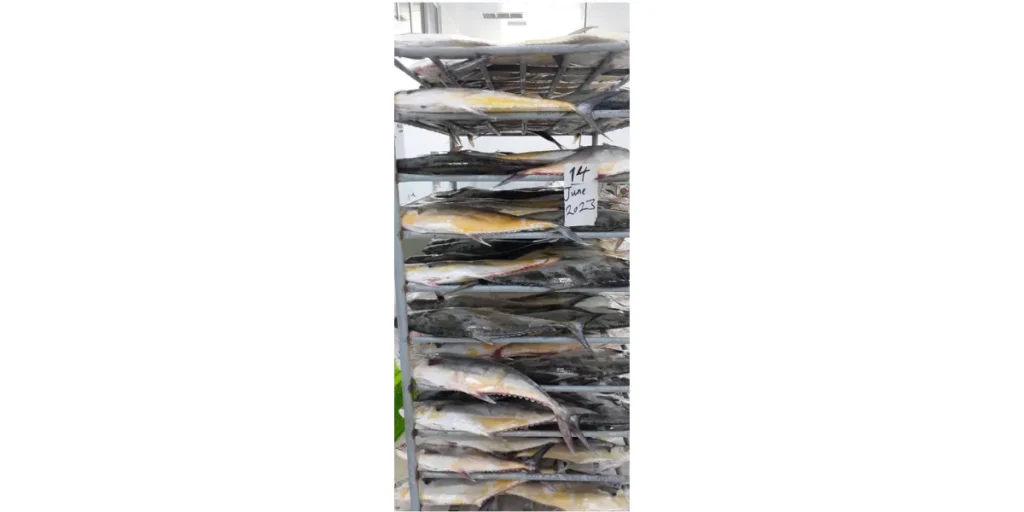
Sustainability Practices Supporting Responsible Carangidae Sourcing From Iran
Responsible sourcing has become a defining priority for global seafood buyers, and the Iran Carangidae export sector increasingly reflects this shift. Sustainability has moved from a marketing concept to a strategic requirement, and Iranian fisheries are adopting practices that align with ecological preservation while supporting long-term commercial growth.
One foundational element is the scientific assessment of Carangidae populations. Researchers monitor stock density, spawning periods, and migration behavior to guide fishing seasons and catch limits. By aligning harvest periods with biological cycles, Iranian authorities help protect reproductive capacity and maintain species resilience.
Gear selectivity improvements, such as the use of mesh sizes that reduce juvenile catch, further reduce ecological impact. Many Iranian vessels have adopted regulated gear types designed to minimize bycatch, especially of vulnerable species that share habitat zones with Carangidae.
Environmental conditions also support sustainability. Unlike heavily industrialized coastlines, significant portions of Iran’s southern marine regions remain relatively undeveloped, reducing pollution risks and habitat disruption. This natural advantage strengthens the ecological integrity of harvested fish and reinforces the credibility of Iran Carangidae export from a sustainability perspective.
In addition, processors and exporters increasingly implement waste-reduction strategies, energy-efficient cooling systems, and environmentally conscious packaging choices. These efforts not only support sustainability goals but also reduce operational costs and improve brand reputation.
International buyers increasingly rely on verifiable sustainability indicators, and Iranian exporters are responding by integrating traceability tools that document fishing locations, fishing effort, and vessel compliance. As the global seafood industry moves toward transparency, these initiatives help position Iran as a responsible and forward-thinking supplier.
Together, these measures demonstrate Iran’s commitment to balancing commercial growth with environmental stewardship. For buyers seeking dependable and ethically sourced seafood, Iran Carangidae export offers a pathway that aligns profitability with sustainability.
How Global Importers Can Leverage Iranian Carangidae for Retail, Foodservice, and Processing Markets
Global importers looking for adaptable, cost-effective, and high-quality products increasingly see Iran Carangidae export as a resource that can strengthen multiple market segments. One of the biggest advantages is the species’ versatility. Carangidae can be used in whole form, fillets, steaks, canned goods, smoked products, or marinated ready-to-cook formats. This range allows distributors to tailor their offerings according to regional preferences and customer expectations.
Retailers benefit from the consistent size grading and firm flesh texture that hold up well in frozen displays. Because the species retains moisture and structure after thawing, it performs reliably in supermarkets where shelf presentation is critical. Foodservice buyers—particularly restaurants and catering companies—value Carangidae for its mild flavor, high yield percentage, and ability to adapt to grilling, frying, baking, or steaming.
Processing companies also find strong value in Iran Carangidae export because of the predictable supply cycles and competitive pricing. Stable availability allows manufacturers to schedule production without the uncertainty associated with more volatile fisheries. Carangidae’s meat characteristics also make it suitable for portion-controlled products, value-added lines, and flavored seafood items.
Additionally, Iran’s strategic logistics position gives importers access to shorter shipping routes and fresher product deliveries. This advantage reduces freight costs and strengthens profit margins across market segments. Combined with improving quality standards, traceability systems, and modern freezing technologies, Iranian Carangidae offers buyers a reliable marine species that rivals those from traditionally dominant suppliers.
For companies seeking diversification, risk management, and consistent quality, leveraging Iran Carangidae export across retail, foodservice, and processing channels can significantly enhance competitiveness and product variety.
Conclusion: Why Iran Carangidae Export Holds Strong Potential for Global Buyers
Ultimately, the growing strength of Iran Carangidae export reflects more than just rising production numbers—it represents the alignment of natural resources, scientific research, and market-driven development. Iran’s southern waters host a diverse range of Carangidae species, many of which offer the meat quality, yield performance, and processing flexibility that international buyers actively seek. This biological advantage is reinforced by improved handling practices, modernized processing facilities, and stricter compliance with international food-safety standards. Together, these elements create a supply chain that is increasingly competitive with long-established exporters in Asia and the Americas.
Another factor driving interest in Iran Carangidae export is logistics. Iran’s strategic position allows shorter shipping routes to Europe, the Middle East, and parts of Africa—reducing transit time and helping maintain product freshness. This, combined with cost-effective sourcing, gives retailers, distributors, and processors a valuable opportunity to diversify their supply base without compromising quality.
As global demand for versatile marine species continues to rise, buyers who invest early in partnerships with Iranian suppliers stand to benefit from stable access, competitive pricing, and consistently high product standards. The momentum surrounding Iran Carangidae export is building—and now is the ideal time to take advantage of it.
FAQ
1. Why is Iran Carangidae export becoming more popular among global buyers?
Because Iran offers high-quality species, competitive pricing, reliable supply cycles, and strategic geographic access to major markets.
2. Are Carangidae from Iran considered sustainable?
Yes. Iran increasingly implements scientific stock assessments, selective gear regulations, and traceability systems that support responsible sourcing.
3. What types of buyers benefit most from Iranian Carangidae?
Retailers, foodservice distributors, seafood processors, and importers looking for affordable yet high-quality mid-range fish products.
4. Do Iranian exporters follow international quality and safety standards?
Many processors follow HACCP, ISO, and region-specific requirements, offering strong quality assurance and transparency.
5. How does the texture of Iranian Carangidae compare to other origins?
Carangidae from the Persian Gulf and Gulf of Oman often have firmer flesh and better moisture retention due to warm-water swimming activity.