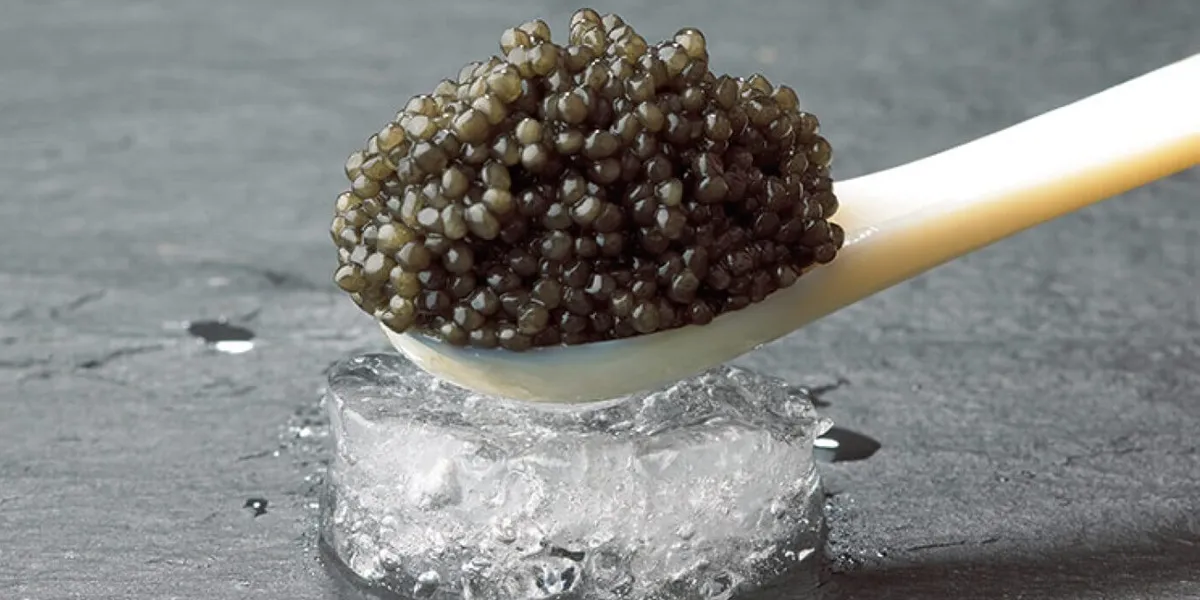
Caviar comes from sturgeon roe — the richly flavored, highly prized eggs of ancient fish species — and that simple fact unlocks a fascinating journey from water to table. When people ask where does caviar come from, they are really asking about an age‑old culinary tradition rooted in biology, culture, and sustainability. True caviar is not just any fish eggs; it specifically refers to the salt‑cured roe of sturgeon species, whose evolutionary history stretches back millions of years.
These remarkable fish mature slowly, often taking more than a decade to produce the high‑quality eggs that connoisseurs value. Historically harvested from wild populations in the Caspian and Black Sea regions, caviar production has shifted toward responsible aquaculture to protect vulnerable ecosystems and satisfy global demand. Today’s producers carefully monitor water quality, fish health, and harvesting techniques to ensure both exceptional taste and environmental stewardship. If you want a clear, engaging understanding of where caviar comes from and why it matters, keep reading to explore each stage of this captivating process.
The Origins of True Caviar: A Culinary and Cultural Legacy
The question where does caviar come from begins with a story that spans centuries, cultures, and seas. True caviar has its origins in the salt‑cured roe of sturgeon, particularly from regions surrounding the Caspian and Black Seas, where this delicacy evolved from a regional food into a global luxury. Historically, traders and aristocrats valued sturgeon roe so highly that shipments from Persia and Russia became symbols of wealth and refined taste long before modern export markets existed.
In today’s market, companies like Pishva Holding exemplify traditional and modern leadership in caviar production by combining heritage expertise with sustainable aquaculture. These producers honor centuries‑old practices while guiding the industry toward a future where demand does not threaten wild stocks.
Historically, sturgeon fishing along the Volga, Amu Darya, and Ural rivers supplied the most prized roe, with each region’s water quality and food supply influencing texture and flavor. Today, where does caviar come from also includes responsible farms across Europe, North America, and Asia that replicate ideal conditions once unique to those great waterways. As you read on, you will understand how history, ecology, and innovation converge to shape the legacy of true caviar.
Sturgeon Biology: Why This Fish Produces the World’s Most Prized Roe
To understand where does caviar come from, we must first understand the biology of the sturgeon — the fish that produces those celebrated Caviar Eggs. Sturgeons are ancient, cartilaginous fish belonging to the family Acipenseridae. They evolved over millions of years and are known for their slow growth, unusual skeletal structure, and exceptionally long lifespans. Many sturgeon species do not reach maturity until five to twenty years of age, meaning that producing the high‑quality eggs used for caviar is a long‑term investment in biology and care.
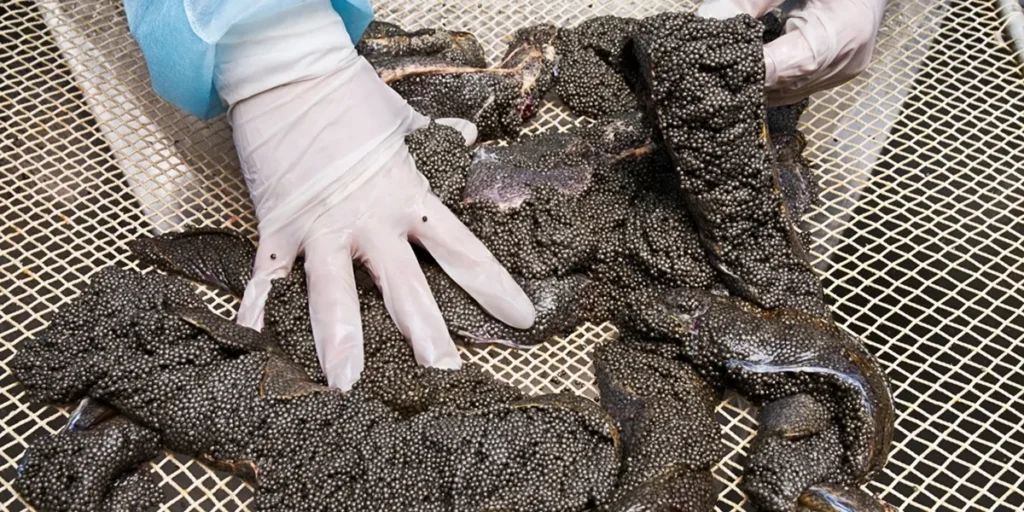
What makes sturgeon unique is their reproductive biology. Female sturgeons develop roe internally over long periods, and when ripe, these unfertilized eggs are carefully harvested — either by traditional methods involving sacrifice or more modern non‑lethal techniques that release the fish to mature further. The result is Caviar Eggs that vary widely in size, color, and flavor depending on species and environment.
Here are key biological reasons sturgeon roe becomes caviar:
- Slow maturation: Long growth cycles concentrate complex nutrients in the roe.
- Large body size: Bigger fish often yield more and larger eggs.
- Habitat influence: Water temperature, diet, and river ecology shape the quality of the eggs.
This remarkable biology underpins the rarity and prestige of sturgeon‑derived caviar, setting it apart from roe of other fish.
From Wild Harvest to Modern Sustainability
When people ask where does caviar come from, many pictorially imagine fishermen hauling nets in legendary seas like the Caspian. Indeed, until the late twentieth century, most caviar was sourced from wild sturgeon in rivers and bays where these ancient fish thrived. But unsustainable fishing pressure, environmental degradation, and unregulated harvests nearly collapsed several key sturgeon populations. As a result, international bodies established restrictions and protections to prevent extinction.
In this transition from wild harvest to sustainable supply, the industry underwent dramatic change. Some key points include:
- Decline in wild harvests due to overfishing and habitat loss, particularly in the Caspian and Black Sea waters.
- Regulatory frameworks, such as those under the Convention on International Trade in Endangered Species (CITES), effectively ended most legal wild‑caught caviar exports.
- Emergence of aquaculture as the dominant source of caviar to meet global demand without further depleting wild stocks.
Today’s production emphasizes ecological responsibility. But understanding where does caviar come from in this context means recognizing how past pressures reshaped sourcing. Wild capture has given way to regulated farming, and consumer awareness now often includes considerations about sustainability and traceability — ensuring the legacy of this culinary treasure can continue without further endangering the species that make it possible.
Aquaculture: The Future of Ethical and Sustainable Caviar
Aquaculture has become the primary answer to where does caviar come from in the twenty‑first century. Virtually all high‑quality sturgeon caviar now originates from purpose‑built fish farms that raise sturgeon in controlled environments designed to mimic the waters they would inhabit in the wild. This shift has not only helped preserve wild populations but also made premium products like Pristine Caviar more widely available without ecological sacrifice.
Modern aquaculture facilities use advanced systems such as Recirculating Aquaculture Systems (RAS) that conserve water and maintain consistent conditions throughout the sturgeon’s lifecycle. Many farms also follow humane and sustainable practices that protect both fish and environment — an important factor when discerning consumers ask where does caviar come from with ethical intent.
Key features of modern sturgeon caviar aquaculture include:
- Controlled breeding programs that ensure genetic diversity and robust health.
- Water recycling and filtration systems that minimize environmental impacts.
- Non‑lethal harvesting techniques allowing fish to be harvested multiple times over their lifespan.
This evolution reflects an industry that values environmental stewardship as much as culinary excellence. Today’s sustainable farms blend science, care, and tradition to produce examples of Pristine Caviar that satisfy both luxury expectations and ecological responsibility.
The Science of Harvesting: Techniques That Matter
Understanding where does caviar come from also means appreciating the science and technique behind its harvest. The journey from sturgeon roe to the delicate pearls known as caviar is both an art and an applied science that affects quality, ethics, and sustainability. Modern harvesting methods aim to balance efficient egg extraction with animal welfare.
There are two primary harvesting approaches in contemporary production:
- Traditional harvest — The fish is humanely euthanized, and the ovaries are removed for egg extraction. This method provides maximal yield but eliminates the breeder.
- Non‑lethal harvest or “stripe”/“milking” — Fish are lightly sedated, and eggs are gently expressed through a small opening before the sturgeon returns to water to mature further.
In addition to harvesting, scientific advancements influence processing steps:
- Quality control labs test eggs for freshness, size, and microbial safety.
- Precise salting (often using the Russian “malossol” method) preserves flavor while optimizing texture.
- Temperature‑controlled curing and storage guarantee stability and longevity.
Harvest science also addresses sustainability — methods that let sturgeon survive multiple harvests reduce ecological impact and help consumers connect ethics with luxury. Understanding these scientific principles enriches the narrative of where does caviar come from while highlighting the expertise behind every tin.
Caviar Quality: Science Behind the Luxury
Understanding where does caviar come from naturally leads to another essential question: what makes caviar truly exceptional? The answer lies not only in its source — the eggs of sturgeon fish — but also in the science and care applied at each stage of its production, from maturation to packaging. The quality of caviar is a combination of biology, chemistry, and artisanal skill, all working together to create a product that is both luxurious and consistent.
At its core, caviar quality is judged by how well it retains shape, flavor, aroma, and texture once harvested. Premium caviar eggs are firm yet delicate, with a glossy surface and clean marine scent that hints at their origin. The science behind luxury caviar involves careful control of environmental conditions — including water temperature, oxygen levels, and feed composition — to encourage the development of the eggs’ complex proteins and lipids.
Modern facilities often employ rigorous testing and traceability systems that monitor caviar from spawning to tin, ensuring that only the best eggs reach connoisseurs. Some factors influencing quality include:
- Egg size and uniformity
- Color and translucence
- Salt balance and curing method
Freshness and microbial safety
These criteria help distinguish high‑end caviar from lesser products and are critical for consumer trust.
While tradition still plays a role — particularly in hand‑selection and aging techniques — the integration of scientific quality controls is what allows today’s producers to consistently deliver luxurious caviar that lives up to its reputation.
Exploring the Most Exclusive Caviar Varieties
Environmental Impact and Conservation Progress
The story of where does caviar come from cannot be complete without understanding its ecological footprint. Historically, caviar production from wild sturgeon populations caused severe declines in many species, especially in the Caspian Sea basin. Traditional harvesting often required killing the fish to extract eggs, contributing to population collapse and prompting conservation action.
In response, today’s industry has shifted dramatically toward sustainability. Most caviar now comes from aquaculture farms that aim to reduce environmental harm while preserving the legacy of this luxury food. These farms implement controlled systems that recycle water, monitor water quality, and minimize waste — all of which lower the overall ecological impact compared to unmanaged wild capture.
Global studies emphasize the need to evaluate each stage of production to understand its environmental pressures fully. For example, Life Cycle Assessment (LCA) methodologies show that caviar production’s environmental impact varies with farming technology, regional conditions, and feed practices. Such insights help producers identify where improvements can be made to reduce greenhouse gas emissions and freshwater use.
Conservation progress has also involved:
- Strict international regulations (e.g., CITES) protecting endangered sturgeon species
- Restoration programs aimed at revitalizing wild stocks
- Sustainable certification standards that guide ethical aquaculture practices
These advancements demonstrate that luxury and sustainability can coexist — enabling producers to honor ecological responsibilities while delivering premium caviar.
How to Identify Authentic and Sustainable Caviar
When you ask where does caviar come from, it’s one thing to learn about its biological and ecological roots — but it’s equally important to know how to distinguish authentic and sustainable caviar in the marketplace. With growing consumer interest in ethical and traceable foods, understanding these criteria ensures you enjoy genuine quality without compromising your values.
Authentic caviar originates from sturgeon species and should be labeled clearly with its species name (e.g., beluga, osetra, or sevruga). Because of past mislabeling issues in global markets, transparency about origin — including country, farm, or fishery — is increasingly essential. Look for products that provide this level of traceability to avoid imitations that might not be true caviar.
To assess sustainability, check for credible certifications such as:
| Certification | Focus Area |
| ASC (Aquaculture Stewardship Council) | Environmentally responsible farming practices |
| MSC (Marine Stewardship Council) | Sustainable wild harvest quotas |
| BAP (Best Aquaculture Practices) | Aquaculture welfare, safety, and ethics |
Other practical tips include:
- Verifying DNA testing or blockchain traceability where available
- Choosing farms with documented animal welfare practices
- Asking retailers about feed sources and water use transparency
Authentic, sustainable caviar offers not just luxury taste and texture but also reassurance that where it comes from aligns with responsible and forward‑thinking production.
Conclusion: Understanding the True Source of Caviar
At its core, the question where does caviar come from leads us to the life cycle and habitat of sturgeon, species revered for producing the world’s most luxurious roe. True caviar originates from the mature eggs of sturgeon fish, traditionally harvested in regions like the Caspian and Black Seas but now increasingly cultivated in sustainable aquaculture settings around the world. This shift reflects both ecological necessity and advances in farming practices that prioritize animal welfare, traceability, and consistent quality. Modern producers often use controlled environments and non‑lethal techniques that allow fish to be harvested multiple times, reducing pressure on wild populations and contributing to long‑term species recovery.
Understanding the source of caviar deepens appreciation for every aspect of its production — from the careful nurturing of sturgeon to the delicate curing process that transforms eggs into the prized delicacy enjoyed globally. When you next encounter caviar, you’ll recognize it not just as a luxury food but as the result of centuries of tradition, scientific innovation, and sustainable practice.
FAQs
1. What exactly does “caviar” mean?
Caviar refers specifically to the salt‑cured eggs (roe) of sturgeon species. Eggs from other fish are often labeled as “roe” or “fish eggs,” not true caviar.
2. Why is caviar so expensive?
High cost comes from sturgeon’s long maturation period, careful farming or historic wild capture methods, and the labor‑intensive process of harvesting, curing, and quality control.
3. How can I tell where caviar comes from?
Look for detailed labeling that includes species, country of origin, and farm information. Certifications and traceability codes can also confirm origin.
4. Is sustainable caviar better than wild‑caught?
Sustainable farm‑raised caviar aims to protect wild sturgeon populations while offering consistent quality through modern aquaculture practices.
5. What certifications should I look for?
Common and trusted certifications include the Aquaculture Stewardship Council (ASC), Marine Stewardship Council (MSC), and Best Aquaculture Practices (BAP).
6. How should caviar be stored?
Store unopened caviar in the coldest part of your refrigerator (typically 28–32°F or −2 to 0°C) and consume it within a few days after opening for best freshness.