Healthy, productive poultry starts with a balanced diet that provides the right vitamins in the right amounts. Vitamins in poultry diets support essential functions, including bone development, energy metabolism, immune response, reproduction, and overall growth. Even when feed contains enough protein and energy, an inadequate vitamin supply can affect feed efficiency, flock uniformity, egg production, and hatchability.
However, successful vitamin supplementation involves more than adding a premix to feed. Poultry vitamin requirements vary with species, age, production stage, feed intake, and environmental conditions. Vitamin stability also matters because heat, moisture, oxygen, and prolonged storage can reduce the amount available to birds. Both deficiencies and excessive supplementation can create nutritional problems and increase production costs.
To achieve consistent results, poultry producers should formulate diets according to established nutritional recommendations, select reliable vitamin sources, and monitor flock performance. Understanding the role of each vitamin also helps identify potential deficiencies and make informed feeding decisions. Read on to explore poultry vitamin requirements, effective supplementation methods, and practical strategies for maintaining flock health and productivity.
Why Vitamins Are Essential for Poultry Growth and Productivity
Vitamins play a vital role in poultry nutrition because they support normal growth, immune function, bone development, reproduction, and efficient nutrient utilization. Even when poultry feed contains sufficient energy, protein, and amino acids, an inadequate vitamin supply can reduce flock performance. Birds may grow more slowly, use feed less efficiently, or experience reproductive problems. In laying hens, vitamin deficiencies can also affect egg production and shell quality, depending on the nutrient involved.
The importance of vitamins in poultry diets extends beyond preventing visible deficiency symptoms. Some nutritional problems develop gradually, making them difficult to identify through observation alone. Maintaining an appropriate vitamin supply helps support consistent growth and production throughout the flock’s life cycle.
Several factors influence how effectively birds use dietary vitamins, including feed quality, environmental temperature, disease pressure, and feed intake. During heat stress, for example, reduced feed consumption can lower the daily intake of essential nutrients. Poultry producers should therefore consider the complete diet and the birds’ condition before adjusting supplementation levels.
For businesses involved in agricultural supply chains, reliable sourcing is also important. Pishva Holding provides a relevant starting point for exploring agricultural supply services and products.
To maintain flock performance, producers should focus on these practical priorities:
- Formulate diets according to the birds’ species, age, and production purpose.
- Use a suitable vitamin premix with clearly specified nutrient concentrations.
- Store feed and supplements under appropriate conditions.
- Monitor feed intake, body weight, egg production, and other performance indicators.
A consistent, evidence-based feeding program helps poultry producers maintain nutritional balance while avoiding unnecessary supplementation costs.
Fat-Soluble vs. Water-Soluble Vitamins: Key Differences in Poultry Nutrition
Understanding the difference between fat-soluble and water-soluble vitamins helps poultry producers make better decisions about feed formulation, supplementation, and storage. These two groups differ in how they are absorbed, stored, and used by the bird. Both are essential, but their nutritional characteristics influence how deficiencies and excessive intake should be managed.
Fat-soluble vitamins include vitamins A, D, E, and K. Their absorption is associated with dietary fat and normal fat digestion. Some can be stored in body tissues, particularly the liver, so excessive long-term intake may increase the risk of adverse effects. Each vitamin has a distinct function: vitamin A supports vision and epithelial tissues, vitamin D regulates calcium and phosphorus metabolism, vitamin E protects cells against oxidative damage, and vitamin K contributes to normal blood clotting.
Water-soluble vitamins include the B-complex vitamins, such as riboflavin, niacin, thiamine, pyridoxine, folate, biotin, pantothenic acid, and vitamin B12. They contribute to energy metabolism, nervous system function, blood cell formation, and other essential processes. Although many water-soluble vitamins are not stored in large amounts, their requirements still need to be met regularly through the diet.
| Vitamin group | Main vitamins | Key nutritional considerations |
| Fat-soluble | A, D, E, K | Absorption depends on fat digestion; excessive intake can be harmful. |
| Water-soluble | B-complex vitamins | Regular dietary supply supports metabolism and normal physiological function. |
In practice, the two groups should be supplied in appropriate amounts rather than treated as interchangeable supplements. Feed formulation, product stability, and correct inclusion rates all affect the final nutrient supply. When sourcing specialized feed ingredients across international markets, Specialized Import Services is a relevant service category to consider.
Poultry Vitamin Requirements: How Much Does Each Bird Need?
The amount of vitamins poultry need depends on several factors, including species, age, genetics, production stage, feed intake, and the composition of the basal diet. Broilers, laying hens, and breeder birds have different nutritional priorities, so applying one vitamin specification to every flock can result in inadequate or excessive supplementation.
For example, growing broilers require an appropriate supply of vitamins to support tissue development and skeletal growth. Laying hens need balanced nutrition to sustain egg production and shell formation, while breeder birds require suitable vitamin levels to support fertility and hatchability. These differences should be reflected in the formulation of complete feed.
Vitamin requirements are generally expressed as concentrations in the finished diet. Depending on the nutrient, the appropriate unit may be international units (IU), milligrams (mg), or micrograms (µg) per kilogram of feed. However, the concentration in a premix is not the same as the required concentration in the complete diet.
Before determining a supplementation rate, nutritionists should consider:
- The bird’s species, age, and production purpose.
- Expected daily feed intake.
- Vitamins already supplied by feed ingredients and existing premixes.
- Processing and storage losses that may reduce vitamin activity.
- The manufacturer’s inclusion instructions and the nutrient concentration of the product.
For example, if a diet already provides part of a vitamin’s required concentration, the additional amount should be calculated from the remaining nutritional requirement rather than added without adjustment.
Accurate calculations also depend on correct feed formulation, ingredient documentation, and product specifications. Import documentation and Customs Clearance may be relevant when vitamin premixes or feed ingredients are sourced internationally.
There is no single dosage that suits every poultry operation. The safest and most effective approach is to follow appropriate species-specific recommendations, account for the complete diet, and review supplementation when production conditions change.
Vitamin Requirements at Different Poultry Life Stages
Poultry vitamin requirements change throughout the production cycle because birds experience different rates of growth, physiological development, and reproductive activity. A feeding program that works well for mature laying hens may not provide the appropriate nutrient balance for newly hatched chicks or rapidly growing broilers. Phase-specific formulation helps meet these changing needs without unnecessary supplementation.
Starter phase: Newly hatched chicks need an adequate vitamin supply to support early growth, skeletal development, metabolism, and normal immune function. Because their feed intake is relatively low, the nutrient concentration of the starter diet must be carefully formulated.
Grower and finisher phases: As broilers grow, their feed intake and nutrient requirements change. Vitamin concentrations should remain appropriate for the production phase, expected performance, and overall dietary composition. Feed intake should be monitored because birds that consume less feed may receive fewer vitamins each day.
Pullet and laying phases: Pullets require balanced nutrition during development before entering production. Once hens begin laying, vitamin nutrition must support continued egg production, reproductive function, and normal calcium metabolism. Vitamin D is particularly important for calcium utilization and skeletal health.
Breeder phase: Breeder hens and roosters need suitable vitamin nutrition to support reproductive performance. Inadequate intake of certain vitamins can affect fertility, hatchability, and embryonic development.
Other poultry species, including turkeys and ducks, may have different requirements from chickens. Their diets should therefore be formulated using recommendations appropriate to the species.
When evaluating supplementation options, producers should check that products match the intended species and production stage. The product specifications and recommended inclusion rate are particularly important when selecting Buy Feed Vitamins for Livestock and Poultry.
Ultimately, adjusting vitamin nutrition to the bird’s life stage supports more consistent performance. Regularly reviewing feed intake, growth, egg production, and reproductive outcomes can help identify when a nutritional assessment is needed.
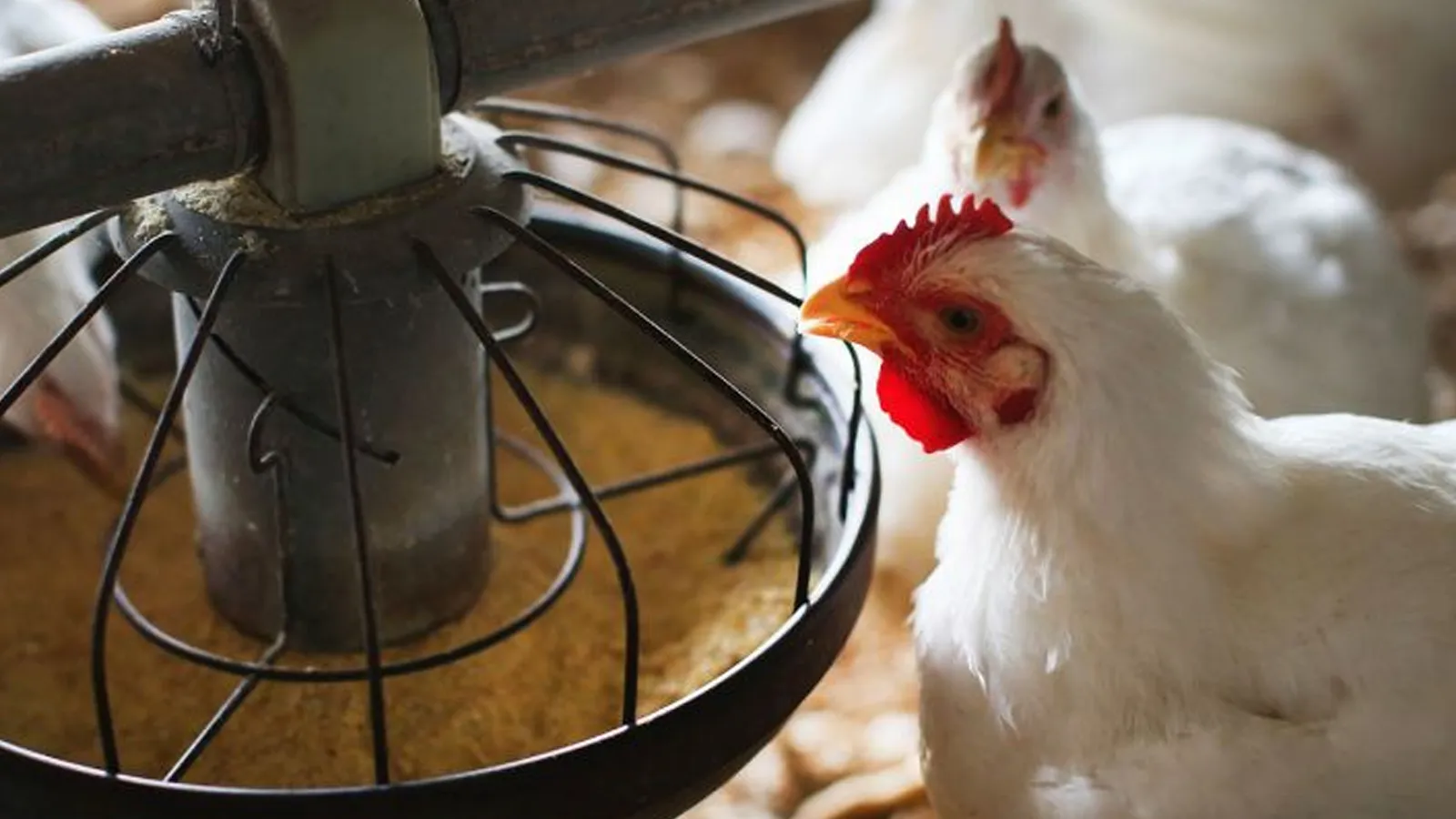
What Happens When Poultry Do Not Get Enough Vitamins?
Vitamin deficiencies can affect poultry growth, health, and productivity long before obvious symptoms appear. When birds do not receive enough of a particular vitamin, the effects depend on the nutrient involved, the severity of the deficiency, and how long the problem continues. Poor growth, reduced feed efficiency, skeletal abnormalities, and reproductive problems are among the possible consequences.
Different vitamins produce different deficiency signs. Vitamin A deficiency can damage epithelial tissues and affect vision. Inadequate vitamin D can interfere with calcium and phosphorus metabolism, contributing to rickets in young birds and poor bone mineralization in adults. Vitamin E deficiency may cause neurological or muscular disorders, while insufficient vitamin K can impair blood clotting. Deficiencies of B-complex vitamins may affect energy metabolism, nerve function, feather development, and leg health.
However, these symptoms are not exclusive to vitamin deficiencies. Similar problems can arise from infectious diseases, mineral imbalances, poor feed quality, or unsuitable management conditions. Producers should investigate the underlying cause before changing the diet.
Several practical steps can help identify potential nutritional problems:
- Review the feed formulation and confirm that the vitamin premix was added at the correct rate.
- Check feed storage conditions and the product’s shelf life.
- Monitor feed intake, growth rate, mortality, and production performance.
- Seek veterinary or poultry nutrition advice when deficiency is suspected.
A balanced supply of vitamins in poultry diets helps prevent nutritional gaps and supports consistent flock performance. Early investigation is particularly important when several birds show similar symptoms or production declines unexpectedly.
Natural Vitamin Sources vs. Commercial Vitamin Supplements
Poultry feed ingredients can provide some vitamins naturally, but their contribution varies depending on ingredient type, processing conditions, and storage. Corn, soybean meal, cereal grains, and other feed ingredients contribute different amounts of vitamins to the finished diet. However, natural vitamin content alone may not consistently meet the nutritional requirements of fast-growing broilers, laying hens, or breeder birds.
Commercial vitamin supplements help nutritionists maintain a more predictable vitamin supply. They are commonly included in premixes designed for specific poultry species and production stages. The appropriate formulation depends on the nutrients already present in the basal diet and the concentrations required in the complete feed.
| Factor | Natural vitamin sources | Commercial vitamin supplements |
| Nutrient content | Varies among ingredients and batches | Declared concentrations support accurate formulation |
| Availability | Depends on the vitamin and feed ingredient | Depends on the vitamin form and product quality |
| Formulation | Requires reliable ingredient data | Allows targeted adjustment of vitamin levels |
| Stability | Affected by processing and storage | Depends on formulation, packaging, and storage conditions |
Natural sources remain valuable components of a balanced feeding program, but they should not automatically be treated as a complete replacement for a properly formulated vitamin premix. Some vitamins may be present in ingredients but have limited availability to birds.
When selecting supplements, producers should check product specifications, recommended inclusion rates, shelf life, and compatibility with the feed formulation. The objective is to meet nutritional requirements consistently without unnecessary supplementation.
Methods of Vitamin Supplementation in Poultry Diets
Choosing the right delivery method helps ensure that poultry receive the intended amount of each vitamin. The most suitable approach depends on the bird’s nutritional requirements, feed intake, production stage, and the characteristics of the supplement. In commercial production, vitamins are usually incorporated into complete feed, although drinking-water supplementation may be appropriate in certain situations.
Vitamin premixes in complete feed
This is a common method of providing vitamins to poultry. A premix is incorporated into the feed formulation to achieve the required nutrient concentrations. Accurate weighing, appropriate mixing time, and uniform distribution are essential because vitamins are added in relatively small quantities.
Supplementation through drinking water
Water-soluble vitamin products may be used when additional supplementation is justified, such as during periods of reduced feed intake or particular environmental challenges. Producers should follow the product label, calculate the intended concentration carefully, and ensure that water delivery equipment remains clean. Water treatments and incompatible products may affect stability or availability.
Targeted supplementation during challenging conditions
Heat stress, disease, and changes in feed intake can influence nutrient consumption and utilization. However, additional vitamins should not automatically be given whenever birds experience stress. The underlying problem, the existing diet, and the specific product should be evaluated first.
Regardless of the method, consider these practical precautions:
- Confirm that the product is formulated for the intended poultry species.
- Follow the manufacturer’s mixing and dosage instructions.
- Avoid combining multiple products without checking their total vitamin contribution.
- Monitor feed and water intake to identify potential delivery problems.
An effective supplementation program focuses on consistent nutrient intake rather than simply increasing the amount added.
How to Calculate Vitamin Supplementation Rates Accurately
Accurate supplementation calculations help prevent nutritional shortfalls, excessive inclusion rates, and unnecessary feed costs. The first step is to distinguish between the vitamin concentration required in the finished feed and the concentration provided by the commercial premix. These values are not interchangeable.
Before calculating an inclusion rate, check the product label for the vitamin concentration, units of measurement, and recommended dosage. Then determine how much of the required vitamin is already supplied by the basal diet and any other supplements.
Consider a hypothetical example in which a nutritionist needs to add 10 mg of a particular vitamin per kilogram of finished feed. The selected premix contains 1,000 mg of that vitamin per kilogram of premix.
The calculation is:
Premixrequired(kg/ton)=Requiredvitamin(mg/kgfeed)1000Vitaminconcentration(mg/kgpremix)
Using the example:
1010001000=10kg/ton
Therefore, 10 kg of this hypothetical premix would supply the specified 10 mg/kg vitamin concentration, assuming no other sources contribute to the vitamin level.
In a real formulation, the nutritionist must account for the vitamin already present in the diet and check whether the calculated inclusion rate complies with the manufacturer’s instructions. If the premix contains several vitamins, the inclusion rate must also meet the requirements for the other nutrients in the product.
Finally, verify the batch weight, measurement units, and mixing procedure before production. Vitamins in poultry diets should be formulated using accurate specifications and appropriate nutrient recommendations, not estimates based solely on product names or general feeding advice.
How Feed Processing and Storage Affect Vitamin Stability
A correctly formulated poultry diet may still deliver less vitamin activity than expected if the premix or finished feed is exposed to unsuitable processing or storage conditions. Vitamins differ in their sensitivity to heat, moisture, oxygen, light, and interactions with other feed components. As a result, vitamin stability should be considered throughout feed manufacturing, transportation, and storage.
Pelleting is particularly important because the process exposes feed to heat, moisture, and mechanical pressure. The extent of vitamin loss depends on the vitamin form, product formulation, processing conditions, and duration of exposure. Stabilized vitamin preparations can help reduce losses, but they do not eliminate the need for appropriate handling.
Storage conditions also influence vitamin retention. High humidity, elevated temperatures, and prolonged storage can accelerate degradation in susceptible products. Contact with certain trace minerals and other compounds may further affect stability, particularly in premixes.
To protect vitamin quality, poultry producers and feed manufacturers should follow these practices:
- Store premixes in a cool, dry place away from direct sunlight.
- Keep packaging sealed to limit exposure to air and moisture.
- Follow the manufacturer’s storage instructions and expiration dates.
- Use stock rotation to avoid keeping premixes in storage longer than recommended.
- Evaluate vitamin retention when processing conditions are likely to cause substantial losses.
The following table summarizes the main risks and practical responses.
| Risk factor | Practical response |
| High temperature | Control storage temperatures and review pelleting conditions. |
| Moisture | Keep products dry and packaging properly sealed. |
| Oxygen and light | Use suitable packaging and limit unnecessary exposure. |
| Prolonged storage | Follow shelf-life guidance and rotate stock. |
| Processing losses | Select suitable stabilized forms and verify retention when necessary. |
Ultimately, maintaining vitamin stability helps preserve the nutritional value of poultry feed and supports consistent supplementation. Proper formulation must be accompanied by good storage and manufacturing practices to ensure that birds receive the intended nutrient supply.
Can Poultry Receive Too Many Vitamins? Understanding the Risks of Over-Supplementation
Although vitamins are essential for poultry health, providing more than the required amount does not necessarily improve growth, egg production, or feed efficiency. Excessive supplementation can increase feed costs and, depending on the vitamin and dose, create health risks. Maintaining the right balance is therefore just as important as preventing deficiencies.
Fat-soluble vitamins A, D, E, and K require particular attention because some can accumulate in body tissues. Excessive vitamin D, for example, can disrupt calcium metabolism and contribute to abnormal mineral deposition. Excessive vitamin A may interfere with normal nutrient utilization and bone development. The risks depend on the amount consumed, exposure duration, bird species, and other dietary factors.
Water-soluble vitamins are generally less likely to accumulate extensively, but excessive intake should not be considered harmless. High supplementation levels may be unnecessary, increase production costs, and sometimes interfere with nutritional balance.
Over-supplementation can occur when producers combine a complete-feed premix with additional vitamin products without calculating the total intake. To prevent this problem:
- Review the vitamin concentrations in the complete feed and all supplements.
- Follow product labels and species-specific feeding recommendations.
- Avoid increasing dosages without identifying a nutritional need.
- Check whether the supplement is intended for routine feeding or short-term use.
- Consult a poultry nutritionist or veterinarian when higher supplementation levels are being considered.
A well-managed program provides vitamins in poultry diets at appropriate concentrations rather than relying on excessive doses. Regular formulation reviews help maintain bird health while avoiding unnecessary expenses.
How to Select a High-Quality Poultry Vitamin Premix
Choosing a suitable vitamin premix is an important part of poultry feed formulation. A good product should supply the intended nutrients at reliable concentrations, remain sufficiently stable under expected handling conditions, and suit the birds’ nutritional requirements. The lowest-priced product is not always the most economical choice if its stability, composition, or handling characteristics are unsuitable.
Before purchasing a premix, check the label and technical documentation. These should identify the vitamins included, their declared concentrations, recommended inclusion rates, storage conditions, and shelf life. The formulation must also be appropriate for the intended species and production stage, whether broilers, laying hens, pullets, or breeder birds.
Several factors deserve attention when comparing products:
- Nutrient composition: Confirm that the premix provides the vitamins required by the feed formulation.
- Stability: Check whether the vitamin forms are suitable for the intended feed manufacturing process.
- Quality assurance: Look for consistent specifications, batch identification, and appropriate quality-control procedures.
- Compatibility: Ensure the product is suitable for use with the other ingredients in the feed or premix.
- Storage and shelf life: Verify that the product can be stored under the conditions available at the facility.
- Technical support: Choose suppliers that can provide clear product specifications and guidance on correct use.
It is also important to distinguish a concentrated premix from a complete vitamin supplement intended for direct use. Their inclusion rates can differ considerably.
Ultimately, the best poultry vitamin premix is one that meets the formulation requirements, delivers consistent quality, and can be handled correctly throughout storage and feed production.
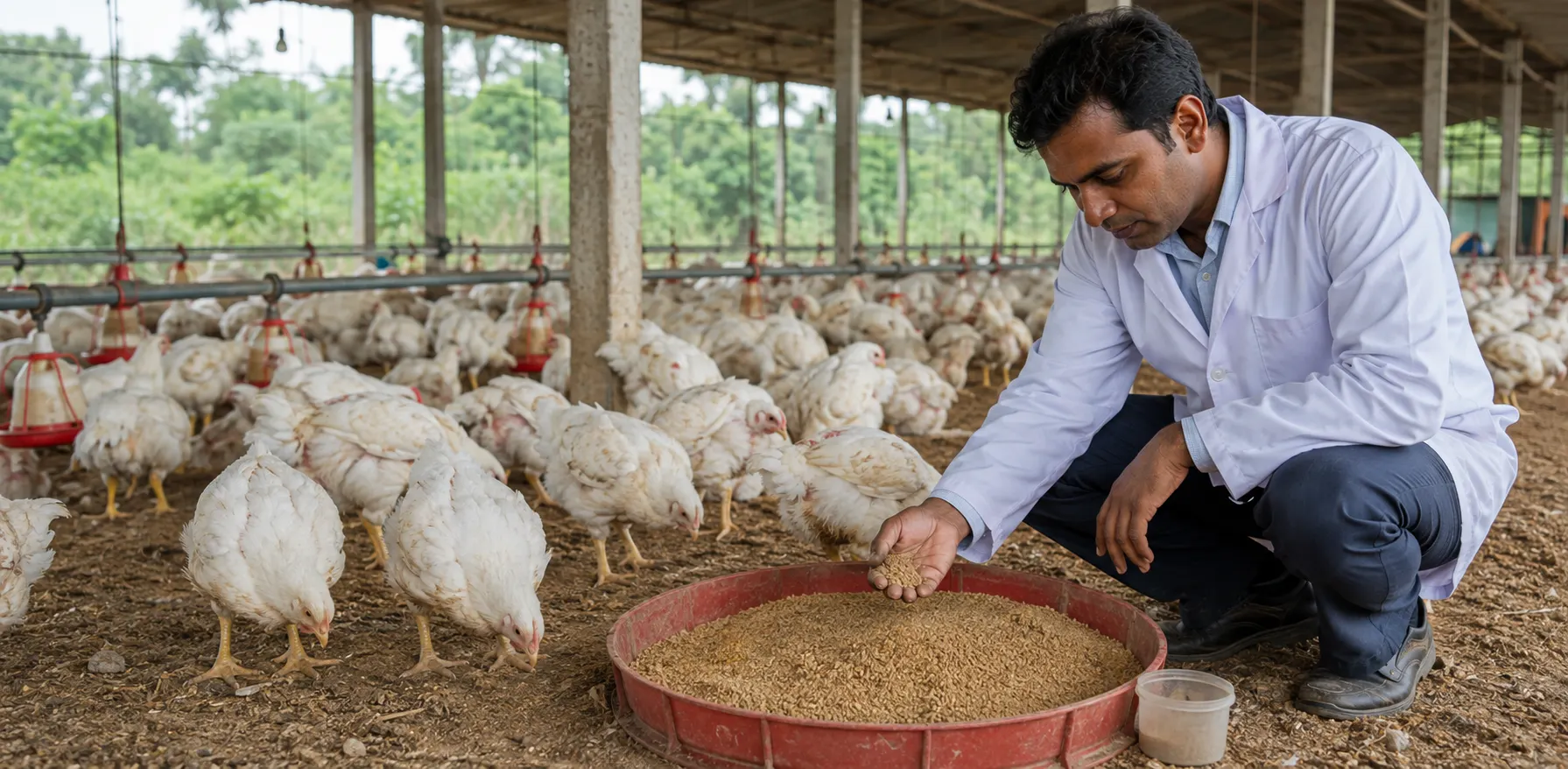
How to Monitor Vitamin Supplementation and Improve Flock Performance
Vitamin supplementation should be evaluated through measurable flock outcomes rather than assumptions about product effectiveness. A supplement may be correctly formulated and mixed, but its impact can be difficult to assess without reliable production records. Monitoring helps poultry producers identify nutritional problems, evaluate feeding practices, and avoid unnecessary changes to the diet.
The first step is to establish a baseline before changing the supplementation program. Record relevant performance indicators and compare them over time, taking account of bird age, production stage, housing conditions, and seasonal changes.
For broilers, useful indicators include body weight, daily weight gain, feed intake, feed conversion ratio, and mortality. In laying hens, producers should monitor egg production, egg quality, feed intake, and changes in body condition. Breeder operations may also need to track fertility and hatchability.
A practical monitoring checklist includes:
- Feed intake: Check whether birds consume the expected quantity of feed.
- Growth and uniformity: Compare body weights with the flock’s production targets.
- Production results: Track egg output, hatchability, or growth performance as appropriate.
- Feed formulation: Verify premix inclusion rates and mixing accuracy.
- Health observations: Investigate unusual clinical signs or changes in mortality.
- Supplement quality: Review storage conditions, shelf life, and product specifications.
If performance declines, vitamin deficiency should not be assumed to be the cause. Infectious diseases, poor water quality, heat stress, feed formulation errors, and other nutritional imbalances can produce similar effects.
Monitoring vitamins in poultry diets is most effective when production records are combined with feed analysis and professional assessment when needed. This approach helps producers make informed adjustments and evaluate whether changes actually improve flock performance.
Common Mistakes to Avoid When Supplementing Poultry Diets
Even a high-quality vitamin product may fail to deliver the intended results if it is used incorrectly. Common supplementation mistakes include inaccurate measurements, unsuitable storage, poor mixing, and failure to account for vitamins already present in the feed. These problems can lead to inconsistent nutrient intake, unnecessary expenses, or excessive supplementation.
Understanding these risks helps poultry producers improve feed management and maintain a more reliable nutritional program.
| Common mistake | How to avoid it |
| Using the same formulation for every poultry species | Select vitamin specifications according to species, age, and production stage. |
| Adding extra vitamins without checking the complete diet | Calculate the total vitamin contribution from feed ingredients and supplements. |
| Measuring premixes inaccurately | Use suitable weighing equipment and verify batch calculations. |
| Mixing concentrated products unevenly | Follow appropriate mixing procedures and validate uniformity when necessary. |
| Ignoring storage conditions | Protect products from excessive heat, moisture, and light. |
| Assuming every production problem is a vitamin deficiency | Investigate feed quality, disease, water supply, and management conditions. |
| Using supplements beyond their recommended shelf life | Check expiration dates and follow manufacturer storage instructions. |
Another common mistake is assuming that increasing vitamin concentrations will automatically improve productivity. Once nutritional requirements are met, additional supplementation may offer no meaningful benefit and can increase costs. Some vitamins can also cause adverse effects when supplied in excessive amounts.
Producers should review feed formulations whenever ingredients, premixes, or production conditions change. Any adjustment should be based on the complete diet and the flock’s actual needs.
Ultimately, effective vitamins in poultry diets management depends on accurate formulation, proper handling, and regular performance monitoring. A consistent approach is more reliable than making frequent, unverified changes to supplementation rates.
Conclusion: Optimizing Vitamin Supplementation for Better Poultry Performance
Effective vitamin supplementation begins with accurate nutrition planning, not simply increasing the amount of vitamins in feed. Poultry producers need to understand how vitamins contribute to growth, immunity, bone development, reproductive performance, and feed utilization. Providing an appropriate balance helps birds meet their nutritional needs while supporting consistent production throughout their life cycle.
The most effective approach to vitamins in poultry diets considers the bird’s species, age, production stage, feed intake, and environmental conditions. A well-formulated vitamin premix can help meet dietary requirements, but its effectiveness also depends on accurate mixing, proper storage, and adequate vitamin stability during feed processing. Regularly reviewing feed formulations and monitoring flock performance can help identify potential nutritional gaps before they lead to significant production losses.
It is equally important to avoid unnecessary supplementation. Excessive vitamin intake does not automatically improve growth or egg production and may cause adverse effects, depending on the nutrient and dosage. When deficiency symptoms appear, producers should investigate the underlying cause rather than relying on supplements alone. Feed analysis and veterinary or poultry nutrition expertise can help guide appropriate corrective measures.
Ultimately, a science-based vitamin supplementation program supports better nutritional management, more predictable production outcomes, and efficient feed utilization. By applying established recommendations and reviewing flock performance regularly, poultry professionals can make informed decisions that benefit both bird health and farm profitability.
FAQ
- What vitamins are essential for poultry?
Poultry require vitamins A, D, E, and K, along with B-complex vitamins such as riboflavin, niacin, thiamine, and vitamin B12. Each has a distinct role in growth, metabolism, bone health, reproduction, and normal physiological function.
- How often should vitamins be added to poultry feed?
Complete poultry feed is generally formulated to provide the required vitamins throughout the feeding period. Additional supplementation may be appropriate in specific circumstances, but the frequency and dosage should depend on the existing diet, product instructions, and nutritional assessment.
- Can vitamin deficiencies affect egg production?
Yes. Inadequate intake of certain vitamins can affect reproductive function, egg production, shell quality, fertility, or hatchability. However, these problems can also result from other nutritional deficiencies, disease, or management issues.
- Is vitamin supplementation through drinking water effective?
Water-soluble vitamin products can provide an alternative delivery method when additional supplementation is justified. Their effectiveness depends on correct dosage, water intake, product stability, and proper handling. They should not automatically replace a balanced feed formulation.
- Can excessive vitamin supplementation harm poultry?
Yes. Excessive intake can cause adverse effects, particularly with some fat-soluble vitamins. Adding multiple supplements without calculating total dietary intake can also increase costs and disrupt nutritional balance.
- How can poultry farmers maintain vitamin stability during feed storage?
Store premixes and finished feed according to the manufacturer’s instructions. Protect them from excessive heat, moisture, oxygen, and light, and follow recommended shelf-life and stock-rotation practices.
- How do poultry farmers choose the right vitamin premix?
Consider the species, production stage, nutrient specifications, stability, inclusion rate, storage requirements, and quality-control documentation. The product should match the complete feed formulation rather than being selected on price alone.