Effective JTB export packaging begins with one essential truth: the way seafood is packed determines its final quality, shelf life, and market value long before it reaches an international buyer. In global trade, packaging isn’t just a protective shell—it shapes the entire perception of your product’s reliability and freshness. When dealing with whole, headless, gutted, fillet, or IQF seafood formats, the right packaging strategy directly influences how efficiently the product survives freezing, transport, and long-distance storage. That’s why exporters who invest in thoughtful JTB export packaging routinely gain a competitive advantage: they reduce spoilage, improve presentation, and meet the strict compliance standards of markets such as the EU.
As demand for high-quality frozen seafood continues to rise, packaging has become a defining factor in buyer selection. Every detail—from barrier films to master cartons—matters more than ever.
If you want to understand how packaging choices can strengthen your export performance, continue reading.
Why packaging matters in seafood export — more than just wrapping fish
In global seafood trade, packaging plays a far deeper role than simply enclosing a product. For companies such as Pishva Holding, the foundation of a successful shipment begins with how well the fish is protected from the moment it leaves the processing line until it reaches international buyers. When exporters handle delicate products like JTB fish, packaging becomes an essential part of the business model, not a decorative layer. Proper JTB export packaging ensures that the product maintains its texture, moisture level, natural color, and flavor throughout freezing, transportation, and storage.
Unlike many other foods, seafood is highly sensitive to temperature fluctuations, oxygen exposure, and physical pressure. This means that every layer of packaging—from inner liners to master cartons—must be selected with both practicality and preservation in mind. If the packaging fails at any stage of the cold chain, even the highest-quality fish may lose value or become unsellable. Exporters who treat packaging as an operational strategy rather than a finishing step can secure longer shelf life, reduced spoilage, and improved customer satisfaction.
Overview of common presentation types: Whole, Headless, Gutted, Fillet, IQF
The seafood market values efficiency, quality, and convenience, which is why exporters tailor their product formats—whole, headless, gutted, fillet, and IQF—based on buyer needs. For exporters handling Iranian JTB fish, understanding how each presentation aligns with customer expectations can significantly influence market success. Whole fish is often shipped to traditional markets or buyers who prefer local processing. It retains the full shape, making it ideal for markets where appearance matters.
Headless and gutted formats reduce weight while preserving much of the fish structure. These are the preferred options for buyers who want a balance between efficiency and cost. Fillets are ideal for modern retail, restaurants, and distributors who need ready-to-cook products with minimal waste. The IQF format, however, is now among the most demanded due to its convenience—each piece freezes individually, allowing buyers to portion accurately with no clustering or loss of quality.
Every format requires specific JTB export packaging solutions to prevent dehydration, freezer burn, and oxidation. Choosing the right format can help exporters expand into multiple market segments, improve logistics efficiency, and enhance buyer satisfaction. Matching product format with the correct packaging method is key to maintaining quality and maximizing export value.
Packaging methods and materials: matching type to need
Successful seafood export requires more than a generic packaging strategy. The choice of method—vacuum packing, skin-pack, laminated barrier films, polyethylene liners, insulated boxes, or reinforced master cartons—must align with product type, market expectations, and transport conditions. For exporters involved in Iran JTB export, selecting packaging materials with the correct barrier properties is crucial. Moisture loss, oxidative discoloration, and texture degradation can occur rapidly if packaging does not maintain an airtight and low-temperature environment.
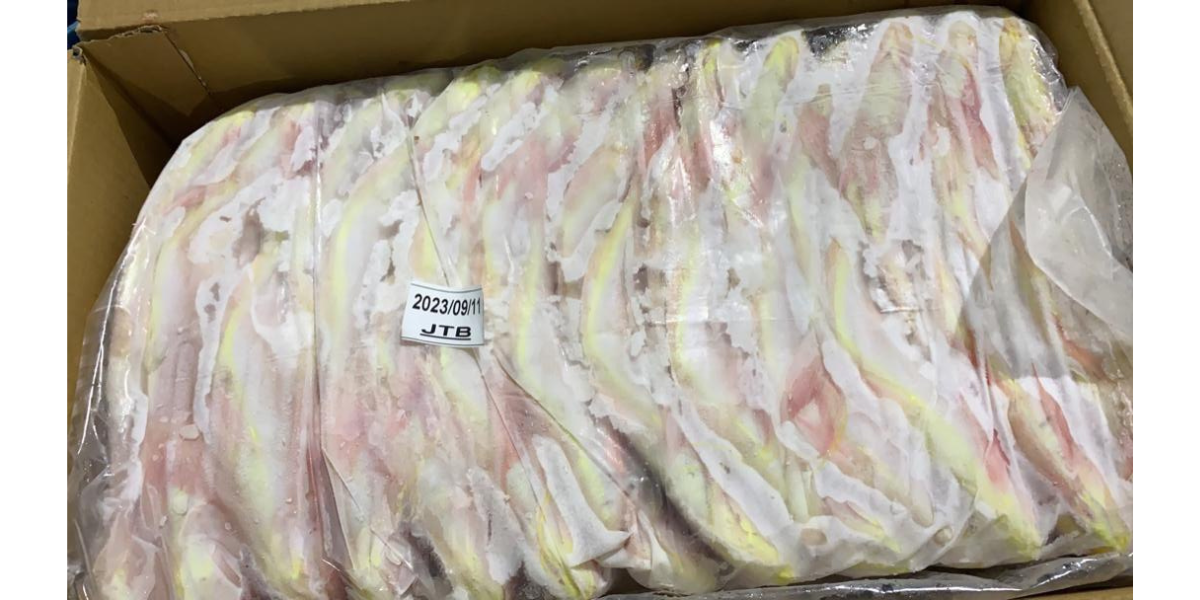
Vacuum packaging remains a trusted option for fillets and portions because it removes oxygen and reduces microbial activity, extending shelf life. Skin-pack technology offers both visual appeal and strong product protection, making it ideal for premium markets. For whole or gutted fish, heavy-duty PE liners combined with master cartons help maintain structure and prevent leakage. IQF products typically require high-barrier bags and cartons that withstand low temperatures without becoming brittle.
Each packaging method directly influences cold-chain performance. High-quality JTB export packaging prevents freezer burn, protects against handling damage, and maintains the product’s natural characteristics. Exporters who match packaging type with product presentation gain better cost efficiency, reduced losses, and improved acceptance by international buyers.

Cold chain, freezing method, storage and transport
Maintaining product quality in seafood export depends heavily on the harmony between packaging, freezing, and cold-chain management. No matter how advanced the packaging may be, its effectiveness is limited if the freezing process is inconsistent or if temperature fluctuations occur during transportation. Protecting JTB freshness and quality requires a coordinated system where each stage reinforces the next.
Rapid freezing—such as blast or plate freezing—minimizes ice crystal formation, preserving the natural texture of the fish. Once frozen, the right JTB export packaging prevents moisture escape and offers insulation against external temperature changes. Packaging must also resist compression because stacked cartons in cold storage environments can place significant pressure on the product.
During transport, consistent temperatures of –18°C or lower must be maintained. Even brief rises can cause partial thawing, which damages the texture and shortens shelf life. Proper palletization, correct airflow design, and strong outer cartons ensure that the cold chain remains intact from origin to destination. Continuous temperature monitoring and strict handling protocols further ensure reliability.
When packaging, freezing, and cold-chain logistics work together seamlessly, exporters can deliver consistent quality across long distances, meeting stringent importer expectations.
Regulatory compliance and documentation — packaging is part of trust and legality
For seafood exporters, compliance is not an optional step; it is the foundation of international trade. Packaging is closely tied to regulations because it affects food safety, traceability, and product identification. Markets like the EU and the Middle East require clear labeling, sanitary packaging materials, accurate weight declarations, and complete documentation to ensure buyers receive safe and legally compliant products.
Proper JTB export packaging plays a critical role in grouping, protecting, and labeling the fish so that regulators can easily identify the product’s origin, batch number, species, catch method, and storage conditions. Exporters must follow strict hygiene standards, such as HACCP, and ensure all packaging materials are food-grade, moisture-resistant, and durable under freezing conditions.
Documentation such as health certificates, catch certificates, packing lists, and temperature logs must accompany every shipment. The packaging itself may carry barcodes, QR codes, or traceability numbers that enable importers to track the product back to its source.
When packaging aligns with legal standards, it builds trust with global buyers and reduces the risk of border rejections. Regulatory compliance also signals professionalism, helping exporters maintain long-term relationships with international partners.
Strategic recommendations for exporters of JTB-products
Exporters who want to strengthen their position in the seafood market must treat packaging as part of their competitive strategy. The first step is understanding the unique requirements of each product format—whole, H/G, fillet, or IQF—and selecting materials that preserve the product throughout freezing and transport. Investing in high-barrier films, reinforced cartons, and efficient inner liners increases the reliability and market acceptance of JTB export packaging.
Market research is equally important. Understanding the expectations of each destination helps exporters refine packing weight, labeling style, and carton sizing. Consistent communication with buyers ensures that packaging meets their operational needs. Monitoring cold-chain performance and keeping detailed logs helps exporters demonstrate product integrity and secure better trust from importers.
Exporters should also integrate traceability tools into their packaging strategy. Clear labeling, batch codes, and compliance documentation help international partners manage stock efficiently and ensure consumer confidence.
Finally, educating staff on proper handling, packing procedures, and cold-chain discipline is essential. A strong packaging system is only effective when supported by trained personnel. By combining these practices, exporters can improve product quality, minimize claims, and strengthen their global market presence.
Conclusion: packaging as a strategic asset, not a cost center
Seeing packaging as a strategic asset rather than a cost is the point where successful exporters pull ahead of the competition. In the seafood industry—especially when shipping whole, H/G, fillet, or IQF formats—the right JTB export packaging functions as a guarantee of consistency, safety, and professional handling. It protects your product against dehydration, temperature fluctuations, contamination, and mechanical damage throughout the cold chain. More importantly, it communicates to global buyers that your operations are reliable, well-managed, and aligned with international standards.
Treating packaging as a long-term investment reshapes how your product performs in foreign markets. High-barrier films, reinforced master cartons, proper labeling, and compliant materials reduce claim rates, prevent border-inspection issues, and strengthen buyer trust. Exporters who optimize their packaging strategy often experience improved customer retention, stronger brand reputation, and reduced logistics waste—benefits that far outweigh the initial cost.
In a highly competitive market, quality alone isn’t enough; presentation, protection, and compliance complete the value equation. JTB export packaging, when done right, becomes a strategic tool that elevates product performance, boosts margins, and supports sustainable growth.
In the end, smart packaging isn’t an expense—it’s one of the most powerful assets an exporter can rely on.
FAQs
1. Why is proper JTB export packaging so important?
Because it protects product quality, maintains freshness, prevents freezer burn, and ensures compliance with international standards.
2. What packaging works best for IQF JTB products?
High-barrier bags paired with durable master cartons designed for low temperatures.
3. How does packaging affect cold-chain performance?
Good packaging stabilizes temperature, reduces moisture loss, and protects the fish during freezing and transport.
4. What documents must accompany packaged seafood exports?
Health certificates, catch certificates, packing lists, labeling details, batch codes, and temperature logs.
5. Which presentation type sells best internationally?
IQF and fillet formats are in highest demand due to convenience and portion control.