Undoubtedly, the difference between farmed shrimp and sea shrimp goes far beyond where they are caught — it shapes flavor, nutrition, sustainability, and even the safety of your meal. While both types are delicious and widely consumed around the world, understanding how they differ helps you make smarter choices for your health and the environment. Farmed shrimp are raised in controlled aquaculture environments where diet and growth conditions are managed for consistency and supply. In contrast, sea shrimp (wild‑caught) grow in their natural habitats, feeding on a diverse range of marine organisms and experiencing natural seasonal changes.
These distinct living conditions lead to measurable differences in taste, texture, nutrient composition, and ecological impact. For example, wild shrimp often have firmer meat and a more pronounced ocean flavor, while farmed shrimp tend to be milder and more uniform in size. Recognizing the difference between farmed shrimp and sea shrimp empowers you to choose the right shrimp for your culinary needs, budget, and values. Read on to explore the key factors that set them apart.
What Defines “Farmed Shrimp” vs. “Sea (Wild) Shrimp”
When people consider the difference between farmed shrimp and sea shrimp, the most fundamental distinction lies in how these animals grow and what environments shape their lives. Farmed shrimp are raised in managed aquatic systems such as ponds, tanks, or lagoons, where conditions like water quality, feed, and stocking density are controlled. This method aims for consistent supply and predictable growth, and companies like Pishva Holding invest in modern infrastructure to improve feed efficiency and reduce environmental stress.
In contrast, sea (wild) shrimp spend their life cycle in open water, moving with tides and currents and feeding on a diverse natural diet of plankton, algae, and small invertebrates. Wild shrimp experience seasonal fluctuations in water temperature and food availability, which affects their growth rates and body composition. Harvesting wild shrimp typically involves trawling or netting in estuaries and coastal waters.
Here’s a simple comparison:
| Feature | Farmed Shrimp | Sea (Wild) Shrimp |
| Environment | Controlled ponds/tanks | Natural oceans/estuaries |
| Diet | Formulated feeds | Natural marine food |
| Growth consistency | High | Variable |
Understanding these definitions sets the stage for deeper insights into nutrition, safety, and quality — all crucial for consumers and professionals alike.
Nutritional Differences: Natural Diet vs. Controlled Feed
A central aspect of the difference between farmed shrimp and sea shrimp is how diet influences nutrition. Wild shrimp forage on naturally available marine foods. This diverse diet contributes nutrients that vary by region and season. In contrast, farmed shrimp are fed carefully formulated feeds designed to promote rapid growth and efficient feed conversion. In the modern shrimp industry, nutrition research continues to refine these feeds to include balanced proteins, fats, and micronutrients.
Wild shrimp generally have a nutrient profile shaped by what they find in their habitat. For example, their fatty acid composition often reflects a higher proportion of beneficial omega‑3s, which are linked to heart and brain health. Farmed shrimp can also be nutritious, but their profile depends on feed ingredients, which may include plant proteins, fishmeal, or oil blends. Producers now focus more on sustainable feed sources that maintain high quality.
Key nutritional points to consider:
- Protein content: Both wild and farmed shrimp are rich in lean protein.
- Fatty acids: Wild shrimp often have higher natural omega‑3 levels.
- Minerals: Shrimp contain selenium, iodine, and zinc regardless of origin.
Ultimately, both types can be part of a healthy diet. Knowing these differences helps consumers select shrimp that best matches their nutritional goals without sacrificing flavor or quality.
Safety Considerations: What You Should Know
When exploring the difference between farmed shrimp and sea shrimp, food safety is often a top concern for buyers. Many consumers trust wild shrimp for minimal human intervention, but wild catch can still reflect environmental contaminants like heavy metals or microplastics, depending on water quality where the shrimp lived. On the farmed side, safety is tightly tied to how responsibly the operations are run, from water management to feed quality.
As an Iranian Shrimp Supplier & Wholesale partner, transparency in sourcing and testing practices becomes a critical part of ensuring shrimp safety. Reputable suppliers conduct regular analysis for:
- Antibiotic residues
- Heavy metals (e.g., mercury, cadmium)
- Waterborne pathogens
Farmed shrimp raised in well‑regulated systems often undergo stringent quality controls. However, poorly managed farms may have issues with overcrowding, which can increase the risk of disease and necessitate antibiotic use, a practice that is strictly regulated in many markets.
To make informed choices:
- Safety checklist for consumers
- Ask for third‑party testing results.
- Look for certifications (e.g., Best Aquaculture Practices).
- Understand where and how the shrimp were harvested.
Both farmed and wild shrimp can be safe and healthy when sourced from reputable producers and fishers. Awareness of these safety elements empowers buyers to choose seafood they trust.
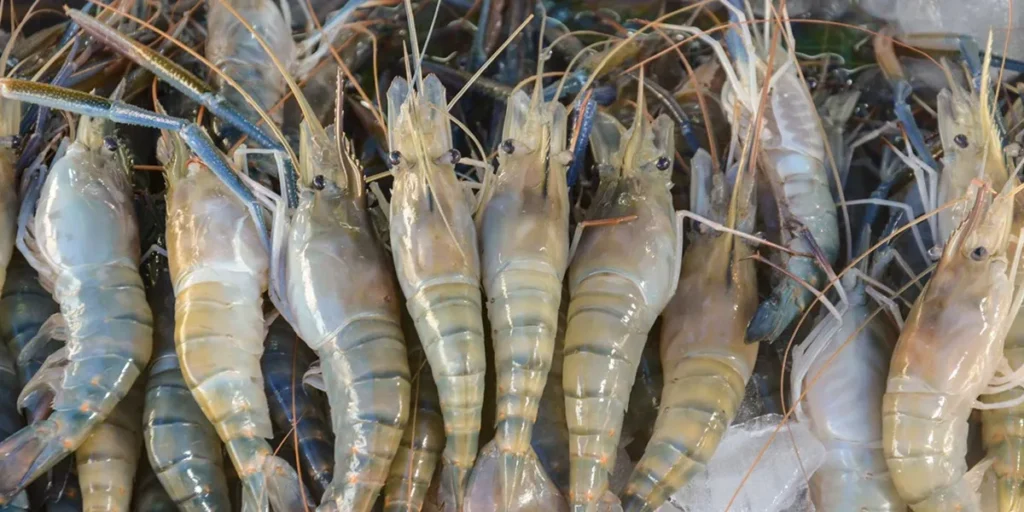
Taste & Texture: Ocean Flavor vs. Controlled Growth
One of the most noticeable aspects of the difference between farmed shrimp and sea shrimp appears when you taste them. The environment in which shrimp grow influences their muscle texture, moisture content, and overall flavor. Wild shrimp, shaped by the dynamic conditions of their natural habitat, often develop a firmer texture and a more pronounced “ocean” flavor that many chefs and seafood lovers seek. This characteristic can be especially evident in grilled or sautéed dishes.
Farmed shrimp, grown in calm, controlled environments, tend to have a milder taste and a slightly softer texture. Because their diet and growth conditions are consistent, the product offers uniformity from batch to batch — an advantage for restaurants and manufacturers needing predictability.
Here’s a quick look at how taste and texture differ:
- Wild Shrimp
- Firmer, denser meat
- Distinct marine flavor
- Varied coloration and sweetness
- Farmed Shrimp
- Milder, more neutral taste
- Tender texture
- Consistent size and appearance
Understanding the Types of shrimp species you’re selecting also enhances appreciation; some species naturally have sweeter profiles, regardless of origin. When preparing shrimp, cooking method and seasoning further influence the final taste, but the intrinsic qualities rooted in habitat and diet remain the primary drivers of sensory differences.
Sustainability and Environmental Impact
Understanding the difference between farmed shrimp and sea shrimp requires looking beyond taste and nutrition into how each system affects the planet. Shrimp farming, often called aquaculture, has grown rapidly to meet global demand. When done responsibly, it can reduce pressure on wild populations. However, poorly managed farms can harm nearby ecosystems by polluting water with excess feed, promoting algal blooms, or displacing natural wetlands. Certification programs now exist to help consumers identify responsibly produced farmed shrimp. These standards evaluate water management, feed sourcing, and waste handling.
By contrast, harvesting sea shrimp places pressure on wild stocks and their habitats. Some fishing methods, especially bottom trawling, can damage the seafloor, disrupt habitats, and create bycatch — unintentionally capturing other species. Efforts to improve wild shrimp fisheries focus on gear modification, seasonal closures, and catch limits that help protect marine biodiversity.
Environmental comparison at a glance:
| Factor | Farmed Shrimp | Sea (Wild) Shrimp |
| Habitat impact | Varies by management | Potential seafloor disturbance |
| Bycatch risk | Low | Higher depending on gear |
| Ecosystem disruption | Possible nutrient runoff | Fishing pressure on populations |
In sum, the difference between farmed shrimp and sea shrimp extends into sustainability. Choosing shrimp with credible environmental credentials supports healthier oceans and responsible food systems.
Price, Availability & Consumer Choice
When consumers consider the difference between farmed shrimp and sea shrimp, two of the most practical factors are price and availability. Farmed shrimp generally cost less than their wild‑caught counterparts. Because aquaculture systems can be continuously stocked and harvested, supply tends to be steadier throughout the year. This predictability helps retailers offer consistent pricing and ensures that restaurants and households can access shrimp in all seasons.
Wild sea shrimp, on the other hand, are impacted by fishing seasons, weather conditions, and regulatory limits. These factors can make wild shrimp scarcer at certain times of the year, which drives prices higher. For seafood lovers, this seasonal fluctuation is part of the appeal — wild shrimp often coincide with peak freshness during defined fishing periods — but it requires more planning.
Consumer choice considerations:
- Budget: Farmed shrimp often fit tighter budgets.
- Seasonality: Wild shrimp availability varies by region and season.
- Quality preference: Some buyers choose wild shrimp for firmer texture or perceived taste differences.
Ultimately, understanding the difference between farmed shrimp and sea shrimp means weighing how much you value consistency versus seasonal character and how much you are willing to invest in your seafood choices.
How to Choose Shrimp Like an Expert
Choosing shrimp with confidence means knowing the difference between farmed shrimp and sea shrimp and how that difference affects quality, flavor, and ethical considerations. Experts look beyond labels to understand the origin and production practices behind the shrimp they buy. A key step is to ask about certification. Several independent organizations evaluate both aquaculture and wild fisheries for sustainability and responsible practices.
When evaluating farmed shrimp, look for details about feed composition, water quality management, and health standards. Responsible farms optimize feed to reduce environmental impact while ensuring shrimp receive balanced nutrition. On the wild side, inquire where and how the shrimp were caught, including gear types used and whether bycatch reduction measures are in place.
Shrimp selection checklist:
- Origin (country and region)
- Harvest or farming method
- Certification (e.g., sustainability labels)
- Freshness and handling practices
For people working with suppliers, clarity is paramount. An Iranian Shrimp Supplier & Wholesale source should be able to provide traceability and quality documentation, reinforcing consumer trust. By comparing these elements, you can choose shrimp that aligns with your priorities — whether that’s taste, sustainability, or nutritional value. Knowing the difference between farmed shrimp and sea shrimp empowers you to make informed purchases.
Summary: Key Takeaways on the Difference Between Farmed Shrimp and Sea Shrimp
In essence, the difference between farmed shrimp and sea shrimp reflects the broader contrast between nature and human cultivation. Sea shrimp, harvested from oceans and estuaries, develop their characteristics through a dynamic, natural food web that often results in richer flavor profiles and varied nutrient content. Farmed shrimp, produced in aquaculture systems, offer predictable quality, year‑round availability, and typically lower prices, but they can vary in nutritional value depending on feed and farming practices. Understanding this difference also involves considering environmental and ethical dimensions: wild shrimp fishing can impact marine habitats and bycatch, while shrimp farming may strain local ecosystems if not responsibly managed. Nutrition, taste, environmental footprint, and cost — these are the pillars that guide informed seafood choices. Whether you prioritize flavor, sustainability, or affordability, knowing how farmed and sea shrimp compare allows you to make decisions that align with your preferences and values. Dive deeper to learn how each type fits into your lifestyle and cooking repertoire.
FAQ
1. What is the main difference between farmed shrimp and sea shrimp?
The primary difference lies in their environment: farmed shrimp are raised in controlled aquaculture systems, while sea shrimp are wild‑caught in their natural habitats. This affects diet, texture, flavor, and sustainability.
2. Are wild shrimp healthier than farmed shrimp?
Not necessarily. Both can be nutritious, but wild shrimp may have slightly higher natural omega‑3 levels due to their natural diet. Farmed shrimp nutritional content varies based on feed quality.
3. How does sustainability differ between farmed and wild shrimp?
Farmed systems can reduce fishing pressure on wild populations but may cause local environmental issues if not managed well. Wild shrimp fishing can impact seabed habitats and bycatch levels.
4. Why are farmed shrimp usually cheaper than sea shrimp?
Because farming systems supply shrimp year‑round with predictable production costs, while wild shrimp availability fluctuates with seasons, weather, and fishing regulations.
5. How can I choose shrimp that is responsibly produced?
Look for credible certifications, ask about harvest or farming practices, and choose suppliers who provide transparency about origin and quality.