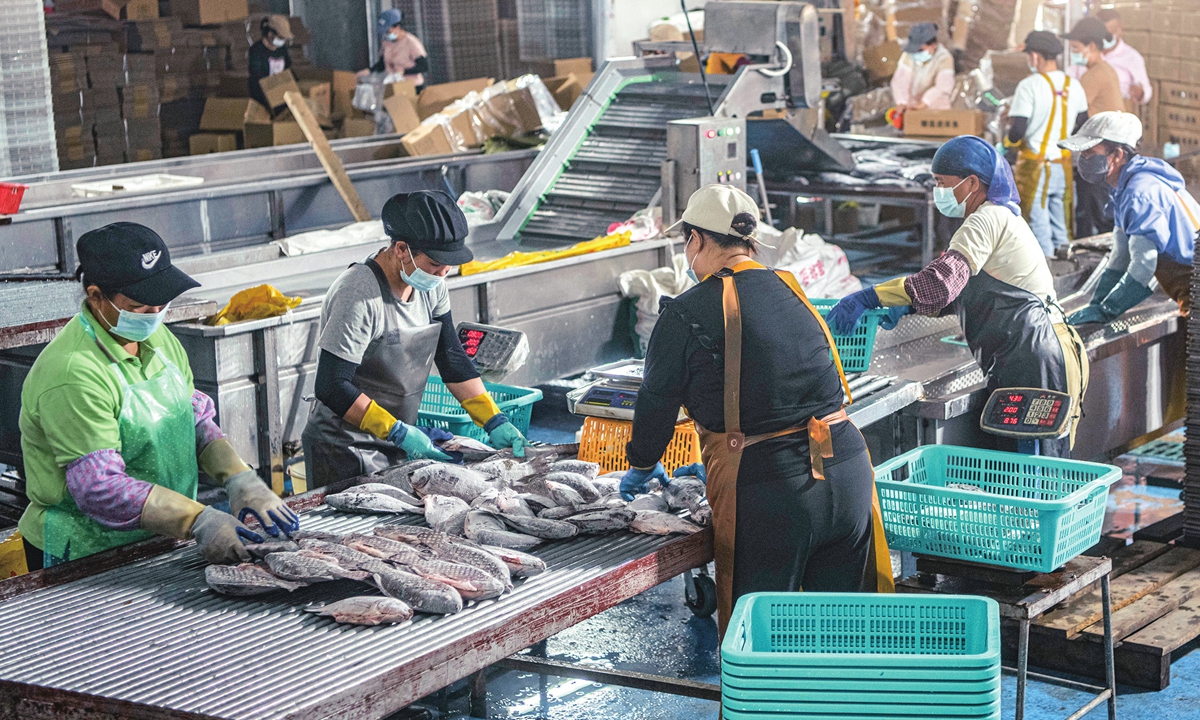
In seafood export, quality is decided long before the product reaches a buyer’s warehouse. The real difference between a shipment that earns long-term trust and one that gets rejected often comes down to one critical factor: temperature control. This is exactly why Cold Chain Logistics for Seafood Export has become a non-negotiable part of global seafood trade, especially for suppliers targeting the European market.
Seafood is one of the most temperature-sensitive food categories in international commerce. Even minor temperature fluctuations during storage, handling, or transportation can accelerate bacterial growth, reduce shelf life, and compromise texture, flavor, and freshness. For European buyers, this is not simply a quality concern—it is a matter of food safety, regulatory compliance, and brand reputation.
A reliable cold chain protects product integrity from harvest to final delivery, minimizing spoilage and reducing costly shipment rejections. In this guide, we will explore the standards, challenges, and best practices that define successful Cold Chain Logistics for Seafood Export and explain what European buyers truly expect from exporters.
Why Cold Chain Logistics Is Non-Negotiable in Seafood Export
In the seafood industry, product quality can deteriorate within hours if temperature control is compromised. This is exactly why Cold Chain Logistics for Seafood Export is no longer viewed as an optional operational advantage but as a fundamental requirement for global trade. Seafood contains high moisture, delicate proteins, and naturally active enzymes, making it highly vulnerable to spoilage during transportation.
For exporters working with major buyers such as retailers, processors, and distributors, maintaining an unbroken cold chain ensures that seafood arrives with its texture, flavor, and microbiological safety intact. Companies such as pishva holding, which operate in seafood supply and export-related sectors, understand that even short temperature deviations can cause severe quality losses and financial damage.
Cold chain management directly affects:
- Product shelf life
- Bacterial growth rate
- Histamine formation in certain fish species
- Buyer acceptance and regulatory compliance
Even a 2–4°C increase above recommended storage conditions may accelerate spoilage dramatically. According to food safety studies, improper temperature management is one of the leading causes of seafood rejection in international trade.
Ultimately, effective Cold Chain Logistics for Seafood Export protects both product value and brand reputation. Exporters who fail to prioritize it often face shipment rejection, claims, and damaged buyer relationships.
Understanding the European Seafood Market and Buyer Expectations
The European seafood market is among the most quality-driven and tightly regulated in the world. Buyers across Europe evaluate suppliers using strict standards that go far beyond competitive pricing. For exporters, understanding these expectations is essential to succeeding in Cold Chain Logistics for Seafood Export.
European importers typically assess suppliers based on freshness, traceability, food safety compliance, and consistency. They expect exporters to provide documented evidence showing that seafood has remained within safe temperature limits throughout transport. This applies not only to fresh fish and shrimp but also to value-added products such as fishmeal ingredients and specialty marine powders like Squid liver powder, which also require controlled storage conditions to preserve quality.
Key expectations of European buyers include:
- Full batch traceability
- HACCP-compliant handling
- Verified temperature records
- Reliable shipping schedules
- Minimal quality variation between shipments
European customers increasingly favor exporters who demonstrate transparency. Real-time temperature logs, digital shipment monitoring, and sustainability certifications have become important trust signals.
For exporters targeting long-term contracts, strong Cold Chain Logistics for Seafood Export helps prove professionalism and reliability. In many cases, buyers are willing to pay more for suppliers who consistently reduce risk.
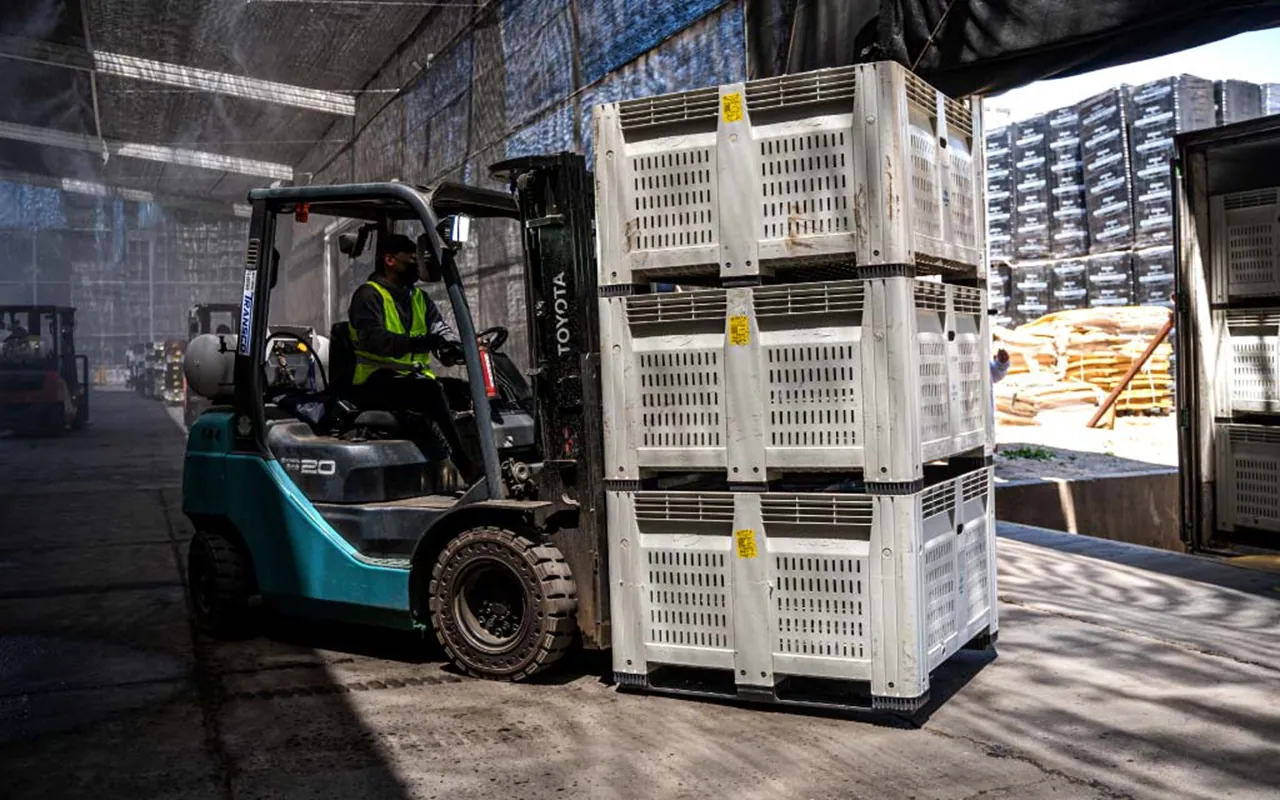
Critical Temperature Ranges for Fresh, Chilled, and Frozen Seafood
Temperature management is the technical foundation of successful Cold Chain Logistics for Seafood Export. Different seafood categories require specific storage ranges to maintain safety and quality during transit. Even brief exposure outside these ranges can reduce shelf life and affect texture, flavor, and microbial stability.
Fresh seafood should ideally remain close to the melting point of ice, usually between 0°C and 2°C. This slows bacterial growth without freezing tissue. Chilled seafood products require similarly strict control, especially during loading and unloading stages.
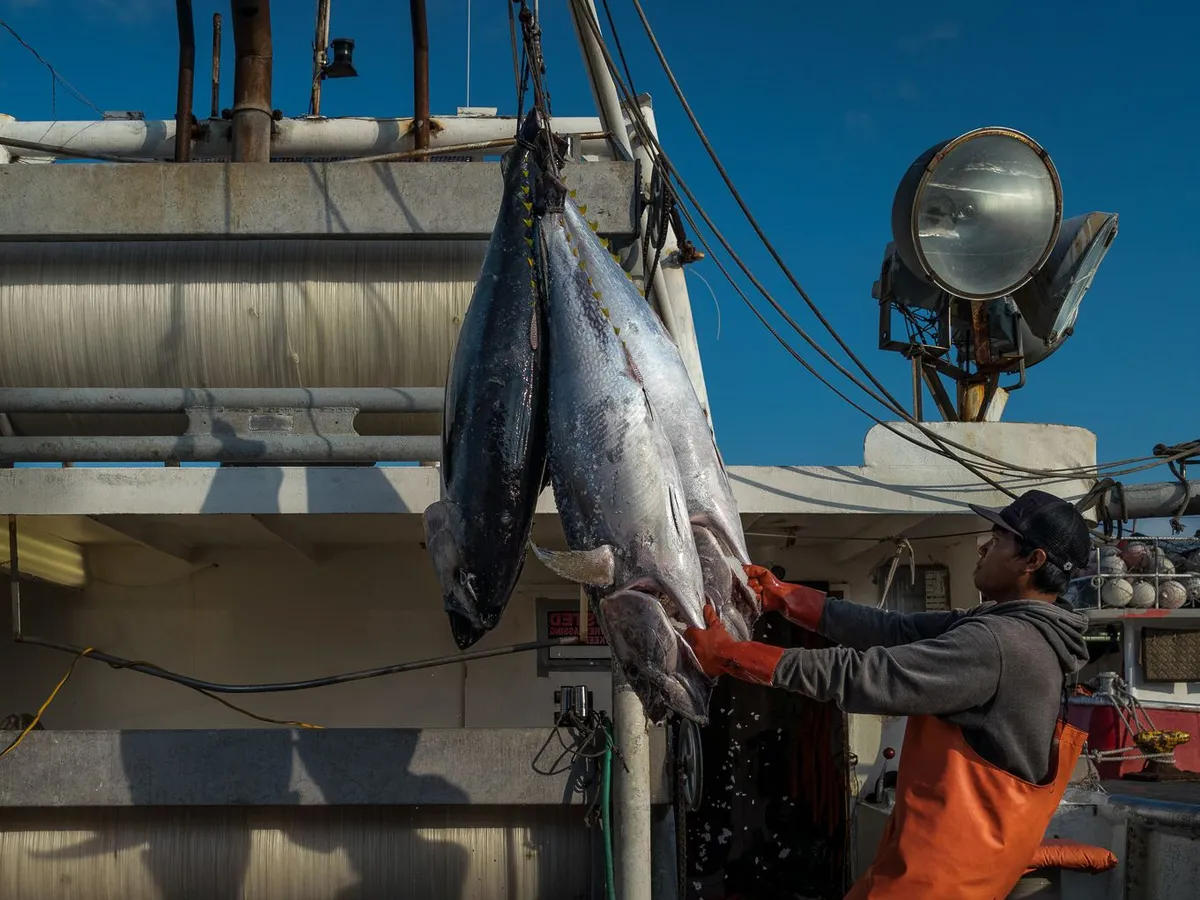
Frozen seafood must remain at or below −18°C, which is the widely accepted standard in international trade. Premium products such as tuna may require even lower temperatures for optimal preservation.
Important risks of temperature abuse include:
- Ice crystal damage
- Texture softening
- Oxidation
- Histamine development
Exporters using proper monitoring systems can detect temperature deviations before they become critical. Accurate sensors, data loggers, and reefer calibration all support stronger Cold Chain Logistics for Seafood Export and help ensure products arrive in optimal condition.
Where Cold Chain Failures Usually Happen in Export Operations
Most seafood exporters assume cold chain failures happen during ocean freight, but in reality, temperature breaches often occur much earlier. In many export operations, the most dangerous moments are short transition periods where temperature control is temporarily lost.
In Cold Chain Logistics for Seafood Export, the highest-risk stages usually include harvesting, pre-cooling, loading, customs clearance, and final delivery. Each handoff creates opportunities for temperature fluctuation.
The most common failure points include:
- Delay between harvest and chilling
- Inadequate pre-cooling before packaging
- Loading dock exposure to ambient heat
- Customs or port inspection delays
- Reefer container malfunction
One overlooked issue is human error. Poor handling practices, frequent door openings, or incorrect temperature settings can quietly damage cargo without immediate visible signs.
Successful exporters reduce these risks by using real-time monitoring, SOP-based handling, and contingency planning. Strong Cold Chain Logistics for Seafood Export depends not only on equipment but also on disciplined operational control across every stage of the supply chain.
Packaging Strategies That Preserve Seafood Quality During Transit
Proper packaging is one of the most critical yet underestimated elements of Cold Chain Logistics for Seafood Export. Even when storage temperatures are correctly maintained, poor packaging can expose seafood to moisture loss, contamination, mechanical damage, and temperature fluctuation during transit. In practical terms, packaging acts as the first protective barrier between delicate seafood products and external environmental stress.
An effective seafood packaging system must provide insulation, temperature stability, and physical protection. The ideal packaging method varies depending on whether the cargo is shipped fresh, chilled, or frozen.
Common packaging strategies include:
- Expanded polystyrene (EPS) insulated boxes for thermal protection
- Gel ice packs for chilled shipments
- Dry ice for frozen export cargo
- Vacuum sealing to reduce oxidation and contamination
- Modified Atmosphere Packaging (MAP) for shelf-life extension
Packaging design also affects airflow inside reefer units. Overpacking reduces cold air circulation, increasing spoilage risk. In efficient Cold Chain Logistics for Seafood Export, exporters carefully balance insulation, weight, cost, and airflow to preserve freshness from origin to destination.
Reefer Containers vs Air Freight: Which Shipping Mode Works Best?
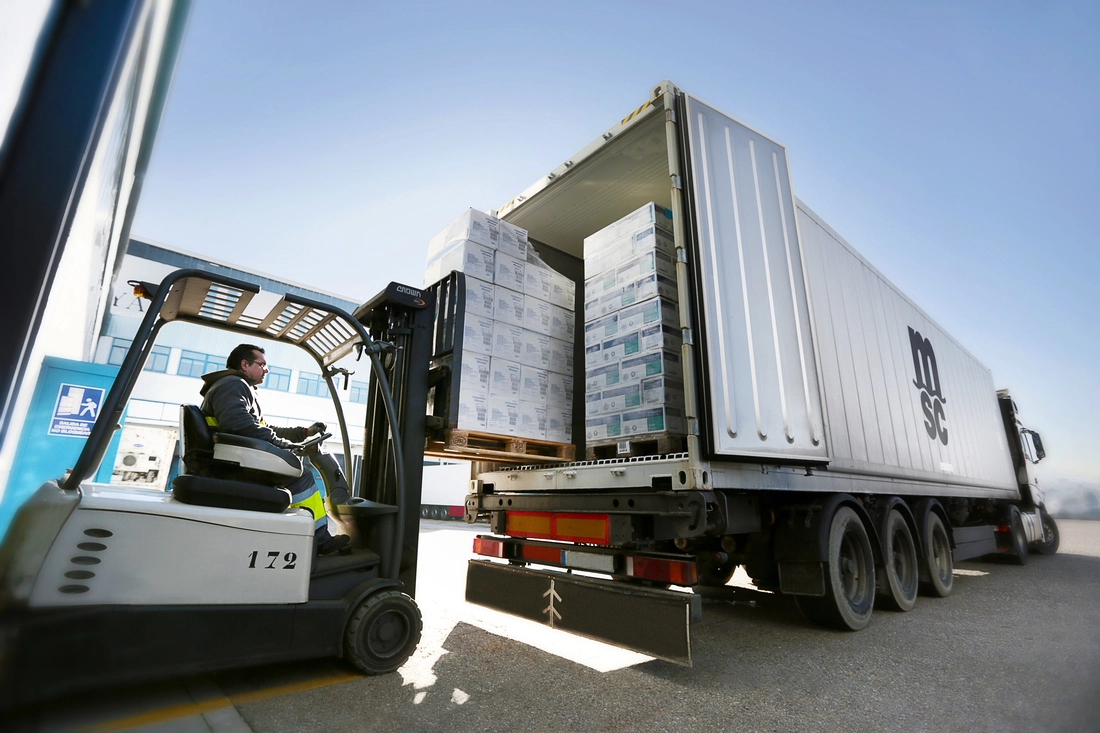
Choosing the right shipping mode can significantly impact cost, freshness, and profitability in Cold Chain Logistics for Seafood Export. The two primary options for international seafood transport are reefer containers and air freight, each offering distinct advantages depending on product type and buyer requirements.
Reefer containers are temperature-controlled shipping containers designed for large-volume cargo. They are widely used for frozen seafood due to their cost efficiency and stable cooling performance during long-distance transport.
Air freight, by contrast, is preferred for premium fresh seafood that must reach buyers quickly. Faster transit reduces spoilage risk but comes at a significantly higher cost.
When choosing between the two, exporters should consider:
- Product shelf life
- Buyer urgency
- Shipment volume
- Freight cost tolerance
For many exporters, successful Cold Chain Logistics for Seafood Export involves using both methods strategically. High-value fresh products often justify air shipping, while frozen bulk shipments are better suited for reefer transport.
EU Food Safety Regulations Every Exporter Must Meet
European food safety standards are among the strictest in global trade, making regulatory compliance essential for any exporter involved in Cold Chain Logistics for Seafood Export. Failing to meet these requirements can lead to shipment delays, border rejection, financial penalties, or long-term loss of buyer trust.
Seafood entering the European Union must comply with regulations covering hygiene, handling, transportation, and traceability. Exporters are expected to maintain documented evidence proving product safety throughout the supply chain.
Key requirements include:
- HACCP-based food safety management
- Approved processing facilities
- Health certification
- Sanitary inspections
- Border Control Post clearance
Temperature control records are particularly important because authorities may request proof of proper cold storage during transport. In Cold Chain Logistics for Seafood Export, maintaining auditable documentation reduces inspection risk and improves customs clearance efficiency.
Exporters who proactively align with EU regulations strengthen credibility and improve access to long-term European contracts.
The Role of Traceability in European Seafood Imports
Traceability has become a central requirement in European seafood trade. Buyers increasingly demand visibility into where seafood originated, how it was processed, and whether handling conditions remained compliant. This makes traceability a core pillar of Cold Chain Logistics for Seafood Export.
Modern seafood supply chains involve multiple handoffs—from harvesting and processing to shipping and customs clearance. Without robust traceability, identifying contamination sources or temperature breaches becomes extremely difficult.
A strong traceability system should record:
- Harvest location
- Catch date
- Batch number
- Processing facility
- Storage temperature history
European importers rely on traceability not only for safety but also for sustainability and anti-fraud protection. They want assurance that seafood products match labeling claims and legal sourcing standards.
Reliable traceability improves transparency across Cold Chain Logistics for Seafood Export and helps suppliers respond quickly to audits, inspections, or product recalls. Exporters with digital traceability systems often gain a measurable competitive advantage.
Smart Cold Chain Monitoring Technologies Buyers Now Expect
Technology is reshaping Cold Chain Logistics for Seafood Export by giving exporters and buyers unprecedented visibility into shipment conditions. European buyers increasingly expect real-time monitoring rather than relying solely on manual temperature logs.
Smart monitoring tools help detect problems before cargo quality is compromised. This proactive approach reduces spoilage, claims, and shipment disputes.
Common monitoring technologies include:
- IoT temperature sensors
- GPS shipment tracking
- Cloud dashboards
- Automated alert systems
- Remote reefer diagnostics
One major advantage of smart systems is early intervention. If reefer temperature rises unexpectedly, alerts allow operators to take corrective action immediately.
Advanced analytics now go beyond monitoring. Some systems predict spoilage risk using route conditions, transit time, and temperature history. In modern Cold Chain Logistics for Seafood Export, technology has become a practical necessity rather than a luxury.
Key KPIs European Buyers Use to Evaluate Suppliers
European buyers evaluate seafood suppliers using measurable performance indicators rather than marketing claims. Understanding these metrics helps exporters improve service quality and strengthen Cold Chain Logistics for Seafood Export.
Key Performance Indicators (KPIs) help buyers assess consistency, reliability, and operational risk. Suppliers that track these metrics internally are better positioned for long-term contracts.
Important KPIs include:
- On-time delivery rate
- Temperature compliance rate
- Shipment rejection ratio
- Shelf life on arrival
- Customer claim frequency
Temperature compliance is often the most critical KPI in Cold Chain Logistics for Seafood Export. Even minor deviations can impact shelf life and trigger claims.
Buyers also monitor claim patterns over time. Repeated delays, inconsistent quality, or temperature excursions reduce supplier confidence quickly. Exporters who consistently maintain strong KPI performance demonstrate operational discipline and become preferred partners in competitive European markets.
How Exporters Can Reduce Spoilage and Improve Shelf Life
Reducing spoilage is one of the biggest operational priorities in Cold Chain Logistics for Seafood Export. Even high-quality seafood can lose freshness rapidly if handling protocols are weak. Exporters that improve shelf life not only reduce waste but also strengthen buyer confidence and improve profitability.
The first step is rapid pre-cooling immediately after harvesting or processing. The faster seafood reaches its target storage temperature, the lower the microbial growth rate. Delays during this stage often cause irreversible quality loss.
Practical methods to reduce spoilage include:
- Immediate icing after harvest
- Faster transfer to cold storage
- Minimizing product handling
- Maintaining stable humidity levels
- Using continuous temperature monitoring
Route planning also matters. Shorter transit times reduce exposure to risk points such as customs delays and loading dock heat. In modern Cold Chain Logistics for Seafood Export, improving shelf life depends on controlling every minute between harvest and delivery.
Exporters who optimize handling protocols consistently achieve better product quality upon arrival and fewer buyer complaints.
Choosing the Right Logistics Partner for Seafood Export
A strong logistics partner can determine whether seafood arrives in premium condition or suffers costly degradation. Because seafood is highly perishable, selecting the right provider is essential for reliable Cold Chain Logistics for Seafood Export.
Not all logistics companies specialize in temperature-sensitive cargo. Exporters should evaluate partners based on technical capability, compliance standards, and emergency response readiness.
Key criteria when selecting a logistics provider:
- Experience with seafood cargo
- Reefer container expertise
- Real-time monitoring systems
- Backup power availability
- Customs clearance support
A logistics partner should also offer contingency planning. Mechanical failures, port congestion, and route disruptions can occur without warning. Providers with emergency response systems help minimize loss during unexpected disruptions.
Reliable Cold Chain Logistics for Seafood Export depends heavily on operational coordination. Exporters should choose partners capable of maintaining strict temperature control from pickup to final delivery, ensuring both compliance and customer satisfaction.
Cost vs Quality: Is Premium Cold Chain Worth the Investment?
Many exporters initially focus on reducing shipping costs, but cheaper logistics can create hidden expenses. In Cold Chain Logistics for Seafood Export cost savings often become meaningless if poor temperature control leads to spoilage or cargo rejection.
Premium cold chain solutions typically include advanced monitoring systems, superior packaging, trained handlers, and higher-quality reefer infrastructure. While these services increase upfront costs, they often reduce financial risk significantly.
Benefits of premium cold chain investment include:
- Lower rejection rates
- Better shelf life
- Reduced insurance claims
- Stronger buyer retention
For high-value seafood, even one rejected shipment may cost more than years of premium logistics upgrades. This makes investment decisions easier when viewed from a risk-management perspective.
Ultimately, successful Cold Chain Logistics for Seafood Export is about preserving cargo value. In many cases, paying more upfront protects profit margins and strengthens long-term competitiveness.
Future Trends in Seafood Cold Chain Logistics in Europe
The future of Cold Chain Logistics for Seafood Export in Europe is increasingly shaped by digitalization, sustainability, and predictive analytics. Buyers now expect more transparency, faster reporting, and stronger environmental accountability from suppliers.
Emerging technologies are changing how seafood supply chains operate. Smart systems can identify risks before spoilage occurs, allowing faster intervention and better decision-making.
Key future trends include:
- AI-based route optimization
- Predictive spoilage analytics
- IoT-enabled reefer monitoring
- Blockchain traceability
- Sustainable refrigeration systems
Sustainability regulations are also tightening across Europe. Carbon reporting and energy-efficient refrigeration are becoming more important in supplier evaluation.
As competition intensifies, exporters using next-generation Cold Chain Logistics for Seafood Export will gain a measurable advantage. The future belongs to suppliers who combine product quality, technology, and environmental responsibility.
Conclusion: Building Buyer Trust Through Reliable Cold Chain Management
Ultimately, successful seafood export is not only about sourcing premium products or offering competitive prices. It begins with consistency, reliability, and the ability to preserve quality across every stage of transportation. In today’s highly regulated European market, buyers expect far more than fresh-looking seafood—they expect proof that temperature integrity has been maintained without interruption.
This is where strong Cold Chain Logistics for Seafood Export creates a real competitive advantage. Exporters who invest in proper pre-cooling, advanced packaging, temperature monitoring, and compliant logistics systems significantly reduce operational risks while improving buyer confidence. Even small improvements in cold chain management can lead to longer shelf life, fewer claims, and stronger commercial relationships.
More importantly, European importers increasingly favor suppliers who understand that cold chain performance directly impacts food safety and consumer trust. A single temperature breach can damage both cargo and reputation, while a dependable system can strengthen long-term partnerships.
As global seafood trade becomes more competitive, mastering Cold Chain Logistics for Seafood Export is no longer optional. It is one of the clearest indicators of professionalism, product quality, and export readiness.
FAQ
- What is Cold Chain Logistics for Seafood Export?
It refers to maintaining uninterrupted temperature-controlled storage and transportation from harvest to final delivery to preserve seafood quality and safety.
- What temperature should frozen seafood be stored at?
Most frozen seafood should remain at or below -18°C to prevent quality deterioration and microbial risk.
- Why do European buyers care so much about traceability?
Traceability helps verify origin, food safety compliance, and temperature history while reducing fraud and recall risks.
- Which shipping method is better for seafood export?
Air freight is ideal for premium fresh seafood, while reefer containers are more cost-effective for frozen bulk shipments.
- How can exporters reduce seafood spoilage?
Rapid pre-cooling, better packaging, stable temperature monitoring, and faster logistics reduce spoilage significantly.