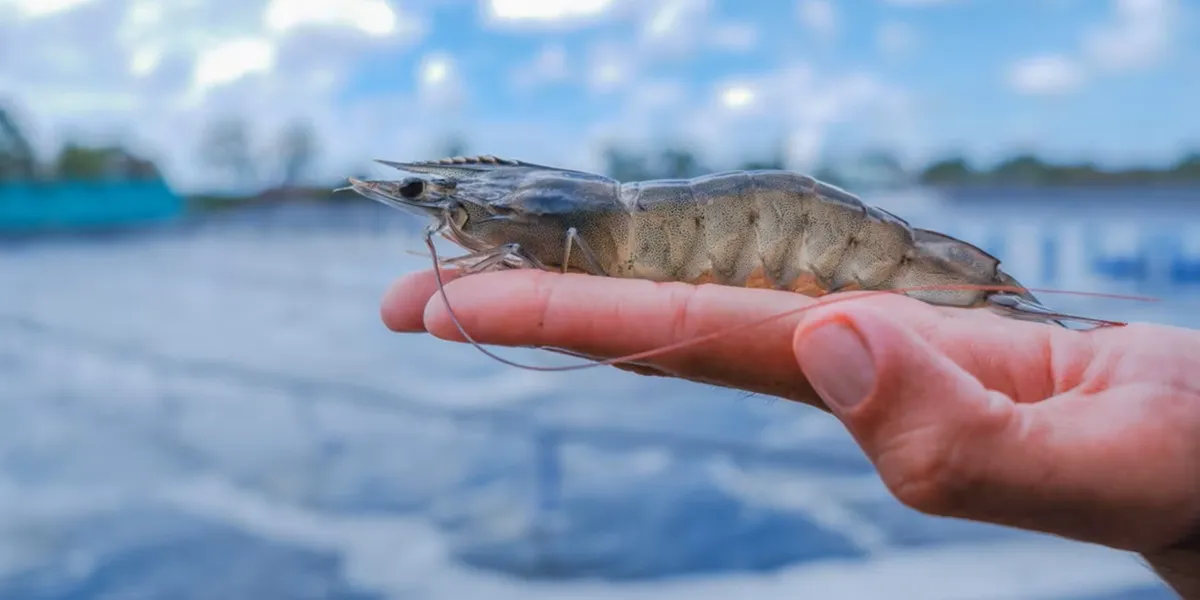
Discovering the true significance of A2 shrimp color can transform your shrimp farming and aquarium experience instantly. Understanding the color variations in A2 shrimp is not just about aesthetics—it directly reflects their health, breeding quality, and environmental adaptation. Whether you are a professional aquarist or a hobbyist, knowing how to interpret A2 shrimp color can help you maintain optimal water conditions, select the healthiest specimens, and enhance breeding success. Color intensity, patterns, and consistency are key indicators of nutrition, stress levels, and genetic quality.
Moreover, A2 shrimp with vibrant, uniform coloration often fetch higher market value and are more resilient to environmental fluctuations. By recognizing subtle color differences, you can make informed decisions about tank setup, feeding strategies, and selective breeding. In this guide, we will explore practical insights into A2 shrimp color, its causes, and what it signals about your shrimp’s well-being. Keep reading to uncover how to make the most of your shrimp collection.
Why Shrimp Color Matters More Than You Think
Shrimp color is often the first feature aquarists and farmers notice, but its true importance runs deeper than mere aesthetics. Specifically, A2 shrimp color serves as a key indicator of overall health, diet balance, and environmental stability. When shrimp display vivid, rich hues, it typically means they are thriving under optimal water conditions and receiving balanced nutrition. Conversely, dull or fading color patterns can signal stress, poor water quality, or nutritional deficiencies long before other symptoms appear.
For businesses like Pishva Holding, understanding shrimp coloration is integral to producing stock that meets industry standards and customer expectations. Color quality impacts not only market value but also consumer confidence — buyers often associate bright, consistent hues with superior well‑being and freshness. In aquaculture, color monitoring becomes an early diagnostic tool, helping caretakers adjust feeding programs, tweak water chemistry, and optimize tank environments.
Ultimately, A2 shrimp color is more than a visual trait — it’s a performance indicator that supports decision‑making across breeding, harvesting, and sales. As you continue reading, you’ll gain insight into the biology behind color, what it reveals about shrimp health, and how to interpret color changes effectively.
What Is the A2 Color in Shrimp? Understanding the Basics
When discussing shrimp appearance, A2 shrimp color refers to a specific spectrum of pigmentation that is highly valued in aquaculture and aquarium communities. This color classification is not arbitrary — it reflects consistent genetic traits and pigment expression that make shrimp stand out in both hobbyist and commercial environments. At its core, A2 coloration results from the interaction of pigments with dietary components and genetic factors.
Color in shrimp develops as carotenoids — especially astaxanthin — bind to proteins within muscle tissue, creating a visible range from subtle blushes to intense reds or oranges. Shrimp with clear, saturated A2 shrimp color tend to be healthier, indicating efficient absorption of dietary pigments and stable water conditions. For producers focused on delivering high quality and cost effective shrimp, monitoring and cultivating this pigmentation is essential. It helps ensure that stock not only looks appealing but also performs well in growth and survival metrics.
To assess A2 shrimp color in practical terms:
- Check under consistent lighting to avoid misinterpretation
- Compare with known healthy reference specimens
- Track changes over time rather than relying on a single snapshot
By understanding these basics, you can make more informed breeding and care choices that enhance both shrimp health and market desirability.
The Science of Color: Role of Astaxanthin in Shrimp
The vibrant hues seen in shrimp are primarily a result of a natural pigment called astaxanthin. In the case of A2 shrimp color, astaxanthin plays a central scientific role in producing and sustaining the rich tones that indicate strong health and genetic consistency. Unlike simple surface coloring, astaxanthin binds to proteins and integrates into tissue throughout the shrimp, creating coloration that is both deep and functionally meaningful.
Shrimp cannot synthesize astaxanthin on their own; they must obtain it through their diet. This is why feed formulation becomes so important for aquaculturists and suppliers like Iranian Shrimp Supplier & Wholesale. High‑quality diets including astaxanthin precursors — such as microalgae or fortified pellets — directly influence how much pigment shrimp can absorb and display. Without sufficient astaxanthin intake, even genetically robust shrimp will show muted or uneven A2 shrimp color.
Here’s how astaxanthin affects shrimp color at a glance:
| Factor | Impact on A2 Shrimp Color |
| Diet with high astaxanthin | Intensifies color saturation |
| Poor quality feed | Weakens color expression |
| Stress or poor water quality | Causes color dulling |
| Genetic factors | Determines baseline potential |
Understanding this science allows caretakers to better manage feeding strategies and environmental conditions. Proper nutrition, combined with mindful water quality control, ensures shrimp reach their full color potential — a sign of health and vitality.
Why A2 Color Shows Shrimp Quality
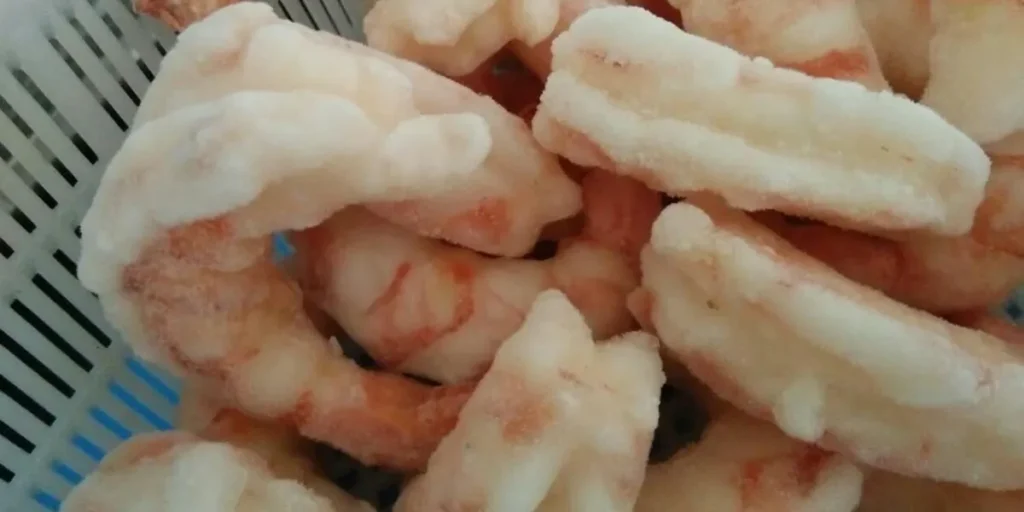
When assessing shrimp quality, A2 shrimp color often serves as one of the most reliable visual cues. Color intensity and consistency are closely linked with overall well‑being, genetic stability, nutrition history, and even environmental conditions. Shrimp that present rich, even pigmentation generally reflect robust metabolic health, efficient nutrient uptake, and an absence of chronic stressors.
For any reliable shrimp supplier, maintaining and showcasing superior color isn’t just about visuals — it’s about demonstrating that their stock has been raised under attentive care and proper conditions. Color becomes an indirect measure of water quality, feed formulation, and husbandry practices. Shrimp with fade‑resistant, vibrant A2 shrimp color typically show better survival rates and stronger growth, qualities that matter to both hobbyists and commercial buyers.
Here are practical reasons why A2 coloration tracks with quality:
- Nutrient absorption: Strong color implies effective digestion and nutrient utilization.
- Environmental success: Stable pigmentation often means stable tank conditions.
- Market preference: Customers and retailers favor richly colored shrimp.
- Stress indicator: Sudden color loss can be an early warning sign of suboptimal conditions.
By learning how to interpret A2 shrimp color accurately, you gain a dependable indicator of shrimp health and quality — making better decisions for breeding, purchasing, or selling shrimp with confidence.
A2 Color and Consumer Perception: What Buyers See
A2 shrimp color is one of the first qualities consumers notice, directly influencing purchasing decisions and brand trust. Bright, uniform coloration signals freshness, proper handling, and superior nutrition, which creates a positive perception of both the shrimp and the supplier. Conversely, dull or inconsistent color often discourages buyers, even if the shrimp is otherwise healthy.
For retailers and producers, understanding consumer perception is critical. Studies show that color consistency can increase repeat purchases and willingness to pay a premium. For example, shrimp exhibiting strong A2 shrimp color are often associated with higher market value and perceived quality.
Key consumer perceptions include:
- Visual appeal: Eye-catching color attracts attention in markets and online platforms.
- Freshness indicator: Consumers associate bright color with recent harvest.
- Trust in brand: Suppliers like Pishva Holding gain credibility through consistently vibrant shrimp.
| Color Trait | Consumer Interpretation |
| Bright red/orange | Fresh, high-quality shrimp |
| Pale or blotchy | Less fresh or poor nutrition |
| Uniform across batch | Professional handling and care |
In practice, maintaining consistent A2 shrimp color enhances consumer trust, supports brand reputation, and ensures that buyers recognize the full value of your stock.
Culinary Value: How A2 Color Enhances Presentation
In the culinary world, A2 shrimp color significantly impacts both presentation and perceived taste. Vibrant shrimp instantly make dishes look more appealing, influencing chefs and consumers alike. Color intensity is often linked with freshness and nutritional value, which chefs rely on for creating visually impressive plates.
Shrimp with strong A2 shrimp color are preferred in restaurants and gourmet kitchens because:
- They enhance visual appeal without additional garnishes
- Consistent color signals uniform cooking results
- Bright coloration indicates good diet and proper farming methods
Tips for culinary applications:
- Serve on contrasting backgrounds to highlight A2 color
- Avoid overcooking to preserve natural pigments
- Combine with fresh greens or sauces to amplify visual appeal
| Cooking Factor | Effect on A2 Shrimp Color |
| Boiling time | Shorter preserves color |
| Salt content | Moderate salt enhances brightness |
| Storage temperature | Cold storage retains pigments |
Overall, A2 shrimp color is not just cosmetic — it elevates dish aesthetics, signals freshness, and enhances the overall culinary experience. Restaurants and home chefs alike benefit from shrimp that present a vibrant, natural look on every plate.
The Biology Behind Color: A2 as a Sign of Optimal Physiology
The intensity of A2 shrimp color is a direct reflection of underlying physiology. Coloration is mainly influenced by the pigment astaxanthin, which is absorbed from diet and bound to proteins in shrimp tissue. Healthy shrimp with well-functioning metabolism and optimal environmental conditions exhibit vivid A2 shrimp color, while dull or uneven coloring may indicate stress or deficiencies.
Factors affecting shrimp color include:
- Diet: Adequate carotenoids and astaxanthin are essential
- Water quality: Proper pH, temperature, and oxygen levels support pigment expression
- Genetics: Inherited traits determine baseline color potential
For aquaculture professionals, monitoring A2 shrimp color provides a reliable, non-invasive indicator of physiological health. Consistent, vibrant coloration signals robust metabolism, efficient nutrient use, and minimal stress — all critical for maximizing growth, survival, and reproductive success.
How A2 Color Fits Into Shrimp Quality Hierarchy
A2 shrimp color is a central factor in evaluating shrimp quality, but it works alongside other indicators like size, texture, and survival rates. In quality hierarchies, shrimp exhibiting bright, uniform A2 coloration are typically categorized as premium, commanding higher market prices and demonstrating superior health.
Key aspects of quality evaluation:
- Visual grading: A2 color is the first factor in aesthetic assessment
- Nutritional quality: Pigmentation reflects nutrient-rich diets
Growth and resilience: Color correlates with survival and adaptability
A reliable shrimp supplier ensures that all stock demonstrates consistent A2 shrimp color, aligning visual appeal with overall health and quality. This creates trust with buyers, maximizes profitability, and supports long-term business sustainability. By placing A2 color at the forefront of quality assessment, aquaculture professionals can differentiate their products in competitive markets.
Conclusion: A2 Color Illustrates Shrimp Greatness
Understanding A2 shrimp color is more than a visual preference—it’s a powerful tool for shrimp care and breeding. The vibrant hues and patterns you see are direct reflections of genetics, diet, and water quality. Healthy A2 shrimp display consistent, bright coloration, while dull or uneven tones can indicate stress, poor nutrition, or unsuitable tank conditions. Paying close attention to these color signals allows aquarists to act proactively, adjusting feeding routines, water parameters, or tank mates to promote optimal growth. Additionally, A2 shrimp color can guide selective breeding efforts, ensuring future generations inherit the most desirable traits.
From choosing the right tank setup to monitoring water quality and diet, every aspect of shrimp care influences their appearance and vitality. For breeders, mastering color patterns is crucial for achieving higher-quality stock and enhancing market appeal. Ultimately, observing and understanding A2 shrimp color empowers hobbyists and professionals alike to maintain healthy, thriving shrimp communities. By applying these practical insights, you can elevate both the aesthetic beauty and overall well-being of your shrimp. Dive deeper into the details and strategies discussed here to transform your A2 shrimp experience into a visually stunning and sustainable success.
FAQ
1: What does A2 shrimp color indicate?
It reflects health, diet, and genetics. Vibrant color signals optimal physiology and proper environmental conditions.
2: Can diet change A2 shrimp color?
Yes. Shrimp absorb pigments like astaxanthin from food, enhancing coloration naturally.
3: Is A2 color linked to market value?
Absolutely. Shrimp with bright, uniform A2 color often command higher prices and are preferred by chefs and consumers.
4: How can I maintain consistent A2 shrimp color?
Ensure balanced diet, stable water conditions, minimal stress, and proper tank management.
5: Does A2 color affect taste?
While taste is influenced by freshness and diet, bright A2 color enhances visual presentation, which can affect perceived quality in culinary applications.