The quality of a squid-based feed ingredient is often decided before it ever reaches the feed mill. A reliable Squid Liver Powder Supply Chain starts with fresh raw material, rapid preservation, controlled processing, and consistent quality testing. Squid liver contains compounds that can contribute to feed attractiveness, including free amino acids, taurine, nucleotides, and small peptides, making it relevant to aquafeed applications, particularly shrimp diets. Research has shown that squid liver meal can improve feed attractability, although its effect depends on the ingredient and dietary formulation rather than simply its presence.
For feed manufacturers, this means supplier selection should go beyond price. Raw material handling, drying conditions, moisture, fat stability, microbiological quality, batch consistency, packaging, and transportation all need attention. A well-managed supply chain helps maintain predictable ingredient quality from processing plant to feed factory. In this article, follow the complete route of squid liver powder and learn which quality and supply-chain factors matter most when sourcing it for aquafeed production.
How Squid Liver Is Processed into a Stable Feed Ingredient
Turning squid liver into a reliable feed ingredient requires more than simply drying and grinding the raw material. The quality of the final product is largely determined by what happens between collection and stabilization. In a professional Squid Liver Powder Supply Chain, the process normally begins with the controlled collection of squid liver and other selected processing fractions, followed by preservation, heat treatment or another suitable stabilization method, drying, milling, screening, and packaging.
The objective is to reduce moisture and microbial risk while maintaining as much of the nutritional value and functional properties of the raw material as practical. FAO describes the general production of marine meals as a sequence involving heat treatment, separation of liquids and solids, drying, and grinding. It also emphasizes that excessive heat during processing can damage protein quality.
For companies such as pishva holding, consistent processing is therefore an important part of delivering a dependable marine feed ingredient.
A practical processing sequence can include:
- Raw material reception and inspection
- Chilling or other preservation
- Controlled cooking or stabilization
- Moisture removal
- Drying to a stable level
- Milling and screening
- Foreign-material removal
- Batch testing
- Packaging and storage
The final powder should be sufficiently stable for transportation and storage without losing the characteristics required by feed manufacturers.
Raw Material Handling: Protecting Squid Liver Quality Before Processing
Good squid liver powder starts with good raw material. Once squid liver is separated during processing, delays in cooling, poor hygiene, or prolonged exposure to unsuitable temperatures can accelerate deterioration. This is particularly important because marine raw materials contain proteins and lipids that can change during storage.
Within the Squid Liver Powder Supply Chain, raw material should therefore be moved into an appropriate preservation system as quickly as practical. FAO notes that minimizing the time between catch and processing, together with keeping raw material at low temperatures, helps reduce spoilage and protect protein quality. Total volatile nitrogen can also be used as an indicator of raw-material freshness in fishmeal production.
For buyers sourcing Squid liver powder, asking how the supplier handles the liver before processing can reveal important differences between suppliers.
Key points to verify include:
| Raw Material Factor | What to Check |
| Time before preservation | How quickly is the material chilled or processed? |
| Temperature control | Are appropriate chilled or frozen conditions maintained? |
| Hygiene | Are wet and potentially contaminated areas controlled? |
| Traceability | Can the supplier identify the source and processing batch? |
| Foreign material | Is the material protected from sand, metal, plastic, and other contaminants? |
| Freshness testing | Are appropriate freshness indicators monitored? |
Handling should also prevent unnecessary contact with contaminated surfaces or water. FAO highlights factory hygiene and separation of wet and dry processing areas as important measures for reducing contamination in marine meal production.
The main lesson is straightforward: processing cannot completely correct poor-quality raw material. A well-designed supply chain protects quality from the moment the squid liver is collected.
Drying, Milling, and Standardization of Squid Liver Powder
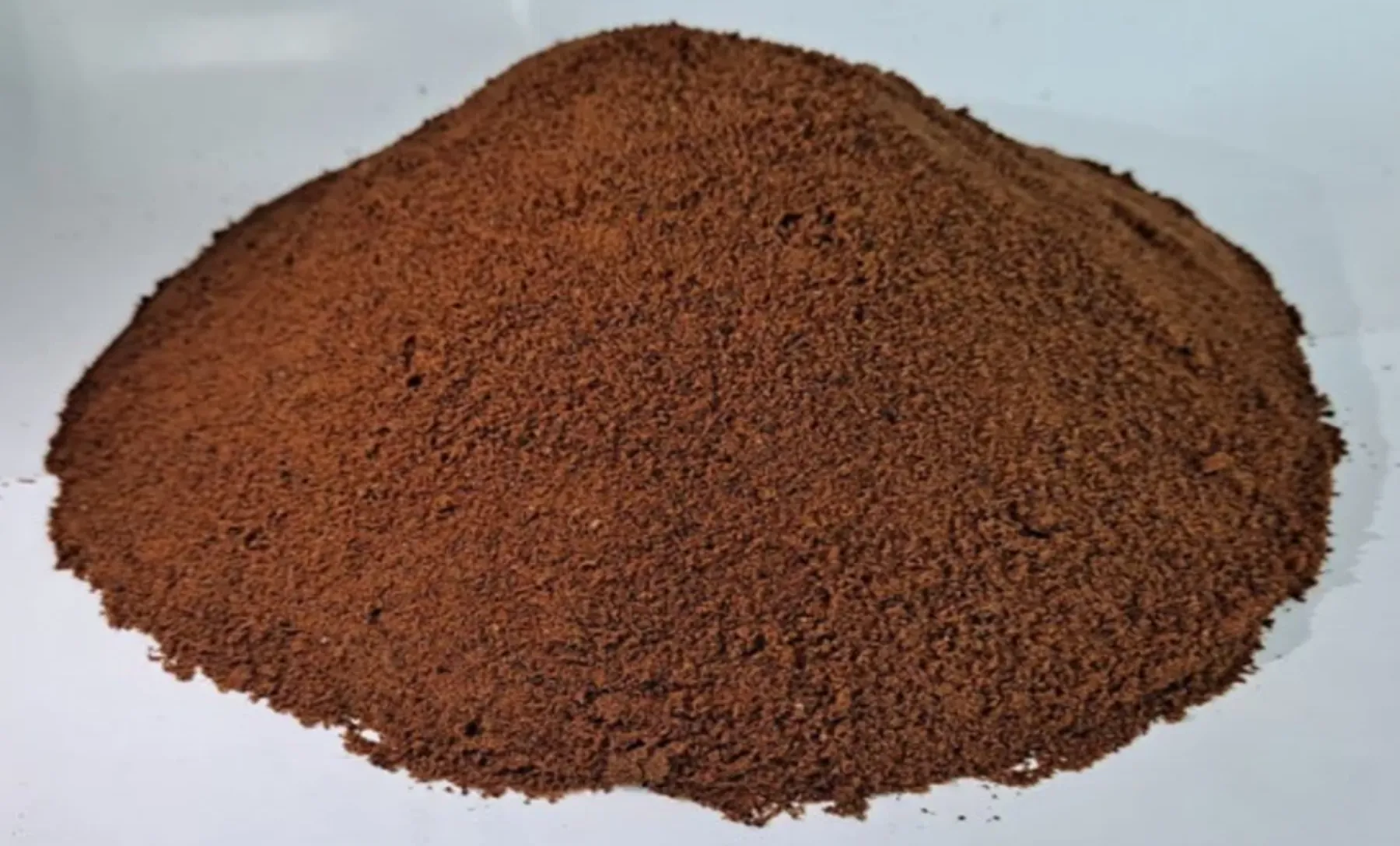
Drying is one of the most important stages because the product must lose enough moisture to become stable during storage, while excessive heat can reduce nutritional quality. In marine meal production, FAO identifies drying as the step that converts wet, unstable material into a dry and stable meal. It also warns that process temperatures need careful control because excessive heating can damage proteins.
For squid liver, the exact drying conditions should be determined by the composition of the raw material and the equipment being used. Fat content deserves particular attention because marine oils are susceptible to oxidation. The aim is not simply to produce a very dry powder, but to achieve a stable product with predictable quality.
After drying, milling creates a uniform particle size. FAO notes that appropriate milling helps marine meals blend more evenly into feed formulations. Screening and magnets can also be used to remove unwanted foreign materials before final milling.
A commercial specification may therefore include:
- Moisture
- Crude protein
- Crude fat
- Ash
- Particle-size distribution
- Bulk density
- Odor and appearance
- Foreign-material limits
- Oxidation indicators
- Microbiological specifications
Standardization is especially important for feed manufacturers. If particle size, moisture, or nutrient composition changes significantly between batches, the ingredient may behave differently during mixing, storage, and feed production.
For this reason, a professional Squid Liver Powder Supply Chain should treat milling and specification control as quality-management steps rather than simple finishing operations.
Quality Control: What Feed Manufacturers Should Check in Every Batch
A certificate of analysis is useful, but it should not replace a structured incoming-quality program. Feed manufacturers need to know whether the material they receive actually matches the agreed specification. FAO recommends physical inspection, representative sampling, and laboratory analysis as key components of feed-ingredient quality control.
For squid liver powder, the exact testing program should reflect the product specification, intended use, supplier history, and regulatory requirements. However, several parameters are particularly useful when evaluating marine-derived ingredients.
| Quality Parameter | Why It Matters |
| Moisture | Influences storage stability and microbial risk |
| Crude protein | Helps verify nutritional consistency |
| Crude fat | Important for energy value and oxidation risk |
| Ash | Helps identify mineral content and unusual variation |
| Peroxide or other oxidation indicators | Helps assess lipid deterioration |
| Microbiological tests | Supports feed safety |
| Particle size | Influences mixing and handling |
| Foreign material | Identifies physical contamination |
| Odor and appearance | Can reveal overheating or deterioration |
| Batch identification | Supports traceability |
Sampling deserves particular attention. A laboratory result is only as representative as the sample submitted for analysis. FAO specifically describes sampling as one of the most important activities in feed quality control.
A practical receiving procedure can include:
- Check the packaging and batch number.
- Inspect the powder for abnormal odor, color, moisture, or foreign material.
- Take a representative sample according to the facility’s sampling procedure.
- Compare the supplier’s COA with the agreed specification.
- Perform routine laboratory checks based on risk.
- Retain a reference sample from each accepted batch.
This approach makes the Squid Liver Powder Supply Chain more predictable and gives feed manufacturers evidence they can use when comparing suppliers and investigating batch-to-batch variation.
Packaging, Storage, and Transportation Without Losing Product Quality
Packaging is not the last minor step in the Squid Liver Powder Supply Chain. It is part of quality preservation. Once squid liver has been dried, exposure to moisture, oxygen, heat, pests, or contaminated handling areas can gradually reduce its quality. FAO guidance on marine meals notes that packaging should limit the entry of water vapor and oxygen, while storage areas should remain dry and protected from contamination.
For squid liver powder, this is particularly relevant because the ingredient can contain a meaningful amount of marine lipid. Lipid oxidation may cause rancidity and can reduce the nutritional value of stored feed ingredients.
A practical storage program should include:
- Moisture-resistant packaging with an appropriate barrier
- Clean, dry warehouses
- Protection from direct sunlight and excessive heat
- Pallets that keep bags away from the floor
- Pest-control procedures
- Clearly identified production lots
- FIFO stock rotation
- Regular inspection of stored batches
FAO also recommends keeping dry feed ingredients cool and dry and using first-in, first-out inventory management.
Transportation deserves the same attention. Bags should be protected from rain, condensation, damaged containers, and contact with previously transported materials that could contaminate the ingredient. For international shipments, buyers should also confirm the condition of the container before loading and keep shipping and batch records for traceability.
The practical goal is simple: the powder arriving at the feed mill should have essentially the same quality profile as the product that left the processing facility.
How Feed Manufacturers Should Evaluate Squid Liver Powder Suppliers
Choosing a supplier based only on price can create problems later. A lower purchase price has little value if the ingredient arrives with inconsistent moisture, oxidation, contamination, or major variation between batches. In a professional Squid Liver Powder Supply Chain, supplier evaluation should therefore combine product quality, technical capability, documentation, reliability, and total supply cost.
FAO guidance for feed mills recommends evaluating new suppliers through measures such as facility inspections, review of quality-assurance procedures, supplier certificates of analysis, previous laboratory data, representative samples, and checks of supplier reliability.
Before approving a supplier, feed manufacturers should consider:
| Supplier Factor | What to Verify |
| Raw material source | Origin and traceability of squid |
| Processing | Drying and stabilization procedures |
| Product specification | Agreed limits for key quality parameters |
| COA | Regular and verifiable laboratory results |
| Batch consistency | Results from multiple production lots |
| Microbiological control | Testing and sanitation procedures |
| Packaging | Protection against moisture and contamination |
| Logistics | Lead time and shipping reliability |
| Documentation | Batch, shipping, and regulatory records |
| Technical support | Ability to address formulation and quality questions |
Samples should be tested before a large commercial order is approved. It is also useful to compare several historical COAs rather than relying on one favorable laboratory report.
At receiving, the feed mill should inspect the shipment for abnormal odor, wetting, mould, foreign material, insects, texture, density, and other agreed specifications before unloading or accepting the material. FAO specifically recommends visual inspection followed by representative sampling and laboratory analysis where appropriate.
This approach turns supplier selection into a measurable quality process rather than a simple price comparison.
Building a Reliable Squid Liver Powder Supply Chain from Processor to Feed Mill
A dependable Squid liver powder Supply Chain depends on coordination between several stages rather than the performance of one supplier alone. The chain starts with squid processing and raw-material handling, then moves through stabilization, drying, milling, testing, packaging, storage, transportation, and finally quality verification at the feed mill.
The most effective approach is to establish clear specifications before purchasing. These specifications should define the characteristics that matter to the feed manufacturer, including nutritional parameters, moisture, oxidation indicators, microbiological requirements, particle size, packaging conditions, and documentation.
A practical supply-chain framework can look like this:
Squid processing → Raw-material preservation → Controlled processing → Drying → Milling → Laboratory testing → Packaging → Storage → Transportation → Feed-mill inspection → Approved use
Traceability should connect every stage. Each commercial batch should have a unique identification system that allows the buyer to determine when and where it was produced and which analytical results belong to that lot. FAO recommends documentation systems that make feed ingredients and finished products traceable and support quality control throughout manufacturing.
Long-term supplier relationships can also improve reliability. Instead of renegotiating specifications with every shipment, buyers can establish an agreed product specification, sampling procedure, acceptance limits, documentation requirements, delivery schedule, and corrective-action process.
Most importantly, quality should be monitored after delivery as well as before shipment. Storage conditions, inventory age, packaging integrity, and periodic testing can reveal changes that were not present when the product left the processor.
When these controls work together, the Squid Liver Powder Supply Chain becomes easier to manage, quality becomes more predictable, and feed manufacturers can use the ingredient with greater confidence.
Conclusion: Building a More Reliable Squid Liver Powder Supply Chain
A strong Squid Liver Powder Supply Chain is built on consistency, not simply availability. The journey begins with properly handled squid liver and continues through preservation, processing, drying, milling, quality control, packaging, transportation, and final inspection at the feed manufacturer. Weakness at any stage can affect the quality of the finished ingredient.
For buyers, the most practical approach is to establish clear specifications before placing large orders. Moisture, crude protein, fat, ash, oxidation indicators, microbiological quality, particle size, and batch traceability should be evaluated according to the intended application. A supplier that provides only a low price but cannot demonstrate consistent batches may create higher costs later through rejected material, reformulation, or unstable feed performance.
The functional value of squid-derived ingredients also deserves attention. Research has demonstrated that squid liver meal can contribute to feed attractability in shrimp, while other squid-derived ingredients have also shown potential in aquaculture diets.
Ultimately, reliable sourcing comes from treating squid liver powder as a controlled feed ingredient rather than a simple commodity. When processors, suppliers, logistics providers, and feed manufacturers work with defined quality standards and traceable batches, the entire supply chain becomes more predictable, efficient, and suitable for long-term aquafeed production.
FAQ
- What is the most important factor in storing squid liver powder?
Keeping the product dry and protected from excessive heat, oxygen, contamination, and pests is essential. Proper packaging and warehouse conditions help maintain stability during storage.
- Should feed manufacturers test every batch of squid liver powder?
The testing frequency should be based on the ingredient specification, supplier history, risk assessment, and applicable regulations. Incoming batches should at least be checked against the agreed specifications, with representative sampling and laboratory testing used as appropriate.
- What should buyers look for when selecting a squid liver powder supplier?
Buyers should assess raw-material traceability, processing controls, COAs, historical batch results, quality-assurance procedures, sample performance, packaging, logistics, and supplier reliability rather than comparing price alone.
- Why is packaging important for squid liver powder?
Appropriate packaging helps reduce exposure to moisture and oxygen. This is particularly important for marine ingredients containing lipids because oxidation can reduce quality during storage.
- How can a feed mill improve traceability?
Each shipment should be linked to a supplier, production lot, analytical records, shipping documents, and receiving records. Maintaining these records makes it easier to identify affected batches if a quality problem occurs.
- Is the cheapest supplier necessarily the best option?
No. A low purchase price can be offset by inconsistent quality, rejected shipments, additional testing, storage losses, or unreliable delivery. Supplier evaluation should consider the total cost and reliability of the supply relationship.