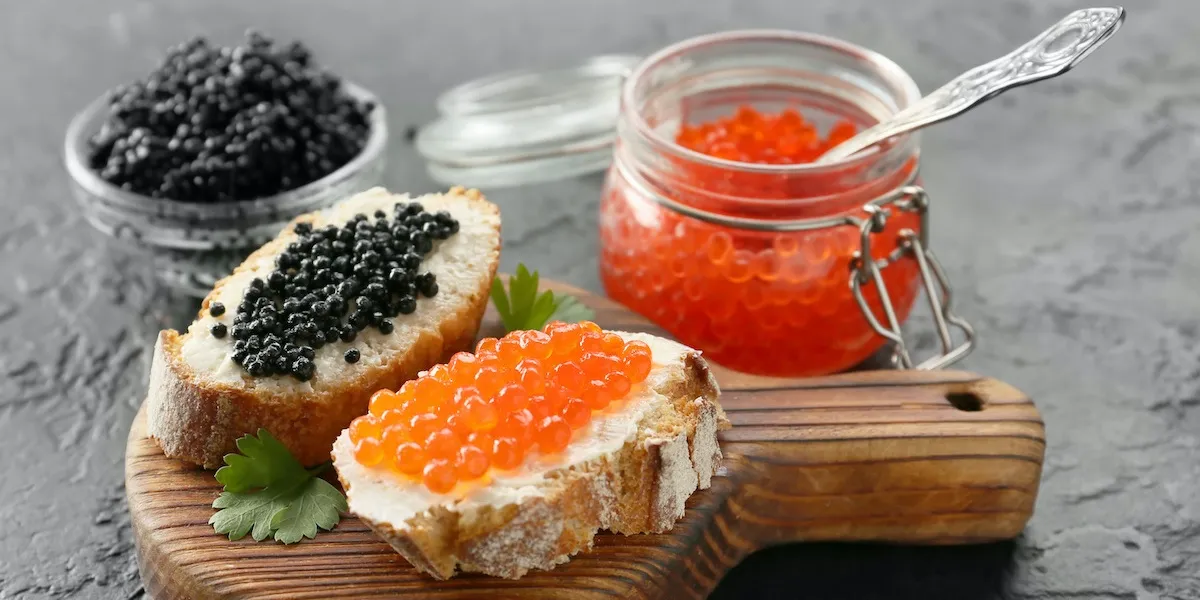
The primary difference between caviar and fish roe lies in origin and preparation. While both are edible fish eggs, not all roe qualifies as true caviar. Caviar specifically comes from sturgeon species and is carefully salt-cured to achieve its delicate texture and signature flavor, whereas fish roe can come from a wide range of fish, including salmon, trout, and flying fish, and is often used fresh, smoked, or lightly seasoned. Understanding this distinction is crucial for chefs, food enthusiasts, and anyone purchasing these delicacies, as it influences taste, texture, culinary applications, and price.
Fish roe provides a versatile, nutrient-rich option accessible in many cuisines, while caviar represents a premium experience with centuries of tradition. By recognizing these differences, you can make informed choices in cooking, serving, or gifting. Continue reading to explore the full guide on the difference between caviar and fish roe and how to appreciate both properly.
What Is Fish Roe? A Scientific and Culinary Definition
Fish roe refers to the fully developed, unfertilized eggs of fish and certain marine animals. It is a globally popular ingredient in culinary traditions ranging from Japanese sushi to European gourmet cuisine. Nutritionally, fish roe is rich in omega-3 fatty acids, high-quality protein, vitamin B12, and minerals like selenium, making it not only a delicacy but also a healthy addition to the diet.
Fish roe is classified by species, size, and preparation method:
| Type of Roe | Common Use | Flavor Profile | Texture |
| Salmon Roe (Ikura) | Sushi, garnishes | Mildly salty, oceanic | Large, pops in mouth |
| Capelin Roe (Masago) | Sushi, toppings | Light, subtle | Crunchy |
| Trout Roe | Pasta, salads | Mildly nutty | Soft |
| Flying Fish Roe (Tobiko) | Sushi | Slightly smoky | Crisp, crunchy |
Culinary Notes:
- Fish roe can be served fresh, lightly salted, smoked, or marinated.
- In many cultures, it is considered a versatile ingredient for both everyday dishes and high-end cuisine.
- Caviar by Pishva Holding, for instance, sources sturgeon roe but also educates consumers about diverse fish roe types.
Understanding the different types of fish roe is essential for distinguishing them from authentic caviar. Knowing these basics ensures chefs and consumers can select the right roe for recipes or gourmet tasting experiences.
What Is Caviar? The Traditional and Modern Definition
Caviar is a specific type of fish roe, but it differs from other roe in origin, processing, and tradition. Authentic caviar comes exclusively from sturgeon species and undergoes a delicate salt-curing process (malossol) to preserve its signature flavor and silky texture. Modern culinary practices have expanded the term to include closely related sturgeon species, though true caviar remains one of the most luxurious food items globally.
Key Features of Caviar:
- Source: Sturgeon species such as Beluga, Osetra, and Sevruga.
- Preparation: Lightly salted to enhance flavor while maintaining natural texture.
- Price: Premium, due to slow sturgeon maturation and controlled harvesting.
| Caviar Type | Origin | Flavor | Egg Size |
| Beluga | Caspian Sea | Buttery, delicate | Large |
| Osetra | Russia, Iran | Nutty, firm | Medium |
| Sevruga | Caspian Sea | Briny, intense | Small |
Additional Insights:
- Modern gastronomy sometimes uses the term “caviar” for non-sturgeon roe, but culinary experts distinguish these clearly.
- The difference between black and red caviar lies in species, color, flavor, and texture. Black caviar comes from sturgeon, while red caviar usually refers to salmon or trout eggs.
Caviar is celebrated not only for taste but also for its cultural and historical significance, making it a must-know delicacy for chefs, gourmets, and culinary enthusiasts.
Scientific Criteria: Caviar vs. Roe
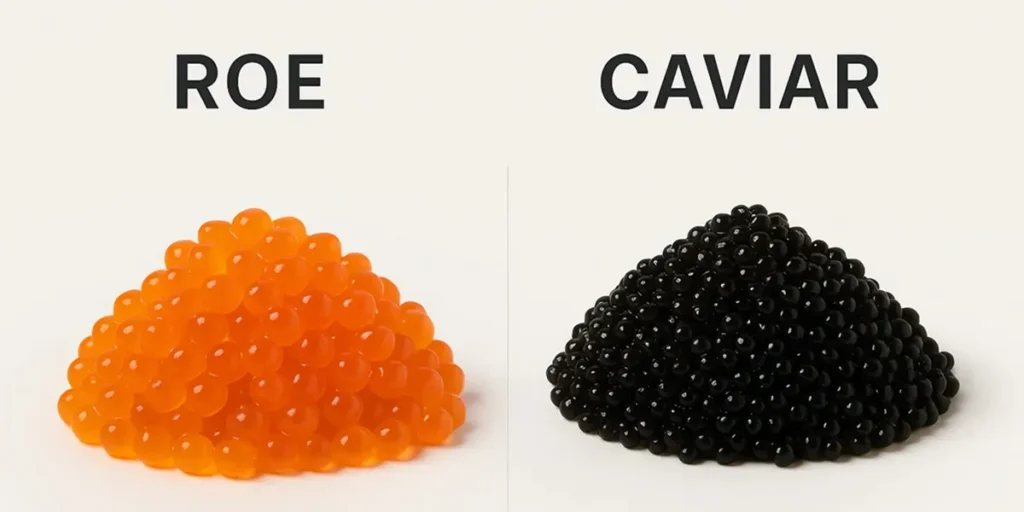
Understanding the difference between caviar and fish roe requires a scientific and regulatory perspective. While both are fish eggs, caviar is strictly defined by species, processing, and salting method, whereas fish roe is a general term encompassing eggs from many species.
Scientific Distinctions:
- Species: Caviar comes from sturgeon; other roe comes from salmon, trout, mackerel, etc.
- Egg Size: Sturgeon caviar eggs vary from 2–4 mm, while salmon roe can exceed 5 mm.
- Processing: Caviar is lightly salted (malossol) and aged for optimal flavor; most fish roe is consumed fresh, smoked, or lightly cured.
Comparison Table – Caviar vs. Fish Roe
| Feature | Caviar | Fish Roe |
| Source | Sturgeon only | Any fish species |
| Salting | Malossol (lightly salted) | Optional |
| Price | High | Moderate to low |
| Flavor | Silky, buttery, subtle briny | Varies: mild to strong oceanic |
| Culinary Use | Gourmet, luxury | Sushi, pasta, salads, spreads |
Notes:
- Difference caviar and roe is critical for buyers to understand, especially for ethical and quality considerations.
- Authentic caviar requires regulated sourcing due to endangered sturgeon populations.
- Fish roe provides accessibility, variety, and nutrition without the luxury price tag.
By understanding these criteria, consumers and chefs can distinguish authentic caviar from general fish roe and make informed culinary or purchasing decisions.
Flavor and Texture: What Sets Caviar Apart
Flavor and texture are the most immediate ways to experience the difference between caviar and fish roe. While both originate as fish eggs, caviar’s unique qualities are shaped by species, processing, and aging methods.
Caviar Flavor Profile:
- Silky, creamy, and subtly briny
- Delicate umami notes, sometimes nutty or buttery
- Uniform size and consistency in high-quality caviar
Fish Roe Flavor Profile:
- Salmon roe: salty, slightly sweet, pops in the mouth
- Tobiko (flying fish): mild smoky notes, crisp texture
- Capelin: delicate, slightly crunchy
Texture Comparison Table:
| Type | Flavor | Texture | Culinary Use |
| Beluga Caviar | Buttery, rich | Smooth, melts in mouth | Luxury tasting |
| Salmon Roe | Mildly salty | Large, burst | Sushi, pasta |
| Tobiko | Light, smoky | Small, crunchy | Sushi, garnish |
| Trout Roe | Nutty | Soft | Salads, appetizers |
Additional Notes:
- Top 10 Caviar in the World showcase a range of flavors, from creamy Beluga to firm Osetra, highlighting regional differences.
- Serving caviar properly requires attention to utensils and temperature; non-metal spoons preserve flavor.
- Fish roe versatility allows chefs to experiment with bold flavors, while caviar is best appreciated in subtle pairings.
The texture and taste distinctions are essential for both culinary professionals and enthusiasts who wish to enjoy these delicacies at their finest.
Culinary Uses: How They Are Served
Understanding the difference between caviar and fish roe is critical when it comes to culinary applications. While both originate as fish eggs, their uses vary based on texture, flavor, and tradition.
Caviar Uses:
- Served raw or lightly chilled on blinis, toast points, or crackers.
- Paired with crème fraîche, lemon, or mild accompaniments to highlight subtle flavors.
- High-end gastronomy uses caviar as garnish for oysters, eggs, and seafood dishes.
- Proper serving etiquette avoids metal spoons to prevent altering taste; mother-of-pearl or bone spoons are preferred.
Fish Roe Uses:
- Salmon roe (ikura) is popular in sushi, rice bowls, and pasta dishes.
- Flying fish roe (tobiko) adds crunch to rolls and appetizers.
- Capelin or trout roe is often lightly cured or used in spreads and sauces.
Offers a versatile ingredient for everyday dishes as well as festive occasions.
Whether for a gourmet tasting or home cooking, knowing the difference between caviar and fish roe ensures that the chosen ingredient enhances flavor and presentation. Chefs and enthusiasts alike appreciate the nuances in taste, texture, and elegance that each brings to the table.
Price and Rarity: Why Caviar Costs More
One of the most noticeable distinctions when learning the difference between caviar and fish roe is price. True sturgeon caviar is one of the world’s most expensive delicacies, while other fish roe remains more accessible.
Factors Driving Caviar Price:
- Species and Rarity: Beluga, Osetra, and Sevruga sturgeon produce limited eggs.
- Maturation Time: Sturgeon can take 8–20 years to produce quality roe.
- Processing & Handling: Salt-curing, quality control, and proper storage add cost.
- Regulations: International protection (CITES) limits supply to ensure sustainability.
Fish roe is often produced in larger quantities and does not require decades of cultivation, making it more affordable and versatile. Understanding these factors helps consumers and chefs make informed choices based on budget, culinary intention, and authenticity. Recognizing the difference between caviar and fish roe prevents confusion when shopping and ensures the best experience for each dish.
Sustainability and Ethical Considerations
Sustainability is a key factor when discussing the difference between caviar and fish roe. Overfishing and habitat loss have endangered many sturgeon species, prompting international regulations and ethical sourcing standards.
Sustainable Caviar Practices:
- Farming Sturgeon: Aquaculture programs reduce wild population pressure.
- CITES Compliance: Limits export of endangered sturgeon species.
- Traceability: Ethical producers track the origin of each batch to prevent illegal harvesting.
Fish Roe Considerations:
- Most roe from salmon, trout, and flying fish is widely available and less impacted by overfishing.
- Consumers should still check labels for sustainability certifications (e.g., MSC-certified seafood).
By understanding these factors, consumers can choose ethically sourced products while appreciating the taste and tradition. Recognizing the difference between caviar and fish roe is not only about flavor and price—it also reflects responsibility toward marine ecosystems and culinary heritage.
Conclusion: Choosing Between Caviar and Fish Roe
The difference between caviar and fish roe goes beyond just terminology—it is a reflection of species, processing methods, and culinary heritage. True caviar is exclusively sourced from sturgeon and undergoes a precise salt-curing process, offering a luxurious, smooth, and subtly briny flavor that has made it one of the world’s most prized delicacies. Fish roe, on the other hand, encompasses eggs from multiple fish species and offers a wide range of textures and flavors, from the popping burst of salmon roe to the delicate crunch of tobiko.
Nutritionally, both provide essential omega-3 fatty acids, protein, and vitamins, making them healthy as well as flavorful. Choosing between caviar and fish roe depends on occasion, budget, and desired culinary experience. Understanding these differences ensures that whether you are enjoying a gourmet tasting or crafting everyday dishes, you make informed, delicious choices that honor both tradition and taste.
FAQ
1: What is the main difference between caviar and fish roe?
Caviar comes exclusively from sturgeon and is salt-cured, while fish roe includes eggs from many fish species and can be served fresh, smoked, or lightly salted.
2: Is all fish roe considered caviar?
No. Only sturgeon roe that is properly processed and cured qualifies as true caviar. Other fish roe, such as salmon or trout, is simply called roe.
3: Why is caviar more expensive than regular fish roe?
Factors include sturgeon rarity, slow maturation, labor-intensive processing, and international trade regulations. Fish roe is abundant and easier to produce.
4: How should caviar be served?
Serve chilled on blinis, toast, or crackers. Avoid metal utensils, using mother-of-pearl or bone spoons instead. Pair with mild garnishes to preserve flavor.
5: Is farmed caviar sustainable?
Yes, responsibly farmed sturgeon caviar reduces wild population pressure. Look for certifications and traceable sourcing to ensure ethical choices.
6: Can fish roe be used in everyday cooking?
Absolutely. Salmon, trout, and tobiko are versatile and can be added to sushi, pasta, salads, or spreads without high cost.