
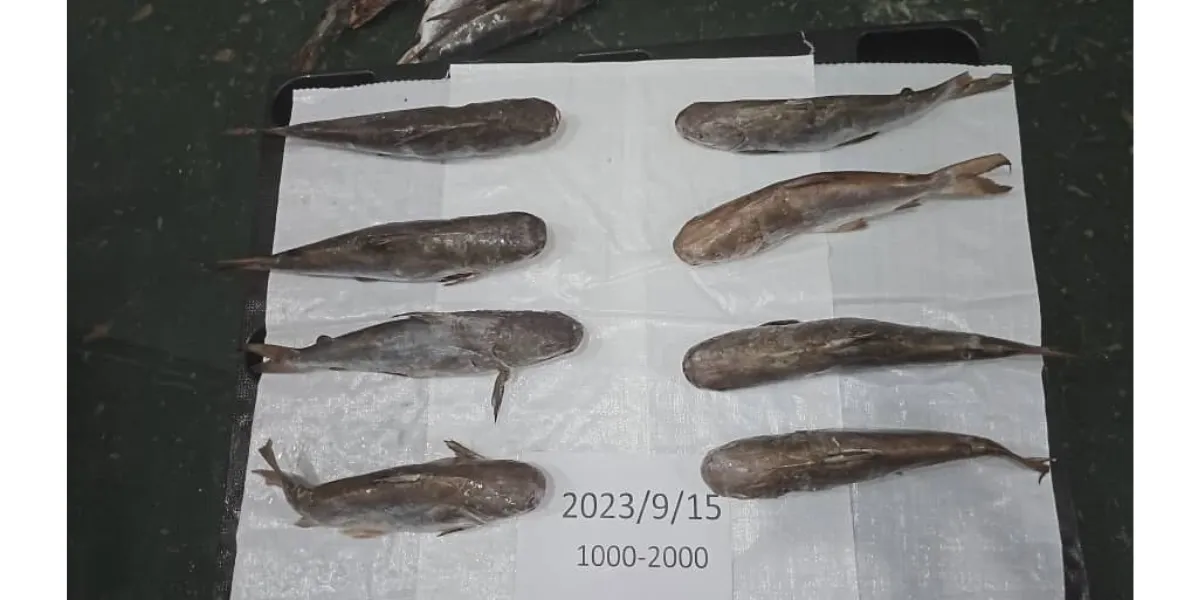
The most effective Carangidae export packaging strategies begin long before the fish reaches the processing floor. Exporters who succeed in maintaining premium quality across distant markets understand that every decision—from handling procedures to the final packaging format—shapes product integrity. In the case of Carangidae species, such as horse mackerel and trevallies, the right combination of whole, gutted, frozen, or IQF options directly influences freshness, texture, and market value. Modern buyers expect consistency, transparent processing standards, and packaging that protects the fish during extended cold-chain transportation.
This means exporters must align their methods with scientific guidelines on freezing rates, microbial control, temperature stability, and moisture retention. When done correctly, Carangidae export packaging becomes more than a logistics step; it becomes a quality promise to international customers. If you’re looking to refine your approach and ensure your product stands out in global markets, continue reading to explore the essential steps.
Optimized Post-Harvest Handling for Carangidae to Preserve Export-Grade Quality
Effective post-harvest handling is the backbone of maintaining export-grade Carangidae quality, and companies with a strong track record—such as Pishva Holding—recognize that the process begins the moment the fish leaves the water. For Carangidae species, maintaining a tight temperature control curve is essential. The first step is rapid chilling, ideally bringing the core temperature below 4°C within the first hour. This slows bacterial activity, stabilizes muscle proteins, and protects the natural flavor. Gentle handling on board helps minimize bruising and texture damage, both of which reduce market value.
The next stage involves clean, temperature-regulated sorting areas where the fish are arranged for whole or gutted processing. Using stainless-steel surfaces, sanitized tools, and potable water reduces contamination risks. A well-managed cold chain is equally important; even brief temperature fluctuations can lead to enzymatic softening and moisture loss.
For Carangidae export packaging, exporters often rely on insulated containers, food-grade liners, and crushed ice or gel packs to stabilize the fish until freezing. Proper documentation and batch identification also help maintain traceability—a major requirement in today’s global seafood market. When each step is executed precisely, exporters ensure consistent texture, color, and overall freshness for international buyers.
Whole vs. Gutted Carangidae: Choosing the Right Preparation Method for International Markets
Choosing between whole and gutted formats is a strategic decision that depends heavily on target markets and product specifications. For some importers, especially those buying Iranian Carangidae, whole fish offers the most natural presentation and allows end-users to process the fish according to their culinary needs. Whole fish also retains more moisture during freezing, helping preserve firmness.
However, gutted Carangidae has several advantages for buyers who value convenience, reduced processing time, and lower waste. Gutting also slows spoilage by removing internal organs where bacterial activity begins most rapidly. In many Asian and European markets, gutted forms are preferred because they deliver better hygiene standards and more predictable shelf-life performance.
The freezing process plays an important role in both formats. When exporting gutted fish, exporters must ensure thorough washing, bloodline removal, and complete drainage before packaging. For whole fish, correct chilling techniques prevent the visceral cavity from trapping heat.
Market research consistently shows that consumers evaluate Carangidae by appearance, cleanliness, and texture. Therefore, exporters should assess buyer expectations, export regulations, and intended culinary uses before choosing a preparation format. When aligned properly, this decision significantly improves customer satisfaction and long-term export success.
Scientific Standards for Freezing Carangidae: Temperature, Timing, and Shelf-Life Stability
Freezing remains one of the most scientifically validated methods of preserving seafood, and Carangidae species are no exception. Meeting international Carangidae quality standards requires precise control over time and temperature to maintain the fish’s natural protein structure and prevent excessive drip loss. The freezing process should ideally bring the product to –18°C or lower at the core within a short time frame. Rapid freezing forms smaller ice crystals, which reduce cell rupture and preserve texture upon thawing.
Correct handling before freezing is equally important. Carangidae should be fully chilled, washed, and drained to minimize surface dehydration. Exporters must also monitor humidity levels inside freezers to mitigate frost buildup, which can negatively affect packaging integrity.
Shelf-life stability for frozen Carangidae depends on maintaining an uninterrupted cold chain. Even short temperature spikes can cause partial thawing, protein denaturation, and accelerated oxidation. Vacuum sealing or glazing can help protect the fish from freezer burn, particularly for products destined for long-distance markets.
By following internationally recognized scientific guidelines, exporters ensure consistent quality, predictable shelf life, and improved acceptance in demanding global markets. These freezing standards form the scientific backbone of successful Carangidae export operations.
IQF Technology for Carangidae: Benefits, Processing Workflow, and Quality Assurance
Individual Quick Freezing (IQF) has become a preferred method in modern seafood logistics, especially when dealing with products requiring flexibility and visual appeal. In the world of Carangidae export packaging, IQF systems offer unparalleled benefits by freezing each fish separately, ensuring that pieces do not clump together. This is ideal for customers who require easy portioning, fast thawing, and consistent usability in processing lines.
The IQF workflow begins with pre-chilling, washing, and sorting the fish. Carangidae must be evenly spaced on the conveyor belt to ensure uniform air exposure inside the freezing tunnel. High-velocity cold air at temperatures as low as –40°C rapidly freezes the product, minimizing ice crystal formation and protecting muscle integrity. Once frozen, each piece remains loose, allowing packers to arrange the fish naturally inside bags or cartons.
Quality assurance in IQF processing involves constant monitoring of belt speed, airflow, and product temperature. Exporters must also conduct routine sensory checks, glaze quality evaluations, and microbiological testing. IQF is particularly valuable for markets that require retail-ready packaging or flexible processing schedules. By integrating IQF into Carangidae export packaging workflows, producers enhance shelf-life performance and meet modern buyer expectations.
read more: Iran Carangidae export
Packaging Materials and Insulation Methods That Maintain Freshness During Long-Distance Shipping
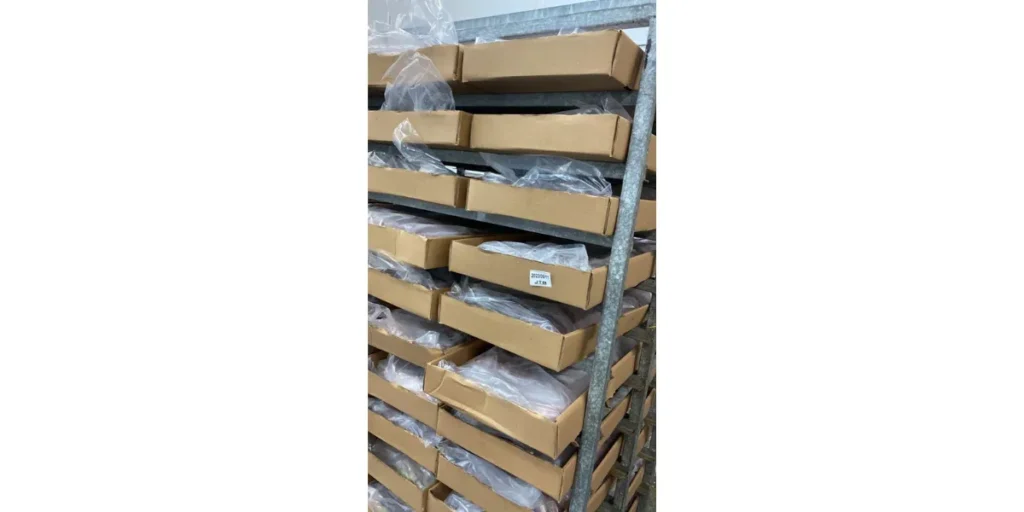
Long-distance seafood logistics depend greatly on the choice of packaging materials and insulation systems. For Carangidae, exporters typically rely on a combination of food-grade liners, insulated cartons, and gel ice packs to create a stable micro-environment during transport. These materials help maintain low temperatures, prevent dehydration, and protect against mechanical damage.
Polystyrene and polyurethane containers are commonly used because of their excellent thermal retention properties. These structures prevent warm air from penetrating the interior and slow the rate of ice melting. Exporters also use multilayer films or vacuum-sealed bags for additional protection against oxidation and moisture loss.
Proper drainage systems in packaging are essential for preventing water accumulation, which can accelerate spoilage and degrade texture. Exporters should also choose materials with high compression resistance to withstand stacking during international shipping.
Shipping conditions vary widely depending on destination, climate, and transit duration. Therefore, carriers and exporters must work together to maintain consistent temperatures throughout the cold chain. When insulation methods and packaging materials complement each other, Carangidae arrives in stable, premium condition—ensuring better consumer satisfaction and stronger long-term market presence.
Global Compliance Requirements: Hygiene, Labeling, and Cold-Chain Regulations for Carangidae Exports
Exporting Carangidae to international markets involves strict compliance with regulatory frameworks that govern seafood hygiene, labeling accuracy, and cold-chain integrity. Authorities such as the European Food Safety Authority (EFSA), the U.S. FDA, and various Asian regulatory bodies require exporters to maintain traceable processing records, validated sanitation procedures, and clear origin labeling.
Hygiene requirements typically include the use of disinfected equipment, potable water, and standardized handling protocols. Workers must follow certified training programs to prevent cross-contamination during washing, sorting, and packing.
Labeling regulations often require full traceability, including scientific species name, catch area, production method, processing format, and freezing date. Some markets may also request certification for sustainability or responsible fishing practices.
Cold-chain regulations emphasize keeping Carangidae at consistent temperatures from the moment of catch through arrival at the importer’s facility. Temperature loggers are commonly used to verify compliance during transit.
Exporters who follow these rules demonstrate reliability and professionalism—qualities highly valued in competitive seafood markets. Proper compliance not only protects consumer safety but strengthens trust and supports long-term international partnerships.
Risk Management in Carangidae Export Logistics: Preventing Drip Loss, Oxidation, and Texture Degradation
Managing quality risks during Carangidae export requires a thorough understanding of the factors that affect texture, flavor, and moisture retention. Drip loss, for instance, increases when cell structure is damaged by slow freezing or temperature fluctuations. To minimize this, exporters must ensure rapid chilling and maintain a continuous low-temperature chain throughout storage and transport.
Oxidation is another concern, especially for fatty species within the Carangidae family. Exposure to oxygen accelerates rancidity, causing off-flavors and discoloration. Using vacuum packaging, glazing, or oxygen-barrier films helps protect against oxidative damage.
Texture degradation often results from inadequate handling, insufficient gutting hygiene, or repeated thawing cycles. Training crews, upgrading handling equipment, and implementing strict quality audits are effective methods for reducing such risks.
Regular monitoring, detailed documentation, and preventive maintenance of refrigeration units all contribute to a more stable supply chain. When exporters adopt a proactive risk-management approach, they not only protect product quality but also strengthen their competitive position in global seafood markets.
Final Thoughts: Building a Reliable Packaging Framework for Carangidae Exports
Ultimately, the strength of any Carangidae export packaging plan lies in its ability to balance science with practical field experience. Exporters who treat packaging as a strategic component—not a last-minute task—are the ones who consistently deliver fish that performs well in sensory evaluations, shelf-life testing, and buyer satisfaction metrics. By selecting the right preparation format, whether whole or gutted, and applying reliable freezing techniques such as IQF or block freezing, producers can maintain the natural firmness and clean flavor profile that Carangidae species are valued for.
Equally important is the choice of packaging materials and insulation quality. These two factors determine how well the product withstands temperature fluctuations during long-distance shipping. Stronger control over humidity, oxidation exposure, and drip loss also leads to more stable product quality upon arrival.
In a competitive export market, attention to these details helps build trust and long-term business relationships. Carangidae export packaging is not just about protecting a shipment—it’s about presenting a product that reflects professionalism, consistency, and an understanding of global demand. For exporters aiming to raise their standards, reviewing and optimizing each stage of the packaging chain is one of the most effective investments they can make.
FAQ
1. What factors influence the quality of Carangidae during export?
Carangidae quality is mainly affected by temperature control, handling methods, and the speed of post-harvest processing. Rapid chilling, clean sorting areas, and well-managed freezing are essential. Proper Carangidae export packaging also helps prevent physical damage, oxidation, and moisture loss during long-distance transportation.
2. Is it better to export Carangidae whole or gutted?
It depends on market requirements. Some regions prefer whole fish for traditional cooking and presentation, while others favor gutted fish for convenience and longer shelf life. Both formats can perform well if handled and frozen correctly.
3. How does IQF freezing improve Carangidae exports?
IQF technology freezes each fish individually at extremely low temperatures, resulting in better texture, reduced drip loss, and easier portioning. This method also supports flexible storage, allowing buyers to use only the needed amount without thawing entire batches.
4. What packaging materials work best for Carangidae export?
Insulated cartons, food-grade liners, vacuum-sealed bags, and gel packs are commonly used. These materials help maintain temperature stability and protect the fish from dehydration, oxidation, and mechanical impact during transport.
5. How can exporters prevent drip loss in frozen Carangidae?
Minimizing drip loss requires rapid freezing, maintaining stable storage temperatures, and using high-quality glazing or vacuum packaging. Eliminating temperature fluctuations is key to preserving cell structure and moisture.
6. What regulations should exporters follow for Carangidae shipments?
Exporters must comply with hygiene standards, accurate labeling rules, and strict cold-chain requirements set by authorities such as the EU, FDA, and regional Asian markets. Documentation, traceability, and temperature monitoring are essential components of compliance.
7. What is the ideal freezing temperature for Carangidae?
The recommended core temperature is –18°C or lower. Rapid freezing helps form smaller ice crystals, which protect the fish’s natural texture and extend shelf life.
8. Why is traceability important in Carangidae export packaging?
Traceability builds trust and ensures regulatory compliance. It allows buyers and authorities to confirm the fish’s origin, processing date, and handling conditions, reducing risks and enhancing market reputation.
9. How can exporters reduce oxidation in Carangidae products?
Using vacuum-sealed packaging, oxygen-barrier films, and proper glazing helps protect the fish from exposure to air. Maintaining low temperatures also slows oxidation significantly.
10. What is the main advantage of using insulated shipping containers?
Insulated containers help maintain consistent temperatures during long-distance transport. This stability protects fish quality, reduces ice melt, and prevents cold-chain failures that could compromise the shipment.


