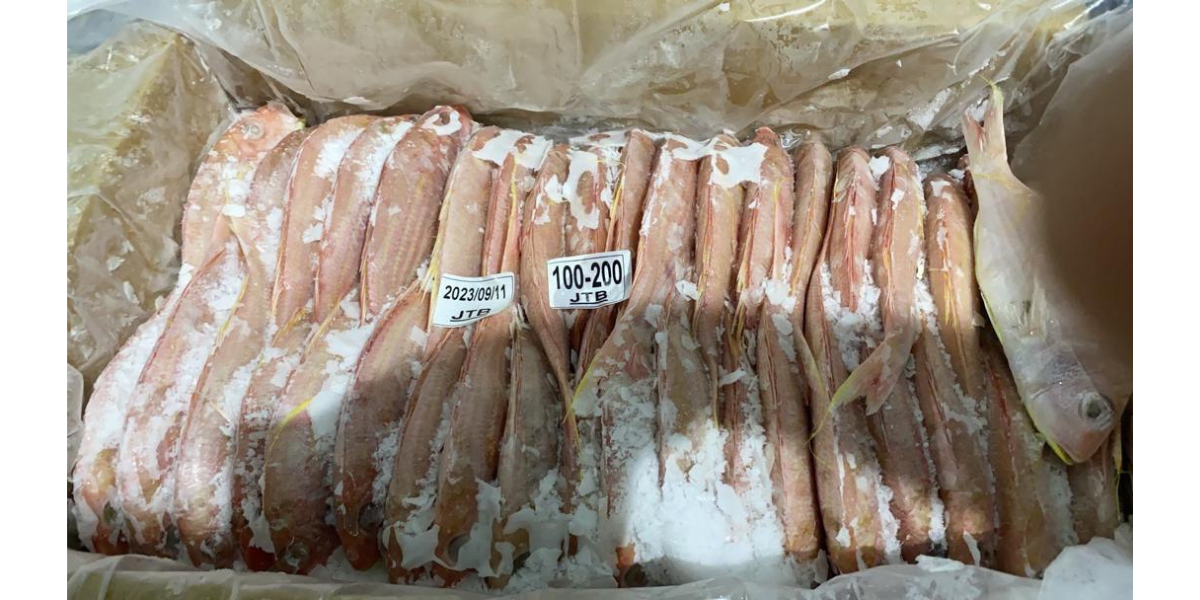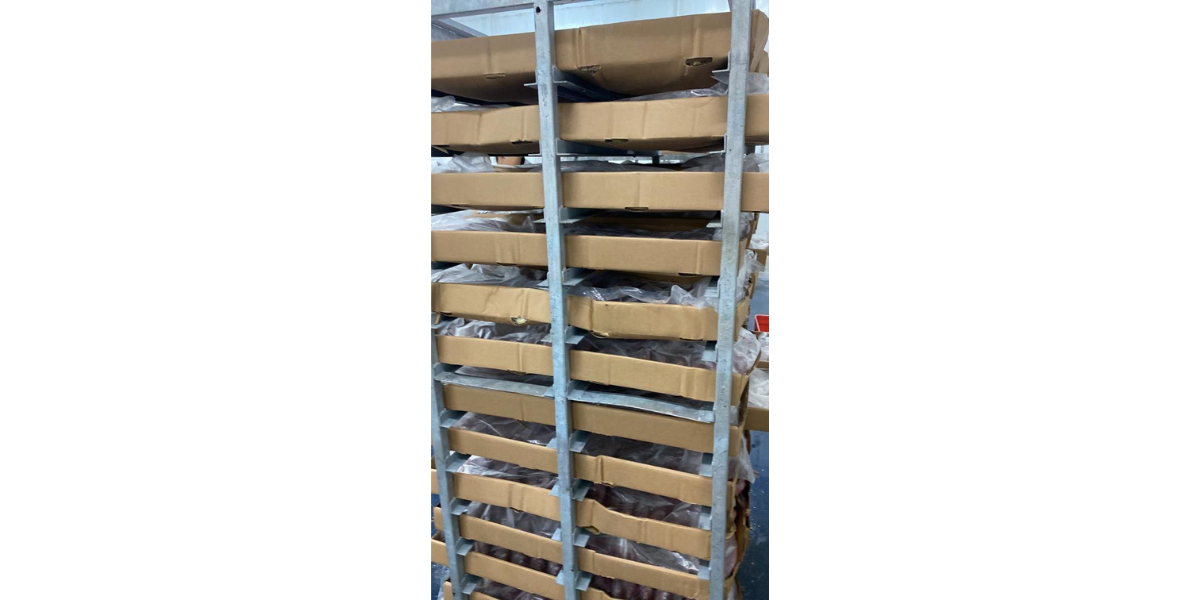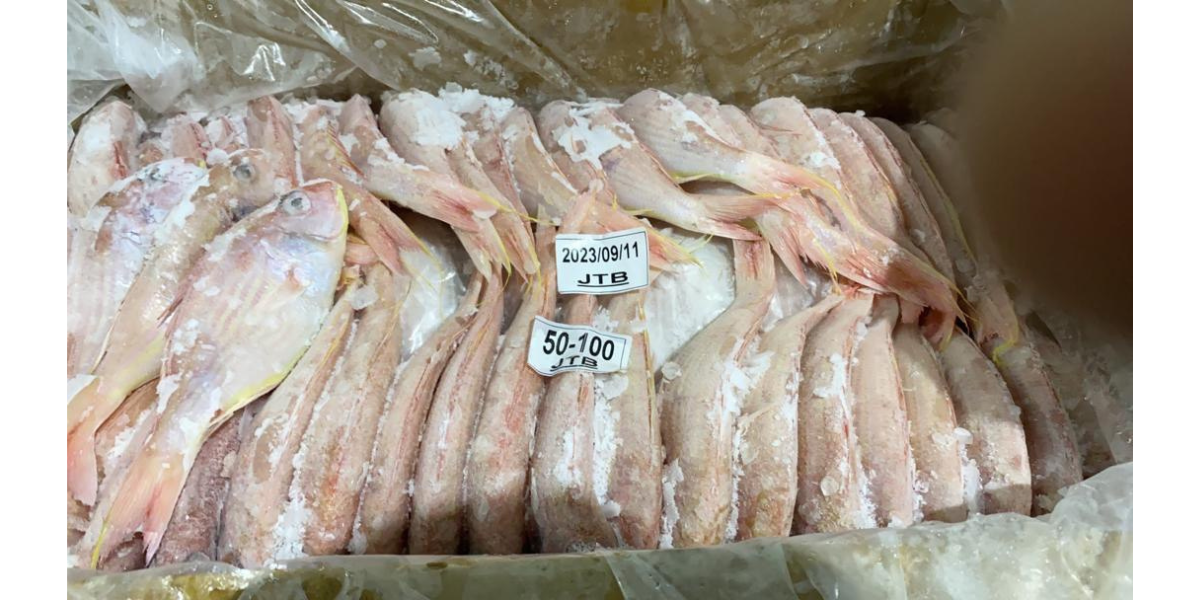
Ensuring the quality of JTB before import is not optional—it’s a critical step for any business aiming to maintain reliability and compliance. Conducting a proper JTB quality inspection allows importers to detect defects, verify specifications, and prevent costly disruptions in the supply chain. Without a systematic inspection process, even the most trusted suppliers can deliver inconsistent or substandard products, which could lead to financial loss, regulatory penalties, or damage to your brand reputation.
A comprehensive JTB quality inspection involves examining product materials, verifying certifications, assessing packaging integrity, and sometimes performing functional or laboratory tests. Modern importers also consider pre-shipment inspections, supplier audits, and independent verification of documentation to ensure every batch meets the agreed standards.
By understanding these processes and implementing them strategically, you can significantly reduce risk and make informed decisions before committing to imports. Follow this guide to learn step by step how to verify the quality of JTB effectively.
Why Pre‑Import Quality Checks Matter: Risks If You Skip JTB Verification
Stepping into international trade without a proper pre‑import quality check is a high‑stakes gamble. If you skip JTB verification, you risk receiving products that fail to meet agreed technical or safety standards — which can mean defective merchandise, non‑compliant goods, or even rejected consignments at customs.
Imagine ordering a large consignment from a supplier such as Pishva Holding: without a rigorous inspection process, there’s no guarantee that what arrives matches the specification sheet. Mistakes in dimensions, quality of materials, packaging integrity, or labeling all become costly liabilities — especially when you consider the expense of returns, replacements, or wasted time in regulatory delays.
Moreover, bypassing pre‑import checks undermines trust in your supply chain and weakens negotiation leverage with suppliers. Using systematic inspections — including quality verification, documentation review, and sampling — transforms “trust” into documented assurance. For anyone importing JTB, skipping these steps is not just risky — it’s unwise.
Understand the Key Quality Criteria for JTB: What to Look for Before Shipment
Before agreeing to shipment — particularly if you are importing products like Iranian JTB fish or similar commodities — you must clarify and define the essential quality criteria. This includes material integrity, compliance with required specifications, proper packaging, accurate labeling, and hygiene standards if relevant. In the case of food products, freshness, storage conditions, traceability, and sanitary compliance may also apply.
When dealing with Iranian JTB fish, for example, you might demand checks on:
Whether the fish was processed under acceptable sanitary conditions,
Appropriate freezing or chilling methods to preserve quality and avoid spoilage,
Accurate packaging and marking (traceability, date, origin),
Verification of documentation showing compliance with export/import health regulations.
For non‑food goods, other specifications matter: dimensions, functionality, compliance with destination‑country standards (safety, labeling), and secure, transport-safe packaging. Having a clear checklist before shipment helps ensure that when the inspector arrives, there is no ambiguity. This clarity in criteria greatly strengthens your quality assurance and reduces the chance of disputes or rejected shipments.
Pre‑Shipment Inspections (PSI): The Most Reliable Way to Verify JTB Integrity
A well‑executed Pre‑Shipment Inspection (PSI) remains the most effective method to verify JTB integrity before goods depart the factory or processing site. PSI is typically performed when production is nearly complete (usually when at least 80% of goods are ready), allowing a final comprehensive check of quality, quantity, packaging, and labeling.
By conducting PSI, importers get a structured, professional verification. Inspectors randomly sample units according to statistical sampling methods (such as those defined in ISO 2859-1 / ANSI/ASQ Z1.4) to evaluate workmanship, detect defects, confirm dimensions, and ensure all units meet the agreed-upon standards.
Moreover, for perishable goods like fish or seafood, PSI can include sanitary checks, storage and packaging verification, and sometimes lab tests — to ensure products are safe, fresh, and compliant with export/import regulations.
For importers handling products from export operations like Iran JTB export, PSI offers the last line of defense: you receive documented confirmation that the batch is acceptable before shipment. This approach drastically reduces the risk of receiving substandard or non‑conforming goods — and avoids costly returns or regulatory issues.
Types of Inspection and Audits: From Supplier Audit to Final Random Inspection
Ensuring consistent quality isn’t a one‑time event — it’s a process. Effective importers implement multiple layers of inspection and audit before final shipment. First, a supplier audit or factory audit helps verify that the producer (e.g., a seafood processor, manufacturing plant, or exporter) operates under acceptable standards: hygiene, production practices, capacity, record‑keeping, and compliance with regulations. This is especially relevant in industries like seafood, where processing conditions directly affect final product safety and quality.
Next, during‑production inspections (also called In‑Process Inspections) may be carried out when manufacturing or processing is underway. This ensures that, as products are assembled or processed, quality remains consistent, and any deviations from specification are caught early — before mass production or packaging.
Finally, the Final Random Inspection (FRI) — often part of PSI — samples finished and packaged units, providing statistical confidence that the shipment as a whole meets requirements. If even a few units show defects, the batch may be rejected or sent back for remediation.
Deploying this layered inspection strategy — from supplier audit to FRI — significantly increases your chance of receiving high‑quality, compliant goods. It shifts your import process from reactive problem‑solving to proactive risk management.
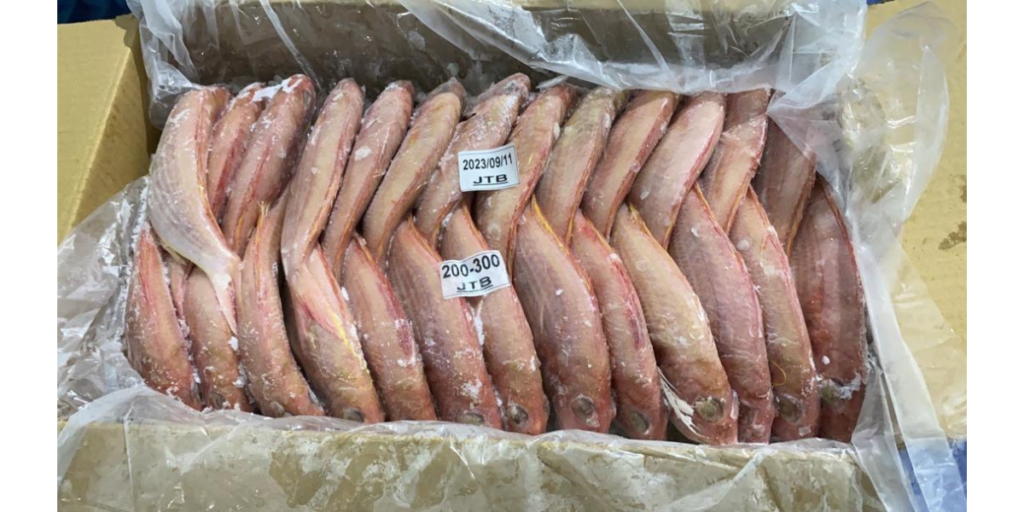
Documentation & Certification: Why and How to Demand Independent Inspection Certificates
Physical inspection is essential — but paperwork matters too. Even when products pass visual and functional checks, proper documentation and third‑party certification give legal and operational legitimacy to your imports. A thorough JTB quality inspection should result in an independent inspection certificate or report, issued by a qualified agency, summarizing findings, tests, sampling data, and compliance status.
For imports such as seafood or fish — including those under a program like Iran JTB export — inspection certificates may also prove compliance with sanitary, health, and safety regulations required by the importing country. Without such documentation, customs may reject the shipment, or goods may be detained for further testing.
A good certificate will reference the inspection standard used (e.g., AQL sampling standard, hygiene regulation, packaging and labeling compliance), detail the batch or lot number, list any defects or non-conformities, include photos if relevant, and state pass/fail status. As an importer, insisting on independent certification — rather than producer‑self reporting — ensures objectivity and reliability.
Always include a clause in your contract or purchase order specifying that shipment is contingent upon satisfactory inspection and certification. This protects your interests, strengthens accountability, and reduces post-shipment disputes.
How to Select a Reliable Inspection Partner: What Credentials and Process You Should Expect
Choosing the right inspection partner is critical. The inspection company must be independent, qualified, and experienced — especially if you deal with sensitive products such as food, seafood, or specialized manufactured goods. Ideally, look for agencies with recognized accreditation, transparent procedures, and familiarity with both the origin country and destination regulations.
Ensure the agency follows internationally accepted sampling and inspection standards (e.g., ISO 2859‑1 / ANSI/ASQ Z1.4 for sampling, appropriate hygiene or safety standards for food). The inspection plan (often called ITP — Inspection & Test Plan) should be clear, agreed upon in advance, and aligned with your contract or purchase order.
Transparency is non‑negotiable: inspectors should provide photos, detailed reports, and clear declarations of pass/fail status. Reporting should include counts of defects (critical, major, minor), packaging integrity, labeling compliance, and — where relevant — sanitary or safety test results.
If you’re importing fish or perishable goods, your partner should understand food regulatory compliance, storage conditions, and handling requirements. For example, inspections involving JTB fish specifications require knowledge of seafood inspection protocols, hygiene standards, and traceability practices. By selecting a professional, credible inspection partner, you turn quality control into a structured, reliable, and legally defensible process.
Building an Import‑Quality Assurance Strategy for JTB: From Supplier Selection to Post‑Shipment Monitoring
A robust import‑quality assurance strategy doesn’t end at inspection — it begins there. First, vet and qualify suppliers carefully: assess their facilities, hygiene standards, track record, and compliance with relevant regulations. If you rely on exporters like Iran JTB export, conduct supplier audits before placing significant orders. This upfront diligence helps avoid systemic quality issues.
Next, embed quality checkpoints in your supply chain: use in‑process inspections during production, commit to pre‑shipment inspection (PSI) before loading, and demand independent inspection certificates. These measures, taken together, provide multiple layers of verification — reducing the risk of non‑compliance or defects slipping through.
But don’t stop once goods arrive. Implement post‑shipment monitoring: perform sample checks, test goods under real‑world conditions (storage, transport, shelf life for perishable items), and document any deviations. Feedback this information to your supplier — and make quality compliance a key element in future orders.
By transforming quality assurance from an occasional check to a continuous process, importers can maintain consistent standards, build stronger supplier relationships, and significantly reduce financial, regulatory, and reputational risk. In short: treat JTB quality inspection not as a one‑time task, but as a core, ongoing element of your import strategy.
Final Takeaways on Ensuring JTB Quality Before Import
Quality assurance is the cornerstone of successful JTB imports, and skipping a proper inspection can be costly. A structured JTB quality inspection ensures that every shipment meets your expectations and complies with relevant regulations. By performing thorough checks—ranging from material verification to packaging assessment and certification review—you protect your business from potential defects, delivery delays, and non-compliance issues.
Importers should adopt a multi-layered approach: start with supplier vetting, move to in-production monitoring, and conclude with pre-shipment inspections conducted by independent experts. Each step reduces uncertainty and provides documented proof of quality, which is invaluable for both operational confidence and regulatory compliance.
Furthermore, selecting a reputable inspection partner is essential. Ensure the company uses internationally recognized methods, accurate sampling, and transparent reporting. Maintaining records of each JTB quality inspection not only helps with future imports but also strengthens supplier accountability and negotiation power.
Ultimately, a robust quality inspection process transforms importing from a high-risk venture into a predictable, manageable operation. By prioritizing JTB quality inspection, you safeguard your investments, maintain customer satisfaction, and build long-term supplier relationships.
FAQ
Q: What exactly is a JTB quality inspection?
A: It refers to a comprehensive quality control process — often including pre‑shipment inspection — to verify that goods meet specified standards before being shipped to the importer. This involves checking quality, quantity, packaging, labeling, and documentation to ensure full compliance.
Q: When should I arrange a PSI?
Ideally when production is almost complete (around 80 % or more), before goods are packed and loaded for export. This timing allows for inspection of the finished products in their final packaging and avoids surprises after shipment.
Q: Is documentation really necessary if the products look good?
Yes — documentation such as an independent inspection certificate offers legal and regulatory assurance. It helps with customs clearance, proves compliance, and protects your business if issues arise later.
Q: What if the inspection finds defects — can the batch still be shipped?
It depends. If defects exceed acceptable limits (as defined in your contract or sampling standard like AQL), the batch should be rejected or returned for correction. Accepting substandard goods poses significant financial and reputational risk.
Q: How can I be sure the inspection partner is reliable?
Choose an agency with recognized accreditations, transparent methodology, and experience relevant to your product type (e.g. food, manufactured goods). Require a detailed inspection & test plan (ITP), clear sampling methods, and documented reports including photos and defect classification.