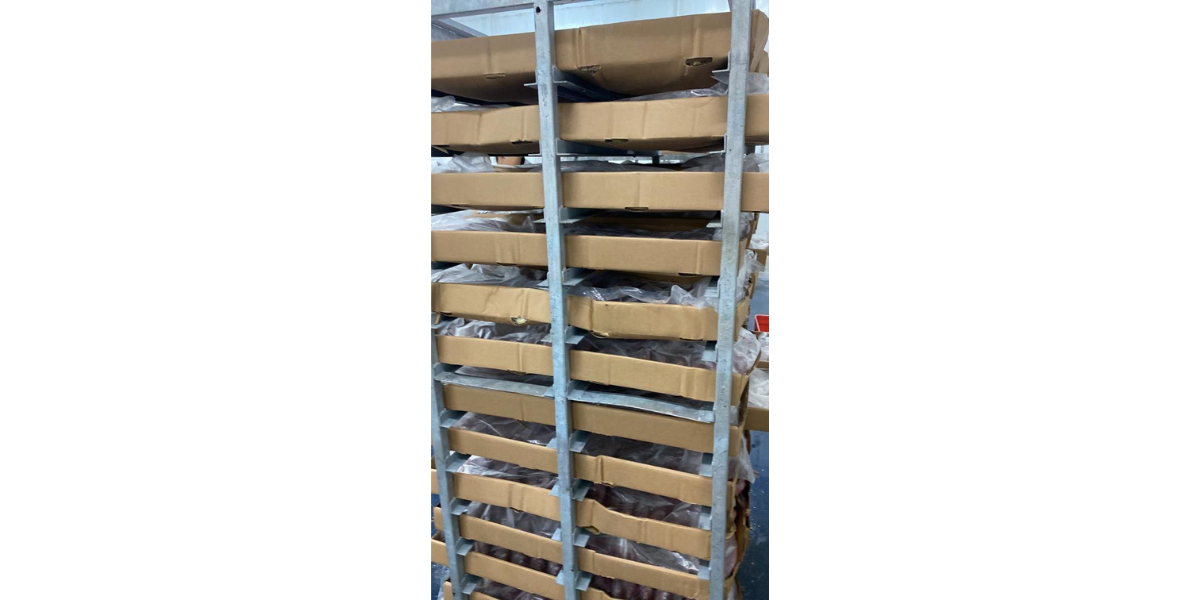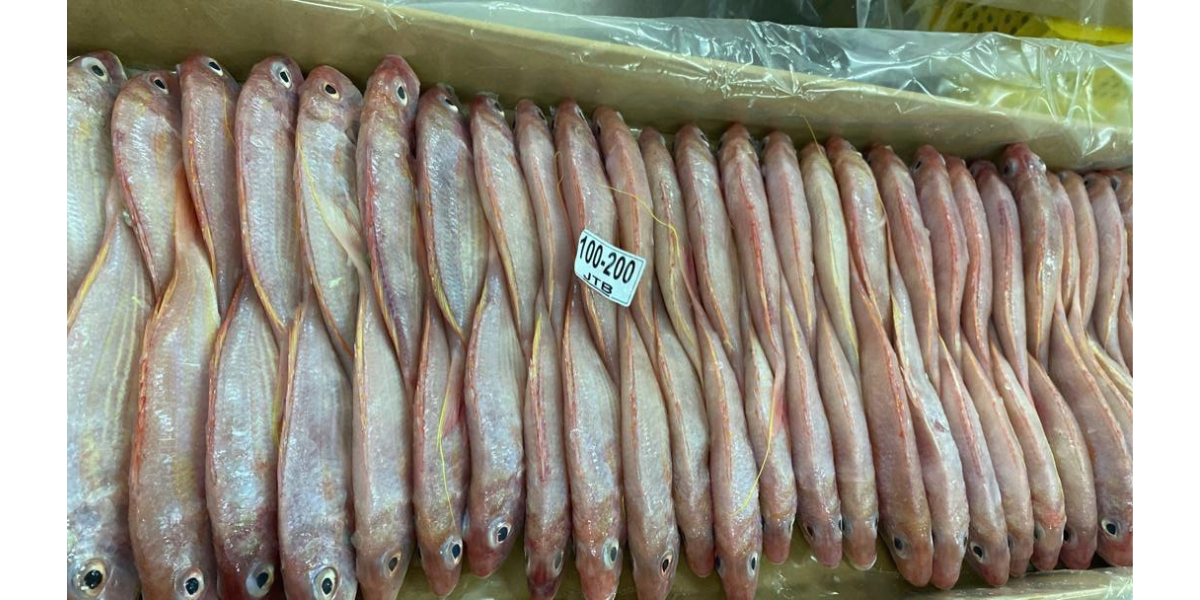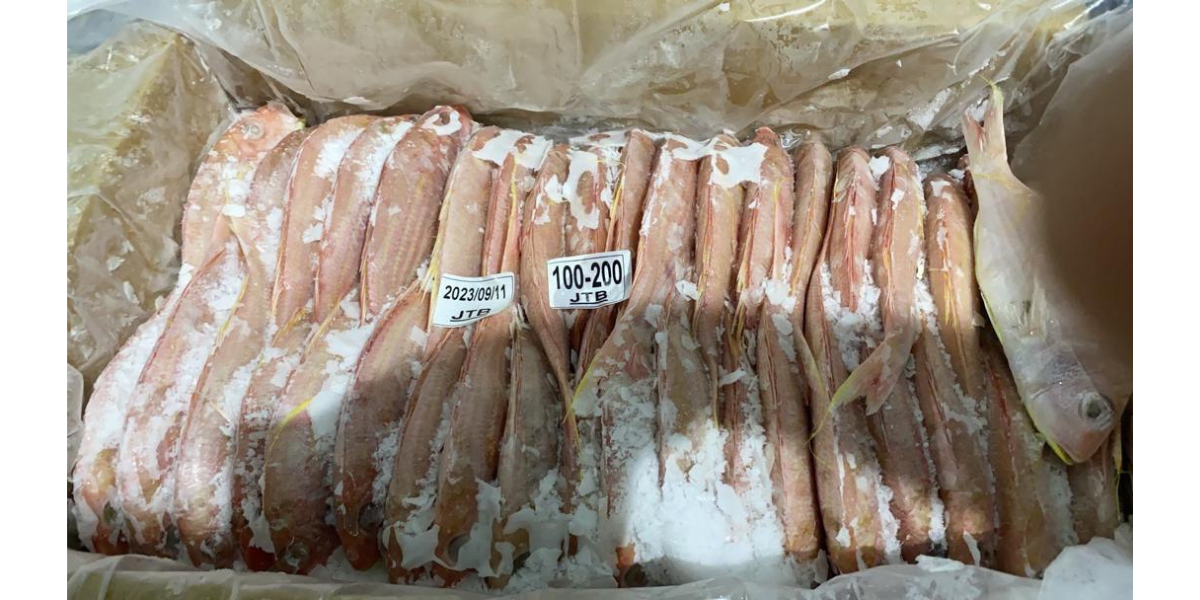
Delivering uncompromised quality begins with one principle: JTB freshness and quality must be protected from the very first moment of handling. In global export markets, freshness is more than a desirable trait — it defines market value, consumer trust, and the overall competitiveness of the product. Maintaining JTB freshness and quality requires a coordinated system that begins on the farm and extends through cold-chain logistics, scientific packaging strategies, and strict hygiene protocols.
Every stage, from rapid pre-cooling to controlled-atmosphere transport, plays a measurable role in slowing natural degradation and preserving texture, aroma, and nutritional value. When these steps are carried out professionally, exporters not only retain shelf life but also reduce waste, improve consistency, and meet the high expectations of international buyers. If you’re looking to understand how each component contributes to superior export standards, follow along — the details ahead explain exactly how freshness is secured.
Cold-Chain Integrity: End-to-End Temperature Control from Field to Final Delivery
Protecting JTB freshness and quality begins with a cold-chain system that never breaks, because even a brief temperature fluctuation can accelerate spoilage or alter texture. At Pishva Holding, the cold-chain process is engineered as a continuous path, not a series of isolated steps. It starts immediately after harvest with rapid temperature stabilization and continues through refrigerated transport, insulated loading zones, and properly calibrated storage facilities. Each stage is monitored through digital loggers and automated alerts that flag any deviation long before it becomes a risk.
A dependable cold chain is more than machinery; it is a disciplined operational culture. Teams are trained to avoid temperature abuse during loading, ensure doors remain closed during handling, and verify equipment performance before every shipment. Whether the goods travel by road, sea, or air, temperature mapping is performed to ensure every pallet sits inside the optimal thermal range. This attention to detail maintains the sensory characteristics consumers expect while giving international buyers confidence in the product’s stability. Ultimately, a well-managed cold chain is the backbone of JTB freshness and quality, ensuring the product arrives in global markets with its integrity fully preserved.
Harvest & Pre-Harvest Practices That Reduce Postharvest Degradation
Maintaining JTB freshness and quality starts long before the product enters the processing line. For producers of Iranian JTB fish, the foundation of quality is set at the farm, where feeding cycles, water purity, and harvest timing are managed with scientific precision. Stress during harvest triggers biochemical changes that reduce shelf life, so handlers use gentle techniques, proper netting, and rapid transfer to cooling stations to keep the fish calm and structurally intact.
Pre-harvest management, including controlled feeding schedules and clean-water maintenance, reduces metabolic waste and microbial activity—two major factors that influence postharvest degradation. Immediately after harvest, proper bleeding, sorting, and hygiene protocols further protect the product from bacterial contamination. Clean equipment, sanitized surfaces, and consistent removal of damaged or substandard units help prevent quality loss from spreading through the batch.
By entering the cold chain in optimal condition, Iranian JTB fish retain their natural color, firmness, and nutritional composition for a longer period. These seemingly simple steps create a measurable advantage in export performance, lowering rejection rates and meeting the stringent standards demanded by international buyers. When combined with downstream handling, strong pre-harvest practices serve as an essential pillar of JTB freshness and quality.
Rapid Pre-Cooling and Temperature Profiling to “Lock in” Freshness
Rapid pre-cooling is one of the most critical stages in protecting JTB freshness and quality, especially for shipments destined for competitive global markets. In the context of Iran JTB export, pre-cooling is treated as a race against time. The goal is to remove field or harvest heat as quickly as possible, because every extra hour at elevated temperatures increases bacterial growth and accelerates enzymatic breakdown.
Producers rely on techniques such as forced-air cooling, hydrocooling, or vacuum cooling depending on the specific characteristics of the product. Each method is chosen based on efficiency, moisture sensitivity, and the expected transport duration. What matters most is reducing core temperature evenly, not just cooling the exterior. For that reason, temperature profiling is performed using strategically placed sensors that measure how long it takes for the internal temperature to reach a safe and stable zone.
In Iran JTB export operations, this data is documented, reviewed, and used to refine process timing. The result is a predictable cooling curve that prevents texture softening, color loss, and microbial growth. When pre-cooling is executed correctly, it effectively “locks in” the sensory attributes consumers expect, allowing JTB freshness and quality to be maintained even on long international routes.
Advanced Packaging Strategies: MAP, Barrier Films and Dose-Matched Solutions
Modern packaging plays a decisive role in preserving JTB freshness and quality, especially for long-distance shipments where environmental conditions fluctuate. Within export facilities, JTB quality inspection teams evaluate the product before selecting an optimal packaging solution, ensuring the method aligns with the product’s respiration needs, moisture sensitivity, and expected travel duration.
Modified Atmosphere Packaging (MAP) is one of the most reliable strategies. By adjusting oxygen, carbon dioxide, and nitrogen levels, MAP slows microbial growth and delays natural spoilage without introducing additives. Barrier films with controlled permeability further stabilize the internal environment, preventing excess moisture loss while allowing the product to “breathe” at a safe rate. For items requiring higher protection, multilayer films and dose-matched absorbent pads help reduce drip, maintain appearance, and enhance consumer confidence upon arrival.
Packaging is also tested under simulated transit conditions to ensure it performs consistently in both refrigerated and ambient exposures. These evaluations support decision-making that directly affects shipment durability and presentation. By pairing advanced packaging with thorough JTB quality inspection protocols, exporters create a dependable protective system that preserves texture, flavor, and overall JTB freshness and quality from origin to destination.
Hygiene, Sanitation Verification and Rapid ATP Monitoring for Real-Time Quality Checks
Ensuring strong hygiene practices is one of the most reliable ways to protect JTB freshness and quality throughout the export chain. Facilities that handle sensitive products depend on structured sanitation programs that eliminate microbial risks before packing even begins. The process often includes scheduled cleaning cycles, validated disinfectants, and surface-specific sanitation protocols that international food-safety authorities recommend. What makes modern systems more effective is the use of ATP monitoring, a rapid method widely adopted in high-standard processing plants.
ATP (adenosine triphosphate) testing provides near-instant confirmation of cleanliness by detecting organic residues that traditional visual checks often miss. A handheld luminometer is swabbed across work surfaces, tools, conveyor belts, and contact points. If ATP levels exceed acceptable thresholds, sanitation teams can take immediate corrective action. This prevents contamination from spreading and helps ensure consistent compliance with HACCP and ISO 22000 hygiene expectations.
Beyond equipment checks, personnel hygiene practices—such as controlled access, hand sanitation, and protective clothing—further reduce risks. When all elements function together, exporters create an environment where microorganisms struggle to survive, giving JTB freshness and quality a significantly stronger chance of lasting through the entire journey to international markets.
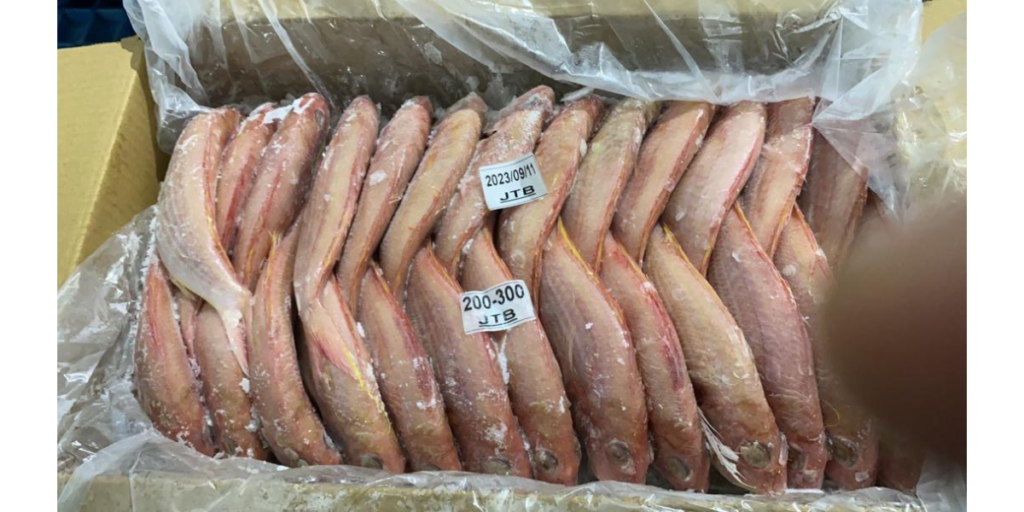
Controlled-Atmosphere Storage & Logistics Planning for Long-Transit Routes
Long-distance shipments require environmental control that extends beyond basic refrigeration, which is why controlled-atmosphere (CA) storage is critical for preserving JTB freshness and quality. CA systems regulate oxygen, carbon dioxide, humidity, and sometimes ethylene levels to slow natural respiration and microbial growth. These principles are widely used in advanced export systems where products must endure several days or even weeks in transit.
For sensitive items, reducing oxygen levels can significantly slow biochemical breakdown, while carefully elevating carbon dioxide helps suppress microbial activity. Exporters use these atmospheric adjustments based on scientific models that predict how the product behaves under different gas compositions. This ensures the product retains its natural firmness, color, and sensory qualities during long-haul transportation.
Equally important is logistics planning. Route selection, transit duration, buffer times for customs, and compatibility of carrier refrigeration systems must be evaluated before shipping. Many supply chains run simulation tests and temperature-mapping studies to identify potential cold-chain weak points. By pairing precise atmosphere control with strategic logistics planning, exporters create a stable environment where JTB freshness and quality can be maintained even under the demands of long-distance international delivery.
Traceability, Data Logging, Compliance and Shelf-Life Validation (HACCP / ISO 22000)
Traceability has become a defining factor in maintaining JTB freshness and quality, especially as global markets increasingly demand transparency and compliance. Modern facilities use digital systems that log every critical step—from harvest origin and batch numbers to temperature history and inspection records. These data points are stored securely and can be retrieved instantly during audits, claims, or quality reviews.
HACCP and ISO 22000 frameworks guide companies in identifying hazards, establishing critical limits, and implementing continuous monitoring. Temperature loggers, barcode scanners, RFID tags, and cloud-based traceability software work together to ensure nothing goes unrecorded. If a deviation occurs—such as a temperature spike or delayed transit—systems flag the event so corrective actions can be taken before the product deteriorates.
Shelf-life validation is another essential part of compliance. Through sensory testing, microbial analysis, and accelerated aging studies, exporters determine accurate shelf-life ranges instead of relying on estimates. This scientific validation helps ensure that exported goods retain their expected characteristics for the entire distribution period. Combined, these traceability and validation systems play a crucial role in protecting JTB freshness and quality and building trust with global buyers.
Final Insights on Maintaining JTB Freshness and Quality
Preserving JTB freshness and quality is never a matter of chance — it is the outcome of disciplined, science-driven processes that work together like a well-tuned system. From the precision of harvest timing to the reliability of cold-chain monitoring, every action contributes to reducing spoilage and ensuring the product arrives in export markets with its original character intact. What distinguishes high-performing exporters from the rest is not a single technology, but the integration of advanced packaging, hygiene verification, and validated storage conditions into one consistent workflow. By understanding the physiology of the product and applying proven techniques such as rapid pre-cooling, modified-atmosphere packaging, and temperature-controlled transport, suppliers create an environment where quality is preserved rather than hoped for. This holistic approach not only reduces logistical risks but also builds long-term trust with international buyers who rely on stable, premium-grade shipments. Ultimately, maintaining JTB freshness and quality is a commitment — one that rewards exporters with stronger brand reputation, reduced returns, and greater market opportunities.
FAQ
1. What factors most influence JTB freshness and quality during export?
Temperature control, hygiene standards, rapid pre-cooling, and advanced packaging technologies have the greatest impact. Any weakness in these areas can reduce shelf life significantly.
2. Why is ATP monitoring important?
ATP monitoring provides instant feedback on sanitation effectiveness. It helps verify that surfaces and equipment are free from organic residues that could compromise product safety or freshness.
3. How does controlled-atmosphere storage protect the product?
By adjusting oxygen and carbon dioxide levels, CA storage slows respiration and microbial growth, allowing the product to maintain its natural texture and appearance over longer journeys.
4. What role does traceability play in quality assurance?
Traceability systems document every stage of handling. This ensures compliance with HACCP/ISO requirements and helps identify issues quickly if a quality deviation occurs.
5. How can exporters extend shelf life reliably?
A combination of rapid pre-cooling, strict cold-chain management, sanitation verification, and scientifically validated shelf-life studies offers the most dependable results.