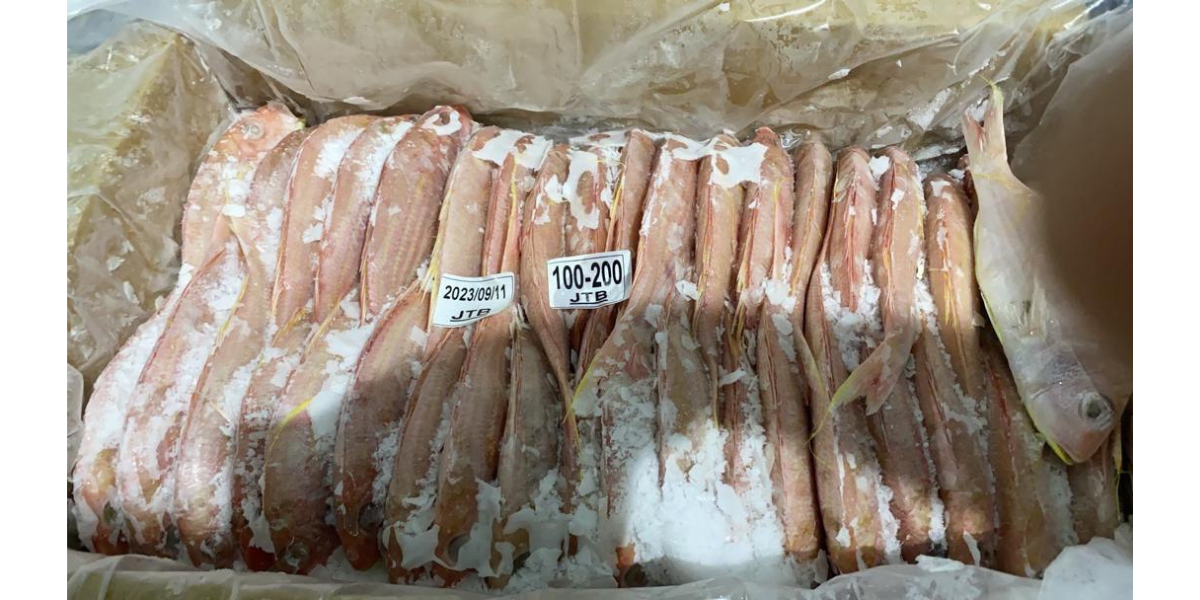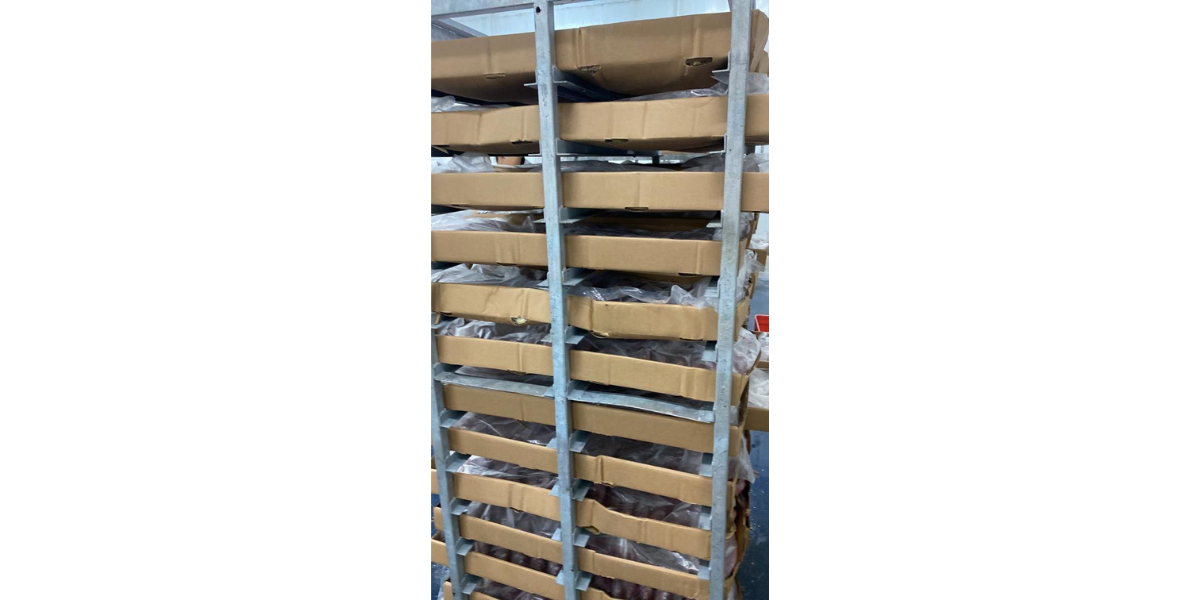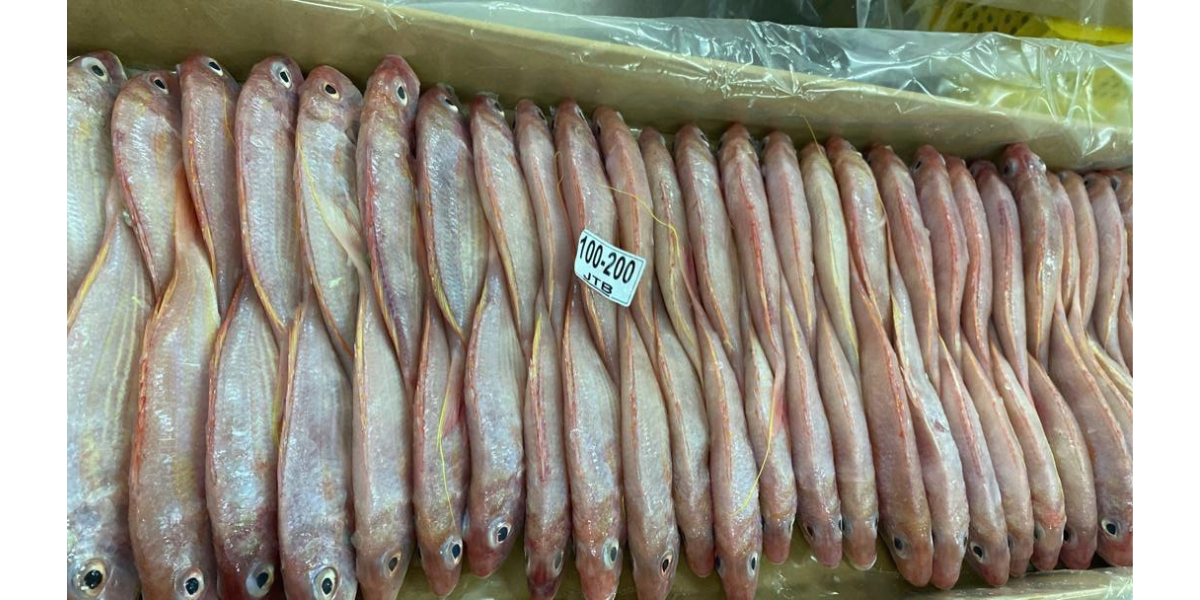
Ensuring the integrity of frozen products begins with precise JTB freezing and storage standards. For international buyers, maintaining the correct temperature from packing to delivery is not optional—it is essential for product safety, quality, and regulatory compliance. Frozen goods shipped without strict adherence to cold-chain protocols risk spoilage, reduced shelf life, and potential rejection at customs. JTB freezing and storage guidelines establish a clear framework: products should generally be kept at −18°C or lower, utilize proper packaging to prevent moisture migration, and be monitored with calibrated data loggers throughout transit.
Understanding these requirements empowers buyers to request proper documentation, verify shipment conditions on arrival, and minimize losses. Moreover, knowledge of freezing methods, packaging materials, and handling protocols allows buyers to anticipate potential issues before they occur. By following best practices for JTB freezing and storage, businesses ensure that products arrive in optimal condition. Continue reading to explore practical strategies and compliance tips every international buyer must know.
Understanding JTB Frozen Product Standards: What Every International Buyer Must Know
For international buyers, understanding JTB freezing and storage standards is crucial to ensure product safety and quality. Pishva Holding, a well-known exporter in this field, follows strict freezing protocols that align with international guidelines. These standards dictate maintaining products at temperatures of −18°C or lower, monitoring with calibrated data loggers, and using proper packaging to prevent moisture loss and freezer burn. Buyers should be aware of product classifications, such as IQF (individually quick-frozen) or deep-frozen items, since each category has specific storage and handling requirements. Following these standards reduces the risk of spoilage, minimizes customs issues, and ensures compliance with Codex Alimentarius and FAO guidelines.
Understanding how these protocols apply to the transit, storage, and distribution phases allows buyers to request the right documentation, track shipments effectively, and verify the cold chain at arrival. Pishva Holding emphasizes adherence to JTB freezing and storage practices to maintain product integrity and customer satisfaction. By familiarizing themselves with these standards, buyers can make informed decisions, reduce losses, and guarantee the high quality of their frozen imports.
Optimal Freezing Temperatures: Ensuring Quality from Packing to Delivery
Maintaining correct temperatures is at the heart of effective JTB freezing and storage. Iranian JTB fish, for example, must be kept consistently at −18°C or below from processing to delivery to preserve freshness, texture, and nutritional value. Temperature deviations, even for a few hours, can lead to microbial growth, enzymatic degradation, or freezer burn. Buyers should request continuous temperature records from suppliers and confirm that storage facilities comply with international cold-chain standards, such as those outlined by IATA for air shipments and Codex Alimentarius.
Proper packaging, including insulated boxes and vacuum-sealed materials, also plays a vital role in minimizing temperature fluctuations. Real-time monitoring technologies, like GPS-enabled telematics or multi-point data loggers, help buyers ensure their shipments maintain optimal conditions throughout transit. By understanding and enforcing JTB freezing and storage temperature requirements, buyers of Iranian JTB fish can confidently protect product integrity, reduce spoilage, and comply with import regulations. Ensuring proper temperature management is not only a regulatory necessity but also a strategic decision to maximize the shelf life and market value of frozen seafood products.
Choosing the Right Freezing Method: IQF, Blast, or Cryogenic?
Selecting the appropriate freezing method is a critical step in JTB freezing and storage. Iran JTB export products benefit from different techniques depending on the product type, desired quality, and shelf life. IQF, or individually quick-frozen, ensures that items like shrimp or fillets do not clump together and maintain their original texture, making them ideal for retail and culinary applications. Blast freezing, on the other hand, rapidly reduces temperature using cold air circulation, which is suitable for bulk items and reduces ice crystal formation. Cryogenic freezing, utilizing liquid nitrogen or carbon dioxide, offers the fastest freezing rates and is commonly used for premium seafood exports from Iran.
Each method impacts product quality differently, affecting moisture retention, color, and structural integrity. International buyers must discuss freezing techniques with suppliers and ensure their JTB freezing and storage protocols are followed precisely. Clear documentation of the freezing method, coupled with proper handling and temperature monitoring, safeguards the product during transit. By selecting the right method and understanding its effects, buyers of Iran JTB export items can maintain high-quality standards and deliver products that meet customer expectations worldwide.
Packaging and Cold-Chain Management: Avoiding Temperature Excursions
Efficient packaging and cold-chain management are central to successful JTB freezing and storage. During the JTB fishing season Iran, seafood products are especially sensitive to temperature fluctuations, which can compromise quality within hours. Proper packaging, including insulated boxes, vacuum sealing, and dry ice or gel packs, helps maintain consistent temperatures. Buyers should also ensure that pallets are arranged to allow airflow and prevent localized warming. In addition to packaging, monitoring the cold chain during transit is critical. Calibrated data loggers and real-time GPS systems allow buyers to track conditions and detect excursions early.
Establishing contingency plans for delays, storage at customs, or transport disruptions ensures the product remains within safe temperature limits. Clear communication between suppliers, logistics providers, and buyers strengthens the cold-chain process. Following these practices not only aligns with international standards but also minimizes losses and preserves the freshness and nutritional value of seafood. By prioritizing JTB freezing and storage during the JTB fishing season Iran, buyers can maintain product integrity, meet regulatory requirements, and deliver high-quality frozen products to their markets.
Documentation and Compliance: Key Papers Buyers Should Require
Accurate documentation is a cornerstone of reliable JTB freezing and storage. International buyers must request comprehensive records that verify temperature control, sanitary compliance, and shipment integrity. For frozen seafood, this includes continuous temperature logs, calibration certificates for data loggers, IATA Perishable Cargo Regulations (PCR) forms for air transport, and sanitary certificates where required. Clear documentation ensures that shipments comply with both origin and destination country regulations and streamlines customs clearance. Buyers should also confirm that suppliers provide chain-of-custody statements and proof of adherence to cold-chain standards.
By insisting on proper paperwork, buyers can protect themselves from liability, reduce the risk of rejection, and ensure that products maintain optimal quality. Additionally, documentation allows for traceability in case of product recalls or disputes. Integrating these requirements into contracts strengthens supplier accountability and guarantees compliance with international standards. Observing JTB freezing and storage protocols along with rigorous documentation practices empowers buyers to maintain high-quality imports while avoiding operational risks and regulatory challenges.
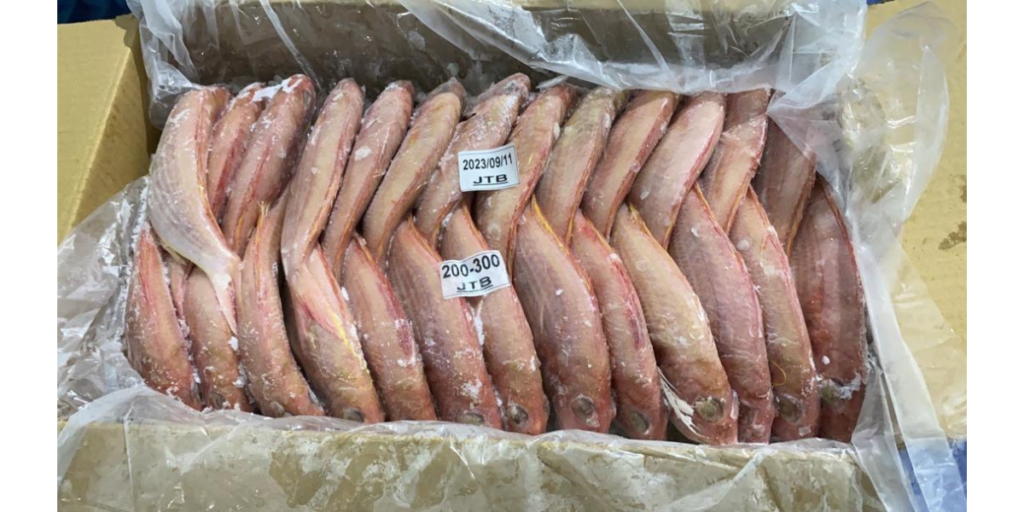
Receiving and Quality Checks: How Buyers Can Verify Frozen Shipments
Upon arrival, international buyers must verify that JTB freezing and storage standards were maintained throughout transit. This begins with a visual inspection of packaging integrity, looking for tears, condensation, or signs of freezer burn. For Iranian JTB fish shipments, checking core temperatures with a calibrated probe ensures the product has stayed within the recommended −18°C threshold. Reviewing temperature logs from data loggers provides additional assurance and allows buyers to spot potential excursions. Sampling a few products for texture, color, and odor is a simple yet effective step to confirm quality.
Any deviation from expected standards should trigger predefined acceptance or rejection protocols. Buyers should document these checks, creating a record that supports compliance and future shipments. By implementing structured quality verification processes, buyers not only protect their customers but also maintain trust with suppliers. Consistently following JTB freezing and storage verification methods ensures that imported seafood arrives safe, fresh, and ready for sale, minimizing losses and reinforcing the value of maintaining a robust cold chain.
Handling Exceptions and Excursions: Policies for Safe and Reliable Imports
Even with meticulous planning, temperature excursions can occur during international transport. Implementing clear policies for handling exceptions is vital to successful JTB freezing and storage. Buyers should define acceptable thresholds, such as cumulative deviations of 2°C for a limited period, and specify actions for exceeding limits. For Iran JTB export products, having contingency plans—like alternative storage at bonded warehouses, rapid cooling procedures, or rejection protocols—ensures product integrity. Effective communication with logistics providers and suppliers is crucial when excursions happen, allowing for immediate corrective measures.
Recording all incidents and outcomes improves accountability and informs future shipment planning. Training personnel to recognize early warning signs and respond appropriately reduces risk. Additionally, integrating these policies into contractual agreements ensures clarity between buyers and suppliers. By establishing robust procedures for handling exceptions, international buyers reinforce trust in their supply chain and guarantee that products meet quality and safety standards. Following JTB freezing and storage policies consistently mitigates losses, maintains regulatory compliance, and safeguards the reputation of both buyer and supplier.
Conclusion: Maximizing Safety and Quality Through Expert JTB Freezing and Storage Practices
Proper JTB freezing and storage is the backbone of safe and reliable international shipments. Buyers who understand and implement these standards can protect product quality, reduce spoilage, and maintain compliance with global regulations. Maintaining the correct freezing temperature, typically −18°C or lower, is the first step—but it is equally important to monitor shipments continuously using accurate data loggers and to choose the right packaging to minimize temperature fluctuations and moisture loss. Awareness of the freezing method, whether individually quick-frozen (IQF) or blast-frozen, allows buyers to anticipate product performance and shelf life.
Documentation plays a critical role, as certified temperature records, sanitary certificates, and IATA-compliant forms streamline customs clearance and reduce liability. Additionally, having clear acceptance policies for temperature excursions and contingency plans for delays ensures that buyers can act decisively when issues arise. In essence, following JTB freezing and storage requirements is not just a regulatory formality—it is a practical, profit-protecting strategy that guarantees product integrity from warehouse to destination. By prioritizing these practices, international buyers build trust with suppliers, protect their customers, and ensure the highest standards of food safety.
FAQ
Q1: What is the ideal temperature for JTB freezing and storage?
Products should be kept at −18°C or below to preserve quality and comply with Codex and international standards.
Q2: How can buyers verify that JTB freezing and storage standards were maintained?
Buyers should review temperature logs, inspect packaging, and check core product temperatures upon arrival.
Q3: What documentation is essential for international shipments?
Key documents include temperature records, sanitary certificates, IATA PCR forms, and chain-of-custody statements.
Q4: Which freezing method is best for seafood exports?
IQF is ideal for individual pieces, blast freezing for bulk items, and cryogenic freezing for premium products.
Q5: How should temperature excursions be handled?
Define thresholds, activate contingency plans, document incidents, and coordinate with suppliers and logistics partners.
Q6: Why is cold-chain management important during JTB fishing season Iran?
Proper management prevents spoilage, maintains nutritional value, and ensures compliance with international regulations.