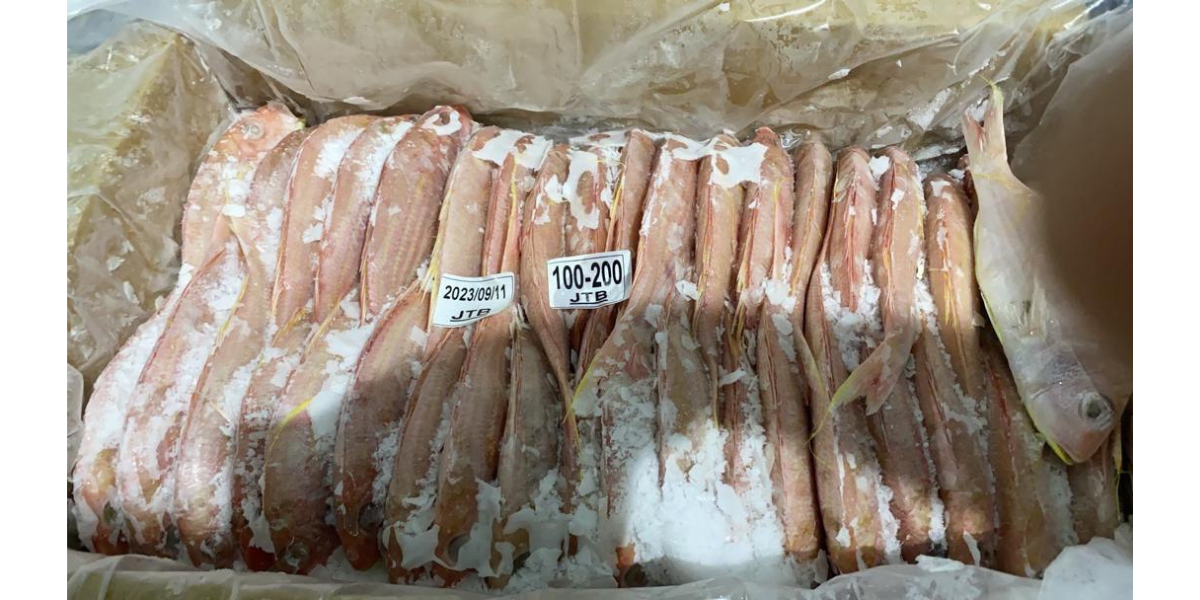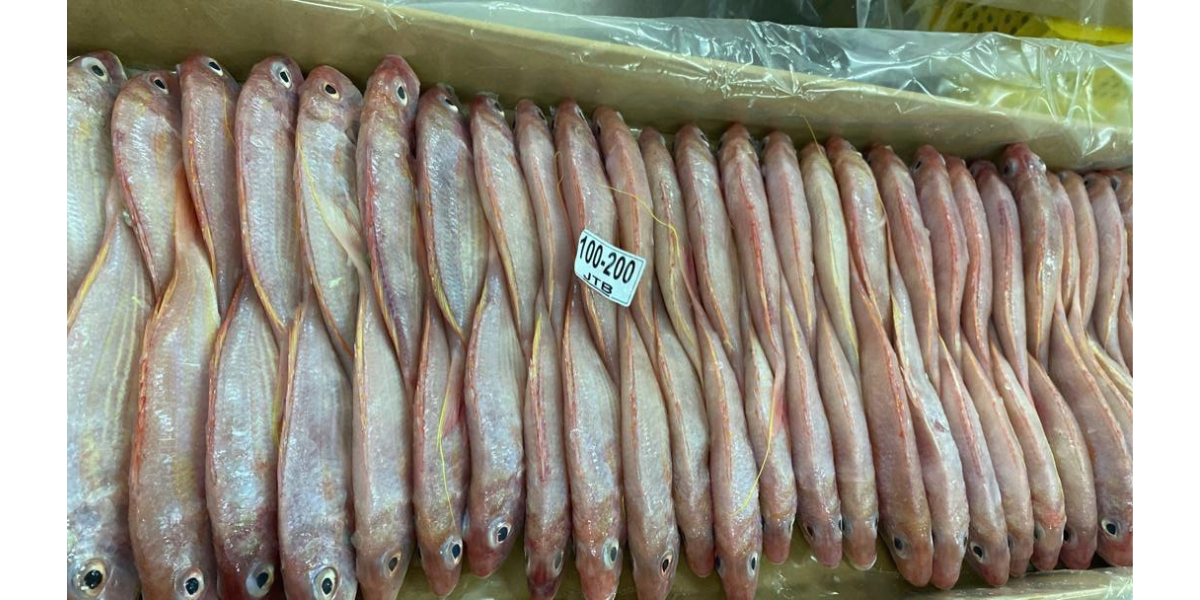
Understanding the real determinants of JTB freshness and quality is the first step toward making confident, large-scale purchasing decisions in today’s competitive seafood market. Buyers who work with Japanese threadfin bream (JTB) know that even slight shifts in handling, seasonality, or cold-chain performance can dramatically influence product integrity. In Iran, where JTB is harvested from biologically rich waters, seasonal patterns, catch timing, and post-harvest treatment play a crucial role in preserving premium texture and flavor.
Evaluating JTB freshness and quality goes far beyond checking appearance; it requires awareness of fishing cycles, storage protocols, and supplier consistency. When these elements align, bulk buyers gain access to a steady, reliable supply that meets international standards. If you’re looking to optimize procurement choices and reduce variability across shipments, understanding these fundamentals is essential. Continue reading to explore the practical factors that truly shape dependable JTB sourcing.
Seasonal Production Patterns of JTB in Iran: A Practical Overview for Bulk Buyers
Understanding how seasonal production cycles shape the availability of Japanese threadfin bream (JTB) is essential for large-scale buyers looking to preserve consistent JTB freshness and quality. In Iran’s southern waters, the species follows a predictable annual rhythm influenced by sea temperature, plankton abundance, and spawning intervals. These factors determine not only catch volume but also the average size and nutritional value of the harvested fish. Many experienced suppliers, including large integrated groups such as Pishva Holding, rely on these patterns to plan harvesting schedules, maintain cost efficiency, and stabilize supply throughout the year.
From late winter into early spring, larger schools typically migrate closer to shallow fishing grounds, resulting in higher landing volumes. During mid-summer, warmer water often increases feeding activity, improving both fat content and texture—two critical indicators of JTB freshness and quality. By contrast, late autumn can bring temporary fluctuations due to shifting currents and reduced catch rates.
For bulk buyers, understanding these cycles is more than a biological observation; it’s a practical procurement advantage. Aligning contract volumes with peak production periods, while maintaining flexible logistics during transitional seasons, supports stable pricing and consistent product integrity. When seasonal knowledge guides planning, buyers can secure reliable supply without compromising on the freshness and overall quality of the product.
Monthly Supply Variations of JTB: Identifying Peak and Low Availability Windows
Monthly fluctuations in JTB landings across Iranian ports play a defining role in both the cost structure and JTB freshness and quality available to wholesalers and importers. Coastal fisheries along Hormozgan, Bushehr, and Sistan-Baluchestan experience distinct productivity cycles linked to monsoon winds, oxygen levels, and shifting food sources. During late winter and early spring, buyers often see increased stability in supply, which makes this period particularly attractive for large contracts involving Iranian JTB fish.
In contrast, early autumn can be more variable due to changes in water movement and occasional fishing restrictions, reflecting broader ecosystem protection measures. While supply remains available year-round, price patterns often mirror these monthly rhythms—higher in months with lower catch rates and more favorable during predictable peaks. These swings directly influence how easily suppliers can maintain premium JTB freshness and quality, since higher volumes allow for quicker turnover and fresher processing cycles.
For procurement teams, monitoring monthly trends is a strategic tool. It helps determine when to negotiate fixed-price agreements, when to rely on spot markets, and when to build inventory through frozen stock. Identifying high-volume windows also supports better logistics planning, reducing delays and ensuring the product moves through the cold chain with minimal degradation. Ultimately, understanding monthly supply variations empowers buyers to anticipate risk and secure consistent quality without unnecessary cost pressure.
Biological Drivers Behind JTB Seasonality in the Persian Gulf and Gulf of Oman
Seasonality in JTB harvests is rooted in the species’ biological rhythms, making ecological awareness essential for protecting JTB freshness and quality. In the Persian Gulf and Gulf of Oman, Japanese threadfin bream respond strongly to water temperature, depth variations, and breeding cycles. These waters host rich feeding grounds during specific months, directly influencing fish movement, size distribution, and catch density. Because these patterns are consistent across years, they serve as a natural guide for understanding the supply conditions that shape Iran JTB export timelines.
Spawning typically occurs in multiple phases, often aligning with late winter and mid-summer conditions. During these periods, fish may disperse or shift habitats, temporarily affecting catch volume. In months with increased feeding activity, the fish tend to exhibit higher fat content and firmer muscle structure—two traits that improve JTB freshness and quality after harvesting. Environmental conditions like nutrient upwelling and monsoon circulation also contribute to these fluctuations, creating a dynamic but predictable ecosystem.
For large-scale buyers, recognizing these biological drivers allows for smarter procurement planning. Aligning purchase schedules with non-spawning periods often results in more uniform size grading and superior texture. When buyers understand the biological underpinnings of seasonality, they can make more calculated decisions, avoid months of inconsistent quality, and secure shipments that align with commercial expectations.
Impact of Seasonal Changes on JTB Pricing, Size Distribution, and Quality Grades
Seasonal shifts influence nearly every commercial aspect of JTB—from market price to grading standards—making it crucial for buyers to understand how environmental cycles affect JTB freshness and quality. Price fluctuations often mirror changes in fishing conditions. During peak seasons, abundant supply tends to lower costs and support faster processing, which enhances product integrity. Conversely, reduced catch volumes during transitional months can increase pricing due to stronger demand and limited availability. These supply-demand dynamics are closely tied to fish size variations as well, since mature individuals are more common during high-nutrition months.
Size distribution directly shapes grading outcomes, and suppliers who perform routine JTB quality inspection often observe patterns linked to seasonal biological changes. In months with higher plankton density and stable temperatures, JTB typically show better coloration, firmer flesh, and improved storage resilience. These characteristics contribute to higher grades and more consistent export quality. During off-peak periods, however, irregular sizes and softer texture may appear, requiring stricter handling and more selective sorting to preserve JTB freshness and quality.
For professional buyers, these seasonal dynamics underscore the importance of flexible procurement strategies. Adapting purchase volumes, diversifying shipment timing, and maintaining open communication with processors help ensure reliable access to premium-quality JTB throughout the year.
Strategic Procurement Planning: Best Purchasing Windows for Large-Scale Orders
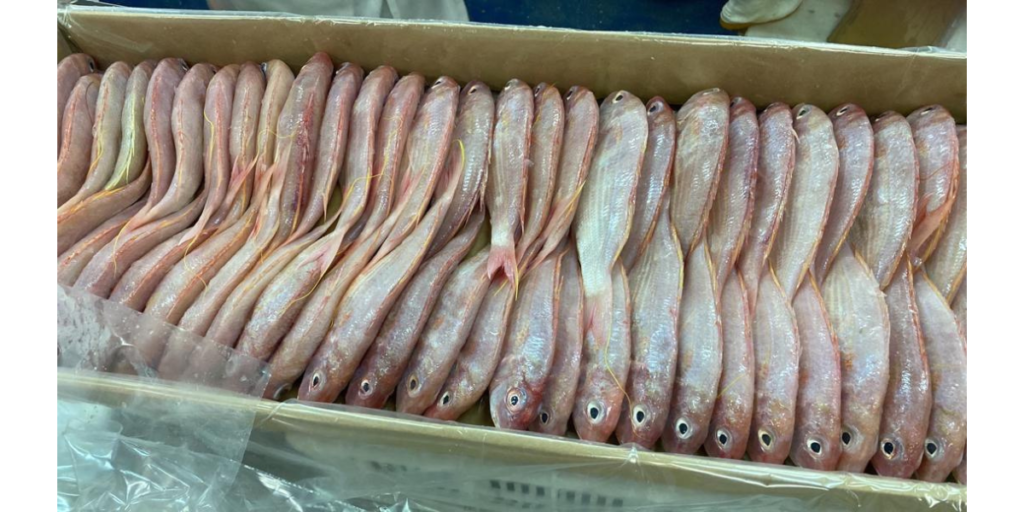
Effective procurement planning for Japanese threadfin bream requires more than watching market prices—it demands a clear understanding of seasonal patterns, logistics capacity, and supplier reliability. For buyers focused on maintaining JTB freshness and quality, the best purchasing windows typically coincide with months when catch volumes are both stable and logistically predictable. In southern Iran, these windows often appear in late winter, spring, and mid-summer when fishing conditions improve, vessels operate more consistently, and processors can handle higher throughput without delays.
Successful procurement teams rarely rely on a single buying period. Instead, they build a calendar that aligns long-term contracts with seasonal peaks while reserving spot purchases for unexpected demand. Forward planning also helps reduce the pressure placed on cold-storage resources, since shipments arriving during strong harvest months tend to move through the supply chain faster, preserving JTB freshness and quality.
For very large orders, buyers often negotiate flexible delivery schedules with their suppliers, ensuring that shipments align with optimal catch periods rather than forcing production. This approach lowers risk, stabilizes cost, and ensures that every inbound batch maintains the expected quality benchmarks. When procurement decisions are synchronized with biological and operational realities, consistency becomes far easier to achieve.
Supply Chain & Cold-Storage Strategies for Managing Seasonal Fluctuations
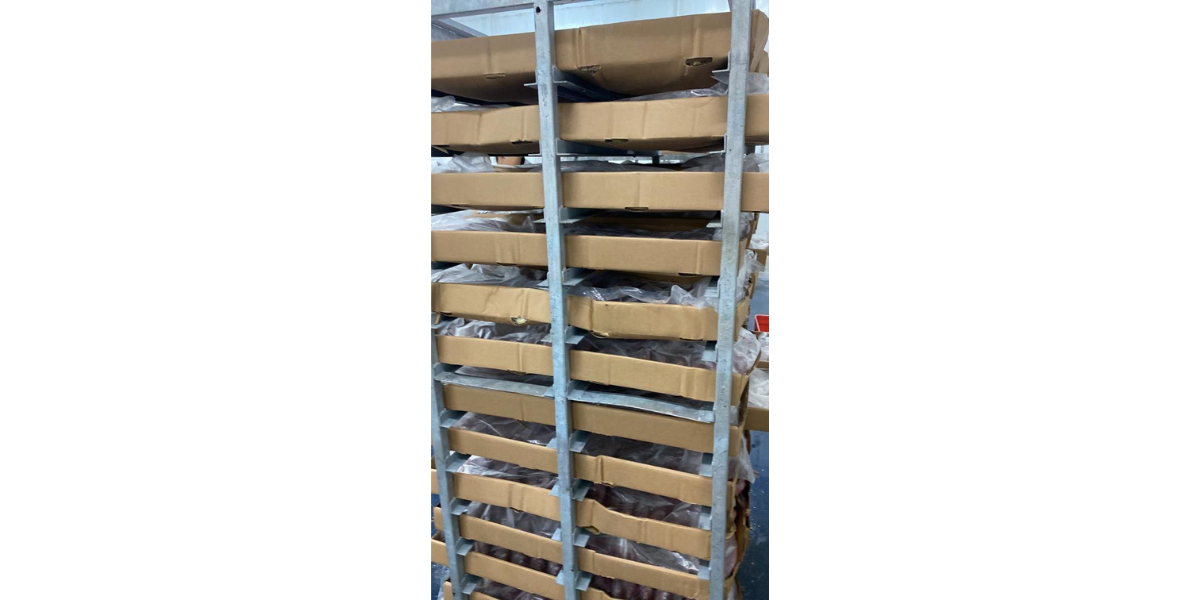
Managing seasonal fluctuations starts with a supply chain designed to protect JTB freshness and quality at every step. In the Iranian seafood industry, the most reliable processors use rapid onboard icing, immediate unloading, and controlled-temperature packing to reduce microbial growth and maintain texture. Once the product enters the distribution network, temperature stability becomes the defining factor. Cold-storage facilities must maintain strict conditions—typically below –18°C for frozen products and between 0°C and 4°C for chilled shipments—to prevent quality loss.
A proactive supply chain also relies on accurate forecasting. By predicting peak fishing months, companies can pre-allocate storage space, schedule processing crews, and optimize transportation routes. Strong coordination with logistics partners allows for quicker container turnaround and minimizes time spent at port, both of which support superior JTB freshness and quality.
For buyers, building redundancy into the supply chain is equally important. This may include working with multiple freezing facilities, securing backup transportation options, or diversifying ports of entry during busy seasons. Seasonal fluctuations can’t be eliminated, but they can be managed through smart planning and reliable cold-chain discipline. When the supply chain is aligned with natural harvest cycles, the final product consistently meets the expectations of high-volume commercial buyers.
Risk Mitigation Tactics: Ensuring Consistent JTB Availability Throughout the Year
Ensuring year-round availability of JTB requires a mix of strategic sourcing, supplier diversification, and rigorous quality management. Because natural fluctuations affect both catch volume and processing capacity, companies must develop proactive solutions to protect JTB freshness and quality. One of the most effective tactics is maintaining relationships with multiple suppliers across different coastal regions. When one area experiences temporary disruptions, another may provide stable output, preventing costly shortages.
Long-term contracts with flexible delivery terms also help stabilize supply. These agreements allow suppliers to allocate raw material more efficiently during seasonal peaks while giving buyers priority access during tighter months. Another key strategy is maintaining adequate frozen inventory during high-volume periods. When properly stored and rotated, frozen stock serves as a dependable buffer without compromising JTB freshness and quality.
Risk mitigation also depends on continuous communication with processors, real-time monitoring of fishing forecasts, and early identification of regulatory changes that could impact availability. Companies that combine these tactics with internal quality checks are better positioned to maintain steady flow, reduce price volatility, and avoid the operational strain caused by sudden supply gaps. A structured, forward-looking approach is the foundation of a resilient JTB supply strategy.
Conclusion: Best Practices for Reliable Year-Round Supply
Ultimately, securing reliable access to high-grade JTB depends on recognizing how biological seasonality and supply-chain discipline come together to influence JTB freshness and quality. For professional buyers, overlooking the nuances—such as temperature control during transport, post-harvest timing, or the effects of spawning cycles on texture—can lead to inconsistencies that affect both cost efficiency and customer satisfaction. In contrast, aligning procurement planning with seasonal catch peaks and partnering with suppliers who maintain transparent cold-chain records can significantly improve outcome predictability.
A well-structured purchasing strategy also involves monitoring fluctuations in size distribution, market demand, and storage conditions. By keeping these elements in balance, organizations can safeguard JTB freshness and quality across high-volume orders. The most successful buyers treat quality assurance as an ongoing process rather than a final-step inspection. They rely on data-driven forecasting, proactive communication with processors, and routine evaluations of handling protocols.
In the end, the strength of your supply chain is inseparable from the integrity of the product you receive. When procurement decisions are grounded in seasonal insight and scientific handling standards, JTB becomes a consistently dependable option—even in competitive export markets. This strategic, informed approach is what ultimately ensures stable value and long-term reliability for every shipment.
FAQ
1. What factors most influence JTB freshness and quality?
Fishing season, temperature control, and handling speed are the three leading factors that determine final product quality.
2. When is the best time to place large-scale JTB orders?
Late winter, spring, and mid-summer often provide the most stable harvest conditions and consistent quality.
3. How can buyers manage seasonal shortages?
By diversifying suppliers, maintaining frozen buffer stock, and negotiating flexible delivery schedules.
4. Does cold-storage temperature affect JTB quality?
Yes. Frozen JTB should remain below –18°C, while chilled product must stay between 0°C and 4°C to preserve freshness.
5. Is quality consistent throughout the year?
Not always. Seasonal biological changes can impact size, texture, and availability, making proactive planning essential.