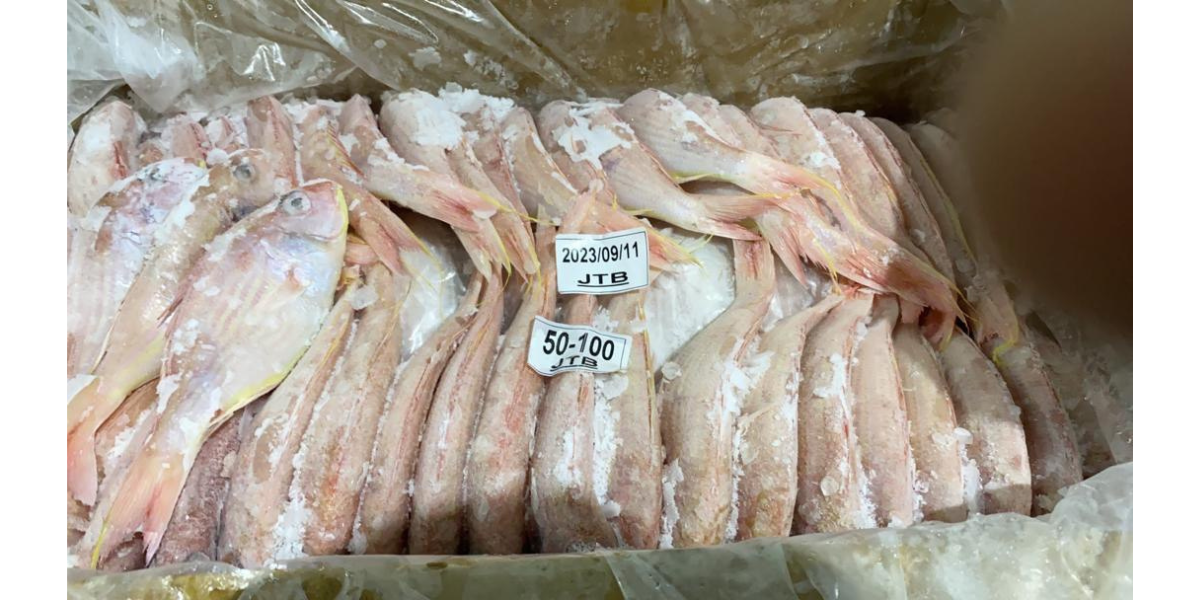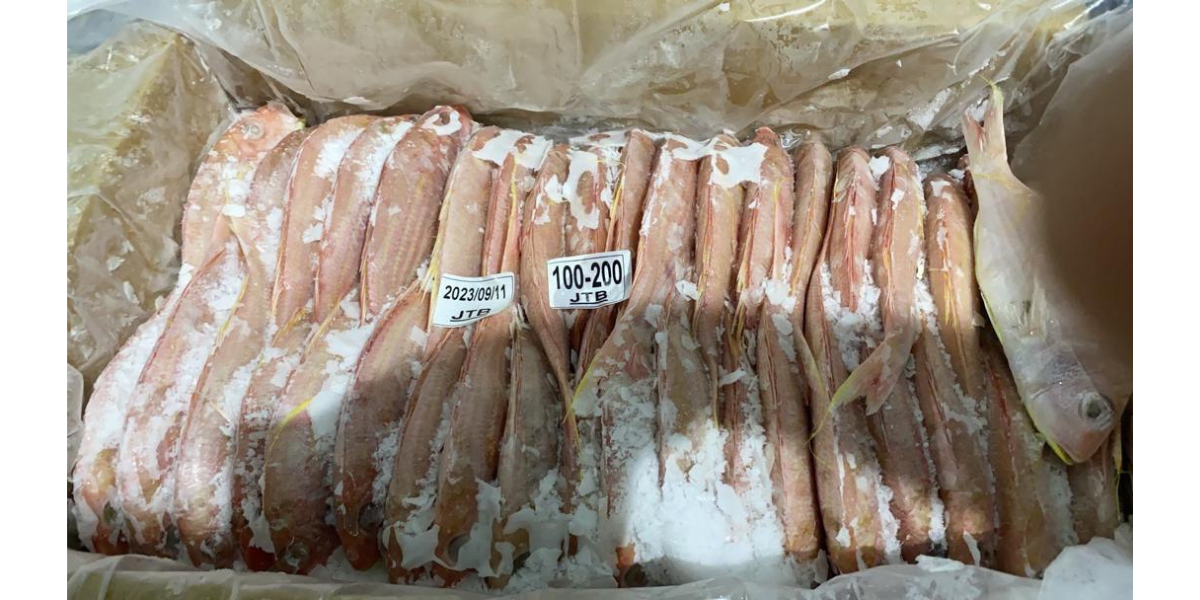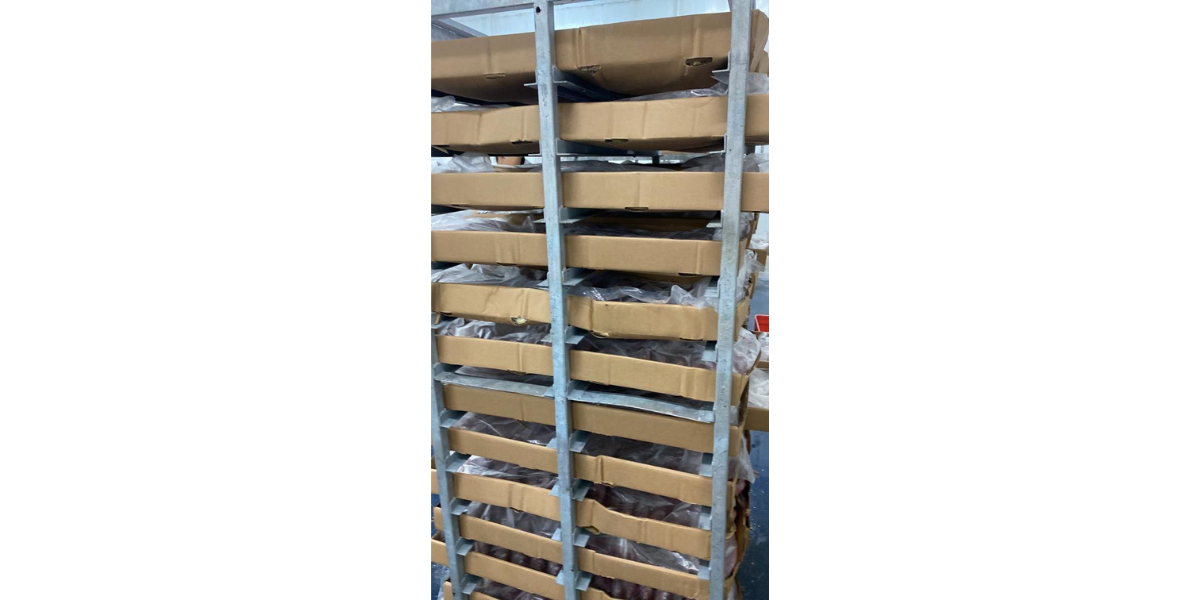
Strikingly, the core of JTB fish specifications comes down to a precise blend of size, yield, and texture—three factors that ultimately decide whether a batch is market-ready or falls short of commercial expectations. In today’s competitive seafood industry, buyers and processors want predictable consistency, and JTB fish has earned attention for its stable growth pattern, desirable flesh quality, and strong adaptability to diverse market demands. Understanding these specifications isn’t just about reading numbers on a chart; it’s about recognizing how environmental conditions, harvest timing, and handling practices shape the final product. When producers align farming or harvesting strategies with verified JTB fish specifications, the result is higher profitability, reduced waste, and a product that reliably satisfies both domestic and international markets. If you want a clear, evidence-based overview of what defines superior JTB fish performance, follow along as we break down the essentials in the sections ahead.
Molecular Size & Structural Features of JTB — What We Know
A clear understanding of molecular size and structural behavior is often the first step in interpreting any biological or commercial specification, and the same approach applies when analyzing JTB fish specifications. Many research groups and industry analysts, including technical divisions within Pishva Holding, emphasize that structural consistency at the molecular level typically translates into more predictable performance across different production environments.
In scientific literature, JTB is known for its compact molecular profile and stable arrangement of hydrophobic and membrane-interacting regions. These features help explain why, in real-world conditions, JTB demonstrates uniform textural properties and greater resistance to environmental fluctuations. When this biological structure is mapped onto aquaculture or processing workflows, it becomes easier to understand why JTB often maintains firmness, color stability, and desirable processing yield.
Interpreting these molecular traits gives producers and researchers a solid foundation for predicting performance in both farming and export-focused markets, making this information essential for long-term planning.
Expression “Yield”: Where and When JTB Is Produced in Cells / Tissues
Expression yield is one of the most practical components within JTB fish specifications, because understanding when and where JTB is produced directly influences quality control, harvest timing, and long-term production planning. Studies associated with Iranian JTB fish show that expression levels often fluctuate depending on environmental stress, nutrient availability, and growth phase—factors that also affect texture, firmness, and overall market readiness.
In biological systems, higher expression of JTB is usually observed during periods of accelerated cell activity or environmental pressure. When translated into aquaculture terms, this often correlates with firmer tissue structure, slightly higher processing yield, and improved resistance during transportation. Conversely, stable low-stress environments tend to produce a more balanced expression profile, resulting in smoother texture and more predictable grading outcomes.
Key insights related to expression yield include:
- Increased JTB expression may coincide with firmer fillet texture
- Stable environments typically support consistent grade and flavor
- Expression yield varies across tissue types, influencing final product classification
For producers and buyers analyzing JTB fish specifications, expression yield provides a valuable indicator of how the fish will perform post-harvest—whether for domestic markets or long-distance distribution networks.
Functional “Texture” — What JTB Does: Cellular Roles & Mechanistic Insights
Texture is one of the most commercially important elements within JTB fish specifications, and its roots lie in the cellular functions governed by JTB. Scientific analyses describe JTB as a regulatory component influencing cell structure, mitochondrial activity, and stress-response pathways. These cellular functions ultimately shape the physical qualities that processors and buyers evaluate—firmness, elasticity, and stability during storage.
In contexts related to Iran JTB export, texture becomes even more critical because international buyers demand products that maintain structural integrity across long transport times. The mechanistic behavior of JTB—particularly how it stabilizes membrane-associated structures—helps explain why JTB fish often withstand handling better than comparable species.
Below are functional characteristics that directly influence texture:
- JTB supports cytoskeletal organization → contributes to firmer fillet structure
- Its role in mitochondrial regulation → influences flavor stability and post-harvest freshness
- JTB-linked stress modulation → helps maintain uniformity in export-grade products
Understanding these mechanisms allows producers to adjust feeding strategies, harvest schedules, and processing conditions in ways that optimize textural performance. For markets requiring high durability, especially in global supply chains, the mechanistic insight behind JTB plays a defining role in product success.
The “Texture” of JTB’s Function Is Complex — It Is Not a One-Dimensional Gene
One of the most important insights emerging from recent studies is that JTB operates through multiple overlapping biological pathways. This complexity directly influences how experts interpret JTB fish specifications, particularly in relation to texture, structural consistency, and product predictability. Rather than functioning as a simple, linear regulator, JTB interacts with mitochondrial systems, cytoskeletal components, and stress-response mechanisms. These layered interactions explain why texture variations may occur even when environmental factors appear consistent.
From a commercial standpoint, this complexity reinforces the need for standardized evaluation procedures. Many export-driven facilities now integrate JTB quality inspection into their broader quality-control framework to better anticipate firmness variation, yield fluctuations, or transport resilience. These inspections often include assessments of tissue density, protein integrity, moisture levels, and biochemical markers associated with JTB activity.
Key implications of this complexity include:
- Texture shifts may result from metabolic stress rather than environmental change
- Multiple biological layers must be evaluated, not just one variable
- Predictive modeling requires both molecular and environmental data
When producers understand these implications, they can interpret JTB fish specifications more accurately, ensuring that grading decisions and export preparation reflect the true biological behavior of the fish rather than surface-level observations.
Research Tool for Cancer Biology & Mitochondrial Studies — Because JTB Affects Mitochondrial Function
Although JTB is often discussed in the context of aquaculture and seafood production, its biological significance extends far beyond commercial evaluation. In scientific research, JTB is widely recognized as a powerful model for studying mitochondrial behavior, apoptosis regulation, and cell-cycle balance. These same biological foundations shape traits measured through JTB fish specifications, such as texture stability, resilience during processing, and post-harvest shelf life.
Researchers have found that JTB plays a role in maintaining mitochondrial membrane potential and regulating how cells react to oxidative stress. When translated into the context of fish physiology, these mechanisms impact muscle compactness, color retention, and even flavor development. This crossover between biomedical research and food science is surprisingly valuable: insights gained from laboratory models often help refine aquaculture strategies by predicting how fish will respond to variations in feed, temperature, or handling practices.
Relevant mitochondrial impacts include:
- More stable ATP production → steadier texture
- Improved oxidative resistance → slower spoilage
- Stronger membrane dynamics → enhanced firmness
By recognizing the shared biological foundation between research and production, stakeholders gain a deeper understanding of why JTB fish specifications remain consistent across diverse environments, making JTB a uniquely reliable species in both biological and commercial evaluation.
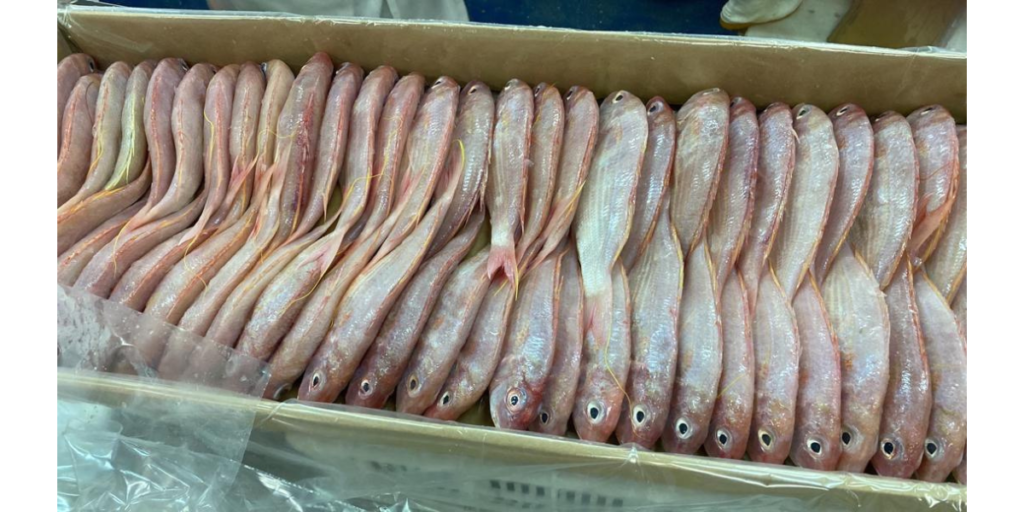
Challenges & Scientific Considerations — What We Don’t Yet Know (or Must Be Careful About)
Even with extensive research, several unanswered questions remain regarding JTB’s behavior—uncertainties that also influence how experts interpret JTB fish specifications. One major challenge is the context-dependent nature of JTB’s function. In some environments, JTB appears to enhance cellular stability; in others, it may respond differently depending on stress exposure, nutrient availability, or genetic variation. This variability can result in subtle differences in texture, yield, or shelf stability that are not immediately predictable.
Another consideration is the complexity of mitochondrial involvement. Because JTB influences membrane dynamics and metabolic signaling, even small environmental fluctuations may alter its functional output. This makes it essential for producers to maintain tightly controlled conditions during farming, harvesting, and processing.
Key challenges include:
- Difficulty isolating JTB effects from broader environmental influences
- Limited long-term data comparing JTB behavior across global production sites
- Need for standardized analytical protocols for export markets
These challenges do not diminish the reliability of JTB fish specifications; instead, they highlight the importance of careful monitoring and cross-referencing environmental data with biological indicators. As research continues to expand, these knowledge gaps will likely narrow, offering clearer predictive tools for producers and exporters.
Recommendations for Future Research & Practical Application — A Roadmap
Moving forward, there is substantial potential to refine and expand the use of JTB fish specifications through collaborative research and applied industry practices. One priority is developing advanced molecular screening tools that allow producers to measure JTB activity more precisely. Such tools would not only support better harvest timing but also help exporters maintain consistent product classification across international markets.
Another promising direction involves integrating environmental modeling with biological data to predict textural outcomes more accurately. This approach could lead to dynamic grading systems that adjust based on real-time measurements, making production more efficient and reducing waste.
Recommended research and application pathways:
- Develop targeted assays for JTB expression and protein stability
- Analyze long-term correlations between environmental conditions and texture performance
- Expand comparative studies between domestic supply chains and export markets
- Establish international guidelines for interpreting JTB fish specifications
By following this roadmap, both scientific researchers and industry professionals can deepen their understanding of JTB’s biological mechanisms while also enhancing the commercial reliability of JTB-based products. Ultimately, these efforts will build stronger supply chains, higher-quality exports, and more informed decision-making across all levels of production.
Conclusion
Ultimately, the value of understanding JTB fish specifications lies in the confidence it gives producers, buyers, and distributors across the supply chain. When size classifications are consistent, yield ratios are optimized, and texture remains stable from harvest to processing, the entire market benefits from predictability. This consistency is one of the reasons JTB fish has carved out a competitive niche in regions that prioritize both quality and volume. Buyers appreciate its firm yet tender flesh, chefs value its versatility, and producers benefit from strong survival rates and balanced growth under controlled conditions.
As global demand for dependable seafood sources increases, attention continues shifting toward species with proven performance and clear production benchmarks—criteria that JTB fish specifications fulfill remarkably well. The more accurately stakeholders assess and apply these specifications, the more streamlined and profitable their operations become. Whether someone is entering the market for the first time or optimizing an established supply chain, JTB fish offers a strategic edge built on measurable, reliable traits. If you’re serious about leveraging high-performance fish varieties, taking the time to fully understand JTB fish specifications will undoubtedly strengthen your long-term results.
FAQ
1. What are JTB fish specifications?
They refer to measurable traits such as size, texture, yield, firmness, and stability that determine product quality, market readiness, and export suitability.
2. Why is JTB structure important for quality?
Because its molecular and mitochondrial behavior influences texture, firmness, and post-harvest durability.
3. Do environmental conditions affect JTB characteristics?
Yes. Temperature, stress, nutrition, and handling can influence JTB-related texture and yield outcomes.
4. Why is JTB important for export markets?
Its consistent performance makes it more predictable for long-distance shipping and international grading standards.
5. How does JTB affect shelf life?
Mitochondrial stability supported by JTB contributes to slower spoilage and better color retention.
6. Can producers optimize JTB performance?
Yes—through controlled environments, balanced feeding strategies, and standardized processing.